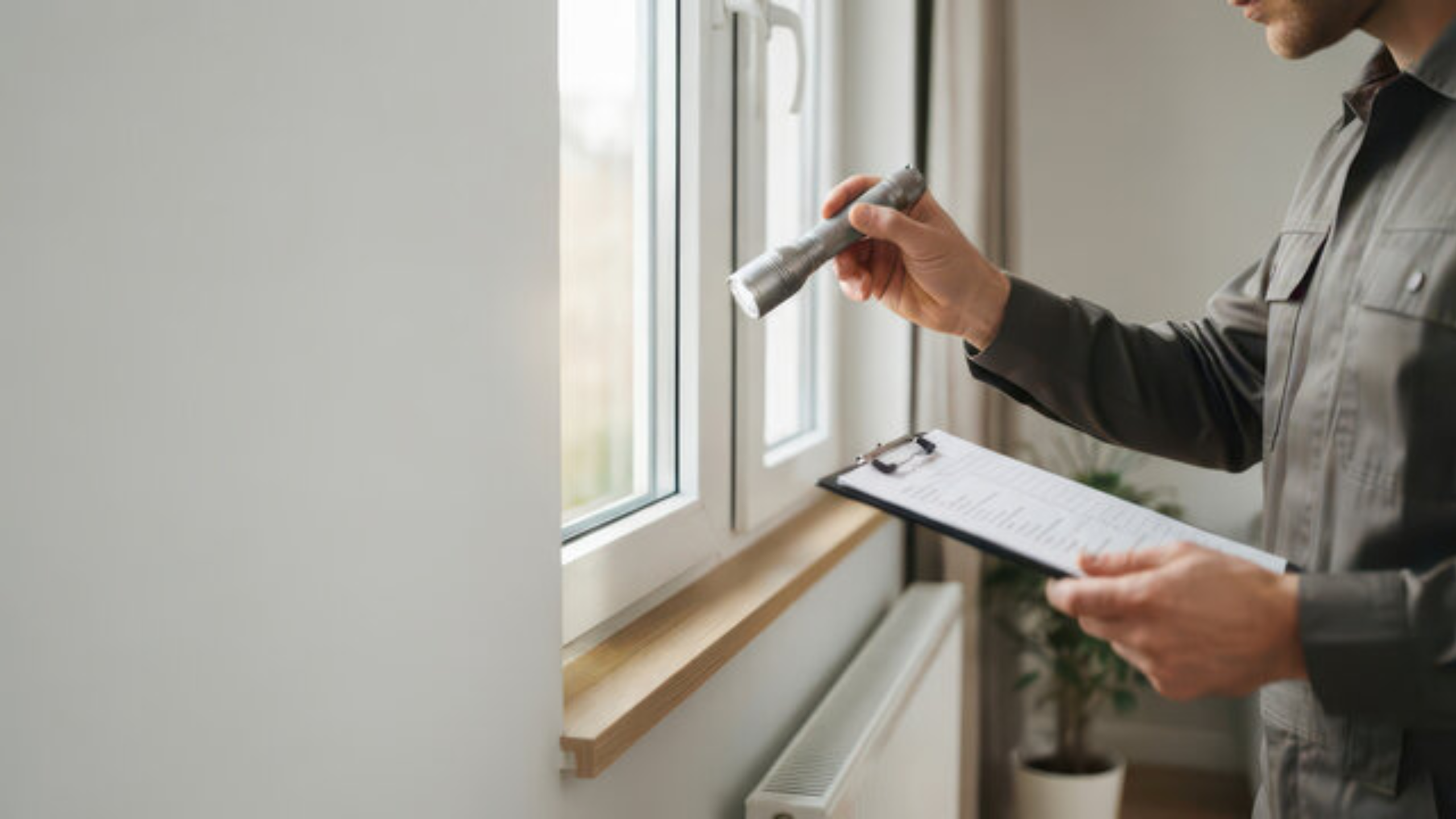

When buying, selling, or owning a home, hidden damage can be a major concern. Wood-destroying insects such as termites, carpenter ants, and beetles can damage wooden parts of a property without being noticed right away. That is why a wood-destroying insect report is often an important part of home inspections and real estate transactions.
A wood-destroying insect report, also known as a WDIR, helps identify signs of insect activity, damage caused by insects, and conditions that may attract them in the future. Many homeowners know about termite inspections, but they may not understand what does a WDIR include or how it differs from a regular home inspection.
At Select Inspection, we help homeowners, buyers, and sellers understand these reports so they can make informed decisions. Knowing what a WDIR evaluates can help you avoid unexpected repair costs and better protect your property.
Understanding the Purpose of a Wood-Destroying Insect Report
A wood-destroying insect report, or WDIR, is an inspection that checks for insects that can damage the wood in a home or building. The report looks for signs of current insect activity, past infestations, visible wood damage, and conditions that could attract insects in the future.
Many mortgage lenders require a WDIR inspection before approving a home loan. Home buyers often request one to make sure the property does not have hidden insect problems before they purchase it. Sellers may also get a WDIR inspection to identify and fix issues before listing their home.
A standard home inspection examines many parts of a property, including the roof, plumbing, electrical systems, and structure. A WDIR inspection focuses only on wood-destroying insects, the damage they may cause, and conditions that could lead to an infestation.
The Types of Wood-Destroying Insects Evaluated During a WDIR
Several types of insects can damage the wood in a home. During a wood-destroying insect inspection, inspectors look for signs of these pests and the damage they may cause.
Termites are usually the biggest concern. Subterranean termites live in the soil and travel through mud tubes to reach wood. Because they often stay hidden, they can cause a lot of damage before homeowners notice them.
Carpenter ants are another common problem. Unlike termites, they do not eat wood. Instead, they dig tunnels inside wood to build their nests. Over time, this can weaken parts of the structure.
Wood-boring beetles can also damage wooden areas of a home. Their larvae feed inside the wood as they grow. Small holes in the wood and fine sawdust-like powder are often signs of their presence.
Carpenter bees can cause damage too. They drill round holes into wood to create nests. While one or two holes may not seem serious, repeated activity over the years can weaken wooden surfaces and structures.
What Areas of the Property Are Inspected?
A WDIR inspection includes both the inside and outside of a home where signs of insect activity may be found.
Inside the home, inspectors usually check basements, crawl spaces, attics, garages, utility rooms, and any visible wood framing. These areas can attract insects because they are often damp, dark, and not used very often.
Outside the home, inspectors look at the foundation, decks, porches, fences, siding, trim, and other wood parts of the property. They pay close attention to places where wood touches the ground because termites and other insects can easily enter the structure through these areas.
Inspectors also check any visible structural parts of the home that they can safely access. However, a WDIR inspection is mainly a visual inspection. Areas hidden behind walls, under flooring, inside insulation, or blocked by stored items usually cannot be inspected.
Key Conditions a WDIR Inspector Evaluates
A wood-destroying insect report does more than look for insects. Inspectors also check for things that can attract pests and increase the chance of an infestation.
One of the main things inspectors look for is signs of active insect activity. This can include live insects, termite mud tubes, new wood damage, sawdust-like material left by carpenter ants, or small holes made by wood-boring beetles.
Inspectors also look for signs of past insect problems. Even if the insects are gone, old damage can show where problems existed before and where future issues may occur. Previous treatments, repaired areas, and old insect tunnels may be included in the report.
Moisture is another important factor. Too much moisture can attract termites and other wood-destroying insects. Leaking pipes, poor drainage, lack of airflow, and water leaks around the home can all increase the risk of pest problems.
Inspectors may also note conditions around the property that can attract insects. These can include wood debris near the home, plants touching exterior walls, and firewood stored too close to the house. Fixing these issues can help reduce the risk of future infestations.
How Inspectors Differentiate Between Insect Damage and Other Structural Issues
One challenge during a termite inspection is figuring out whether the damage was actually caused by insects. Some structural problems can look very similar to insect damage.
For example, water damage can make wood soft, stained, or weak. These signs may look like termite damage, but experienced inspectors know what to look for to identify the real cause.
Wood rot can also be mistaken for insect damage. Rot happens when wood stays wet for a long time and begins to break down. While both rot and insect damage can weaken wood, they are caused by different problems and require different solutions.
If the damage is severe or the cause is unclear, the inspector may suggest further evaluation by a structural engineer, contractor, or pest control professional to get a better understanding of the issue.
What Information Is Included in a WDIR Report?
A WDIR inspection report gives a clear summary of what the inspector found during the inspection. It lists the areas that were checked and notes any signs of wood-destroying insects.
The report may include signs of current insect activity, past infestations, visible damage, and conditions that could attract insects in the future. Photos are often added to show important findings and help explain any issues.
If insects are found, the report may suggest next steps. These can include pest treatment, fixing moisture problems, repairing damaged wood, or scheduling another inspection.
The report also explains its limits. Since some parts of a home are hidden behind walls, floors, or stored items, the inspector can only report on areas that were visible and accessible during the inspection.
Common Red Flags Found in WDIR Reports
Some findings in a WDIR report can be a concern for buyers, sellers, and lenders.
One of the biggest warning signs is active termite activity. Live termites, new mud tubes, or fresh damage to wood show that termites may still be present and treatment is usually needed right away.
Damage to important wooden parts of the home can also be a concern. Problems with support beams, floors, wall framing, or roof structures may need further inspection to determine what repairs are required.
Moisture problems are another common issue found during inspections. Damp crawl spaces, plumbing leaks, poor drainage, and water entering the home can attract wood-destroying insects, even if no pests are currently visible.
Finding these issues early gives homeowners the chance to fix them before they turn into larger and more expensive repairs.
What Happens After Receiving a WDIR Report?
For home buyers, a wood-destroying insect report provides important information about the condition of the property. Buyers can use the report to ask for repairs, discuss treatment costs, or request more inspections before completing the purchase.
For sellers, fixing any issues found in the report can help build trust with buyers and reduce the chance of delays during the sale. Taking care of insect problems early often makes the selling process easier.
Homeowners can also benefit from a wood-destroying insect report even if they are not planning to buy or sell. Finding problems early can help prevent bigger damage and more expensive repairs later.
Regular inspections are especially helpful in areas where termites and other wood-destroying insects are common.
How to Prepare for a Wood-Destroying Insect Inspection
Preparing for a WDIR inspection can help the inspector check your property more thoroughly. Homeowners should make sure areas such as crawl spaces, attics, basements, garages, and other important parts of the home are easy to access.
Moving boxes, furniture, or stored items away from walls and structural areas can help the inspector see more clearly. It is also helpful to unlock access doors, panels, and entry points before the inspection.
If you have records of past pest treatments, repairs, or inspections, keep them available for reference. Fixing known plumbing leaks or drainage problems before the inspection can also help improve the condition of the property and reduce the risk of insect activity.
Why a WDIR Is More Than Just a Pest Inspection
A wood-destroying insect report is more than just a pest check. It helps identify problems that could affect your home’s safety, condition, and value over time.
By finding active insect activity, signs of past damage, and conditions that may attract termites or other wood-destroying insects, a WDIR gives buyers, sellers, and homeowners a better understanding of the property’s condition. This information can help buyers make confident decisions, allow sellers to fix issues before listing, and help homeowners avoid expensive repairs in the future.
At Select Inspection, we provide detailed inspections and easy-to-understand reports so you know exactly what is happening with your property. Whether you are buying a home, selling one, or simply want to protect your investment, our team is here to help.
If you need a professional wood-destroying insect inspection, contact Select Inspection today. We are ready to answer your questions, schedule your inspection, and give you the information you need to move forward with confidence.
Frequently Asked Questions
1. Is a wood-destroying insect report the same as a home inspection?
No. A wood-destroying insect report focuses specifically on insects that damage wood, while a home inspection evaluates the overall condition of the property.
2. How long does a WDIR inspection take?
Most WDIR inspections take between 30 minutes and 2 hours, depending on the size and accessibility of the property.
3. Can a WDIR detect hidden termite damage?
A WDIR is primarily a visual inspection. Hidden damage behind walls, floors, or other inaccessible areas may not be visible during the inspection.
4. What happens if termites are found during the inspection?
If termites or evidence of termite activity are discovered, treatment and further evaluation may be recommended before the transaction proceeds.
5. How often should a home have a wood-destroying insect inspection?
Homeowners should consider an inspection annually or whenever signs of insect activity, moisture issues, or structural concerns are present.