
Buying a home is a major investment, and a professional inspection can help you understand the property’s actual condition before you finalize the purchase. While some buyers may consider skipping the inspection appointment, attending it can provide valuable information that a written report alone may not fully explain.
When you attend home inspection appointments, you have an opportunity to see potential concerns firsthand, ask questions, and learn how different systems and components of the home work. A professional inspector can also explain which issues may need attention immediately and which ones can be monitored over time.
For home buyers in Lafayette, LA, being present during the inspection can make the process more informative and help you feel more confident about your purchase.
Why Should You Attend Your Home Inspection?
A home inspection is more than a review of the property’s condition. It is also an opportunity to learn about the home you may soon own. Attending allows you to observe the inspection process and understand the inspector’s findings in context.
Your inspector may identify concerns involving the roof, foundation, electrical system, plumbing, heating and cooling equipment, attic, crawl space, windows, doors, or other visible components. Seeing these areas during the inspection can help you understand what the inspector is discussing in the final report.
The inspection is also a chance to ask questions while the inspector is examining the property. This can be especially helpful if you are buying your first home or are unfamiliar with certain home systems.
What Happens During a Home Inspection Walkthrough?
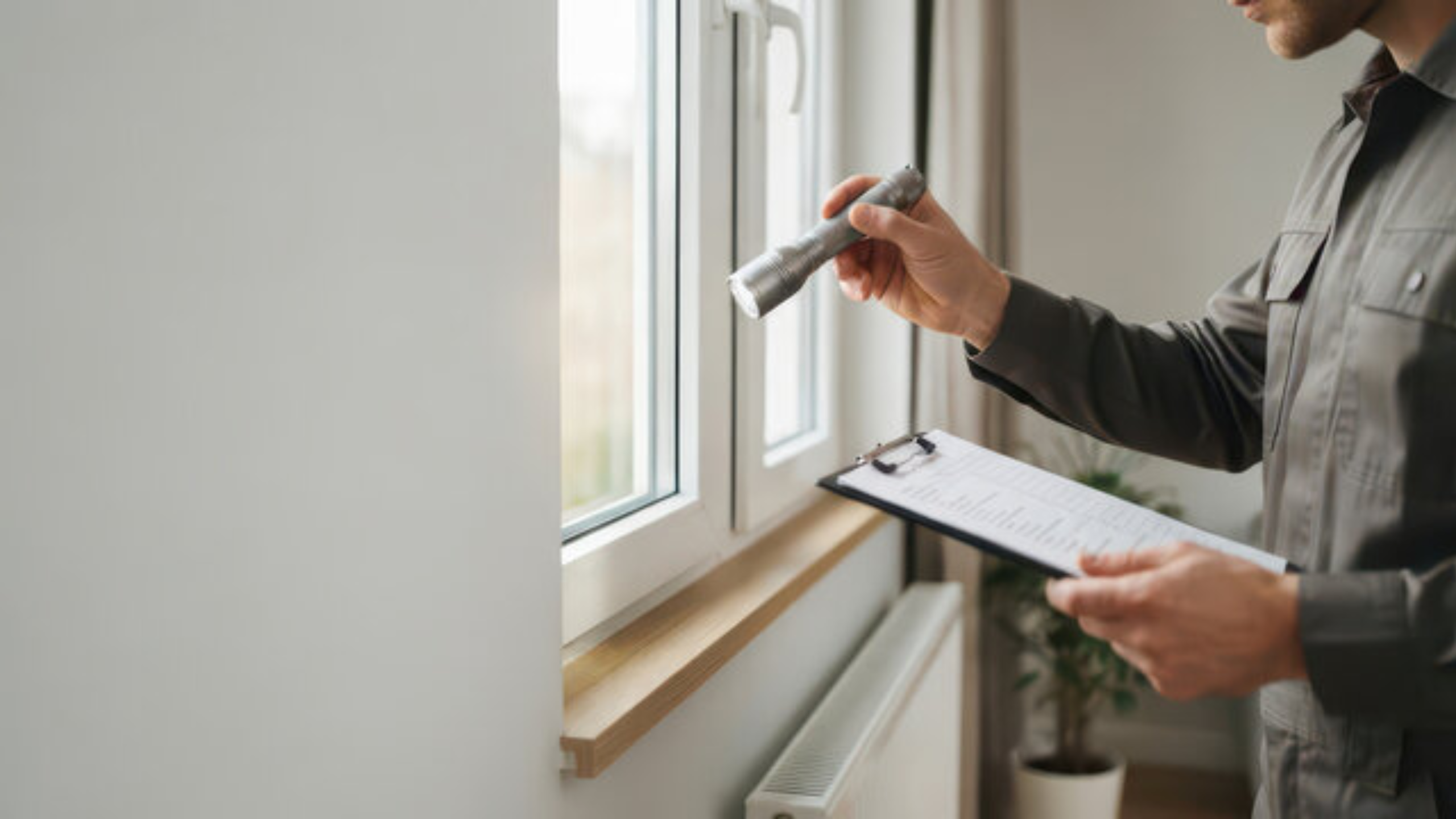
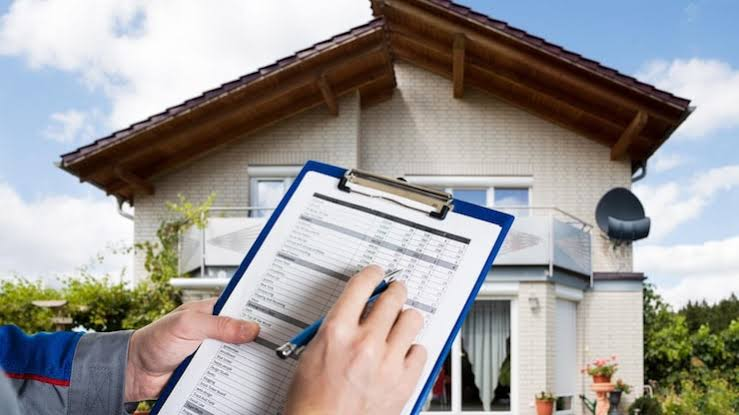
A home inspection walkthrough typically involves a systematic visual examination of accessible areas and major components of the property. The inspector looks for visible signs of damage, deterioration, safety concerns, and conditions that may require further evaluation.
When you attend, you may see the inspector examine areas such as:
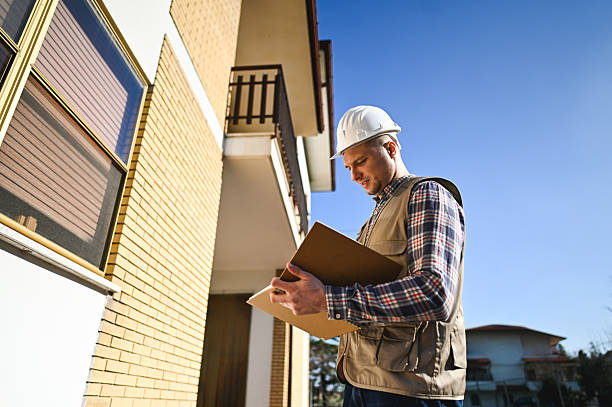
- Roof and visible roofing components
- Exterior walls, doors, and windows
- Foundation and structural components
- Attic and insulation
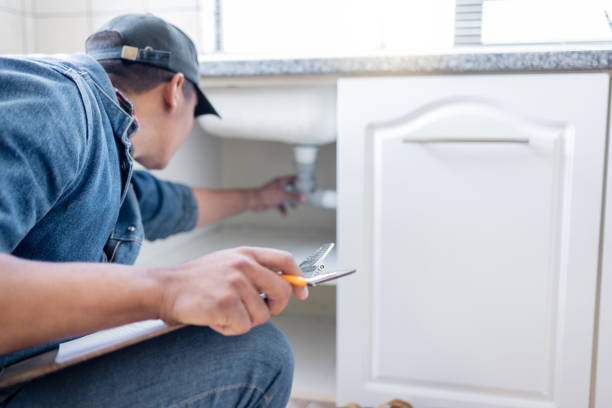
- Plumbing fixtures and visible pipes
- Electrical panels and accessible electrical components
- Heating and cooling systems
- Interior walls, ceilings, and floors
- Kitchens and bathrooms
- Garages and other accessible areas
You do not need to follow the inspector from room to room or interrupt the inspection. Instead, observe the process and save your questions for appropriate moments.
The goal is not to become an inspector yourself. The goal is to understand the property’s condition and learn about concerns that could affect your decision.
Benefits of Attending a Buyer Inspection
One of the biggest benefits of attending a buyer inspection is the opportunity to learn directly from the professional inspecting the property.
You Can See Problems Firsthand
Reading that an inspector found moisture staining or a plumbing concern is different from seeing the affected area yourself. When you are present, the inspector can show you what was observed and explain why it matters.
This can make technical information easier to understand and help you recognize the difference between a minor maintenance issue and a concern that may require professional repair.
You Can Ask Questions
An inspection can raise questions that may not come to mind when reading the completed report. Being present gives you an opportunity to ask about specific concerns while the inspector is already examining them.
Your home inspection questions might include:
- How serious is this issue?
- Does this component appear to be functioning properly?
- Is this a normal condition for a home of this age?
- Should this issue be repaired soon?
- Does this condition require evaluation by a specialist?
- What maintenance should I expect in the future?
Your inspector can explain observations and provide general guidance about conditions that may need additional attention.
You Can Learn About the Home
A home inspection can also be educational. You may learn where the main water shutoff is located, how certain systems are configured, or what maintenance areas deserve attention after you move in.
This knowledge can be useful even when the inspection reveals no major problems. Understanding your home’s systems can help you maintain the property more effectively.
You Can Better Understand the Inspection Report
The inspection report may contain technical terms, photographs, descriptions, and recommendations. Attending the inspection gives you context that can make the report easier to understand later.
For example, if the report references a concern with an attic component, you may already remember seeing the area and discussing it with the inspector. That familiarity can make it easier to review the report and determine which items deserve additional attention.
What Should You Ask During Your Inspection Appointment?
Your inspection appointment is an important opportunity to gather information about the property. You should feel comfortable asking reasonable questions, but remember that the inspector needs enough time and space to complete the examination.
It can help to prepare questions before arriving. Focus on the condition of major systems, visible defects, safety concerns, and maintenance needs.
Ask the inspector to explain anything you do not understand. You do not need to know technical terminology to participate effectively.
If an inspector identifies a potentially significant concern, ask whether additional evaluation by a qualified contractor or specialist may be appropriate. A home inspector can identify visible conditions, but certain issues may require specialized testing or repair expertise.
Should You Follow the Inspector Throughout the Inspection?
You can attend without staying directly beside the inspector throughout the entire process. In fact, giving the inspector room to work can help the inspection proceed efficiently.
A good approach is to observe from a safe distance and ask questions when the inspector is available. Some areas, such as roofs, crawl spaces, electrical equipment, or mechanical components, may also present safety concerns. Buyers should follow the inspector’s instructions and avoid entering areas that are not safe or accessible.
The purpose of attending is to learn, not to perform your own inspection.
What If the Inspection Finds Problems?
Finding problems during an inspection does not automatically mean you should walk away from the property. Most homes have some maintenance needs, especially older properties.
The important question is understanding the nature and significance of the findings.
Some issues may be relatively minor, such as worn components or routine maintenance needs. Other findings may warrant further evaluation, repair, replacement, or discussion with the seller.
Attending the inspection can help you understand these findings before making decisions about the property. Instead of simply seeing a list of concerns in a report, you can hear the inspector explain what was observed and why additional attention may be recommended.
Your real estate agent can then help you understand the options available to you within the terms of your purchase agreement.
When Should You Attend the Inspection?
Ideally, buyers should plan to attend the inspection appointment when their schedule allows. Set aside enough time so you do not feel rushed.
Home inspections can take several hours depending on the property’s size, age, condition, and accessibility. Your inspector or scheduling team can provide an estimated timeframe before the appointment.
If you cannot attend the entire inspection, ask whether you can attend part of it or meet with the inspector near the end for a walkthrough and discussion of significant findings.
The most important thing is to communicate in advance so the inspection can be completed efficiently.
Why Attending Matters for Lafayette Home Buyers
Homes in Lafayette can vary significantly in age, construction, design, and condition. Buyers may encounter properties with different roofing materials, foundation types, HVAC systems, plumbing configurations, and maintenance histories.
Attending your inspection gives you a better opportunity to understand the specific property you are considering.
A professional inspection does not guarantee that a home will never develop problems. Instead, it provides valuable information about visible conditions at the time of the inspection.
For buyers, that information can support better decisions and help identify areas that may need maintenance, repair, or additional evaluation.
How to Prepare for Your Home Inspection
A little preparation can make your inspection experience more useful. Review any available property information before the appointment and make a list of concerns you want to discuss.
Consider asking your inspector about major systems, visible damage, safety concerns, and maintenance requirements. Wear comfortable clothing and appropriate footwear if you plan to walk through accessible areas of the property.
Most importantly, come prepared to learn. The inspection is an opportunity to better understand the home before you take ownership.
Conclusion
Choosing to attend home inspection appointments can make the home-buying process more informative and less uncertain. You can see potential concerns firsthand, ask questions, understand major systems, and gain a clearer picture of the property’s condition.
A professional inspection is an important step for buyers who want to make informed decisions before purchasing a home. If you are planning a home inspection in Lafayette, LA, being present can help you get more value from the inspection experience.
Ready to schedule your inspection? Get in touch with Select Inspections to arrange a professional home inspection in Lafayette, LA and learn more about the property you are considering.
Frequently Asked Questions
1. Should I attend my home inspection?
Yes. When you attend home inspection appointments, you can observe the property firsthand, ask questions, and better understand the inspector’s findings. It can be especially valuable for first-time home buyers.
2. How long does a home inspection take?
The inspection time varies based on the size, age, condition, and features of the property. Your inspector can provide an estimated timeframe when scheduling the inspection appointment.
3. Can I ask questions during the inspection?
Yes. Asking home inspection questions is encouraged. Your inspector can explain observations and help you understand why certain conditions may require attention or further evaluation.
4. Should I follow the inspector around?
You can observe the inspection, but you should give the inspector enough space to work. Follow safety instructions and wait for appropriate opportunities to ask questions.
5. What happens if the inspection finds major problems?
Major findings may require further evaluation, repair, or discussion with your real estate agent. An inspection gives you information that can help you make a more informed decision about the property.