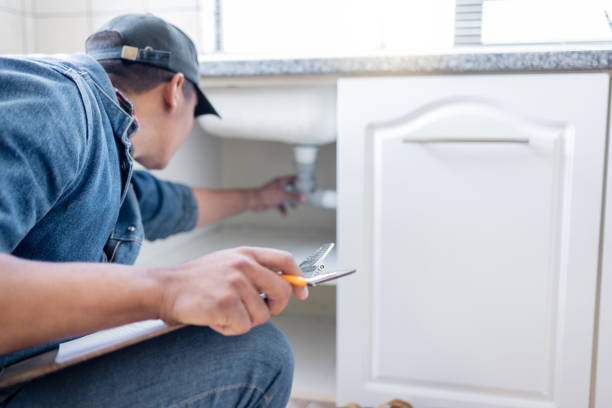
Buying a home is a major investment, so discovering problems during an inspection can feel stressful. However, when a home inspection finds problems, it does not automatically mean you should walk away from the property. An inspection gives buyers important information about the home’s current condition and allows them to make informed decisions before closing.
Inspection reports can identify everything from minor maintenance concerns to significant safety, structural, electrical, plumbing, roofing, or HVAC problems. The most important step is understanding which findings require immediate attention and which are normal for the age and condition of the home.
For home buyers in Lafayette, LA, Select Inspections provides professional inspection services that can help identify visible conditions and potential concerns before a purchase is finalized. Understanding what happens after the inspection can help you approach the next steps with greater confidence.
Review the Inspection Report Carefully
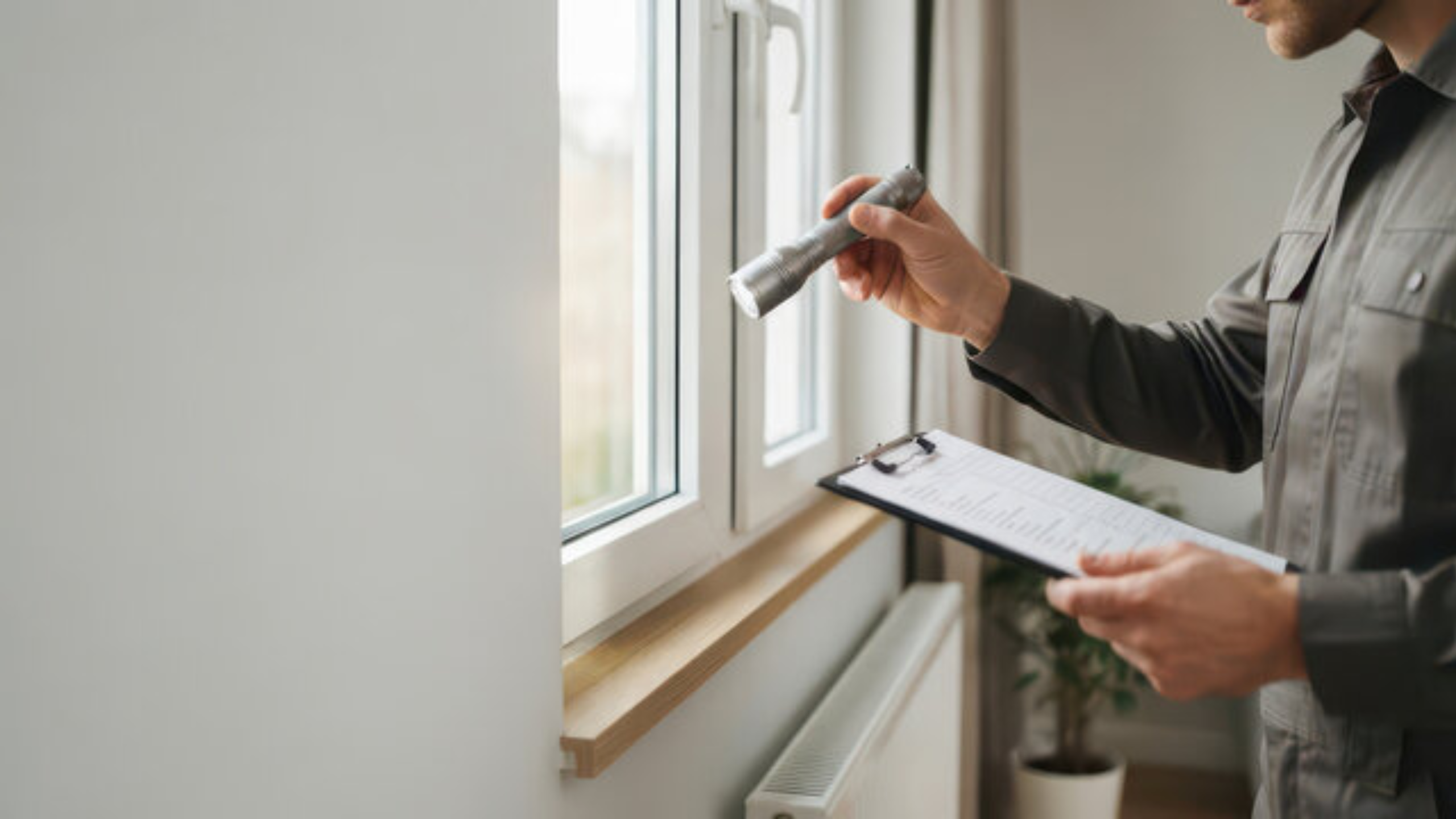
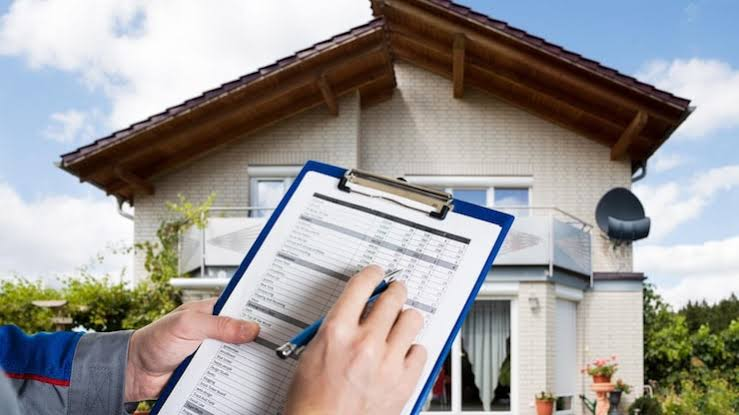
The first step after a home inspection finds problems is to review the complete inspection report. Instead of focusing only on how many issues were listed, pay attention to the type, severity, location, and potential consequences of each finding.
An inspection report may include observations involving the roof, foundation, attic, electrical system, plumbing, HVAC equipment, drainage, exterior, interior, and other accessible components.
Some findings may be recommendations for routine maintenance, while others may require further evaluation by a qualified professional. Reading the report carefully helps buyers understand the overall condition of the property rather than reacting to individual items without context.
Separate Major Problems From Minor Issues
Not every finding should have the same level of concern. Buyers should separate significant inspection issues from routine maintenance and cosmetic conditions.
Major concerns can include structural damage, substantial water intrusion, unsafe electrical conditions, serious roof defects, active plumbing leaks, or problems with essential home systems.
Minor findings may include damaged caulking, loose fixtures, cosmetic imperfections, worn components, or maintenance recommendations. These issues should still be documented, but they may not significantly affect the decision to purchase the home.
The purpose of the inspection is not to find a perfect property. Most homes have some defects or maintenance needs. The goal is to understand the condition of the property and determine whether the findings are acceptable to you.
Determine Whether Further Evaluation Is Needed
Some inspection findings cannot be fully evaluated during a general home inspection. In these situations, the inspector may recommend additional assessment by an appropriate specialist.
For example, a structural concern may require evaluation by a structural engineer. A suspected electrical problem may need assessment by a licensed electrician, while a significant plumbing concern may require a licensed plumber.
Further evaluation can help determine the cause, severity, repair requirements, and potential cost associated with a problem.
Buyers should avoid assuming that an inspection comment automatically means an expensive repair is necessary. At the same time, significant findings should not be ignored simply because the exact repair cost is unknown.
Obtaining additional information allows you to make decisions based on the actual condition of the property.
Prioritize the Most Important Repairs
Once the findings have been reviewed, determine which home inspection repairs are most important.
Safety-related and structural problems generally deserve priority. Issues involving the foundation, roof, electrical system, plumbing, water intrusion, or major home systems may have a greater effect on the property’s value, safety, and future maintenance requirements.
The age of the home and its components should also be considered. An older roof, HVAC system, water heater, or other component may be approaching the end of its expected service life without necessarily being defective.
A buyer should consider whether the component is currently functioning, whether there are signs of deterioration, and whether replacement may be needed in the future.
Discuss the Findings With Your Real Estate Agent
After reviewing the inspection report, discuss the findings with your real estate agent. Your agent can help you understand the options available under the terms of your purchase agreement and explain how inspection-related negotiations are normally handled.
Your agent can also help determine which findings are reasonable to bring to the seller’s attention and how to structure a repair request or other proposal.
The inspection report provides the condition information, while your real estate professional can help you navigate the transaction and negotiation process.
Request Repairs From the Seller
One option after an inspection is asking the seller to address specific problems before closing.
Buyers should generally focus repair requests on significant conditions rather than requesting that every item in the report be corrected. Sellers may be more receptive to reasonable requests involving safety concerns, major defects, or problems that affect important home systems.
For example, a buyer may request correction of a significant plumbing leak, unsafe electrical condition, or serious roof defect.
When requesting repairs, it can be helpful to provide documentation from the inspection report and, when appropriate, estimates from qualified contractors.
The seller may agree to complete the repairs, agree to some requests, reject the requests, or propose another solution.
Negotiate a Seller Credit or Price Adjustment
Repairs are not the only way to address inspection findings. Depending on the transaction and purchase agreement, buyers may also negotiate a seller credit or purchase price adjustment.
A seller credit may allow the buyer to handle certain repairs after closing. This can be useful when the buyer wants to select the contractor or when completing the work before closing is difficult.
A purchase price adjustment can reduce the amount paid for the property, although buyers should understand that a lower purchase price does not necessarily provide enough funds to cover a particular repair.
The best solution depends on the severity of the issue, estimated repair costs, financing requirements, contract terms, and willingness of both parties to negotiate.
Understand Inspection Negotiations
Inspection negotiations are not always about getting the seller to fix every problem identified in the report.
A seller may consider some findings to be normal wear and tear, routine maintenance, or conditions that were already reflected in the agreed purchase price. For example, an older component that remains functional may not be considered a defect requiring replacement.
Buyers should focus on significant property defects that could affect safety, function, or the financial decision to purchase the home.
Reasonable requests supported by inspection findings or professional estimates can provide a stronger basis for negotiation.
Decide Whether to Proceed With the Purchase
After reviewing the report and discussing possible solutions with the seller, the buyer must decide whether to continue with the purchase.
Consider the property’s purchase price, immediate repair requirements, future maintenance costs, condition of major systems, and your overall budget.
Some buyers may feel comfortable proceeding after negotiating repairs or credits. Others may determine that the property’s condition creates too much financial uncertainty or requires more work than they are prepared to handle.
A home does not need to be free from every defect to be a good purchase. The important consideration is whether you understand the property’s condition and are comfortable accepting the associated responsibilities and costs.
Do Not Ignore Serious Property Defects
While many inspection findings are manageable, serious property defects should receive careful attention.
Structural concerns, significant water intrusion, major roof problems, unsafe electrical conditions, and substantial plumbing defects can become expensive if they are not properly addressed.
If the inspection identifies a potentially serious condition, obtain additional information from an appropriate specialist before making a final decision.
This is particularly important when the issue involves an area that cannot be fully evaluated during a general inspection. Additional testing or specialized evaluation may help determine the actual scope of the problem.
What Buyers Should Do After an Inspection
When a home inspection finds problems, buyers should follow a logical process instead of making an immediate decision based on emotion.
First, review the inspection report carefully and identify the most significant findings. Next, determine whether any issue requires additional evaluation or a contractor estimate.
Then, discuss your options with your real estate agent. Depending on the circumstances, you may request repairs, negotiate a seller credit, request a price adjustment, or decide to proceed without requesting changes.
Finally, consider whether the home’s condition still fits your budget and expectations.
The inspection is a tool that helps you make a more informed decision. It does not determine whether you should buy the property.
Conclusion
When a home inspection finds problems, there is no need to panic. Inspection findings give buyers valuable information about the condition of a property before completing one of the largest financial transactions of their lives.
Review the report carefully, separate significant inspection issues from routine maintenance, and obtain additional evaluations when necessary. You can then work with your real estate agent to discuss home inspection repairs, seller credits, price adjustments, or other inspection negotiations.
Understanding property defects before closing allows you to make a decision based on the actual condition of the home rather than assumptions. Whether you proceed with the purchase, negotiate with the seller, or reconsider the property, a professional inspection gives you information that can help you move forward with greater confidence.
If you are buying a home in Lafayette, LA, Select Inspections can help you understand the condition of the property before you make your final decision. Contact us today to schedule your home inspection and take the next step with confidence.
Frequently Asked Questions
1. What should I do when a home inspection finds problems?
Review the inspection report, prioritize significant findings, and determine whether additional evaluation is needed. Then discuss repair requests, seller credits, price adjustments, or other options with your real estate agent.
2. Does the seller have to fix problems found during a home inspection?
Not necessarily. Whether a seller agrees to repairs depends on the purchase agreement, the circumstances of the transaction, and negotiations between the buyer and seller.
3. What inspection issues should buyers prioritize?
Buyers should generally prioritize safety hazards, structural concerns, significant water intrusion, major roof defects, electrical hazards, plumbing problems, and defects affecting essential home systems.
4. Can I negotiate the price after a home inspection?
Depending on the purchase agreement and negotiations with the seller, a buyer may be able to request a purchase price adjustment, seller credit, repairs, or another solution for significant inspection findings.
5. Should I ask the seller to fix everything in the inspection report?
No. Inspection reports can contain routine maintenance recommendations and minor cosmetic findings. Buyers should generally focus their home inspection repairs requests on significant issues that affect safety, function, or the condition of the property.