Buying a home is a major investment, and a professional inspection is an important step before closing. If you are purchasing a property in Lafayette, LA, you may be wondering, how long does a home inspection take?
Most residential home inspections take between two and four hours. However, the exact home inspection duration can vary depending on the size, age, condition, accessibility, and features of the property.
Understanding the expected house inspection time can help home buyers plan their inspection appointment and make sure they have enough time to review important findings with the inspector.
How Long Does a Home Inspection Take?
A typical home inspection takes approximately two to four hours. Smaller homes that are newer and well maintained may require less time, while larger, older, or more complex properties may take longer to inspect thoroughly.
The purpose of an inspection is not to move through the property as quickly as possible. A professional inspector needs sufficient time to evaluate accessible components and identify visible conditions that could affect the home’s safety, function, maintenance, or future repair needs.
A residential inspection may cover major areas and systems throughout the property, including the roof, exterior, foundation, electrical system, plumbing, HVAC system, attic, interior areas, and other accessible components.
What Is Included During the Inspection Time?
The residential inspection time covers more than simply walking through the rooms of a home. A professional inspection involves evaluating multiple components and systems throughout the property.
Roof and Exterior
The inspector evaluates accessible roofing components, flashing, vents, exterior surfaces, drainage, and other visible areas. Lafayette homes can experience rain, humidity, and storms, making the condition of the roof and exterior important considerations for buyers.
Foundation and Structure
Visible and accessible structural components are evaluated for signs of movement, settlement, deterioration, or other conditions. The home’s age, construction, and visible foundation conditions can influence the amount of time required.
Electrical System
The electrical system is reviewed for visible safety concerns. This can include the electrical panel, accessible wiring, outlets, switches, and other accessible electrical components.
Plumbing
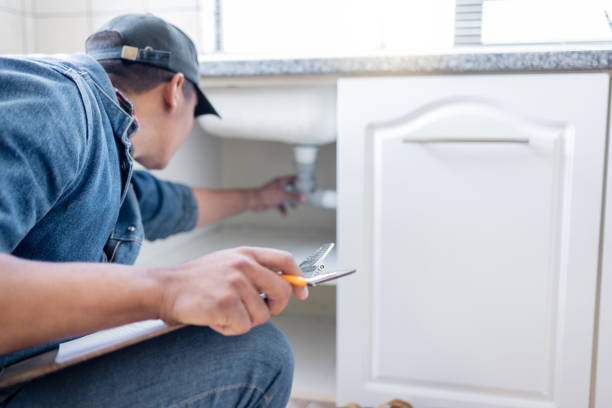
The inspection includes accessible plumbing fixtures, supply lines, drainage components, water heaters, and visible indications of leaks or water damage.
HVAC System
Heating and cooling systems are important components of a Lafayette home. Accessible HVAC equipment is evaluated and operated where appropriate and possible. The number of systems and their accessibility can affect the overall inspection time.
Attic and Interior Areas
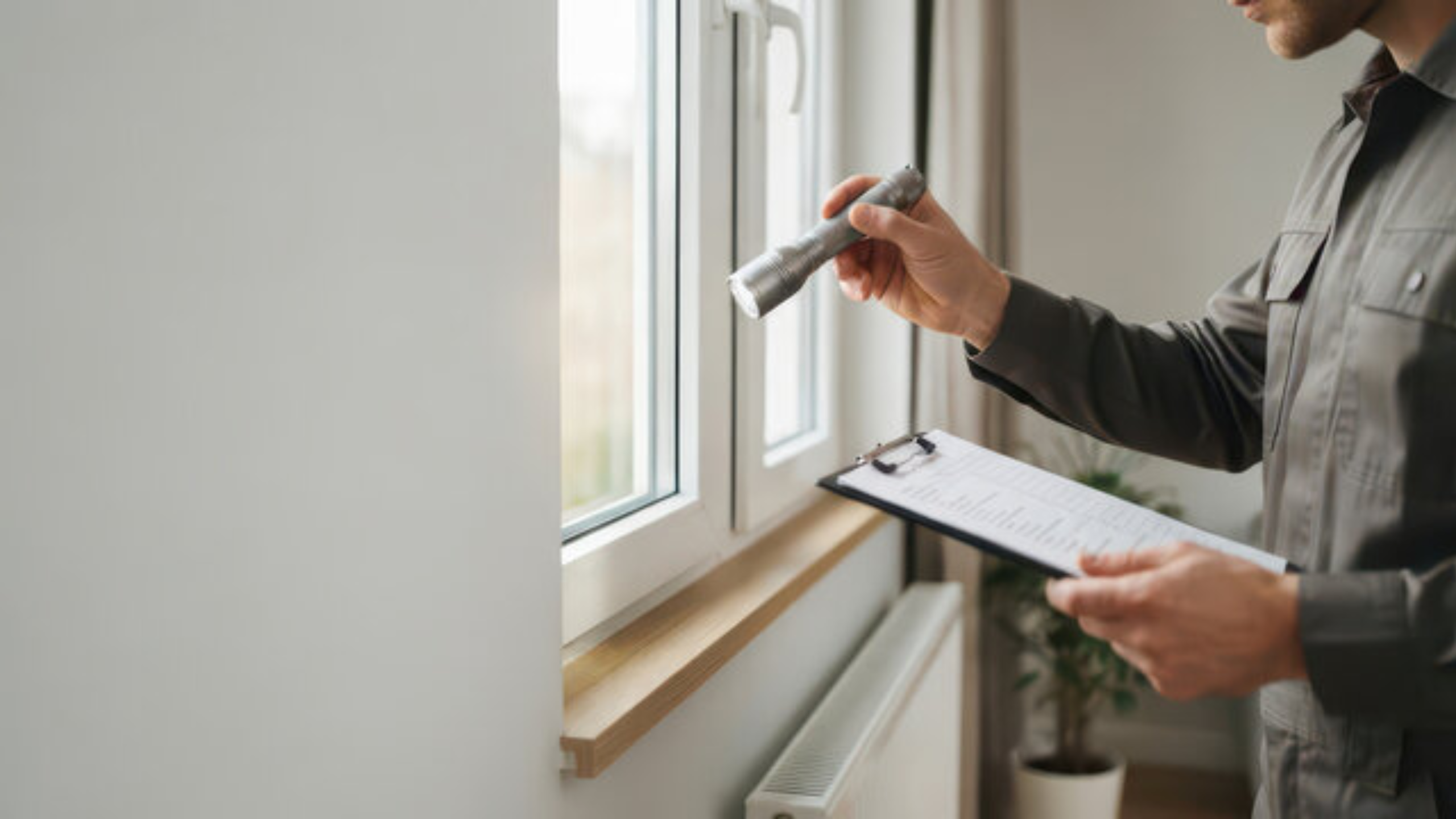
The inspector also evaluates accessible attic areas, ceilings, walls, floors, doors, windows, stairs, and other interior components. The condition and accessibility of these areas can affect the total inspection duration.
What Factors Affect Home Inspection Duration?
The answer to how long does a home inspection take depends on several factors. Two properties of the same size can require different amounts of time because their ages, conditions, layouts, and features may differ.
1. Size of the Property
The size of the home is one of the main factors affecting inspection duration. A smaller property generally has fewer rooms, systems, and components to evaluate.
A larger home may have multiple HVAC systems, additional bathrooms, larger attic or crawlspace areas, and more electrical and plumbing components. These factors can increase the house inspection time.
2. Age of the Home
Older properties can require more inspection time because they may have aging systems, older construction materials, previous repairs, or components that need closer evaluation.
For buyers considering an older Lafayette property, additional time may be needed to evaluate visible plumbing, electrical, roofing, structural, and other conditions.
3. Condition of the Property
The overall condition of the property can also affect inspection duration. A well-maintained home may allow the inspector to move through the inspection efficiently.
A property with visible water damage, damaged components, maintenance concerns, or other conditions may require additional time to document findings and evaluate accessible areas.
4. Accessibility
Inspectors need reasonable access to the components and areas included within the inspection scope. If an attic, crawlspace, electrical panel, water heater, or mechanical equipment is blocked by stored belongings or other obstacles, the inspection may take longer.
Preparing the property before the inspection appointment can help the process run more smoothly.
5. Property Features
Additional property features can increase the amount of time required. These may include multiple HVAC systems, pools, detached structures, fireplaces, extensive attic areas, crawlspaces, or other property-specific components.
Additional inspection services may also require separate appointments or additional time depending on the property.
Should Buyers Attend the Home Inspection?
Home buyers are encouraged to attend the inspection when possible. You do not necessarily need to follow the inspector throughout the entire inspection, but being present can help you better understand the property’s condition.
A summary walkthrough can give buyers an opportunity to review important findings and ask questions about the home’s systems and maintenance needs.
For first-time buyers, attending the inspection can also be an educational experience. It can help you understand how major systems work and which conditions may require attention after purchasing the property.
How Should Buyers Prepare for the Inspection?
Buyers should coordinate with their real estate agent and inspector to make sure the property is ready for the scheduled inspection.
Utilities such as electricity, water, and gas should generally be available so applicable systems can be evaluated. Areas requiring inspection should also be reasonably accessible.
If you are the buyer, allow enough time for the complete inspection. Avoid scheduling another important appointment immediately afterward because the exact home inspection duration can vary depending on the property.
It can also be helpful to prepare questions before the inspection. Buyers may want to ask about major systems, visible maintenance concerns, or findings that may require further evaluation.
Does a Longer Inspection Mean Something Is Wrong?
Not necessarily. A longer inspection does not automatically mean that a home has serious problems.
Inspection time can increase because of the home’s size, age, layout, accessibility, or number of systems. An older or larger property may simply require more time to inspect thoroughly.
The goal of a professional inspection is to provide useful information about the visible and accessible condition of the property. The inspector documents relevant findings so buyers can make informed decisions.
When Will You Receive the Inspection Report?
The inspection and the inspection report are separate parts of the process. After completing the inspection, the inspector organizes the findings into a written report that can include descriptions and photographs.
The report gives buyers an opportunity to review documented conditions and discuss important findings with their real estate agent.
Receiving the report promptly can be particularly helpful when a purchase contract has a limited inspection or due diligence period.
Why a Thorough Inspection Is Worth the Time
A home inspection is an important opportunity for buyers to understand the property they are considering purchasing.
Spending two to four hours on a professional inspection can help identify visible concerns involving the roof, foundation, plumbing, electrical system, HVAC system, attic, and other accessible components.
The inspection can also provide useful information about maintenance needs that may not be obvious during a standard home showing.
For buyers in Lafayette, understanding the property’s condition before closing can help reduce unexpected surprises and provide valuable information for making a purchasing decision.
Conclusion
So, how long does a home inspection take in Lafayette, LA? Most residential inspections take approximately two to four hours, although the exact time depends on the home’s size, age, condition, accessibility, and features.
A thorough inspection should not be rushed. Giving the inspector enough time to evaluate the property’s major systems can help buyers understand potential concerns before completing their purchase.
If you are buying a home in Lafayette, LA, Select Inspections can help you understand the condition of the property through a professional residential inspection.
Get in touch with Select Inspections today to schedule your home inspection and learn more about the inspection process.
Frequently Asked Questions
1. How long does a home inspection take in Lafayette, LA?
Most residential home inspections take approximately two to four hours. The exact duration depends on the property’s size, age, condition, accessibility, and features.
2. Can a home inspection take longer than four hours?
Yes. Larger, older, or more complex properties may require additional time for the inspector to evaluate accessible systems and components thoroughly.
3. Should I attend my home inspection?
Yes. Buyers are encouraged to attend when possible. Being present can help you understand the property’s condition and ask questions about important findings.
4. What can make a home inspection take longer?
Property size, age, condition, accessibility, multiple HVAC systems, additional structures, and other property-specific features can all affect the inspection duration.
5. When should I schedule my inspection?
You should schedule your inspection as early as practical within the inspection period specified in your purchase agreement. This gives you enough time to review the report and address important findings.
6. Does a longer inspection mean the house has serious problems?
No. A longer inspection does not automatically indicate serious problems. Larger homes, older properties, and homes with more systems can naturally require more inspection time.