Buying a home is a major decision, and understanding the property’s condition before closing can help you make that decision with greater confidence. A residential home inspection Lafayette LA gives buyers an objective look at the home’s accessible and visible systems, components, and conditions.
A professional inspection is not simply a quick walkthrough. It follows a structured home inspection process that evaluates important areas such as the roof, foundation, electrical system, plumbing, heating and cooling equipment, attic, and other visible components.
For buyers in Lafayette, local conditions also matter. Humidity, heavy rainfall, storm exposure, moisture intrusion, and soil movement can affect residential properties. Knowing what an inspector evaluates can help you understand the purpose of the inspection and what to expect on inspection day.
What Is a Residential Home Inspection?
A residential home inspection is a visual, non-invasive evaluation of accessible areas and major systems within a home. The purpose is to document the property’s condition at the time of the inspection and identify visible concerns that may require maintenance, repair, or further evaluation.
A home inspection is not a pass-or-fail examination. Instead, the inspector provides information that can help buyers understand the property before completing the purchase.
Professional residential inspection services may be useful for buyers, sellers, homeowners, and investors. For a buyer, the inspection can provide important information before closing. For a seller, a pre-listing inspection can identify issues that may need attention before putting the property on the market.
What Happens During the Home Inspection Process?
The home inspection process generally follows several stages.
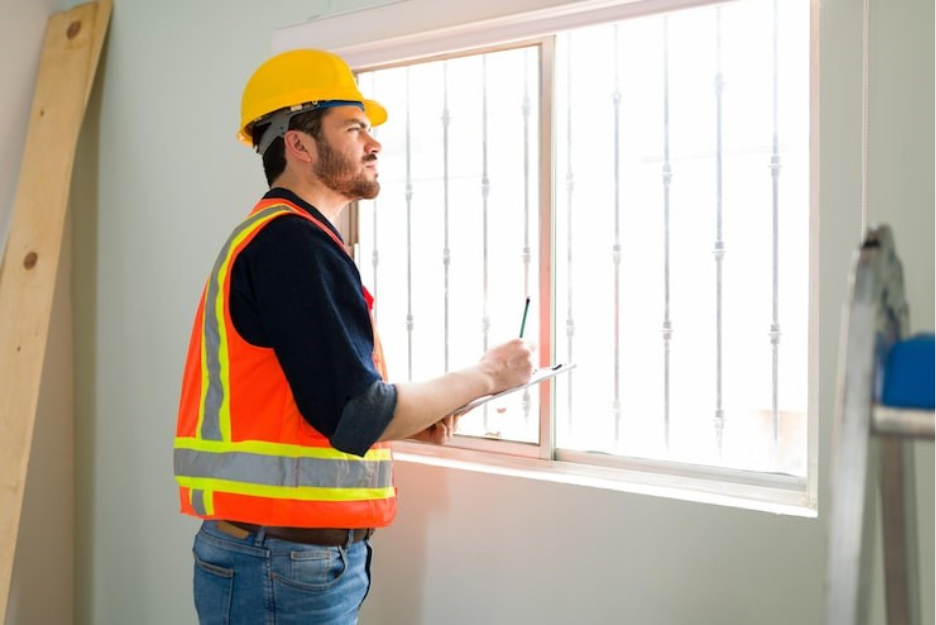
First, the inspection is scheduled based on the property, transaction timeline, and availability. Buyers may attend the inspection, which can be helpful because they can see findings firsthand and ask questions.
During the inspection, the inspector works through the accessible areas of the property and evaluates major systems and components. The length of an inspection can vary depending on the home’s size, age, condition, and complexity.
After the inspection, the findings are organized into a detailed report. The report can include descriptions, photographs, and information about observed conditions. Buyers can then review the findings and discuss questions or concerns with their real estate professional and inspector.
The goal is to give you a clearer understanding of the property rather than leave you guessing about what the findings mean.
Major Areas Evaluated During a Residential Inspection
A thorough residential house inspection covers many parts of a property. The exact scope can vary based on the property and accessibility, but several major areas are commonly evaluated.
1. Roof and Exterior
The roof is an important part of the inspection because it protects the home from rain, wind, heat, and other environmental conditions.
Inspectors may evaluate visible roofing materials, flashing, vents, skylights, chimneys, gutters, and other accessible components. They look for visible signs of damage, deterioration, improper installation, or conditions that could contribute to water intrusion.
Exterior areas may also include visible siding, doors, windows, drainage, and other components around the home.
2. Foundation and Structural Components
The foundation and structure support the entire property, making them important parts of a residential inspection.
Inspectors look for visible signs of movement, settlement, cracking, moisture concerns, or other conditions affecting accessible structural components. In Lafayette, soil and drainage conditions can make it especially important to understand visible foundation and structural conditions.
An inspector can document observed concerns and recommend further evaluation when a condition falls outside the scope of a standard inspection.
3. Heating and Cooling Systems
Heating and cooling equipment plays an important role in indoor comfort, particularly in Louisiana’s climate.
During an inspection, the inspector evaluates the accessible components of the HVAC system and operates equipment using normal controls when conditions allow. This may include observing heating and cooling performance, condensate drainage, filters, and accessible ductwork or insulation.
The inspection is intended to identify visible or observable concerns, not provide the same level of evaluation as a specialized HVAC service.
4. Electrical System
Electrical problems can create safety concerns, so the electrical system is another major part of the inspection.
Residential building inspectors may evaluate accessible electrical components such as the main electrical panel, breakers, visible wiring, grounding, outlets, switches, and certain safety devices.
Inspectors may also check for conditions such as damaged components, improper wiring, or missing protection where applicable. The inspection helps identify observable electrical concerns that may require correction or evaluation by a qualified electrician.
5. Plumbing System
Plumbing problems can lead to leaks, water damage, and expensive repairs if they are not identified.
During a residential inspection, accessible supply lines, drain components, fixtures, water heaters, and other visible plumbing components may be evaluated. Inspectors may operate fixtures and observe water flow and drainage where conditions permit.
The inspection can help identify visible leaks, damaged components, drainage concerns, or other conditions that deserve attention.
6. Attic and Insulation
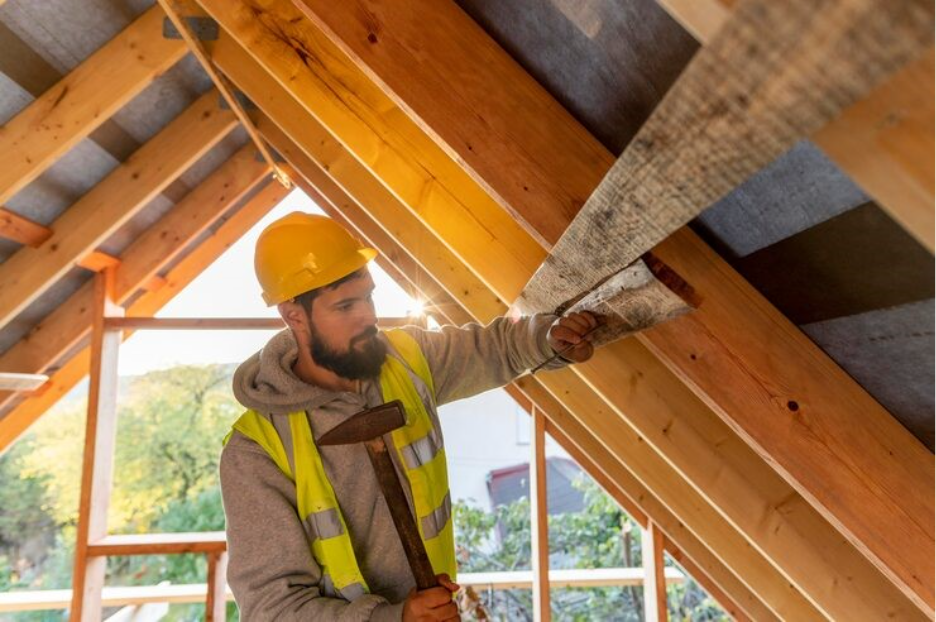
The attic can provide valuable information about the home’s condition.
Inspectors may evaluate accessible insulation, ventilation, the underside of the roof structure, and visible signs of moisture intrusion. Poor ventilation or moisture can contribute to deterioration and other problems over time.
The attic can also reveal issues that are not immediately visible from the living areas of the home.
7. Interior Areas
The interior inspection includes accessible areas such as walls, ceilings, floors, windows, doors, stairs, and other visible components.
Inspectors look for signs of damage, moisture, deterioration, safety concerns, or functional problems. They may operate accessible doors, windows, fixtures, and other components to observe their general condition.
These observations help create a broader picture of the home’s condition.
What a Home Inspection Does Not Mean
It is important to understand the limits of a residential inspection. A standard inspection is generally a visual assessment of accessible areas. Inspectors cannot see through walls, floors, or other concealed areas without specialized procedures or authorization.
An inspection also does not guarantee that every possible defect will be discovered. Some issues may be hidden, intermittent, inaccessible, or outside the standard inspection scope.
When an inspector identifies a condition that requires specialized knowledge, additional testing or evaluation may be recommended. Examples can include certain structural, environmental, pest, electrical, plumbing, or HVAC concerns.
What Happens After the Inspection?
Once the inspection is complete, the report becomes an important reference for understanding the property.
Do not assume that every item in a report represents a major problem. Inspection reports can contain routine maintenance recommendations, minor defects, safety concerns, and conditions that may require more immediate attention.
Review the findings carefully and focus on conditions that affect safety, structure, water intrusion, major systems, or future repair needs. If additional evaluation is recommended, consider consulting the appropriate qualified professional.
For buyers, the inspection findings may also help with discussions about repairs or other terms during the transaction. Your real estate professional can explain what options may be available under your purchase agreement.
Why Choose Professional Residential Inspection Services?
A professional inspection provides an objective assessment that can make a complicated property decision easier to understand. Experienced residential building inspectors know what to look for across major home systems and can document findings in an organized report.
Select Inspection provides residential inspection services for buyers, sellers, homeowners, and investors in Lafayette and surrounding communities. The company focuses on clear reporting and an education-first approach so clients can better understand the condition of their property.
For homeowners and buyers, the value of an inspection is not simply finding problems. It is gaining useful information about the property before making important decisions.
Conclusion
A residential home inspection Lafayette LA gives you a clearer picture of a property’s visible and accessible condition. From the roof and foundation to HVAC, electrical, plumbing, attic, and interior areas, the inspection provides valuable information about systems that can affect safety, comfort, maintenance, and future costs.
Understanding the home inspection process can make the experience less stressful and help you know what to expect. Whether you are buying a home, preparing to sell, or simply want to understand the condition of your property, a professional inspection can provide useful insight and support better decisions.
Select Inspection is ready to help Lafayette homeowners and buyers understand their properties with thorough, professional residential inspection services.
Frequently Asked Questions
1. What does a residential home inspection include?
A residential home inspection typically evaluates accessible and visible components of the home, including the roof, foundation, structure, HVAC, electrical, plumbing, attic, and interior areas.
2. How long does a residential home inspection take?
The inspection time depends on the home’s size, age, condition, and complexity. A thorough inspection may take several hours to complete.
3. Should I attend the home inspection?
Buyers can benefit from attending because they can observe the inspection, ask questions, and better understand the property’s condition and maintenance needs.
4. Is a home inspection required for every home purchase?
A home inspection is not necessarily required for every purchase, but it is an important step for many buyers because it provides an independent assessment of the property’s condition before closing.
5. What happens after the residential inspection?
After the inspection, you receive a detailed report describing observed conditions and concerns. Buyers can review the findings and discuss repairs, additional evaluations, or other next steps with their real estate professional.