Windows are an important part of a home’s overall condition. They provide natural light, ventilation, outdoor views, and protection from changing weather conditions. However, windows can develop problems over time due to age, regular use, poor installation, moisture exposure, or a lack of maintenance. For home buyers, understanding these issues before closing can help prevent unexpected repair expenses.
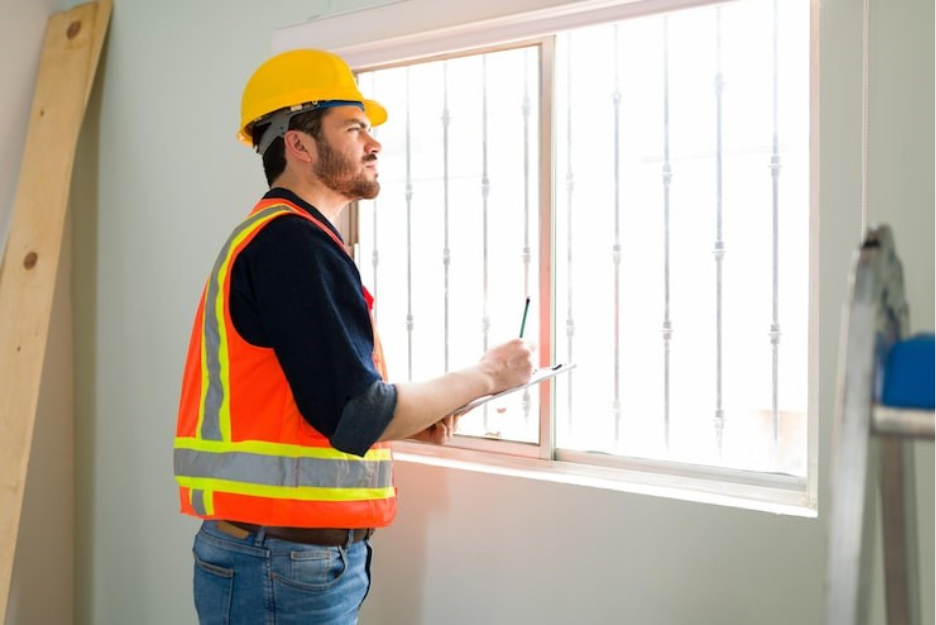
During a professional window inspection, inspectors examine the visible condition and basic operation of windows throughout the property. They check whether windows open and close properly, identify signs of physical damage, examine accessible seals, and note potential safety concerns. These observations help buyers understand whether the windows appear to be functioning as intended or require further attention.
A home inspection does not involve dismantling window assemblies or testing every component under laboratory conditions. Instead, it provides a visual assessment of accessible areas and identifies conditions that may affect the home’s performance, safety, and maintenance needs.
Why Window Inspections Matter When Buying a Home
Windows experience regular exposure to sunlight, rain, wind, temperature changes, and everyday use. Over time, these factors can affect frames, hardware, glazing, seals, and surrounding materials. Even when windows appear attractive from a distance, certain defects may become noticeable only when an inspector operates against them or examines their components closely.
For home buyers, a home window inspection helps identify concerns that may otherwise go unnoticed during property viewing. A window that does not open properly could affect ventilation and emergency access. Damaged frames may allow moisture to enter, while deteriorated weatherstripping can contribute to air leakage.
The condition of the windows can also provide useful information about the property’s maintenance history. Worn hardware, damaged finishes, and recurring moisture marks may indicate that certain components need repair or closer evaluation.
Identifying these concerns before closing gives buyers a clearer understanding of the property’s condition. It also helps them discuss significant findings with their real estate agent and determine whether additional evaluation or repairs should be considered.
1. Checking Window Operation and Functionality
One of the first steps in a residential window inspection is checking how accessible windows operate. Inspectors generally examine whether windows open and close without unusual resistance and whether their basic operating mechanisms appear functional.
Different window styles have different operating systems. Double-hung windows move vertically, sliding windows move horizontally, and casement windows operate using hinges and a crank mechanism. Inspectors consider the design when checking basic operations.
A window that sticks, jams, or refuses to open may have damaged hardware, alignment problems, swollen frames, or accumulated debris in its tracks. Difficulty closing a window can also indicate that its locking mechanism or frame requires attention.
Inspectors may check for accessible locks, handles, cranks, and other operating components. They also observe whether the window remains in its intended position when opened, where applicable.
Proper operation matters for several reasons. Windows should provide reasonable ventilation, close securely, and function as intended. If a bedroom window is difficult to open, it may also raise concerns about emergency escape access.
Not every operating issue indicates a major defect. Some problems may involve simple adjustments or routine maintenance. However, documenting the condition helps buyers understand which windows may need attention after purchasing.
2. Identifying Visible Window Damage
Physical damage is another important part of a window inspection. Inspectors examine accessible window components for cracks, deterioration, missing materials, and signs of improper installation.
The glass is checked for visible cracks, chips, broken sections, and other damage. Even a small crack deserves attention because it may spread or affect the safety and performance of the window.
Frames are also examined closely. Depending on the material, inspectors may notice peeling paint, cracked vinyl, deteriorated wood, corrosion, or damage around joints and corners. These conditions can affect the window’s durability and may allow moisture to reach surrounding materials.
Wooden frames deserve particular attention because prolonged moisture exposure can lead to decay. Soft or damaged wood near the sill or lower frame may indicate a maintenance problem or water intrusion.
Inspectors also examine visible trims and surrounding areas for gaps, separation, and signs of deterioration. Damage around the window opening may indicate that the installation or exterior protection needs further evaluation.
The purpose is not simply to identify cosmetic imperfections. Inspectors distinguish between ordinary wear and conditions that may affect performance, durability, or safety. Their observations help buyers understand the potential importance of findings.
3. Examining Seals and Weatherstripping
Window seals and weatherstripping help limit unwanted air movement and protect the interior from outside moisture. When these materials deteriorate, windows may become less effective at maintaining comfortable indoor conditions.
During a home window inspection, inspectors examine accessible weatherstripping and visible sealant around window frames. They look for missing sections, loose materials, cracks, gaps, and signs of deterioration.
Weatherstripping is commonly installed around movable window sections. Its purpose is to create a closer fit when the window is closed. If it becomes worn, compressed, or damaged, air may pass through gaps around the sash.
Exterior caulking is another area of inspectors to consider. Deteriorated or missing sealant around the window perimeter can create opportunities for water intrusion, particularly during heavy rainfall.
Inspectors may also observe staining, peeling finishes, or moisture-related damage near window openings. These signs do not automatically confirm an active leak, but they can indicate that the area requires attention.
It is important to understand that a standard home inspection is generally a visual assessment. Inspectors do not normally remove sealed window units or perform destructive testing to examine concealed seals. If there are signs of a more serious problem, further evaluation by a qualified window contractor may be recommended.
4. Evaluating Window Safety and Security
Window safety is an important consideration for families, particularly those with children or older adults. Inspectors examine visible safety-related components and note conditions that could create potential hazards.
Locks and latches are checked for apparent damage and basic functionality. A window that cannot close or lock properly may create a security concern. Lose handles, broken hardware, and damaged operating mechanisms may also affect safe use.
Inspectors pay attention to damaged glass because broken or cracked glazing can create injury risks. They may also observe whether accessible windows have visible safety features where applicable.
Another consideration is emergency access. Certain bedroom windows may serve as emergency escape openings, depending on the property’s design and applicable requirements. If an accessible window appears blocked, difficult to operate, or unusually restricted, the inspector may document the condition.
However, a general home inspection should not be confused with a formal code-compliance assessment. Specific emergency escape requirements depend on factors such as the building’s age, local regulations, and applicable standards.
Child safety is also worth considering. Window opening limitations, accessible operating hardware, and nearby fall hazards may deserve additional attention, especially in homes with elevated windows or second-story rooms.
5. Reviewing Window Installation and Overall Condition
The condition of a window depends partly on how well it was installed and how it has been maintained. Inspectors examine visible installation details to identify concerns that may affect the window’s long-term performance.
They may observe whether frames appear reasonably aligned, whether visible gaps exist around the opening, and whether trim is properly secured. Signs of movement, separation, or uneven installation may indicate a need for further assessment.
The surrounding wall surfaces also provide useful information. Staining, bubbling paint, damaged drywall, or deteriorated exterior materials near a window can suggest previous or ongoing moisture problems.
Age is another factor. Older windows are not necessarily defective, but their materials and hardware may show more wear. Buyers should consider the condition of the individual components rather than if every older window requires replacement.
At Select Inspections, residential buyer inspections are intended to help purchasers understand the condition of a property before closing. The inspection process includes evaluating accessible components and documenting defects that may require attention. Window observations form part of the broader assessment of the home’s visible condition.
A detailed report can help buyers distinguish between maintenance concerns, functional problems, and conditions that may warrant further professional evaluation.
6. Understanding Window Inspection Findings
After examining the windows, inspectors document their observations in the inspection report. The report helps buyers understand which conditions were identified and whether further action may be appropriate.
For example, a window that sticks during operation may require adjustment or hardware repair. A cracked pane may need replacement by a qualified glazing professional. Deteriorated exterior sealant may require attention to reduce the risk of moisture entry.
More significant findings may include extensive frame deterioration, repeated signs of water intrusion, or windows that do not operate as intended. These conditions may justify further evaluation before the purchase is finalized.
Buyers should remember that not every observation requires immediate replacement. Some issues involve routine maintenance, while others may require specialized repairs. The appropriate response depends on the severity, location, and likely cause of the problem.
When reviewing the report, buyers can discuss significant findings with their real estate agent and request additional assessments when necessary. This information may also help them plan future maintenance costs and make informed decisions during the purchasing process.
Conclusion
Windows play an important role in a home’s functionality, safety, and protection from outdoor conditions. Evaluating their operation, visible damage, seals, hardware, and general condition helps home buyers understand whether these components appear to be functioning properly.
A professional window inspection can identify concerns such as sticking windows, damaged frames, deteriorated weatherstripping, broken glass, and potential moisture intrusion. Although a standard inspection cannot identify every concealed problem, it provides useful information about the property’s accessible and visible condition.
Before finalizing a home purchase, buyers should take window-related findings seriously and consider further evaluation when significant concerns are identified. A thorough home inspection can help make the purchasing process more informed and reduce the possibility of unexpected maintenance issues.
Select Inspections provides residential buyer inspection services in Lafayette, Louisiana, and surrounding Acadiana communities. If you are preparing to purchase a home and want to understand its overall condition, Contact us to discuss your home inspection needs and schedule an inspection before closing.
Frequently Asked Questions
1. What do inspectors check during window inspection?
Inspectors generally examine visible window components, including glass, frames, hardware, locks, weatherstripping, and accessible seals. They also check basic operations and document visible damage, deterioration, and potential safety concerns.
2. Do home inspectors open and close every window?
Inspectors generally attempt to operate accessible windows when conditions allow. However, some windows may not be tested because they are blocked, painted shut, inaccessible, damaged, or otherwise unsafe to operate. Any limitations may be noted in the report.
3. What are common window defects found during a home inspection?
Common window defects include cracked glass, damaged frames, sticking sashes, broken locks, loose hardware, deteriorated weatherstripping, missing sealant, and signs of moisture damage around window openings.
4. Can damaged windows affect a home's value?
Yes. Significant window damage or widespread functional problems may affect a property’s appeal, maintenance costs, and potential repair expenses. The actual impact depends on the extent of the damage, the number of affected windows, and the cost of necessary repairs.
5. Should buyers request window repairs before closing?
It depends on the severity of the findings. Minor issues may be addressed through routine maintenance, while broken glass, serious frame deterioration, or security concerns may require more immediate attention. Buyers can discuss repair requests or additional evaluations with their real estate agent.
6. Does a home inspection guarantee that all window problems will be found?
No. A standard home inspection is primarily a visual and non-invasive assessment of accessible components. Concealed damage, intermittent problems, and defects inside inaccessible assemblies may not be identified. Specialized evaluation may be necessary when additional concerns are suspected.