An attic can reveal important information about a home’s overall condition. Although many home buyers associate an attic inspection with checking insulation, there are several other components that deserve attention before purchasing a property. The attic contains structural elements, ventilation systems, electrical components, and areas where signs of moisture or deterioration may become visible.
A professional attic inspection helps identify conditions that may affect the home’s structure, safety, and long-term maintenance. Inspectors examine accessible areas of the attic to assess visible roof framing, ventilation, electrical wiring, moisture indicators, and general workmanship. These observations can help buyers understand whether the attic appears to be in serviceable condition or whether certain areas need further evaluation.
For home buyers, understanding what happens inside the attic is important because some problems may not be noticeable during an ordinary walkthrough. Issues such as damaged roof supports, inadequate ventilation, exposed wiring, or water staining can indicate concerns that deserve attention before closing.
Why Attic Inspections Matter When Buying a Home
The attic is directly connected to several important parts of a house. It sits beneath the roof structure and often contains electrical wiring, ventilation components, exhaust ducts, and framing members. Problems in this area can affect other parts of the property if they remain unaddressed.
During an attic inspection, inspectors assess accessible and visible components to identify conditions that could affect the home’s performance or safety. For example, damaged roof framing may raise structural concerns, while signs of moisture may indicate a roof leak or ventilation issue.
An attic can also provide evidence of previous repairs or maintenance. Discolored wood, patched areas, disconnected ducts, or damaged materials may suggest that certain problems have occurred in the past.
A home inspection is generally visual and non-invasive. Inspectors do not normally remove finished surfaces, disturb stored belongings, or dismantle building components. Their findings are based on accessible areas and the conditions visible at the time of inspection.
1. Examining Roof Structure and Framing
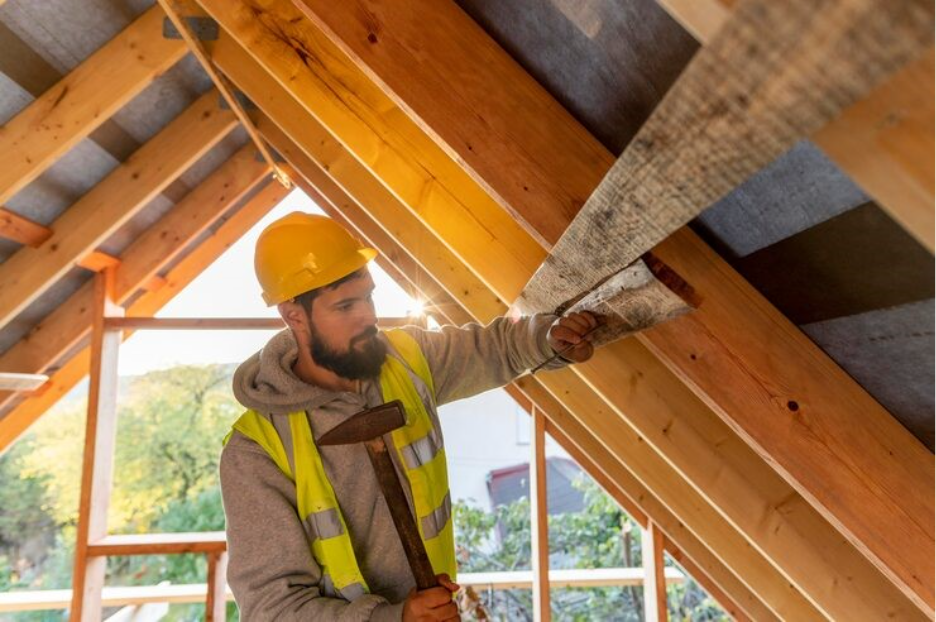
One of the main parts of an attic inspection checklist is examining the visible roof structure. The attic contains framing members that help support the roof and transfer structural loads to the rest of the building.
Inspectors examine accessible rafters, trusses, roof sheathing, and other visible structural components. They check for signs of cracking, splitting, sagging, displacement, or deterioration that could indicate a problem.
Roof framing should generally appear properly connected and reasonably consistent with the building’s design. Missing connectors with visibly altered trusses, or damaged framing members may require further evaluation.
Wood deterioration is another concern. Prolonged moisture exposure can weaken wooden components and contribute to decay. Inspectors may note areas where wood appears discolored, damaged, or deteriorated.
They also pay attention to signs of previous modifications. Homeowners sometimes make changes to attic framing to accommodate storage, equipment, or other purposes. Alterations that affect structural members may create concerns if they were not properly designed or completed.
It is important to understand that a standard home inspection does not provide a structural engineering analysis. If an inspector identifies significant movement, damaged trusses, or questionable modifications, a qualified structural professional may need to evaluate the condition.
2. Checking Attic Access and Accessibility
Safe and adequate attic access is another important consideration. Inspectors need suitable opening and reasonable access to examine visible attic components.
Common attic entry points include ceiling hatches, pull-down stairs, and permanent stairways. Inspectors assess the visible condition of these access points and consider whether they can be operated safely.
A damaged hatch, loose ladder, unstable pull-down stairs, or poorly secured access panel may create a safety concern. The opening should also be free from obvious obstructions that prevent reasonable access.
The size and location of the attic opening can affect how much of the space an inspector can examine. Some homes have limited openings or roof configurations that restrict movement. Low clearance, exposed fasteners, electrical hazards, and fragile ceiling materials may also limit access.
Inspectors do not have to enter every attic. If the space is unsafe, inaccessible, or restricted by physical conditions, they may examine it from the access opening or another safe location. Any inspection of limitations should be documented in the report.
For buyers, this information matters because limited access may mean that certain roof framing or other attic components could not be fully evaluated.
3. Evaluating Attic Ventilation
Proper attic ventilation helps manage heat and moisture within the attic space. Depending on the home design, ventilation may be provided through soffit vents, ridge vents, gable vents, or other openings.
Inspectors examine visible ventilation components to determine whether they appear present, properly installed, and free from obvious damage or obstruction.
Soffit vents are commonly located beneath the roof overhang. Ridge vents run along the roof peak, while gable vents are installed near the ends of the attic. Each system has a role in allowing air movement through the attic.
Blocked or damaged vents may restrict airflow. Inspectors may observe whether insulation, stored materials, debris, or other obstructions appear to interfere with accessible ventilation openings.
They also look for signs that ventilation may not be functioning effectively. Excessive moisture staining, deteriorated roof sheathing, or other visible conditions can indicate a possible ventilation concern, although these signs may have multiple causes.
Ventilation requirements vary according to roof design, attic configuration, climate, and applicable building standards. A general home inspection does not usually involve calculating the precise ventilation capacity of the entire system. If a significant concern is identified, further assessment by a qualified roofing or ventilation professional may be appropriate.
4. Inspecting Electrical Wiring and Components
Electrical wiring is another important part of the attic because many homes have cables and electrical connections routed through this space. Inspectors examine visible wiring for conditions that may present safety concerns.
During an attic inspection, they may observe exposed or damaged wiring, loose connections, improperly supported cables, and signs of overheating. They also note wiring that appears to be poorly routed or in contact with materials that could cause damage.
Electrical junction boxes should generally have appropriate covers. An uncovered box may expose connections and create a potential safety hazard. Inspectors may also observe whether visible wiring appears protected from physical damage.
Older homes may contain wiring systems or modifications that require additional evaluation. Evidence of amateur repairs, spliced wiring outside appropriate enclosures, or damaged insulation around conductors can indicate the need for a licensed electrician.
Inspectors typically do not perform detailed electrical testing inside concealed attic wiring or dismantle electrical components. Their observations are limited to accessible and visible conditions.
For buyers, electrical concerns should not be dismissed simply because the wiring is located in an area that is rarely used. Electrical defects may create risks throughout the property and should be evaluated by an appropriate professional when necessary.
5. Identifying Moisture and Water Intrusion Indicators
Moisture is one of the most important conditions inspectors assess inside an attic. Water can enter through roof coverings, flashing, roof penetrations, or other areas where the building envelope is damaged.
Inspectors examine visible roof sheathing, rafters, framing, and areas around chimneys, vents, and other penetrations for signs of moisture intrusion.
Water staining is a common indicator. Dark marks, discolored wood, peeling materials, or visible deterioration may suggest previous or ongoing moisture exposure. However, staining alone does not confirm that an active leak exists.
Inspectors may also note signs of condensation, such as moisture-related discoloration or corrosion on visible components. Condensation can occur when warm; moist air meets cooler surfaces under certain conditions.
The timing of an inspection can affect what is visible. A roof leak may not be active during dry weather, and previous moisture damage may remain visible even after repairs have been completed.
At Select Inspections, attic observations form part of the broader residential inspection process. Accessible components are examined for visible conditions that may affect the property’s overall condition. Findings are documented so home buyers can understand concerns that may warrant maintenance, repair, or additional professional evaluation.
6. Checking Roof Penetrations, Ducts, and Other Visible Components
An attic may contain several systems that pass through or connect to the roof. These include plumbing vent pipes, bathroom exhaust ducts, kitchen ventilation components, and other mechanical installations.
Inspectors examine visible roof penetrations for signs of improper sealing, damaged materials, or moisture staining around the surrounding areas.
Bathroom exhaust ducts deserve particular attention. If a duct is disconnected or terminated inside the attic instead of outdoors, warm and humid air may accumulate in the space. This can contribute to condensation and moisture-related deterioration.
Inspectors also observe whether visible ducts appear connected and supported. Damaged, disconnected, or poorly routed ductwork may affect how effectively the associated ventilation system operates.
Other visible components, such as exhaust fans, plumbing vent connections, and equipment supports, may also be examined where accessible.
The purpose is to identify apparent defects rather than certify every mechanical installation. Components that cannot be accessed or fully evaluated may require assessment by a specialist.
7. Documenting Attic Defects in the Inspection Report
After examining accessible areas, inspectors document their findings in the home inspection report. Common attic defects may include damaged roof framing, blocked ventilation openings, exposed wiring, missing junction box covers, water staining, disconnected exhaust ducts, and deteriorated roof sheathing.
The report helps buyers understand the nature of each observation and whether additional action may be appropriate.
Not every finding represents an immediate major repair. Some conditions may require routine maintenance, while others could indicate a more significant structural, electrical, or moisture-related problem.
Buyers should pay particular attention to findings involving structural damage, suspected active water intrusion, and electrical safety. These issues may require further evaluation before the purchase is finalized.
A qualified contractor, electrician, roofer, or structural professional can provide more detailed information when a specialized assessment is recommended.
Understanding these findings before closing gives buyers a better basis for discussing repairs, planning maintenance, and estimating possible future expenses.
Conclusion
An attic contains much more than insulation. Its roof framing, access points, ventilation openings, electrical wiring, exhaust ducts, and visible surfaces can reveal important information about a home’s condition.
A professional attic inspection helps home buyers identify visible concerns that may affect structural performance, moisture management, electrical safety, and general property maintenance. Although a standard inspection cannot reveal every concealed defect, it provides useful information about accessible components and areas that may need further attention.
Before purchasing a home, buyers should review attic-related findings carefully and seek specialized evaluations when significant concerns are identified. Select Inspections provides residential home inspection services in Lafayette, Louisiana, and surrounding Acadiana communities. If you are preparing to purchase a property, Contact us to discuss your home inspection needs and arrange an inspection before closing.
Frequently Asked Questions
1. What does an inspector check during an attic inspection?
An inspector generally examines accessible roof framing, attic access, ventilation openings, visible electrical wiring, roof sheathing, exhaust ducts, and signs of moisture intrusion. The inspection focuses on visible conditions and accessible components.
2. Do home inspectors always enter the attic?
No. Inspectors enter an attic when access is safe and reasonably possible. Limited openings, insufficient clearance, unsafe conditions, or other obstructions may prevent entry. When access is restricted, the inspector may examine visible areas from the opening and document the limitation.
3. What are common attic defects found during a home inspection?
Common attic defects include damaged roof framing, blocked vents, exposed wiring, missing electrical box covers, water stains, deteriorated wood, and disconnected exhaust ducts. The seriousness of each condition depends on its location and extent.
4. Why is attic ventilation important?
Proper attic ventilation helps manage heat and moisture within the attic. Inadequate or obstructed ventilation may contribute to condensation and moisture-related damage. The appropriate ventilation arrangement depends on the home’s design and applicable requirements.
5. Can an attic inspection identify roof leaks?
An attic inspection may reveal signs of roof leaks, including water stains, damaged sheathing, and moisture-related deterioration. However, a visual inspection cannot guarantee that every leak will be identified, particularly when the leak is intermittent or concealed.
6. Should buyers be concerned about exposed attic wiring?
Exposed or damaged wiring can present an electrical safety concern. Buyers should take these findings seriously and consider evaluation by a licensed electrician. The electrician can determine whether repairs or additional electrical work is necessary.