Buying a home that has been vacant for weeks or months can seem appealing. The property may look clean, quiet, and ready for a new owner. However, an unoccupied house can develop problems that are not immediately visible during a typical walkthrough. Without regular occupants to notice leaks, temperature changes, unusual odors, or ventilation issues, small problems can continue unnoticed and become more serious.
A vacant home inspection gives buyers an opportunity to identify these hidden conditions before completing a purchase. Unoccupied properties can be especially vulnerable to moisture intrusion, plumbing problems, poor ventilation, and mold growth. In Lafayette’s humid climate, these risks deserve particular attention because moisture can remain in a home long enough to affect building materials and indoor conditions.
Why Vacant Homes Can Deteriorate Faster
A lived-in home receives constant attention. Someone usually notices a dripping faucet, running toilet, water stain, musty odor, or HVAC problem. Furniture may be moved, bathrooms are used, appliances operate regularly, and doors and windows are opened.
A vacant property does not receive this daily attention. A minor plumbing leak may continue for weeks before anyone discovers it. An HVAC system may stop working without anyone realizing that indoor humidity is increasing. Water can enter around a roof, window, or foundation and remain undetected.
This is one reason abandoned property deterioration can accelerate. The issue is not simply that the property is empty. It is that normal warning signs may go unnoticed for an extended period.
Moisture Is a Major Concern in Vacant Properties
Vacant property moisture damage is one of the most important issues buyers should consider. Moisture can enter through several pathways, including plumbing leaks, roof defects, drainage problems, foundation areas, windows, and exterior wall openings.
When a home is occupied, many moisture problems are discovered because someone sees a stain or notices an unusual smell. In an empty property, water can accumulate behind walls, beneath flooring, in cabinets, or around plumbing fixtures without immediate attention.
Moisture can also affect materials over time. Wood may swell or deteriorate, drywall can become damaged, insulation may retain moisture, and finishes can develop staining. Persistent damp conditions can also create an environment where microbial growth becomes more likely.
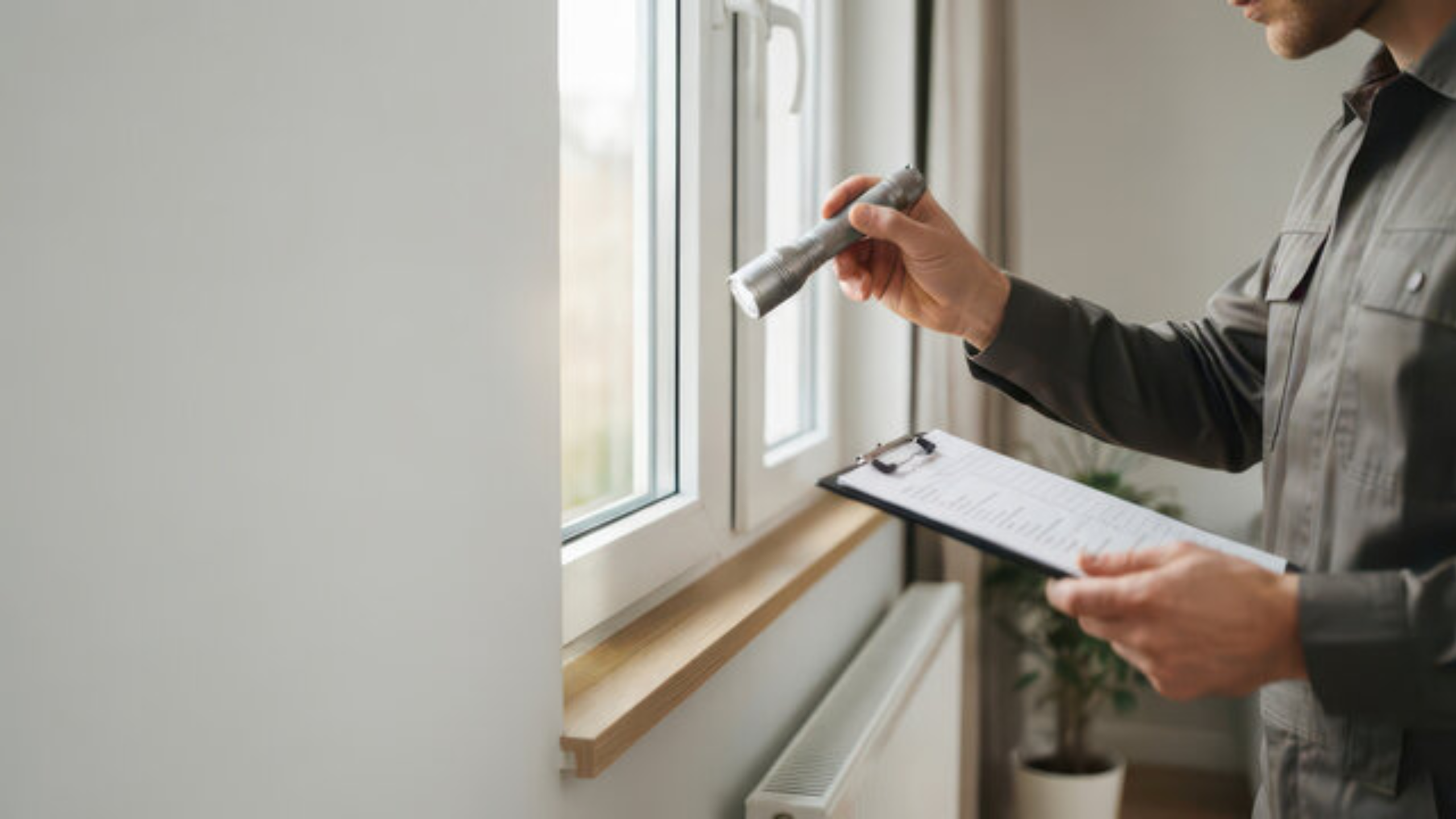
A professional inspection can help identify visible evidence of water intrusion and conditions that may warrant further investigation.
Stagnant Humidity Can Create Hidden Problems
Humidity is another concern that becomes more significant when a home sits vacant. Stagnant humidity can develop when the HVAC system is not operating correctly, is turned off, or is unable to control indoor moisture effectively.
Lafayette’s humid subtropical climate makes moisture management especially important. The local inspection and mold-testing information notes that Lafayette experiences high outdoor humidity and that moisture can contribute to mold growth when conditions inside a home remain damp.
An empty house may not receive the same air circulation and temperature control as an occupied property. If indoor humidity remains elevated, moisture can accumulate in areas that are difficult to see, including closets, crawlspaces, under flooring, around HVAC components, and behind walls.
Mold Growth Can Develop Without Being Immediately Visible
Mold growth in vacant homes can occur when moisture remains present for an extended period. Mold does not always appear as an obvious patch on a wall. It may develop in concealed or less frequently inspected areas.
Potential areas of concern include crawlspaces, attics, HVAC systems, bathrooms, under flooring, and areas near plumbing or exterior walls. The property’s existing moisture conditions are important because simply finding a musty smell or discoloration does not always reveal the full extent of the problem.
A visual inspection can identify conditions associated with moisture and potential microbial growth. When appropriate, mold testing can provide additional information through air or surface sampling. Select Inspection explains that inspection and testing serve different purposes: an inspection looks for conditions such as moisture and visible growth, while testing involves samples that are analyzed by a laboratory.
For buyers concerned about a vacant property, this distinction can help determine whether additional evaluation is appropriate.
Plumbing Problems Can Go Undetected
Plumbing systems are another area where vacant properties can develop hidden problems.
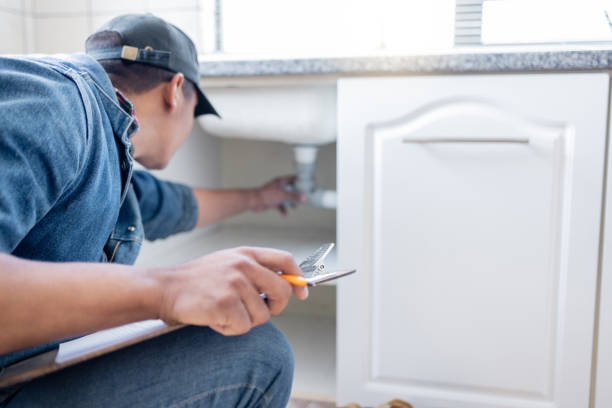
A small supply-line leak beneath a sink may not seem significant at first. However, if nobody uses the room or checks the cabinets, the leak can continue unnoticed. The same applies to toilets, water heaters, washing machine connections, drain lines, and other plumbing components.
Some vacant homes also have their water supply turned off. This can reduce certain risks, but it creates another inspection consideration. When utilities are off, some systems cannot be evaluated under normal operating conditions.
Buyers should understand what was and was not accessible during the inspection. If water or other utilities were shut off, additional evaluation may be appropriate once the systems are restored and safely operational.
Understanding Utility Shutoff Risks
Utility shutoff risks can affect more than the plumbing system. When a vacant property has utilities disconnected, heating, cooling, ventilation, water, or electrical systems may not operate as they normally would.
For example, an HVAC system that has remained off may provide little information about its ability to maintain comfortable temperature and humidity levels. Similarly, plumbing fixtures may not be fully evaluated when water service is unavailable.
Utility conditions can also affect how quickly problems are discovered. A property without active climate control may experience changes in indoor temperature and humidity. In a humid region, this can contribute to conditions favorable to moisture-related deterioration.
A vacant home inspection should therefore document system accessibility and identify limitations that could affect the buyer’s understanding of the property’s condition.
Crawlspaces and Attics Deserve Extra Attention
Vacant properties should not be evaluated only by looking at the main living areas. Attics and crawlspaces can provide important clues about moisture, ventilation, and deterioration.
In crawlspaces, inspectors may look for standing water, damp materials, plumbing leaks, wood deterioration, and other evidence of moisture. Poorly controlled moisture beneath a home can contribute to conditions that eventually affect the living space.
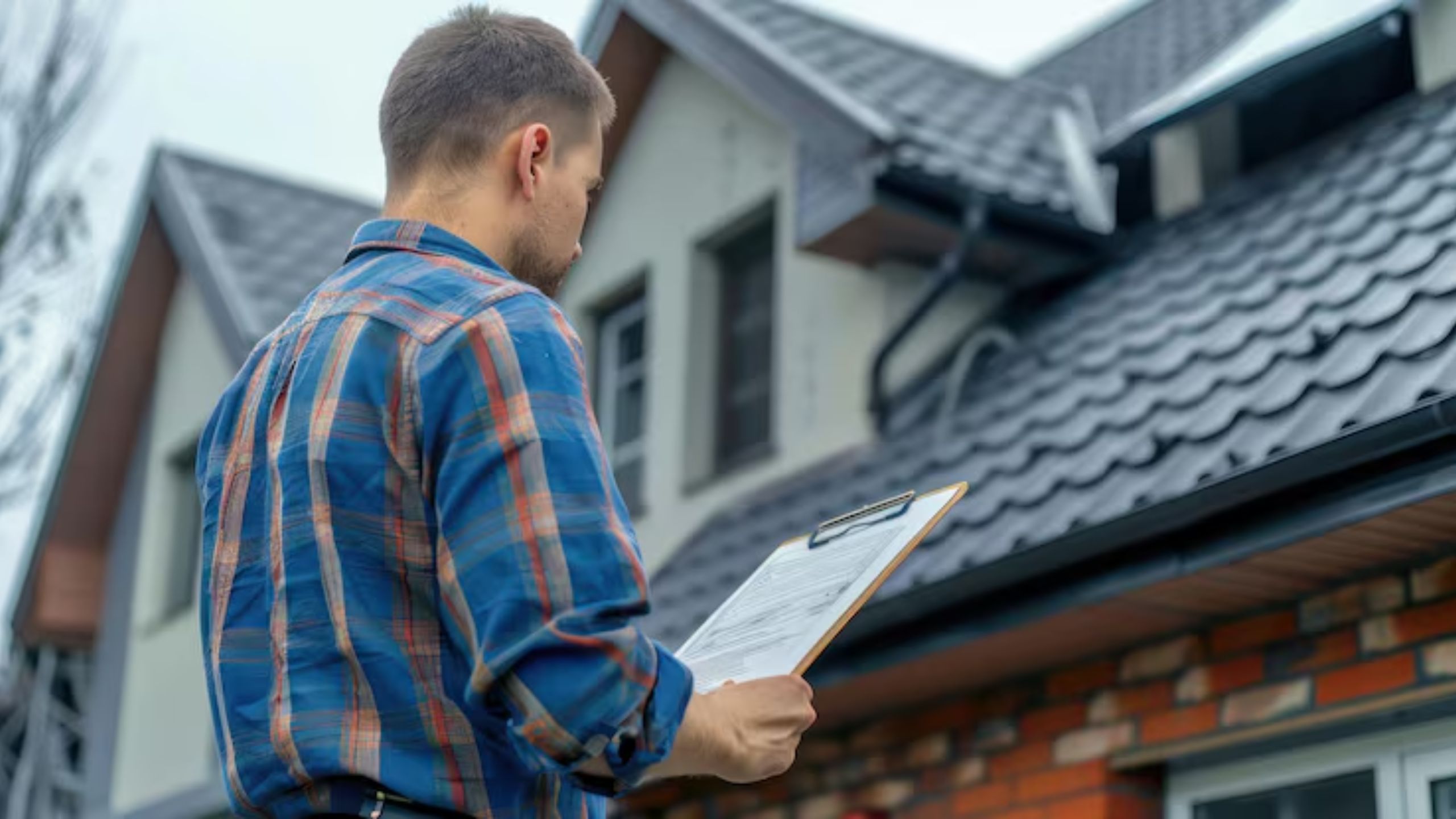
Attics can reveal roof leaks, inadequate ventilation, condensation, damaged insulation, and moisture-related staining. The inspection information provided by Select Inspection identifies attic and roof areas as locations where poor ventilation can contribute to condensation and mold-related concerns.
These areas may be especially important in a vacant home because developing problems may have gone unnoticed for a longer period.
What Buyers Should Look for During a Vacant Home Inspection
A vacant home inspection should focus on more than cosmetic condition. Buyers should pay attention to evidence that suggests the property has experienced prolonged moisture or a lack of regular maintenance.
Water stains, peeling finishes, warped materials, musty odors, damaged flooring, visible mold, plumbing leaks, poor drainage, and signs of condensation can all justify closer evaluation. The inspection should also consider the condition of accessible HVAC equipment, plumbing components, attic areas, crawlspaces, roof surfaces, and exterior drainage.
However, an inspection is not the same as destructive investigation. Hidden conditions behind walls, beneath flooring, or inside enclosed structures may require specialized evaluation if evidence suggests a problem.
How Buyers Can Reduce Surprises After Closing
The biggest advantage of inspecting a vacant property is the opportunity to identify concerns before ownership changes hands. Buyers can use the inspection findings to better understand the property’s condition and determine whether additional inspections or repairs are necessary.
If the inspection identifies signs of moisture or possible mold, buyers may benefit from further evaluation before moving forward. Select Inspection’s mold-testing service explains that moisture sources and visible conditions can be evaluated during inspection, while laboratory testing can be used when sampling is appropriate.
For buyers dealing with suspected moisture or microbial growth, a vacant property inspection can be an important step in understanding whether additional mold evaluation is warranted.
Conclusion
A vacant property can appear well maintained while hidden problems develop behind the scenes. Moisture intrusion, plumbing leaks, poor ventilation, high humidity, and mold can worsen when no one is regularly present to notice early warning signs. Utility shutoffs can also make it harder to identify problems with plumbing, heating, cooling, and other home systems.
For buyers, a vacant home inspection provides a closer look at the property’s condition before closing. Identifying moisture problems, ventilation concerns, plumbing issues, and signs of deterioration early can help buyers understand what they are purchasing and determine whether additional testing or repairs may be needed.
If you are considering purchasing an unoccupied property, contact Select Inspection to schedule a professional inspection and gain a clearer understanding of the home’s condition before making your decision.