Introduction
Homes in southern regions face different challenges than homes in cooler and drier areas. High temperatures, heavy rain, strong storms, and humid conditions can affect a home’s structure over time. These weather conditions can create problems that are not always easy to see during a basic inspection.
A specialized home inspection focuses on issues that are common in subtropical climates. It helps identify signs of moisture damage, roof wear, drainage concerns, and other conditions that may affect the safety and condition of a property. By applying the principles of subtropical building science, inspectors can better recognize climate-related concerns and provide valuable information about a home’s condition. Understanding how the local climate impacts a home can help property owners make better decisions about maintenance and repairs.
Understanding the Southern Climate
Hot Temperatures
Southern regions often experience long periods of hot weather throughout the year. Constant exposure to sunlight can cause roofing materials to age more quickly. Shingles may become brittle, and exterior surfaces can show signs of wear over time.
Heat can also affect building materials by causing them to expand and contract. This repeated movement may create small cracks or gaps in certain parts of the home. Over time, these openings can allow moisture to enter the structure.
High Humidity
Humidity is one of the most common environmental factors affecting homes in subtropical areas. When there is a large amount of moisture in the air, homes can become more vulnerable to moisture-related issues.
High humidity may contribute to condensation on windows, moisture buildup in attics, and damp conditions in hidden spaces. If these conditions are not addressed, they can lead to damage that becomes more serious over time.
Heavy Rainfall and Storms
Many southern areas receive frequent rainfall and experience seasonal storms. While rain is a normal part of the climate, excessive moisture can create problems when water is not properly directed away from the home.
Storms can damage roofs, siding, gutters, and other exterior components. Even minor storm damage can allow water to enter the home if repairs are delayed. Regular inspections help identify these issues before they develop into larger concerns.
Common Problems Found in Southern Homes
Moisture and Water Damage
Moisture is one of the leading causes of property damage in southern homes. Water can enter through damaged roofing materials, poorly sealed windows, cracks in exterior walls, or other openings.
In some cases, moisture damage may not be visible right away. Water can remain hidden behind walls, beneath flooring, or inside attic spaces. Over time, this moisture may affect building materials and create conditions that require costly repairs.
Regular inspections can help identify signs of water intrusion before major damage occurs.
Mold Growth
Warm temperatures and humid conditions create an environment where mold can grow more easily. Mold often develops in areas where moisture is present for extended periods.
Common locations include attics, crawl spaces, bathrooms, and areas affected by leaks. Homeowners may notice musty odors, discoloration on surfaces, or signs of excess moisture.
Because mold growth is often linked to moisture problems, inspections focus on finding the source of the issue. Addressing moisture concerns can help reduce the risk of future mold growth.
Foundation Movement
The condition of the soil around a home can have a direct impact on the foundation. In many southern areas, soil expands when it absorbs water and shrinks when it dries.
These changes can place stress on the foundation over time. Small cracks, uneven floors, and sticking doors or windows may be signs of foundation movement.
An inspection can help identify conditions that may contribute to foundation concerns and determine whether further evaluation is needed.
Roof Wear and Damage
The roof is one of the most exposed parts of a home. Constant sunlight, high temperatures, heavy rain, and strong winds can all affect roofing materials.
Inspectors often look for damaged shingles, signs of leaks, flashing problems, and other conditions that may affect roof performance. Finding these issues early can help prevent water intrusion and structural damage.
Why Standard Inspections May Not Be Enough
Climate-Specific Risks
A standard home inspection may identify general issues within a property, but homes located in subtropical regions often require closer attention to climate-related concerns.
Moisture intrusion, ventilation problems, drainage issues, and storm damage are especially common in southern homes. A specialized inspection focuses on these conditions and evaluates areas that may be more vulnerable to local weather patterns.
Understanding regional risks allows inspectors to provide a more complete assessment of the property’s condition.
Hidden Issues
Some of the most serious problems in a home are not immediately visible. Moisture may be trapped behind walls, roof leaks may be hidden within attic spaces, and drainage problems may only become noticeable during periods of heavy rain.
A specialized inspection involves careful examination of areas where hidden issues commonly occur. This approach helps identify problems before they become larger and more expensive to repair.
Key Areas Checked During a Specialized Inspection
Roofing System
The roof is carefully evaluated for signs of wear, damage, and water intrusion. Inspectors look at roofing materials, flashing, drainage components, and other features that help protect the home from weather conditions.
Even small roofing problems can allow water to enter the structure. Identifying these concerns early can help prevent future damage.
Exterior Walls and Siding
Exterior walls serve as a protective barrier against rain and moisture. During an inspection, walls and siding are checked for cracks, gaps, damage, and other signs of deterioration.
Inspectors also look for areas where water may be entering the home. Proper maintenance of exterior surfaces plays an important role in protecting the structure.
Foundation and Drainage
Effective drainage helps move water away from the home. Poor drainage can lead to standing water, soil movement, and foundation concerns.
Inspectors evaluate grading, drainage patterns, and visible foundation conditions. Identifying drainage issues early can help reduce the risk of long-term structural problems.
Attic and Ventilation
Attics are often affected by heat and humidity. Without proper ventilation, moisture can accumulate and create conditions that may damage building materials.
During an inspection, attic spaces are checked for signs of moisture, ventilation concerns, and insulation issues. Proper airflow helps maintain a healthier and more efficient home environment.
Windows and Doors
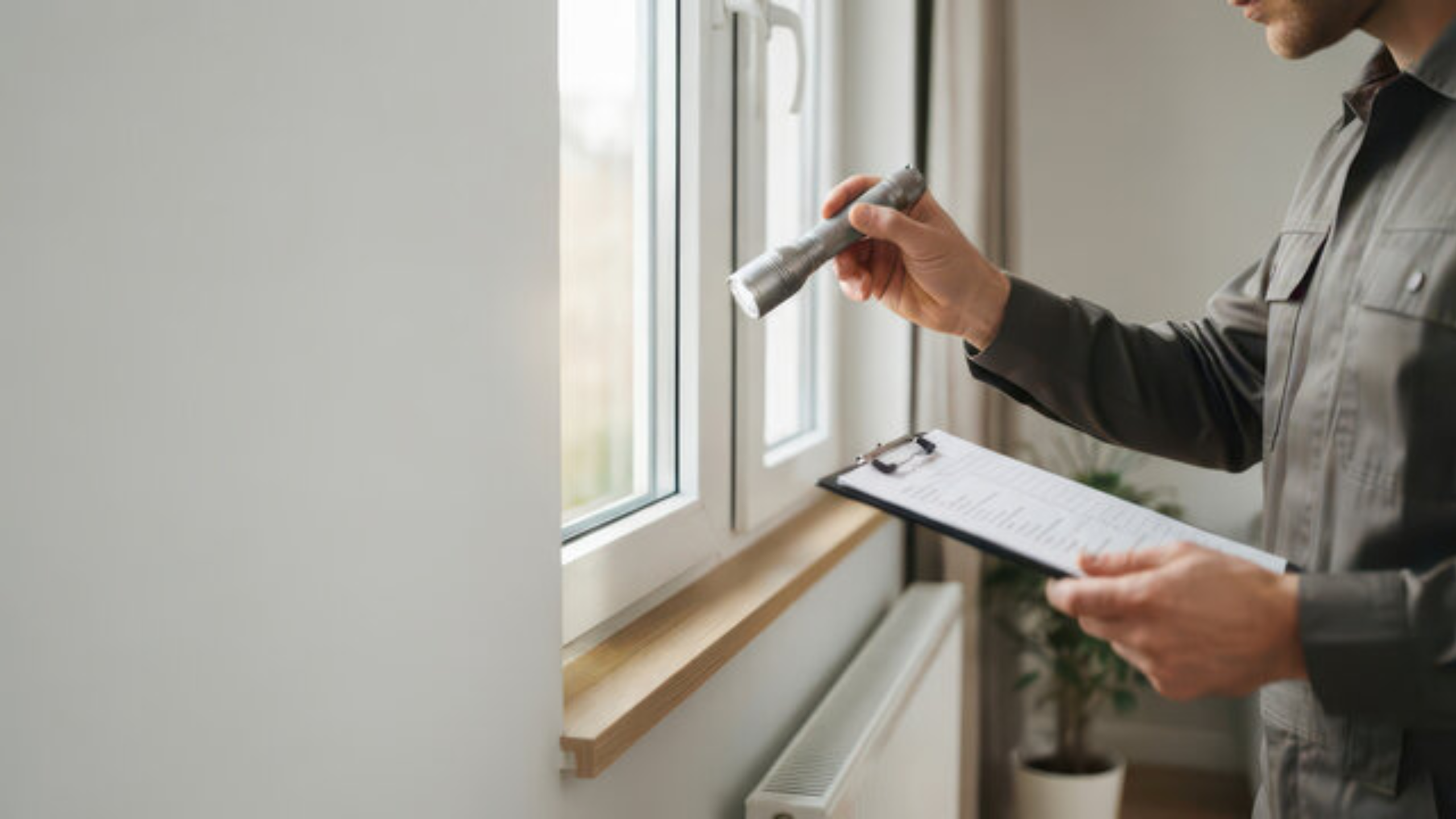
Windows and doors are common locations for water intrusion. Damaged seals, gaps, and worn materials can allow moisture to enter the home.
Inspectors examine these areas for signs of leaks, deterioration, and other conditions that may affect their performance. Addressing these concerns can help improve moisture protection.
Benefits of Specialized Home Inspections
Early Problem Detection
One of the greatest benefits of a specialized inspection is the ability to identify issues before they become major problems. Small leaks, drainage concerns, and minor roof damage can often be addressed before costly repairs are required.
Early detection helps homeowners plan maintenance and avoid unexpected expenses.
Better Home Protection
A detailed inspection provides valuable information about the condition of the property. Understanding existing concerns allows homeowners to take steps that help protect the structure from future damage.
Regular inspections are an important part of long-term property care.
Improved Peace of Mind
Knowing the condition of a home can provide confidence for homeowners, buyers, and property investors. A specialized inspection offers a clearer understanding of potential risks and maintenance needs.
This information helps support informed decisions about repairs, improvements, and future planning.
Tips for Homeowners in Southern Areas
Watch for Warning Signs
Homeowners should pay attention to signs that may indicate moisture or structural concerns. Water stains, musty odors, roof damage, and cracks in walls or foundations should not be ignored.
Addressing these warning signs early can help prevent more serious problems.
Keep Up With Maintenance
Routine maintenance is important in subtropical climates. Gutters should be kept clean, drainage systems should function properly, and roofing materials should be checked regularly.
Consistent maintenance can reduce the risk of weather-related damage and extend the life of building components.
Act Quickly When Problems Appear
Small issues often become larger when repairs are delayed. Leaks, drainage concerns, and damaged exterior materials should be addressed as soon as possible.
Prompt action can help protect the home and reduce repair costs over time.
Conclusion
Southern homes face unique challenges due to heat, humidity, rainfall, and seasonal storms. These environmental conditions can affect roofs, foundations, drainage systems, and other important parts of a property. Because many climate-related problems develop gradually, they may go unnoticed without a detailed inspection.
A specialized inspection focuses on the issues most common in subtropical environments and helps identify concerns before they become serious. By understanding how local weather affects a home, property owners can make informed decisions about maintenance and repairs. Select Inspection provides professional inspection services that help homeowners better understand the condition of their property and address potential concerns early. If you would like to learn more about protecting your property or schedule an inspection, contact us today for professional assistance.
Frequently Asked Questions
1. Why do southern homes need specialized inspections?
Southern homes are exposed to high humidity, heavy rain, and hot temperatures. Specialized inspections focus on issues that are common in these conditions.
2. What problems are commonly found in southern homes?
Common problems include moisture intrusion, mold growth, roof damage, drainage issues, and foundation movement.
3. How does humidity affect a home?
High humidity can lead to condensation, moisture buildup, mold growth, and damage to building materials over time.
4. Can heavy rain damage a home's foundation?
Yes. Poor drainage and excess water around the property can affect the soil and contribute to foundation movement.
5. Why is roof inspection important in subtropical climates?
Roofs are exposed to intense sun, rain, and storms. Regular inspections can help identify damage before leaks occur.