A roof is an important part of any building. It helps protect the property from rain, wind, heat, and other weather conditions. Over time, roofs can develop problems that are not always easy to see. Small issues can turn into expensive repairs if they are not found early.
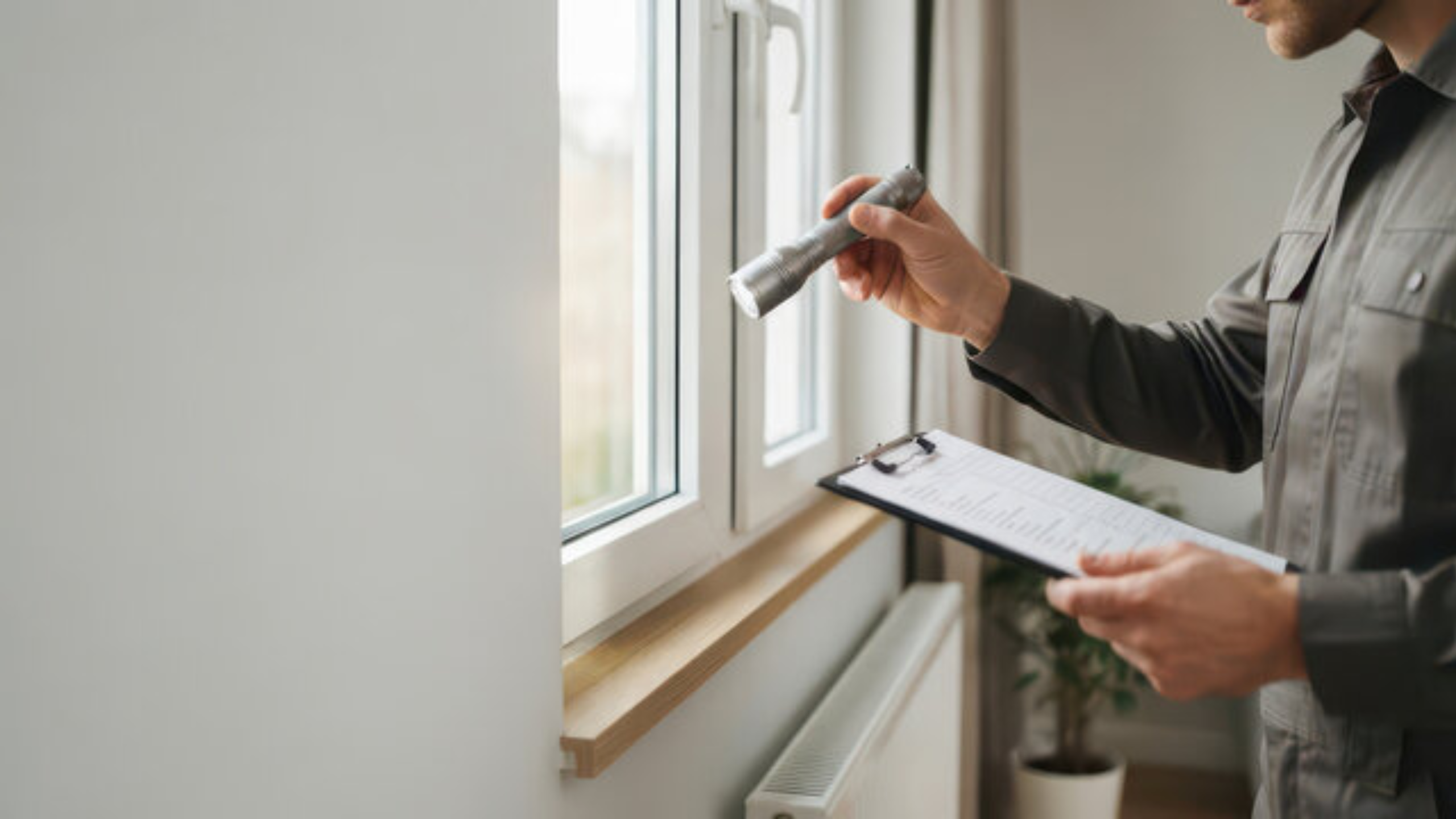
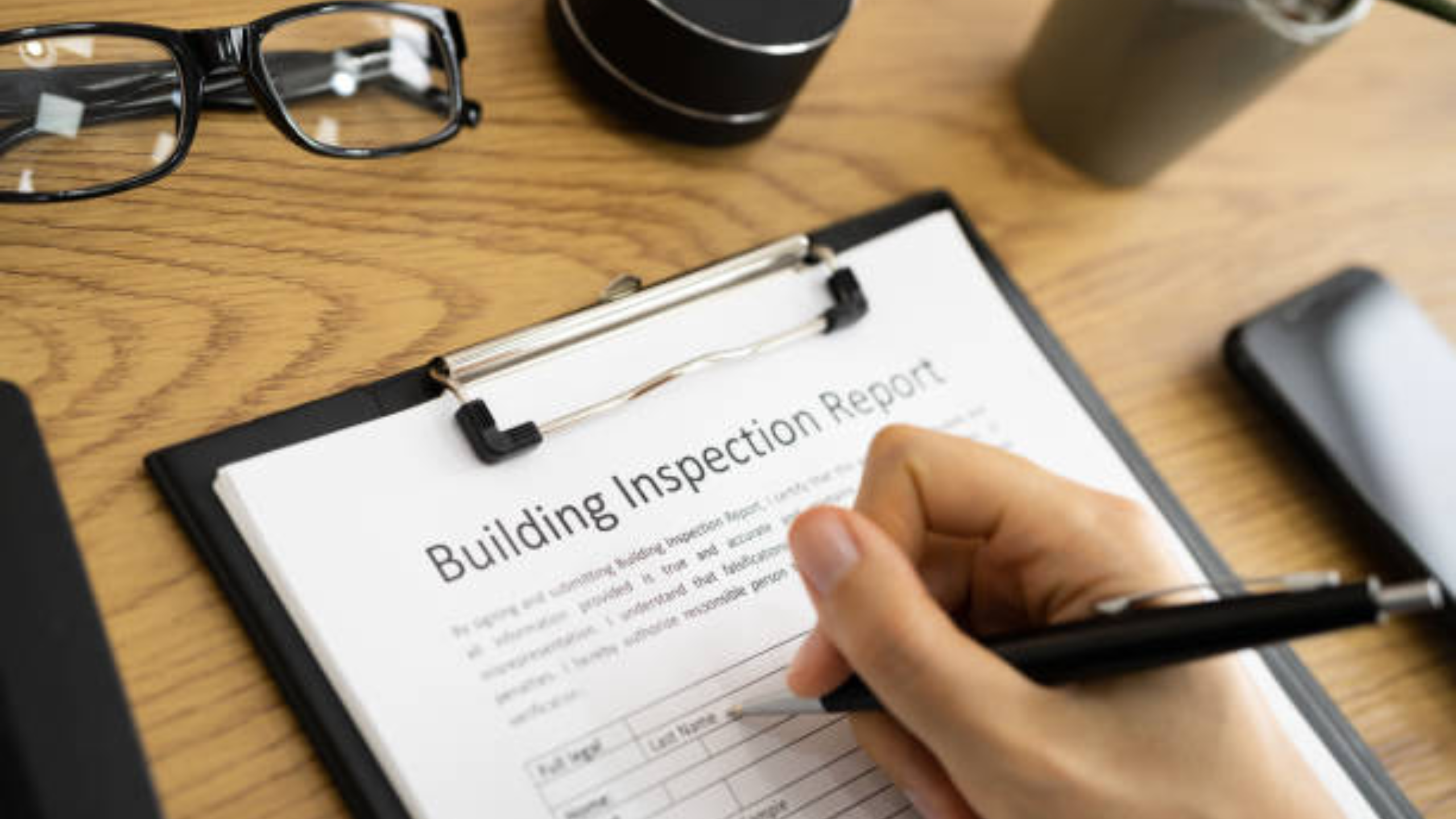
Regular roof inspections help find damage before it gets worse. During an inspection, professionals check different parts of the roof, including flashing, decking, and possible leak areas. A roof inspection checklist helps make sure all important parts of the roof are checked carefully.
At Select Inspection, roof inspections help property owners understand the condition of their roof and find areas that may need repair or maintenance.
Introduction to Roof Inspections
A roof inspection is a detailed review of the roof’s condition. The purpose is to identify signs of damage, wear, or water intrusion. Inspections can help property owners make informed decisions about maintenance and repairs.
Many roofing problems begin as small issues. A loose flashing section, a damaged shingle, or a hidden leak can slowly cause damage over time. Regular inspections help find these concerns before they lead to more expensive repairs.
Roof inspections are especially important after storms, before buying a property, or when signs of roof damage become visible.
What Is Roof Flashing?
Flashing is a material used to seal areas where different roof parts meet. It helps prevent water from entering the building through gaps and joints.
Understanding Roof Flashing
Flashing is usually made from metal and is installed in places where water is most likely to enter. These areas often include roof edges, valleys, chimneys, skylights, and vents.
Without flashing, water can easily move through small openings and reach the inside of the building. This can lead to leaks, wood damage, and mold growth.
Common Areas That Use Flashing
Flashing is often installed around chimneys because these structures create openings in the roof. Skylights also require flashing to keep water from entering around the edges.
Roof valleys, where two roof slopes meet, are another common location for flashing. Vents and plumbing pipes that pass through the roof also depend on flashing for protection.
Roof edges often use flashing to guide water away from the building and protect the roofing materials.
Signs of Flashing Problems
Flashing can become damaged due to age, weather exposure, or poor installation. Rust may appear on older flashing materials. Cracks, gaps, or loose sections can also develop over time.
Water stains inside the building near roof openings may indicate flashing failure. During an inspection, these areas are carefully checked for signs of damage and water entry.
What Is Roof Decking?
Roof decking is the surface that sits beneath the roofing materials. It provides support for shingles, tiles, or other roof coverings.
Understanding Roof Decking
The decking forms the foundation of the roof system. It helps distribute weight across the roof structure and provides a solid base for roofing materials.
Most roof decking is made from wood panels, although other materials may be used in certain buildings.
Because decking is located beneath the roofing materials, damage is not always easy to see without a professional inspection.
How Roof Decking Can Become Damaged
Water leaks are one of the most common causes of decking damage. When moisture reaches the decking, it can weaken the material over time.
Roof decking may also suffer damage from long-term exposure to moisture, aging materials, or severe weather. Strong winds and heavy storms can sometimes affect both roofing materials and the decking beneath them.
If problems are not addressed early, sections of the decking may lose strength and require replacement.
Signs of Decking Problems
A sagging roof is often one of the clearest signs of decking damage. Soft spots on the roof surface may also indicate weakened decking.
Moisture problems can sometimes lead to mold or mildew growth. Uneven roof surfaces may suggest that the decking has been affected by water damage.
During a roof inspection, these signs are carefully evaluated to determine the condition of the roof structure.
How Leak Detection Is Done During a Roof Inspection
Finding leaks is one of the most important parts of a roof inspection. Even small leaks can cause significant damage if they continue for long periods.
Why Leak Detection Matters
Leaks can damage ceilings, walls, insulation, and structural components. Water intrusion may also create conditions that allow mold to develop.
Early leak detection helps reduce repair costs and protects the overall condition of the building.
A roof may appear to be in good condition from the outside while hidden leaks continue to cause damage beneath the surface. This is why inspections are important.
Common Signs of Roof Leaks
Water stains on ceilings are often one of the first visible signs of a roof leak. Damp walls, peeling paint, and mold growth may also indicate moisture problems.
In some cases, active dripping may occur during or after rainfall. Property owners should pay attention to these signs and schedule an inspection when they appear.
Areas Inspectors Check for Leaks
Inspectors examine roofing materials for openings or damage that could allow water to enter. Flashing locations receive special attention because they are common leak points.
Attic spaces are often inspected for signs of moisture, staining, or mold growth. Areas around skylights, vents, and chimneys are also checked carefully.
Gutters and drainage systems are reviewed because poor drainage can increase the risk of water intrusion.
What Inspectors Look for During a Roof Inspection
A complete roof inspection involves both exterior and interior evaluations.
Exterior Roof Inspection
Inspectors examine roofing materials for signs of wear and damage. Missing shingles, cracked materials, and damaged roof sections are noted during the inspection.
The condition of flashing is reviewed to identify gaps, rust, or loose sections. Roof drainage is also evaluated to make sure water can move away from the structure properly.
Any visible signs of storm damage or aging materials are documented.
Interior Inspection
The interior inspection focuses on identifying signs of moisture and water intrusion.
Inspectors may look for ceiling stains, damp insulation, mold growth, and other indicators of leaks. The attic often provides valuable information about the condition of the roof system.
Interior findings help determine whether hidden roof problems may be present.
Common Roof Problems Found During Inspections
Roof inspections often reveal issues that property owners may not have noticed.
Water Damage
Water damage is one of the most common findings during roof inspections. Leaks can affect roofing materials, decking, insulation, and interior finishes.
The longer water damage remains untreated, the greater the chance of costly repairs.
Roof Material Damage
Roofing materials naturally wear down over time. Shingles may crack, curl, or become loose. Tiles can break, and other roofing materials may show signs of aging.
Damage caused by storms or falling debris is also common.
Structural Concerns
In some cases, inspectors discover concerns that affect the roof’s support system. Weak decking, sagging areas, and structural movement may indicate larger issues that require attention.
Finding these problems early can help prevent further damage to the building.
When Should You Schedule a Roof Inspection?
Roof inspections should be performed on a regular basis to help maintain the condition of the property.
Recommended Times for Inspection
Many property owners schedule inspections after severe weather events to check for damage. Inspections are also useful before purchasing a property because they provide information about the roof’s condition.
Property owners preparing to sell may also benefit from an inspection to identify issues before listing the property.
Regular maintenance inspections help monitor roof conditions over time.
Warning Signs That Need Immediate Inspection
Some signs should never be ignored. Active leaks, missing shingles, sagging roof sections, and water stains inside the building may indicate serious problems.
Scheduling an inspection quickly can help reduce the risk of further damage.
Benefits of Regular Roof Inspections
Regular roof inspections provide several important benefits. They help identify problems early and reduce the chance of unexpected repairs.
Inspections can extend the life of roofing materials by allowing maintenance to be performed before damage becomes severe. They also help protect the building from water intrusion and structural concerns.
Property owners who invest in routine inspections often avoid larger repair costs in the future. A well-maintained roof also contributes to the overall safety and value of the property.
Conclusion
Roof inspections help keep a building safe and in good condition. Flashing helps stop water from getting inside, decking supports the roof, and leak checks help find water problems before they get worse.
Regular roof inspections help property owners understand the condition of their roof and fix small problems early. Checking flashing, decking, and possible leaks can help prevent damage and avoid costly repairs in the future.
Select Inspection provides roof inspection services to help property owners find problems and understand what repairs may be needed. If you would like to schedule a roof inspection, contact us today to learn more.
Frequently Asked Questions
1. What is the purpose of a roof inspection?
A roof inspection helps identify damage, leaks, and other issues before they become major problems.
2. How often should a roof be inspected?
Most roofs should be inspected at least once a year and after severe storms.
3. What is roof flashing?
Roof flashing is a metal material installed around roof openings and joints to help prevent water leaks.
4. How can I tell if my roof has a leak?
Common signs include water stains on ceilings, damp walls, mold growth, and dripping water during rain.
5. Why is roof decking important?
Roof decking provides support for roofing materials and helps maintain the strength and stability of the roof.