
Retail centres and shopping plazas are busy places with many stores and visitors every day. These properties often have different businesses that share parking lots, walkways, roofs, and other parts of the building. Because so many people use these spaces, even small building problems can become bigger if they are not found early.
A regular retail property inspection helps property owners understand the condition of their building and find problems before they lead to expensive repairs. These inspections can uncover hidden issues that may affect safety, daily business activities, and the overall value of the property.
At Select Inspection, our commercial retail property inspection services help identify building concerns and provide clear information about the condition of multi-tenant retail properties.
Understanding Multi-Tenant Retail Properties
A multi-tenant retail property is a commercial building or shopping centre that houses several businesses within the same structure or complex. Examples include shopping plazas, strip malls, retail centres, and mixed-use commercial properties.
These properties often share many building components. While each business may occupy its own space, structural systems such as foundations, roofs, walls, and drainage systems support the entire building. When a problem develops in one area, it can often affect multiple tenants.
This is why regular audits are important. They help property owners monitor building conditions and reduce the risk of unexpected structural issues.
Common Structural Risks in Shopping Centers
Commercial properties experience constant use. Over time, wear and tear can affect many parts of the structure.
Foundation Problems
The foundation supports the entire building. If the foundation begins to shift or settle, signs may appear throughout the property.
Common signs include cracks in walls, uneven floors, sticking doors, and gaps around windows. Foundation movement can result from soil changes, drainage issues, or natural settling.
Finding these problems early can help prevent more extensive structural damage in the future.
Roof Damage
The roof protects tenants, customers, and building materials from weather conditions. A damaged roof can allow water to enter the structure and cause problems throughout the property.
Retail centres often have large flat roofs that require regular inspections. Ponding water, damaged roofing materials, and blocked drainage systems can all contribute to leaks and moisture issues.
Routine audits help identify roof concerns before they affect tenant spaces.
Exterior Wall Issues
Exterior walls help maintain the strength and stability of the building. Cracks, gaps, and damaged materials can allow water to enter and weaken structural components over time.
Inspectors look for signs of deterioration, water damage, and movement that may indicate larger concerns. Addressing exterior wall issues early can help protect the building and reduce repair costs.
Water and Drainage Problems
Water is one of the most common causes of structural damage in commercial properties. When drainage systems are not working properly, water can collect around the building and create serious problems.
Poor Grading Around the Property
The ground surrounding a shopping centre should direct water away from the building. If the property is not properly graded, water may collect near the foundation.
Over time, this can lead to soil movement, foundation settlement, and moisture intrusion. Regular inspections help identify grading issues before significant damage occurs.
Drainage System Concerns
Shopping centres often rely on gutters, downspouts, drains, and storm water systems to manage water during rainfall.
When these systems become blocked or damaged, water may overflow and affect the structure. Standing water near the building can increase the risk of foundation and moisture problems.
Property audits help ensure drainage systems are functioning as intended.
Moisture Intrusion
Water entering the building can affect walls, ceilings, insulation, and flooring materials. Moisture may also create conditions that support mold growth.
Inspectors look for signs of water stains, damp materials, and areas where moisture may be entering the structure. Early detection helps limit damage and reduces the likelihood of costly repairs.
Structural Concerns Inside Tenant Spaces
Structural problems are not always visible from the outside. Many signs can appear within individual tenant units.
Wall Cracks
Cracks in interior walls may indicate normal settling, but larger cracks or expanding cracks can sometimes suggest structural movement.
During an audit, inspectors evaluate crack patterns and locations to determine whether additional investigation may be needed.
Ceiling Damage
Ceilings can provide important clues about the condition of the building. Water stains, sagging sections, and damaged ceiling tiles may indicate roof leaks or moisture intrusion.
Identifying the source of the problem is important for preventing further damage.
Floor Issues
Uneven floors, cracked tiles, and visible surface damage can sometimes point to underlying structural concerns.
Inspectors assess flooring conditions throughout the property and look for signs of movement or settlement that may affect the building’s stability.
Safety Risks in Shared Areas
Shopping centers have many common areas that customers, workers, and delivery drivers use every day. Keeping these areas in good condition helps improve safety and makes the property easier to manage. During an inspection, Select Inspection checks these shared spaces for signs of damage, wear, and other issues that may need attention.
Walkways and Entry Areas
Damaged sidewalks and walkways can create trip hazards for visitors. Cracked concrete, uneven surfaces, and poor drainage are common issues found during retail property audits.
Addressing these concerns helps improve safety and reduce liability risks.
Stairways and Railings
Stairs and railings should remain secure and in good condition. Loose handrails, damaged steps, and worn surfaces can create safety concerns for people using the property.
Routine inspections help identify these issues before accidents occur.
Loading Zones
Loading areas experience heavy use from delivery vehicles and equipment. Over time, these spaces can develop cracks, surface damage, and drainage problems.
Inspectors evaluate these areas for signs of wear that may affect safety and long-term performance.
How Structural Problems Affect Tenants
Structural issues can impact more than just the building itself. They can also affect the businesses operating within the property.
Water leaks, foundation movement, and safety concerns may disrupt normal operations. In some cases, repairs may require temporary closures or restricted access to parts of the property.
Damage to merchandise, equipment, and interior finishes can create additional expenses for tenants. Property owners who identify issues early are often better positioned to prevent disruptions and maintain positive tenant relationships.
A well-maintained shopping center also creates a better experience for customers and visitors.
What Inspectors Look for During a Retail Audit
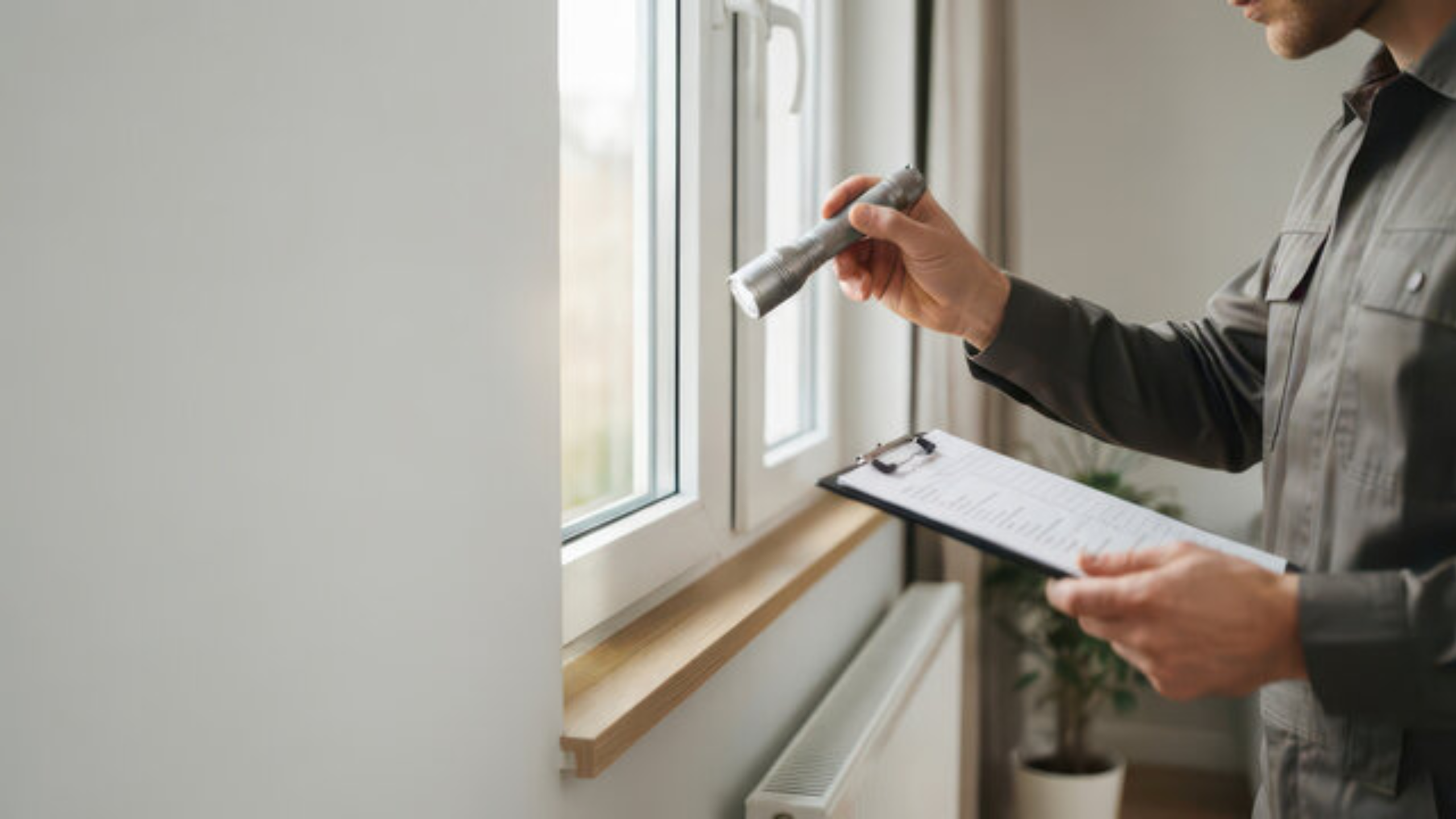
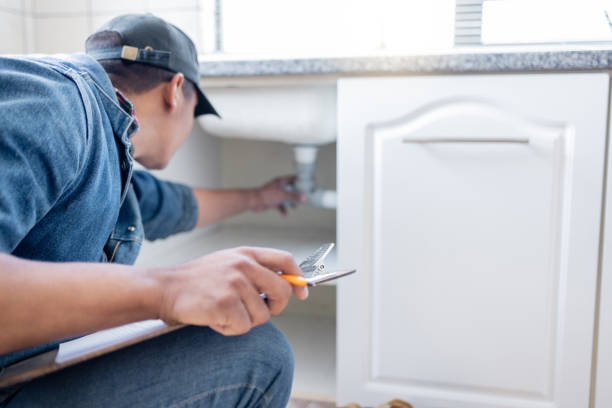
A retail property audit involves a detailed review of the building’s major systems and structural components.
Inspectors examine foundations, exterior walls, roofing systems, parking lots, sidewalks, and drainage features. Interior areas are also evaluated for signs of moisture, movement, and structural wear.
The inspection process often includes documenting visible concerns, taking photographs, and providing recommendations for maintenance or further evaluation.
This information helps property owners make informed decisions about repairs and long-term building care.
The Value of Preventive Maintenance
Preventive maintenance plays an important role in protecting retail properties. Small issues are usually easier and less expensive to repair than major structural problems.
Regular inspections allow property owners to monitor building conditions and address concerns before they worsen. Maintaining roofs, drainage systems, walkways, and structural components can help extend the life of the property and reduce unexpected repair costs.
A proactive approach also supports tenant satisfaction by helping create a safer and more reliable environment.
Conclusion
Retail and shopping center audits help keep multi-tenant commercial properties in good condition. Problems such as foundation cracks, roof leaks, water damage, and drainage issues can affect both the building and the businesses inside it.
Regular inspections help find these problems early so they can be fixed before they become bigger and more expensive. Checking the condition of the building and maintaining shared areas can help improve safety, protect the property, and reduce repair costs over time.
Select Inspection provides detailed commercial property inspections to help owners understand the condition of their buildings and identify potential issues. Finding problems early and keeping up with regular maintenance can help protect retail properties and everyone who uses them.
Contact Select Inspection today to schedule a commercial property inspection and learn more about the condition of your retail or shopping center property.
Frequently Asked Questions
1. What is a retail and shopping center audit?
A retail and shopping center audit is an inspection that evaluates the condition of a commercial property and identifies structural or maintenance concerns.
2. Why are structural audits important for shopping centers?
They help find problems early, improve safety, and reduce the risk of costly repairs.
3. What are common structural issues in retail properties?
Common issues include foundation cracks, roof leaks, wall damage, uneven floors, and drainage problems.
4. How often should a shopping centre be inspected?
Most commercial properties benefit from regular inspections, especially as the building ages or after severe weather events.
5. Can drainage problems affect a shopping center's structure?
Yes. Poor drainage can cause water to collect near the building, which may lead to foundation movement and moisture damage.