Your home’s plumbing system works quietly behind walls, beneath floors, and throughout your property every day. Most homeowners rarely think about it until a leak appears, a drain backs up, or the hot water suddenly stops working. Unfortunately, waiting for visible signs of trouble can lead to expensive repairs and unnecessary stress.
This is why plumbing inspection checklist play such an important role in protecting your home. A professional inspection helps identify hidden issues before they become major problems. From aging supply lines and clogged drainage systems to inefficient water heaters, routine inspections can save homeowners significant time and money.
At Select Inspection, we understand that a home’s plumbing system is one of its most important components. A thorough evaluation can uncover concerns that are often overlooked during everyday homeownership. Whether you are buying a property, maintaining your current home, or preparing for renovations, a professional inspection provides valuable peace of mind.
In this guide, you’ll learn what residential plumbing inspections include, why they matter, and how inspections of supply lines, drainage systems, and water heaters can help keep your home running efficiently.
What Is a Residential Plumbing Inspection?
Purpose of a Plumbing Inspection
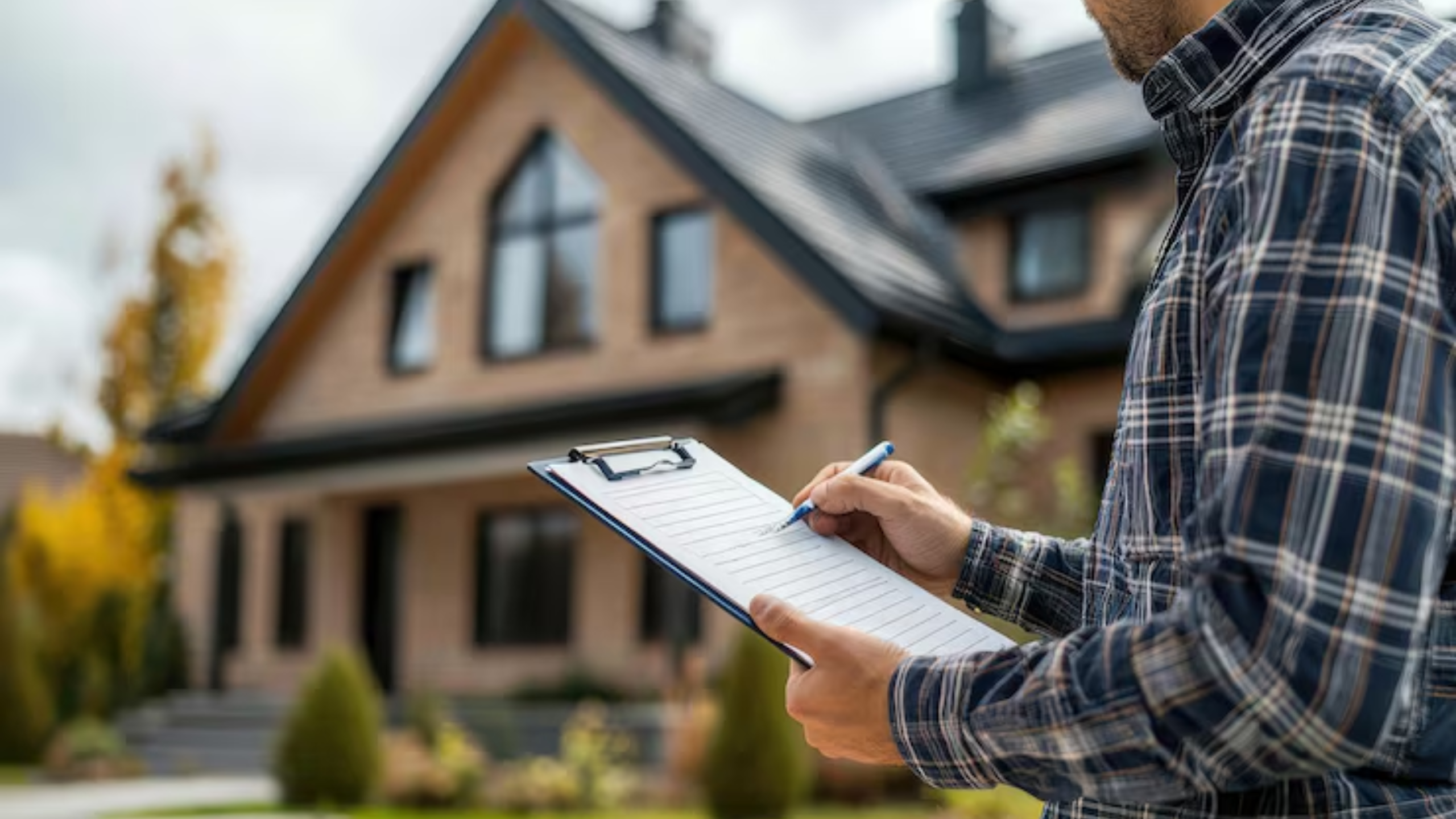
A residential plumbing inspection is a comprehensive assessment of a home’s plumbing system and is often an important part of a residential home inspection. The goal is to identify existing problems, detect potential future issues, and ensure that all plumbing components function properly.
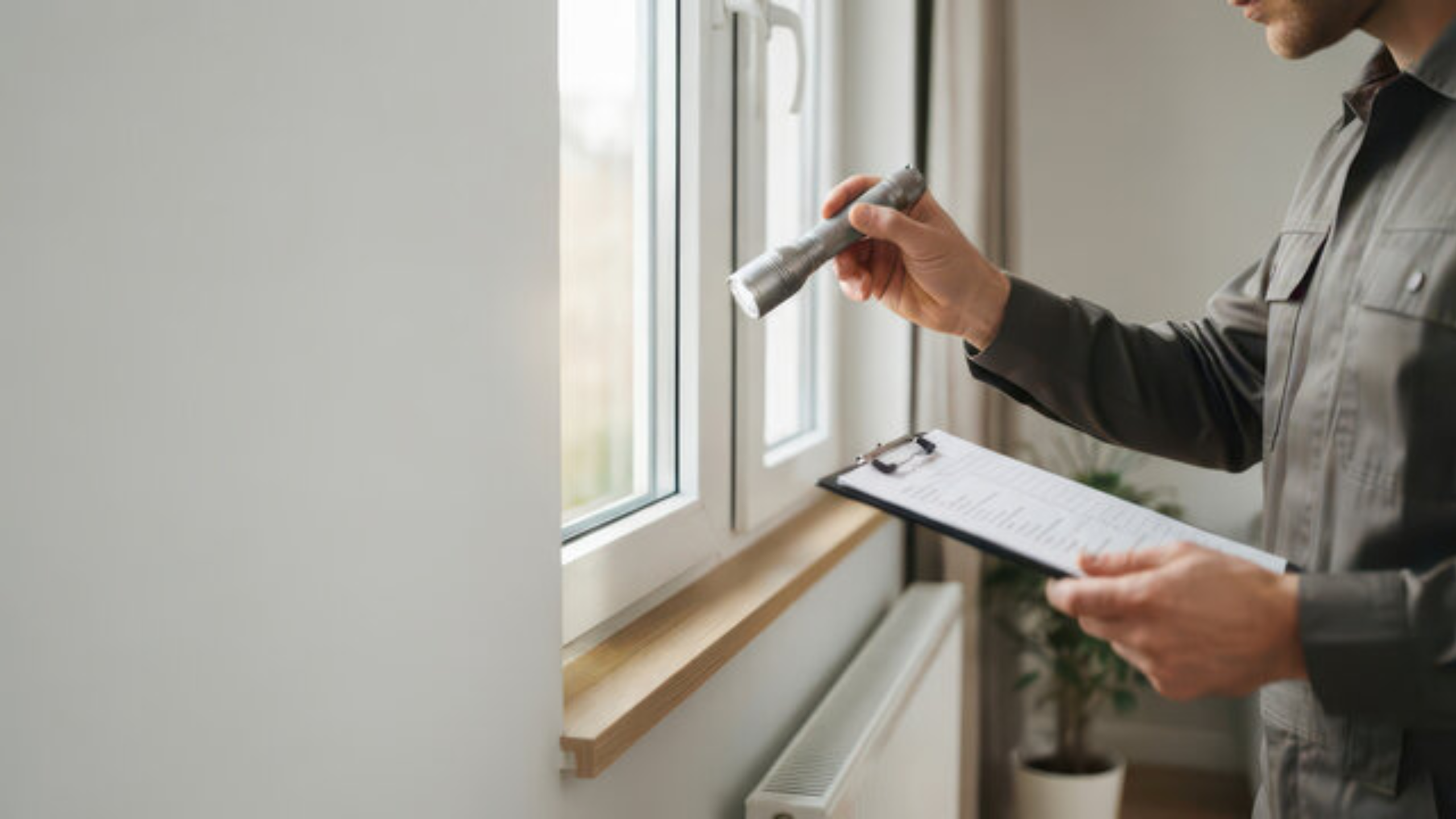
During a home plumbing inspection, professionals evaluate visible pipes, fixtures, drains, water supply systems, and water heating equipment. They also look for signs of leaks, corrosion, blockages, improper installations, and safety concerns.
Unlike emergency repairs that address a specific problem, a plumbing inspection focuses on the overall health of the plumbing system. As a result, homeowners gain a better understanding of the condition of their property and can make informed maintenance decisions.
Regular inspections are especially beneficial for older homes where plumbing materials may have deteriorated over time. However, even newer properties can develop issues that remain hidden until significant damage occurs.
When Should Homeowners Schedule an Inspection?
Many plumbing issues develop slowly. A small leak behind a wall may continue for months before becoming noticeable. Similarly, corrosion inside pipes can gradually restrict water flow without causing immediate symptoms.
Routine residential plumbing inspections help detect these concerns early. Consequently, homeowners can address minor issues before they evolve into major repairs.
In addition to preventing costly damage, inspections can improve water efficiency, reduce utility bills, and extend the lifespan of plumbing components. They also provide reassurance that your home’s plumbing system is operating safely and effectively.
For homeowners preparing to sell a property, an inspection can reveal issues that may affect the transaction process. Addressing concerns beforehand often helps avoid surprises during negotiations.
Inspecting Water Supply Lines
Why Supply Lines Matter
Water supply lines are responsible for delivering clean water to sinks, showers, appliances, and fixtures throughout the home. Because these pipes are constantly under pressure, they are vulnerable to wear and tear over time.
A key part of any plumbing system inspection involves evaluating the condition of supply lines.
Common Supply Line Problems
One of the most common issues inspectors encounter is pipe corrosion. Older metal pipes may rust internally, reducing water flow and affecting water quality.
Leaks are another frequent concern. Even small leaks can waste significant amounts of water and contribute to mold growth or structural damage if left unaddressed.
Mineral buildup is also common in areas with hard water. Over time, minerals can accumulate inside pipes, restricting flow and increasing pressure on the plumbing system.
Additionally, some older homes contain outdated pipe materials that may no longer meet modern standards. Identifying these materials during an inspection allows homeowners to plan future upgrades.
Signs Your Supply Lines Need Attention
Several symptoms may indicate a problem with water supply lines. Reduced water pressure is often one of the first signs homeowners notice. Discolored water may also suggest corrosion inside pipes.
Unexpected increases in water bills can point to hidden leaks, while damp spots on walls, ceilings, or floors may indicate water escaping from damaged pipes.
During a professional home plumbing inspection, inspectors carefully assess these warning signs and determine whether repairs or replacements are necessary.
Drainage System Inspection Essentials
While supply lines bring water into the home, drainage systems remove wastewater safely and efficiently. When drains function properly, homeowners rarely think about them. However, drainage issues can quickly become disruptive and expensive.
A comprehensive drain line inspection focuses on identifying obstructions, damage, and other factors that may affect wastewater flow.
How Drainage Systems Work
Residential drainage systems rely on gravity to move wastewater away from fixtures and toward municipal sewer systems or septic systems.
To function correctly, drain pipes must maintain proper alignment and ventilation. Any disruption in this process can lead to slow drainage, backups, or unpleasant odors.
Because many drainage components are hidden underground or behind walls, inspections are often the most effective way to identify developing issues.
Common Drainage Problems Inspectors Look For
Clogs remain one of the leading causes of drainage issues. Grease, soap residue, food waste, hair, and debris can gradually accumulate inside pipes.
Tree root intrusion presents another major concern. Roots naturally seek moisture and can enter underground sewer lines through small cracks or joints. Once inside, they continue growing and may eventually block wastewater flow.
Pipe deterioration can also create significant problems. Cracks, collapsed sections, and misaligned pipes often require professional repair to restore proper drainage.
Warning Signs of Drainage Issues
Homeowners should pay attention to slow-draining sinks, tubs, and showers. Frequent backups are another indication that a deeper issue may exist within the drainage system.
Gurgling sounds from drains or persistent sewer odors can also signal problems that require immediate attention.
A professional drain line inspection can identify the root cause of these issues and recommend appropriate solutions before conditions worsen.
Modern Drain Inspection Methods
Advancements in plumbing technology have made inspections more accurate than ever.
Video camera inspections allow professionals to examine the interior of drain lines without extensive excavation. These cameras provide real-time footage that helps identify blockages, cracks, root intrusion, and structural damage.
Leak detection equipment can locate hidden leaks with remarkable precision. As a result, homeowners avoid unnecessary demolition while addressing underlying issues.
These technologies improve the accuracy of residential plumbing inspections and help ensure that problems are diagnosed correctly from the start.
Water Heater Inspection Checklist
Why Water Heater Inspections Are Important
Many homeowners underestimate the importance of regular water heater inspection services. Yet the water heater is one of the hardest-working appliances in the home.
A failing water heater can increase energy costs, reduce comfort, and even create safety hazards.
What Inspectors Check
During a water heater inspection, professionals evaluate several key components.
The tank is checked for signs of corrosion, leaks, and structural deterioration. Inspectors also assess the pressure relief valve, which helps prevent dangerous pressure buildup.
The anode rod receives special attention because it helps protect the tank from internal corrosion. If the rod has deteriorated significantly, replacing it can extend the life of the water heater.
For gas-powered systems, inspectors verify proper burner operation and venting. Electric water heaters require evaluation of heating elements and electrical connections.
Common Water Heater Problems
Sediment buildup is one of the most common issues found during inspections. Over time, minerals settle at the bottom of the tank, reducing efficiency and increasing energy consumption.
Corrosion can weaken tank walls and eventually lead to leaks. Temperature inconsistencies may indicate failing components or thermostat issues.
Unusual noises such as popping or rumbling often signal excessive sediment accumulation inside the tank.
By identifying these concerns early, homeowners can often avoid emergency replacements and unexpected disruptions.
Signs It’s Time for Water Heater Maintenance or Replacement
Several warning signs suggest it’s time to schedule a water heater inspection.
A decrease in available hot water is a common indicator. Water discoloration may signal internal corrosion, while rising utility bills often point to declining efficiency.
Visible leaks around the tank should never be ignored. Even minor leaks can worsen rapidly and cause extensive water damage.
Benefits of Routine Residential Plumbing Inspections
Regular residential plumbing inspections offer numerous advantages beyond identifying immediate problems.
First, inspections help reduce repair costs. Addressing minor issues early is almost always less expensive than waiting for a major failure.
Second, inspections improve water conservation. Detecting leaks and inefficient fixtures helps reduce water waste and lower utility expenses.
Third, inspections enhance safety. Hidden leaks can contribute to mold growth and structural damage, while water heater issues may present safety risks if not addressed promptly.
Additionally, routine inspections support property value. Prospective buyers often appreciate documentation showing that a home’s plumbing system has been professionally maintained.
Plumbing Inspection Checklist for Homeowners
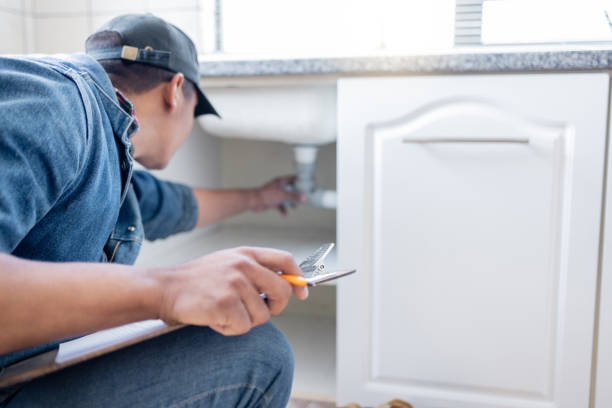
Homeowners can perform basic visual checks throughout the year. Looking for leaks under sinks, monitoring water pressure, and observing drainage performance are useful habits.
However, a professional plumbing inspection checklist covers far more than what homeowners can typically evaluate on their own.
Experienced inspectors have specialized tools, industry knowledge, and training that allow them to identify hidden concerns. They can assess plumbing components that are inaccessible or difficult to evaluate without professional equipment.
As a result, professional inspections provide a much more complete understanding of the plumbing system’s condition.
How Often Should You Schedule a Plumbing Inspection?
For most homes, annual inspections provide an effective balance between preventative maintenance and cost.
Older homes may benefit from more frequent evaluations, particularly if they contain aging plumbing materials. Homes with a history of plumbing problems should also receive regular inspections.
Property owners planning major renovations should schedule an inspection beforehand. Doing so helps identify existing issues that could affect the project or increase costs later.
Ultimately, routine inspections are one of the simplest ways to protect your home’s plumbing infrastructure and avoid unexpected expenses.
Protect Your Home with a Professional Plumbing Inspection
Your plumbing system affects nearly every aspect of daily life, from clean drinking water to reliable hot water and efficient wastewater removal. Unfortunately, many plumbing issues remain hidden until they cause significant damage.
Regular residential plumbing inspections provide an opportunity to detect problems early, improve system performance, and extend the life of essential plumbing components. Whether it’s evaluating supply lines, conducting a thorough drain line inspection, or performing a detailed water heater inspection, proactive maintenance can save homeowners substantial time, money, and frustration.
Conclusion
If you want confidence in your home’s plumbing system, trust the experienced team at Select Inspection to provide a comprehensive evaluation. Identifying issues today can help prevent costly repairs tomorrow.
Contact Us Today to schedule your professional residential plumbing inspection and keep your home’s plumbing system operating at its best.
Frequently Asked Questions
1. What does a residential plumbing inspection include?
It includes checking supply lines, drains, fixtures, and water heaters for leaks, damage, and performance issues.
2. How much does a home plumbing inspection cost?
A home plumbing inspection typically costs between $100 and $500, depending on the property’s size and inspection scope.
3. How often should plumbing be inspected in a house?
Most homeowners should schedule a professional plumbing inspection at least once a year.
4. Can a plumbing inspection detect hidden leaks?
Yes, professional inspections can identify hidden leaks using specialized tools and techniques.
5. What are the signs that my water heater needs inspection?
Common signs include inconsistent hot water, strange noises, leaks, and rising energy bills.
6. Why is drain line inspection important for homeowners?
Drain line inspections help detect blockages, damage, and root intrusion before major plumbing problems occur.