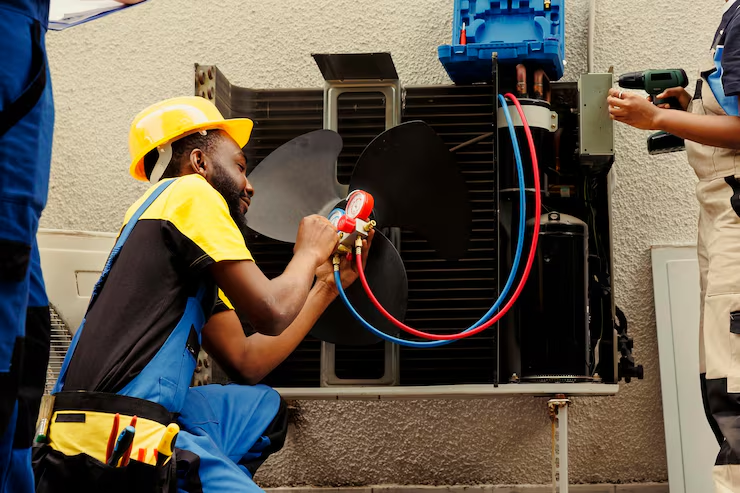
Your home’s comfort depends on more than just adjusting the thermostat. Behind every warm winter evening and cool summer afternoon is an HVAC system working hard to regulate temperature, airflow, and indoor air quality. However, many homeowners only think about their heating and cooling equipment when something goes wrong. By that point, repairs can become expensive and inconvenient.
This is where a thorough HVAC inspection checklist becomes essential. Regular inspections help identify issues before they turn into major failures. They also improve efficiency, lower energy costs, and extend the lifespan of your equipment. At Select Inspection, professionals understand that a detailed evaluation of heating, cooling, and ventilation systems can reveal hidden problems that homeowners often overlook.
Whether you are preparing to buy a home, maintaining your current property, or simply trying to reduce utility costs, understanding the HVAC inspection checklist can help you make informed decisions about your home’s comfort systems.
What Are Residential HVAC Diagnostics?
Understanding HVAC Diagnostic Procedures
An HVAC inspection checklist is a structured process used to evaluate the performance, safety, and condition of heating, ventilation, and air conditioning systems. Rather than relying on a quick visual review, inspectors examine critical components to ensure the system operates efficiently and safely.
A comprehensive residential HVAC inspection includes examining heating equipment, cooling components, electrical connections, ductwork, ventilation pathways, filters, thermostats, and safety controls. The goal is to identify potential concerns before they affect system performance.
In addition, a detailed inspection provides valuable information about the remaining life expectancy of equipment and any maintenance or repairs that may be required.
Why HVAC System Evaluations Matter
Many homeowners assume their HVAC system is functioning properly as long as conditioned air is coming through the vents. Unfortunately, small issues can develop long before noticeable symptoms appear.
An HVAC system inspection helps uncover hidden concerns such as airflow restrictions, electrical issues, refrigerant problems, or aging components. Early detection can prevent sudden breakdowns during periods of extreme weather.
Furthermore, a heating and cooling system evaluation can improve energy efficiency. When equipment operates efficiently, it uses less energy to maintain comfortable indoor temperatures. As a result, homeowners often experience lower monthly utility bills.
Regular inspections also contribute to healthier indoor environments. Proper ventilation system assessment ensures fresh air circulation while reducing indoor pollutants, allergens, and excessive humidity.
Key Components Evaluated During Residential HVAC Diagnostics
Heating System Inspection
Heating equipment is one of the most important parts of any HVAC inspection checklist. During colder months, a malfunctioning heating system can quickly become a serious concern.
Inspectors begin by examining the furnace or heat pump for signs of wear, corrosion, or damage. They check burners, ignition systems, heat exchangers, and blower components to verify proper operation.
The heat exchanger receives particular attention because cracks or damage can create safety hazards. A damaged heat exchanger may allow harmful gases to enter living spaces, which can affect indoor air quality and occupant safety.
Thermostat performance is also evaluated. Even a high-quality heating system can struggle to maintain comfort if thermostat readings are inaccurate.
Additionally, inspectors assess airflow throughout the system. Restricted airflow can force heating equipment to work harder than necessary, reducing efficiency and increasing operating costs.
Cooling System Evaluation
Cooling equipment plays a vital role in maintaining comfort during warmer months. As part of a complete HVAC inspection checklist, inspectors thoroughly evaluate air conditioning performance.
The process often begins with examining the outdoor condenser unit. Dirt accumulation, damaged fins, and debris around the unit can restrict airflow and reduce efficiency.
Next, inspectors evaluate refrigerant levels. Improper refrigerant levels can impact cooling performance and place additional strain on the compressor. Refrigerant leaks are also checked because they can significantly reduce system effectiveness.
The evaporator coil is another critical component. Dirty or damaged coils can restrict heat transfer and decrease cooling capacity. Therefore, inspectors verify that coils remain clean and functional.
Electrical components, including capacitors, contactors, and wiring connections, are also inspected. Electrical failures are among the most common causes of air conditioning breakdowns.
By conducting a detailed home HVAC inspection, technicians can identify cooling issues before they lead to costly repairs.
Ventilation System Assessment
Ventilation is often the most overlooked aspect of HVAC performance. Yet it plays a significant role in indoor comfort and air quality.
A proper ventilation system assessment focuses on airflow throughout the home. Inspectors examine supply and return vents to ensure balanced air distribution.
Ductwork receives careful attention as well. Leaks, disconnected sections, and poor insulation can reduce efficiency and affect indoor comfort. In some homes, duct leakage accounts for a significant amount of conditioned air loss.
Ventilation assessments also evaluate humidity control. Excess moisture can contribute to mold growth, while overly dry air can cause discomfort and damage wood furnishings.
In addition, inspectors check exhaust systems in kitchens, bathrooms, and laundry areas. Proper exhaust ventilation helps remove pollutants and excess moisture from living spaces.
When ventilation systems function correctly, homeowners enjoy improved comfort, healthier air, and more consistent temperatures throughout the home.
Common Problems Identified Through HVAC Diagnostics
A thorough HVAC inspection checklist often reveals problems that homeowners may not notice during daily use.
Dirty air filters are among the most common findings. Although simple to replace, clogged filters can significantly restrict airflow and reduce efficiency.
Duct leakage is another frequent concern. Air escaping through damaged ducts forces HVAC equipment to work harder to maintain desired temperatures.
Faulty thermostats can also create comfort issues. Inaccurate temperature readings may cause unnecessary cycling or uneven heating and cooling.
Electrical problems frequently appear during inspections as well. Loose connections, worn wiring, and failing components can affect performance and increase safety risks.
Refrigerant leaks are often discovered during cooling system evaluations. Even small leaks can reduce efficiency and shorten equipment lifespan.
By identifying these issues early, homeowners can avoid more expensive repairs in the future.
The Role of HVAC Troubleshooting
While routine inspections focus on overall system health, HVAC troubleshooting addresses specific performance problems.
For example, if certain rooms remain warmer or cooler than others, inspectors investigate airflow distribution and duct conditions. If the system cycles frequently, thermostat operation and electrical controls may require further evaluation.
HVAC troubleshooting often involves measuring temperature differences, airflow rates, electrical performance, and system pressures. These diagnostic procedures help pinpoint the exact cause of a problem rather than relying on guesswork.
As a result, repairs become more accurate and cost-effective.
How Residential HVAC Diagnostics Improve Energy Efficiency
One of the biggest benefits of following an HVAC inspection checklist is improved energy efficiency.
Over time, dirt buildup, worn components, and airflow restrictions can gradually reduce system performance. Even small inefficiencies can increase utility bills significantly throughout the year.
Regular inspections identify these performance issues early. Cleaning coils, sealing duct leaks, replacing filters, and calibrating thermostats can restore efficiency and reduce energy consumption.
Moreover, an efficient HVAC system experiences less wear and tear. This often results in fewer repairs and longer equipment lifespan.
For homeowners seeking lower operating costs, routine inspections represent one of the smartest investments in home maintenance.
Preventive Maintenance vs. Diagnostic Testing
Many homeowners confuse preventive maintenance with inspections. While the two services are related, they serve different purposes.
Preventive maintenance focuses on cleaning, lubricating, and servicing equipment to keep it running efficiently. Examples include changing filters, cleaning coils, and checking refrigerant levels.
An HVAC system inspection, however, focuses on evaluating condition, performance, and safety. Inspectors look for defects, aging components, installation concerns, and potential future issues.
The most effective strategy combines both services. Regular maintenance keeps equipment operating efficiently, while inspections identify developing problems before they become serious.
Together, they provide comprehensive protection for heating, cooling, and ventilation systems.
Residential HVAC Diagnostic Checklist
Selecting a qualified professional is essential when scheduling a residential HVAC inspection. Experienced inspectors understand how to evaluate complex systems and identify concerns that may not be immediately visible.
Look for professionals who perform comprehensive assessments rather than quick visual checks. A quality inspection should include heating equipment, cooling systems, ventilation components, electrical connections, airflow evaluation, and safety controls.
Detailed inspection reports are equally important. Clear documentation helps homeowners understand system condition and prioritize future repairs or upgrades.
Professional expertise can make a significant difference in identifying hidden issues and protecting long-term HVAC performance.
Conclusion
Your HVAC system is one of the most important investments in your home. It affects comfort, energy efficiency, indoor air quality, and overall property value. Following a comprehensive HVAC inspection checklist helps identify potential problems early, reduce operating costs, and extend equipment lifespan. Whether you are maintaining your current residence or evaluating a new property, routine inspections provide valuable insight into the health of your heating, cooling, and ventilation systems.
If you want confidence that your HVAC system is operating safely and efficiently, contact Select Inspection today. Their experienced team provides thorough evaluations designed to help homeowners make informed decisions and maintain year-round comfort. Contact Us today to schedule your professional HVAC inspection and ensure your home’s comfort systems perform at their best.
Frequently Asked Questions
1. What are residential HVAC diagnostics?
Residential HVAC diagnostics involve a detailed evaluation of a home’s heating, cooling, and ventilation systems to identify performance issues, safety concerns, and potential repair needs.
2. What is included in an HVAC inspection checklist?
An HVAC inspection checklist typically includes examining furnaces, air conditioners, heat pumps, thermostats, ductwork, ventilation systems, electrical components, filters, and safety controls.
3. How often should an HVAC system be inspected?
Most experts recommend scheduling a professional HVAC system inspection at least once a year, ideally before peak heating and cooling seasons.
4. Why is a heating and cooling system evaluation important?
A heating and cooling system evaluation helps identify inefficiencies, worn components, and safety concerns before they lead to costly repairs or system failures.
5. Can HVAC diagnostics improve energy efficiency?
Yes. HVAC diagnostics can uncover issues such as dirty filters, refrigerant leaks, duct leaks, and airflow restrictions that reduce efficiency and increase energy costs.