Introduction
Preparing your home before a home inspector arrives can make a significant difference in the inspection experience. Whether you are selling your property or simply want a professional evaluation of its condition, taking the time to get ready can help the process move smoothly. A well-prepared property allows the inspector to access important systems and components without delays, resulting in a more accurate report.
At Select Inspection, we understand that many homeowners feel uncertain about what inspectors look for and how they should prepare. If you are wondering how to prepare for a home inspection, the good news is that the process does not require expensive renovations or major upgrades. Instead, effective home inspection preparation focuses on making your property accessible, safe, clean, and ready for a thorough review. Taking these simple steps before the inspection can help create a smoother experience and ensure the inspector can evaluate every important area of your home.
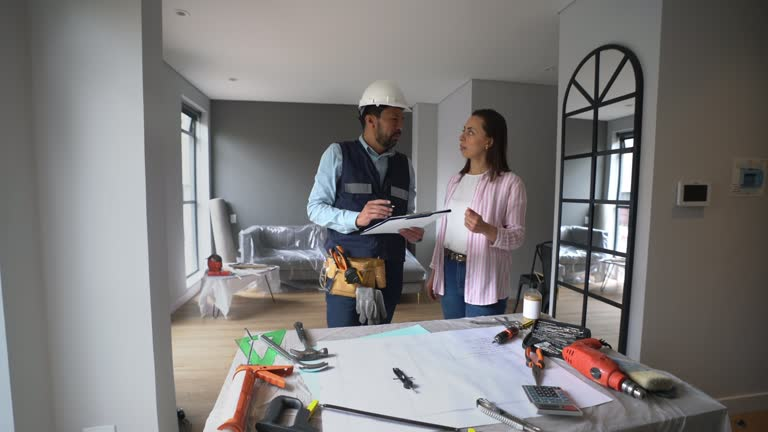
This guide explains how to prepare for a home inspection and what steps you can take before the home inspector arrival to create a positive experience for everyone involved.
Understanding the Purpose of a Home Inspection
What Home Inspectors Evaluate
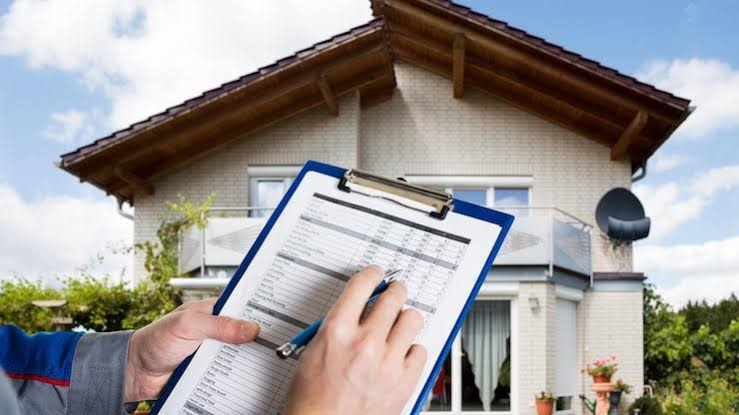
AA pre-listing home inspection Lafayette LA is a detailed visual assessment of a property’s major systems and structural components. During the inspection, professionals examine the roof, foundation, plumbing, electrical system, heating and cooling equipment, windows, doors, walls, ceilings, and other visible features.
The goal is not to determine whether a home passes or fails. Instead, the inspector documents the property’s current condition and identifies areas that may require maintenance, repair, or further evaluation.
Understanding the home inspection process helps homeowners focus on preparation rather than worrying about the outcome.
Common Issues Inspectors Look For
Inspectors often identify problems such as water intrusion, electrical concerns, plumbing leaks, damaged roofing materials, poor drainage, and signs of deferred maintenance. In addition, they check for safety issues that could affect occupants.
While no home is perfect, addressing obvious concerns before the home inspector arrival can demonstrate that the property has been properly maintained.
Start with General Cleaning and Organization
Declutter Key Areas
One of the simplest ways to prepare for a home inspection is to remove unnecessary clutter. Inspectors need clear access to various parts of the home, including utility rooms, garages, basements, and attics.
When boxes, furniture, or storage items block important systems, the inspection may take longer. In some cases, certain areas may not be fully evaluated if access is restricted.
Creating open pathways allows the inspector to work efficiently and helps ensure a complete inspection.
Improve Overall Presentation
Although cleanliness does not affect the inspection report directly, a clean home creates a positive impression. It also makes it easier for inspectors to identify potential issues.
Take time to clean floors, wipe surfaces, organize storage spaces, and remove unnecessary items. A tidy environment can help support a smoother inspection process from start to finish.
Ensure Easy Access to All Inspection Areas
Clear Access to Essential Components
Accessibility is one of the most important parts of home inspection preparation. Inspectors need to examine electrical panels, water heaters, furnaces, air conditioning units, crawl spaces, and attic entrances.
If these areas are blocked, valuable inspection time can be lost. Before the appointment, move stored items away from major systems and ensure there is enough space for the inspector to work safely.
Unlock Gates, Doors, and Utility Areas
Many inspection delays occur because inspectors cannot access certain sections of the property. Make sure gates, sheds, utility rooms, garages, and crawl space entrances are unlocked before the inspection begins.
This simple step helps the home inspector arrival proceed without unnecessary interruptions.
Complete Minor Repairs Before the Inspection
Address Small Maintenance Issues
Minor defects can attract attention during an inspection. While they may not be serious problems, fixing them beforehand can improve the overall condition of the property.
Repair dripping faucets, tighten loose hardware, replace damaged screens, and secure handrails where necessary. Small maintenance tasks show that the home has been cared for over time.
Test Household Features
Inspectors routinely test visible and accessible components throughout the home. Before the inspection, verify that light fixtures, switches, windows, locks, and doors function properly.
You should also test smoke alarms and carbon monoxide detectors to confirm they are operating as intended.
Check Your Home’s Exterior Condition
Inspect the Roof and Gutters
The exterior of your property creates the first impression during the home inspection process. Start by checking the roof for obvious signs of damage. Missing shingles, excessive debris, and clogged gutters can raise concerns.
Cleaning gutters and removing branches from the roof can help improve drainage and reduce the appearance of neglect.
Maintain Landscaping
Landscaping can impact the inspection as well. Trim shrubs and tree branches that touch the house. In addition, remove vegetation that blocks access to exterior walls, foundations, or utility equipment.
Proper landscaping also helps inspectors evaluate drainage conditions around the property.
Examine Exterior Surfaces
Take a close look at siding, walkways, driveways, and foundation areas. While cosmetic flaws are common, significant cracks or damage should be reviewed and addressed when appropriate.
A well-maintained exterior contributes to a smoother home inspector arrival experience.
Prepare Plumbing Systems for Inspection
Inspect for Leaks
Plumbing issues are among the most common findings during inspections. Check under sinks, around toilets, and near water heaters for signs of moisture or active leaks.
Even small leaks can lead to water damage over time. Fixing these issues before the inspection can help prevent unnecessary concerns.
Verify Proper Water Flow
Run faucets and showers throughout the home to confirm proper water pressure. Flush toilets and test drains to ensure water flows correctly.
Addressing slow drains or minor plumbing issues beforehand can help improve inspection results and demonstrate responsible homeownership.
Make Sure Electrical Systems Are Functioning Properly
Inspect Electrical Components
Electrical systems play a critical role in every home inspection. Inspectors evaluate outlets, switches, fixtures, and electrical panels for visible concerns.
Walk through the property and test accessible electrical components. Replace damaged outlet covers and ensure fixtures operate correctly.
Replace or Repair Faulty Items
Flickering lights, broken switches, and non-functioning outlets may indicate underlying issues. While some problems are simple fixes, addressing them before the inspection can help reduce avoidable findings.
Proper electrical maintenance is an important part of preparing your home for inspection.
Check Heating and Cooling Systems
Service HVAC Equipment
Heating and cooling systems receive close attention during a home inspection. Replace dirty air filters and clean supply vents before the appointment.
Routine maintenance records can also be helpful if the inspector or potential buyer has questions about system care.
Verify System Operation
Test both heating and cooling functions if weather conditions permit. Confirm that the thermostat responds correctly and that the system operates normally.
Functional HVAC equipment helps support a successful home inspection process and gives buyers greater confidence in the property.
Gather Important Home Documentation
Documents to Have Ready
Homeowners often overlook the value of maintenance records. However, these documents can provide useful information about the property’s history.
Gather records related to roof replacements, HVAC servicing, plumbing repairs, appliance warranties, and other major improvements.
Why Documentation Helps
Documentation demonstrates responsible ownership and can answer questions that arise during the inspection. In addition, it provides transparency and helps buyers understand the property’s maintenance history.
Having records available can make the inspection process more efficient and informative.
Address Safety and Security Concerns
Verify Safety Devices
Safety devices should be tested before the inspection. Ensure smoke detectors and carbon monoxide alarms are functioning properly.
Inspectors may also check GFCI-protected outlets in areas where they are required.
Remove Potential Hazards
Walk through the home and identify any obvious safety concerns. Remove tripping hazards, secure loose rugs, and address exposed wiring when possible.
Creating a safe environment benefits both the inspector and future occupants.
Prepare Pets and Family Members for Inspection Day
Secure Pets
Pets can create distractions during an inspection. Even friendly animals may interfere with the process or become stressed by unfamiliar visitors.
Consider placing pets in a secure area or arranging temporary care during the inspection.
Limit Distractions
A quieter environment allows inspectors to focus on their work. If possible, limit household activity during the appointment.
Providing uninterrupted access helps the inspection move more efficiently and reduces the likelihood of delays.
What Not to Do Before a Home Inspection
Avoid Concealing Problems
Some homeowners mistakenly believe they should hide visible defects. However, inspectors are trained to identify signs of damage and maintenance concerns.
Transparency is always the best approach. Address issues when possible and provide documentation for completed repairs.
Avoid Last-Minute Major Repairs
Large projects completed immediately before the inspection may not allow enough time for proper evaluation. Instead, focus on necessary maintenance and ensure recent work is supported by invoices or contractor records.
A well-documented repair history often provides greater value than rushed improvements.
Final Home Inspection Preparation Checklist
Day-Before Inspection Tasks
The day before the inspection, complete a final walkthrough of the property. Confirm that all utilities are operating, access points are unlocked, and major systems are accessible.
Review your maintenance records and ensure important documents are easy to locate if needed.
Morning-of-Inspection Tasks
On inspection day, turn on all utilities and verify that heating, cooling, plumbing, and electrical systems are functioning. Open access panels where appropriate and ensure the inspector can reach all areas of the property.
These final steps help support a smooth home inspector arrival and a comprehensive evaluation.
Conclusion
Preparing for a home inspection does not have to be stressful. By focusing on accessibility, cleanliness, routine maintenance, and safety, homeowners can help create an efficient inspection experience. A well-prepared property allows inspectors to perform a thorough assessment and provides valuable information to buyers and sellers alike.
Preparing for a home inspection does not have to be stressful. By focusing on accessibility, cleanliness, routine maintenance, and safety, homeowners can help create an efficient inspection experience. A well-prepared property allows inspectors to perform a thorough assessment and provides valuable information to buyers and sellers alike. At Select Inspection, we encourage homeowners to take these simple preparation steps before the home inspector arrival so the process can move forward with confidence and clarity. If you are ready to schedule a professional inspection or have questions about the process, contact Select Inspection today to speak with our team and book your inspection.
Frequently Asked Questions
1. How clean should my home be before a home inspection?
Your home does not need to be spotless, but it should be clean and organized enough to allow easy access to all inspection areas.
2. Should I leave the house during the inspection?
Many homeowners choose to leave during the inspection so the inspector can work without interruptions.
3. What repairs should I complete before a home inspection?
Focus on minor maintenance issues, safety concerns, and accessibility improvements rather than major renovations.
4. Can a home fail an inspection?
No. Home inspections do not involve a pass or fail result. The inspector simply reports their findings.
5. How long does a typical home inspection take?
Most home inspections take between two and four hours, depending on the size, condition, and complexity of the property.