
Selling a home involves much more than placing a sign in the yard and waiting for offers. Today’s buyers are informed, cautious, and often expect complete transparency before making a purchasing decision. As a result, sellers who take proactive steps to prepare their homes often enjoy smoother transactions and stronger offers.
One of the smartest ways to prepare a property for the market is by scheduling a pre-listing home inspection. This inspection takes place before the home is listed and provides valuable insights into the property’s condition. At Select Inspection, sellers often discover that investing in a pre-listing home inspection helps them avoid surprises, build buyer confidence, and streamline the entire selling process.
If you’re planning to sell your home, understanding the advantages of a pre-listing home inspection can help you make a more informed decision and maximize your home’s value.
What Is a Pre-Listing Home Inspection?
Understanding the Process
A pre-listing home inspection is a professional evaluation of a property’s condition conducted before the home is placed on the market. The inspection covers many of the same systems and components that a buyer’s inspector would review later in the transaction.
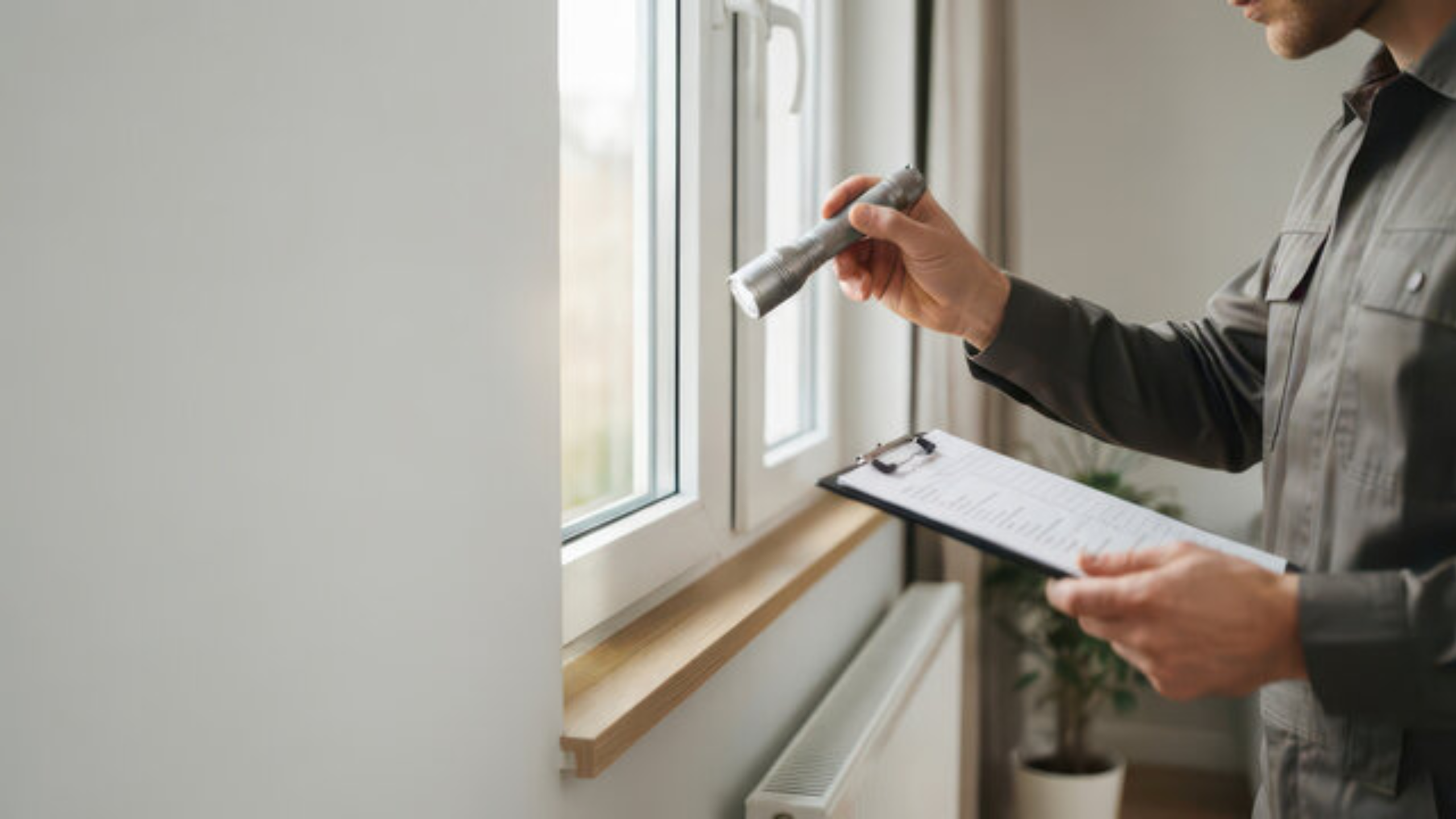
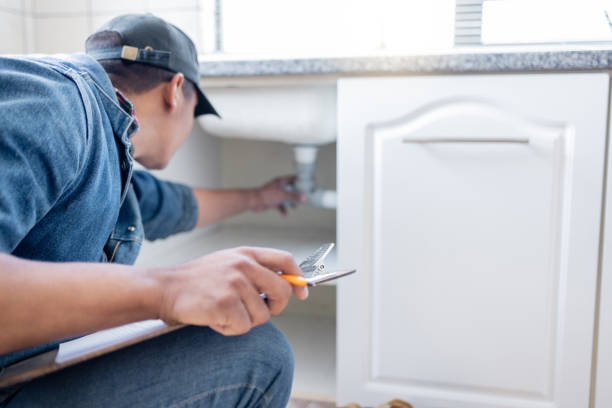
During the inspection, professionals assess structural elements, roofing, plumbing systems, electrical components, HVAC equipment, insulation, windows, doors, and other key areas. The goal is to identify existing issues that could affect the sale.
When Sellers Should Schedule One
Unlike a buyer’s inspection, which often occurs after an offer has been accepted, a pre-listing home inspection gives sellers an opportunity to address concerns before potential buyers discover them.
Timing is important. Scheduling the inspection several weeks before listing allows homeowners enough time to make repairs, gather documentation, and prepare their homes for a successful sale.
Uncover Issues Before Buyers Do
Identifying Hidden Problems
One of the biggest benefits of a pre-listing home inspection is the ability to identify hidden problems before they become obstacles during negotiations.
Many homeowners are unaware of issues developing behind walls, under roofs, or within major systems. Minor plumbing leaks, electrical hazards, roof damage, or HVAC deficiencies may go unnoticed for years. Unfortunately, buyers often uncover these problems during their inspection contingency period.
Avoiding Last-Minute Surprises
When unexpected defects appear late in the transaction, buyers may request repairs, negotiate lower prices, or even walk away entirely. This can create stress and uncertainty for everyone involved.
A pre-listing home inspection puts sellers in control. Instead of reacting to surprises, they can make informed decisions about repairs and disclose property conditions honestly from the beginning.
This proactive approach often results in fewer complications later in the sales process.
Increase Buyer Confidence and Trust
Demonstrating Transparency
Trust plays a major role in every real estate transaction. Buyers want reassurance that they are making a sound investment and purchasing a property that has been properly maintained.
Providing documentation from a pre-listing home inspection demonstrates transparency and professionalism. It shows buyers that the seller is willing to share information openly and has taken steps to understand the property’s condition.
Reducing Buyer Uncertainty
When buyers feel confident that there are no major hidden surprises, they are often more comfortable making competitive offers. In many cases, transparency reduces uncertainty and creates a more positive negotiation environment.
In addition, a seller home inspection can help answer buyer questions before they arise. This can speed up decision-making and reduce hesitation during the offer stage.
The more confidence buyers have, the smoother the transaction tends to be.
Gain More Control Over Repairs and Costs
Choose Contractors on Your Timeline
Without a pre-listing home inspection, sellers often find themselves making rushed repair decisions after a buyer’s inspection report arrives.
This situation can be costly. Sellers may feel pressured to hire contractors quickly, accept inflated repair estimates, or provide large concessions simply to keep the deal moving forward.
By identifying concerns early, sellers gain the advantage of time. They can compare contractor bids, schedule repairs according to their timeline, and choose solutions that fit their budget.
Some sellers may decide to complete repairs before listing. Others may choose to disclose issues and adjust pricing accordingly. Either way, they remain in control of the process rather than reacting under pressure.
Having options allows homeowners to manage costs more effectively while maintaining flexibility throughout the sale.
Strengthen Your Pricing Strategy
Price the Home More Accurately
Pricing a home correctly is one of the most important factors in achieving a successful sale. A pre-listing home inspection provides valuable information that can support an accurate pricing strategy.
When sellers understand the true condition of their property, they can establish realistic expectations and avoid overpricing. Overpriced homes often remain on the market longer, leading to price reductions and decreased buyer interest.
On the other hand, homes with documented repairs and well-maintained systems may justify stronger asking prices. Buyers often recognize the value of a property that has been professionally evaluated and properly maintained.
Supporting Premium Pricing
Inspection findings can also provide supporting evidence during negotiations. If buyers question pricing, sellers can reference completed repairs and inspection reports to demonstrate the home’s condition.
This added credibility helps support pricing decisions and encourages more confident offers.
Speed Up the Selling Process
Fewer Transaction Delays
Every seller hopes for a smooth transaction and a timely closing. A pre-listing home inspection can significantly reduce delays that commonly occur during escrow.
One of the most frequent causes of transaction slowdowns is the discovery of unexpected issues during the buyer’s inspection. Additional evaluations, contractor estimates, and repair negotiations can add weeks to the timeline.
When sellers complete a pre-sale home inspection beforehand, many of these concerns are already addressed. Buyers have a clearer understanding of the property’s condition from the start.
Faster Closing Timelines
As a result, negotiations tend to move more efficiently, paperwork progresses faster, and fewer obstacles emerge before closing.
In competitive markets, this efficiency can be a significant advantage. Buyers often appreciate homes that present fewer uncertainties and require less investigation.
Reduce the Risk of Deals Falling Through
Prevent Inspection-Related Cancellations
Real estate contracts fall apart for many reasons, but inspection-related issues are among the most common.
A buyer may discover structural defects, major system failures, or expensive repairs that were previously unknown. These findings can create doubts about the purchase and lead buyers to terminate the agreement.
A pre-listing home inspection helps reduce this risk by revealing concerns before the property reaches the market.
Improve Transaction Certainty
When sellers address issues proactively or disclose them upfront, buyers are less likely to feel surprised or misled. Expectations remain aligned throughout the transaction, creating a stronger foundation for successful negotiations.
Although no inspection can guarantee a sale, identifying and managing concerns early greatly improves the likelihood of reaching the closing table.
Create a Competitive Advantage in the Market
Stand Out From Similar Listings
Today’s real estate market is highly competitive. Buyers often compare multiple properties before making a decision.
A home that includes a pre-listing home inspection can stand out from similar listings because it offers greater transparency and preparedness.
Many buyers view inspected homes as lower-risk purchases. They appreciate having access to detailed information and often feel more comfortable moving forward.
In addition, properties that have already addressed maintenance concerns frequently present better during showings. Visible signs of care and upkeep can create stronger first impressions and attract serious buyers.
Whether the market is fast-paced or slow-moving, demonstrating preparedness can provide a meaningful competitive advantage.
Situations Where a Pre-Listing Home Inspection Is Especially Valuable
Older Homes
While every seller can benefit from a pre-listing home inspection, certain situations make it particularly valuable.
Older homes often contain aging systems, outdated wiring, roof wear, or deferred maintenance issues. An inspection can identify these concerns before buyers discover them.
Homes With Deferred Maintenance
Homes that have not received regular maintenance also benefit from early evaluation. Sellers may be unaware of developing problems that could affect marketability.
Properties involved in estate sales, relocations, or long-term ownership transitions often benefit as well. These situations may involve limited knowledge about the home’s current condition.
Competitive or Slow Markets
Even in strong seller’s markets, a pre-listing home inspection provides valuable insights and helps reduce uncertainty.
Regardless of property type, understanding the home’s condition creates a stronger foundation for a successful sale.
Understanding the Cost vs. Return on Investment
Typical Inspection Costs
Some sellers hesitate because of the upfront inspection cost. However, when compared to potential financial benefits, a pre-listing home inspection is often a worthwhile investment.
Potential Financial Benefits
Inspection fees are typically modest relative to the value of the property being sold. More importantly, the inspection may help sellers avoid expensive price reductions, large repair credits, or failed transactions.
For example, identifying a minor roof issue early may cost far less than negotiating a substantial buyer concession later. Similarly, addressing small plumbing concerns before listing can prevent larger problems from surfacing during negotiations.
The return on investment often comes in the form of smoother transactions, stronger buyer confidence, and reduced risk throughout the selling process.
When viewed from this perspective, a pre-listing home inspection can deliver significant value.
How to Prepare for a Pre-Listing Home Inspection
Organize Maintenance Records
Preparing properly helps ensure a successful inspection experience.
Sellers should begin by gathering maintenance records, repair receipts, warranty information, and documentation for recent upgrades. These records provide helpful context and demonstrate responsible home ownership.
Ensure Easy Access
It is also important to ensure inspectors have easy access to key areas such as attics, crawl spaces, electrical panels, water heaters, and HVAC equipment.
Address Minor Issues First
Addressing obvious maintenance items beforehand can also be beneficial. Replacing burned-out light bulbs, fixing leaking faucets, and securing loose handrails can help create a more accurate representation of the property’s condition.
Being prepared allows the inspection process to proceed smoothly and efficiently.
Conclusion: A Smart Investment for a Smoother Home Sale
A pre-listing home inspection is more than just another step in the selling process. It is a strategic investment that helps sellers uncover hidden issues, strengthen buyer confidence, support accurate pricing, and reduce the risk of unexpected complications. By taking a proactive approach, homeowners can enjoy greater control, smoother negotiations, and a more successful transaction overall.
If you’re preparing to sell your home and want to understand its condition before listing, the experienced team at Select Inspection is ready to help. Their comprehensive inspection services provide the insights you need to move forward with confidence. Contact us today to schedule your pre-listing home inspection and take the first step toward a smoother, more successful home sale.
Frequently Asked Questions
1. Is a pre-listing home inspection worth it for sellers?
Yes. A pre-listing home inspection helps identify issues before buyers discover them, reducing surprises and improving the overall selling process.
2. How much does a pre-listing home inspection cost?
Costs vary based on property size, age, and location. However, many sellers find the investment worthwhile because it can prevent costly negotiations later.
3. Should I fix all issues found during a pre-listing inspection?
Not necessarily. Sellers can choose to complete repairs, disclose issues, or adjust pricing depending on their goals and budget.
4. Can a pre-listing inspection help sell my home faster?
Yes. Buyers often feel more confident when a home has already been inspected, which can speed up decision-making and reduce delays.
5. What is the difference between a pre-listing inspection and a buyer's inspection?
A pre-listing inspection is ordered by the seller before listing the home, while a buyer’s inspection occurs after an offer has been accepted.
6. Will buyers still order their own home inspection after reviewing a pre-listing report?
Many buyers still choose to conduct their own inspection. However, a pre-listing home inspection provides valuable transparency and may reduce concerns during the transaction.