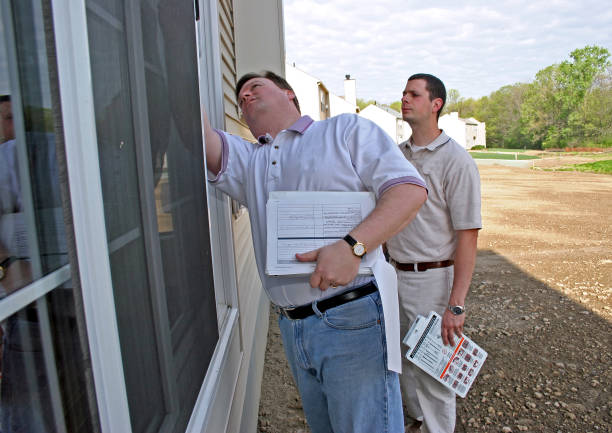
Buying a home is one of the biggest investments most people will ever make. While a property may look perfect during a walkthrough, hidden problems can exist behind walls, under floors, or within major systems. That’s why a 400-point home inspection has become an essential step for many buyers seeking complete peace of mind.
At Select Inspection, we understand that purchasing a home involves more than choosing the right location or floor plan. You need a clear understanding of the property’s condition before signing on the dotted line. A detailed inspection can uncover issues that may affect safety, comfort, and future maintenance costs.
But what exactly does a 400-point home inspection include? Is it worth the investment? And how does it differ from a standard inspection?
This guide breaks down everything you need to know about this comprehensive home inspection process so you can make an informed buying decision.
What Is a 400-Point Home Inspection?
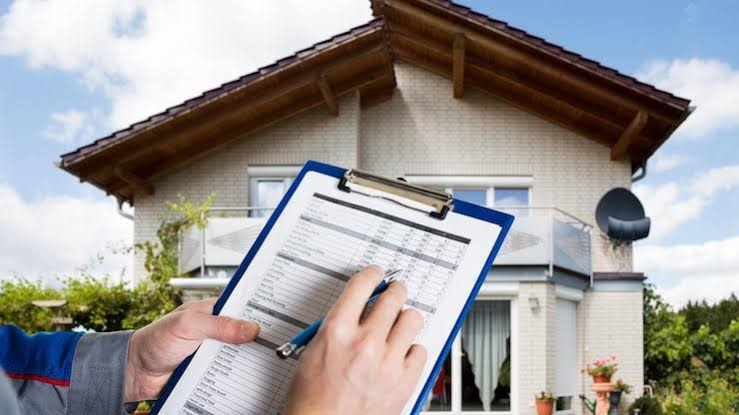
A 400-point home inspection is a highly detailed evaluation of a property’s condition. Unlike a basic inspection that focuses on major systems and visible concerns, this expanded assessment examines hundreds of individual components throughout the home.
The goal is to create a complete picture of the property’s current condition. Inspectors evaluate structural elements, electrical systems, plumbing, HVAC equipment, roofing, safety features, and many other areas.
A detailed home inspection report generated from this process helps buyers understand both immediate concerns and future maintenance needs.
Whether you’re a first-time buyer, investor, or homeowner preparing for a sale, a pre-purchase home inspection provides valuable insights that can help avoid costly surprises.
Why a Comprehensive Home Inspection Matters
Many homebuyers focus on cosmetic features such as fresh paint, upgraded kitchens, or attractive landscaping. However, hidden defects often cost significantly more than cosmetic updates.
A comprehensive home inspection can help:
- Identify safety hazards
- Detect water intrusion issues
- Reveal structural concerns
- Uncover electrical problems
- Highlight aging HVAC equipment
- Discover plumbing leaks
- Support repair negotiations
In addition, a detailed property inspection checklist gives buyers a better understanding of future repair costs and maintenance responsibilities.
Instead of relying solely on appearances, buyers gain objective information about the property’s condition.
Exterior Components Included in a 400-Point Home Inspection
The exterior protects the entire structure from weather and environmental damage. As a result, inspectors spend significant time evaluating these areas.
Roof System Inspection
The roof is one of the most important components of any home. During a 400-point home inspection, inspectors evaluate roofing materials, shingle condition, flashing integrity, roof penetrations, ventilation systems, chimneys, gutters, downspouts, and any signs of leaks or moisture damage. This assessment helps identify existing issues and potential problem areas before they lead to costly repairs.
Siding and Exterior Walls
Inspectors assess exterior surfaces for cracks, rot, loose materials, water damage, deterioration, and signs of pest activity. A thorough evaluation of siding and exterior walls helps ensure the home remains protected from moisture intrusion and structural damage while maintaining its overall integrity.
Foundation and Structural Elements
Foundation issues can become extremely expensive if left unresolved. During the inspection, professionals examine foundation walls, settlement cracks, structural movement, drainage patterns, exterior grading, and support systems. Early identification of these concerns can help prevent significant structural problems and future repair costs.
Driveways, Walkways, and Landscaping
Inspectors review driveways, walkways, and surrounding landscaping for trip hazards, cracked surfaces, drainage concerns, improper grading, and areas where water may accumulate. These observations provide insight into potential safety risks and drainage issues that could affect the property over time.
Walls, Ceilings, and Floors
The interior inspection focuses on visible signs of wear, damage, and structural concerns. Inspectors examine walls, ceilings, and floors for cracks, water stains, uneven surfaces, structural indicators, and evidence of previous repairs. These findings can reveal hidden issues that may impact the home’s condition and value.
Doors and Windows
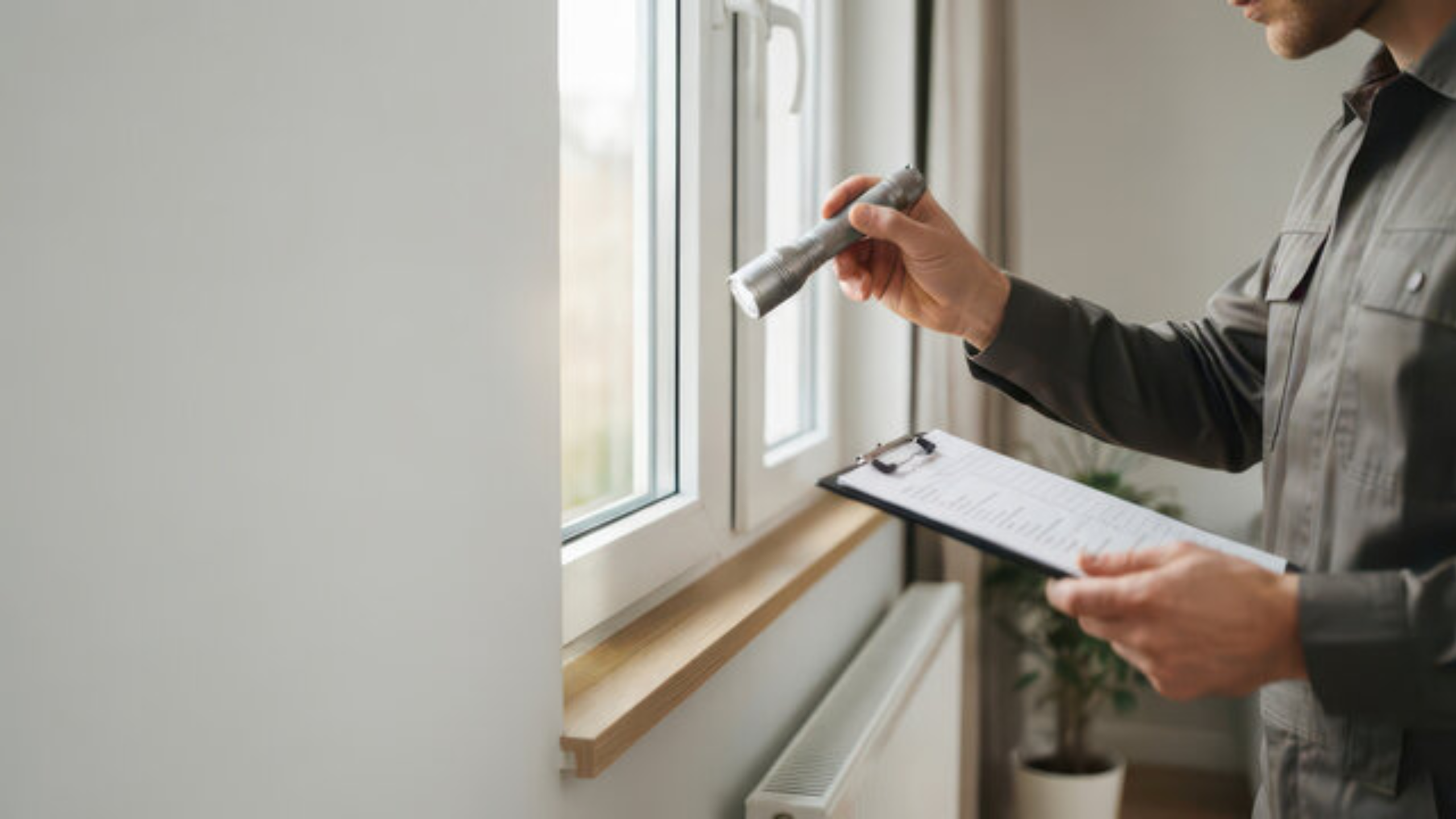
Doors and windows are evaluated for proper operation, secure locking mechanisms, broken seals, drafts, moisture intrusion, and overall condition. Inspectors may also identify energy-efficiency concerns that could affect comfort and utility costs.
Stairs and Railings
Safety is a major focus during any pre-purchase home inspection. Inspectors evaluate stairways and railings for stability, secure installation, potential safety hazards, and signs of general wear and tear. This assessment helps ensure that these features provide safe access throughout the home and do not present risks to occupants.
Main Electrical Panel
Electrical systems are among the most important components reviewed during a 400-point home inspection. Inspectors assess the main electrical panel for overall condition, proper circuit labeling, adequate capacity, signs of overheating, and proper grounding. Identifying electrical issues early is essential, as they can pose serious safety and fire hazards if left unaddressed.
Wiring and Circuits
The home inspection checklist includes an evaluation of visible wiring, circuit protection devices, grounding systems, exposed conductors, and any electrical modifications. Older homes often require additional attention because aging wiring or outdated electrical systems may not meet current safety standards.
Outlets, Switches, and Fixtures
Inspectors test light switches, electrical outlets, GFCI protection, AFCI devices, and light fixtures to verify proper operation and safety. Any defects, malfunctions, or safety concerns are documented in the final inspection report.
Water Supply System
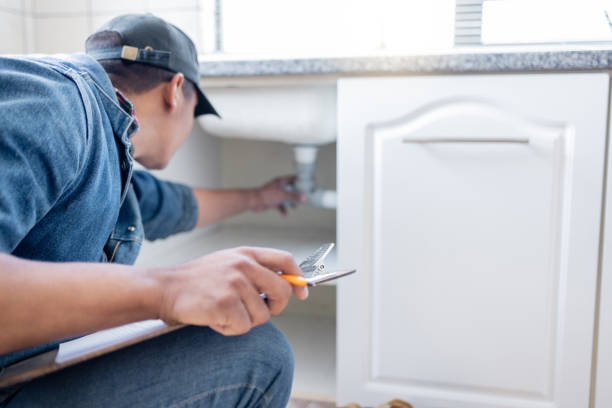
Plumbing problems can lead to costly repairs and water damage if not detected early. Inspectors review water pressure, pipe materials, visible leaks, shut-off valves, and supply lines to assess the condition of the plumbing system and identify any existing or developing issues.
Drainage and Sewer Connections
Drainage systems are evaluated for proper water flow, signs of backups, leaks, corrosion, and venting concerns. Detecting these problems early can help homeowners avoid expensive plumbing repairs and potential water damage.
Fixtures and Appliances
Inspectors test plumbing fixtures and appliances, including sinks, faucets, toilets, bathtubs, showers, and water heaters. Their performance, condition, and any visible defects are carefully noted within the home inspection report.
Heating System Evaluation
Heating and cooling systems directly impact comfort and energy efficiency. During the inspection, professionals examine furnaces, heat pumps, boilers, safety controls, airflow performance, and the overall age and condition of the equipment. This evaluation helps determine whether the system is operating safely and efficiently.
Air Conditioning Inspection
Cooling systems are assessed for operational performance, airflow, visible damage, refrigerant concerns, and overall condition. A thorough inspection can provide valuable insight into the expected lifespan and reliability of the HVAC system.
Ventilation Components
Inspectors evaluate ventilation components such as ductwork, air filters, attic ventilation, and exhaust systems. Proper ventilation contributes to indoor comfort, energy efficiency, and healthy indoor air quality.
Attic Assessment
Attics often reveal hidden issues that may not be visible elsewhere in the home. Inspectors assess insulation levels, ventilation, roof framing, moisture intrusion, and signs of pest activity. These findings can help identify concerns that affect energy efficiency and structural integrity.
Basement Inspection
Basements are inspected for water penetration, foundation cracks, structural concerns, mold indicators, and drainage issues. This portion of the inspection often provides valuable information about the home’s overall structural condition and moisture management.
Crawl Space Evaluation
Inspectors examine crawl spaces for moisture levels, ventilation, structural supports, insulation, and signs of pests. These hidden areas can significantly affect the home’s condition, energy efficiency, and long-term maintenance needs.
Smoke and Carbon Monoxide Detectors
Safety concerns are a critical part of every inspection. Inspectors verify the presence, placement, and basic functionality of smoke and carbon monoxide detectors to help ensure occupants have adequate protection against potential hazards.
Fire Safety Components
The inspection may include an evaluation of fire separation areas, safety clearances, and visible fire hazards. These assessments help identify conditions that could increase fire risks within the property.
General Home Safety Risks
Inspectors also identify general safety concerns such as trip hazards, missing handrails, electrical issues, and other unsafe conditions. Addressing these issues can significantly improve the overall safety of the home.
Garage Inspection
Many premium home inspection services include a detailed garage evaluation. Inspectors assess garage door operation, safety sensors, structural condition, and electrical components to verify safe and reliable performance.
Decks, Patios, and Outdoor Structures
Outdoor structures are inspected for structural stability, secure fasteners, railing condition, and surface deterioration. Regular evaluation helps ensure these areas remain safe and functional for everyday use.
Built-In Appliances
Many home inspection services include operational checks of built-in appliances such as ovens, dishwashers, garbage disposals, and ventilation systems. These assessments help identify
What Is Not Typically Covered in a 400-Point Home Inspection?
While thorough, a 400-point home inspection does have limitations.
Typically excluded items include:
- Cosmetic defects
- Hidden areas behind walls
- Specialized environmental testing
- Property surveys
- Radon testing
- Mold testing
- Asbestos testing
- Pest inspections (unless added separately)
Always review the inspection agreement to understand exactly what is included.
Understanding Your Home Inspection Report
After the inspection, buyers receive a detailed home inspection report outlining findings throughout the property.
Reports generally categorize issues as:
- Safety concerns
- Major defects
- Maintenance items
- Monitoring recommendations
The report serves as a valuable tool during negotiations and future planning.
Instead of viewing every issue as a deal breaker, buyers should focus on understanding the severity and cost implications of identified concerns.
How Long Does a 400-Point Home Inspection Take?
Inspection time varies depending on:
- Property size
- Home age
- Accessibility
- Additional services
Most inspections take between three and six hours.
Larger properties may require additional time to complete the full property inspection checklist.
Whenever possible, buyers should attend the inspection to ask questions and gain firsthand insights.
Tips for Getting the Most Value from Your Home Inspection
To maximize the benefits of your pre-purchase home inspection, consider these tips:
- Hire a qualified inspector.
- Review the scope beforehand.
- Attend the inspection if possible.
- Ask questions during the process.
- Read the report carefully.
- Prioritize significant findings.
- Budget for future maintenance.
A detailed inspection provides far more value when buyers actively participate and understand the results.
Conclusion
A 400-point home inspection offers one of the most comprehensive evaluations available for residential properties. From the roof and foundation to plumbing, electrical systems, HVAC equipment, and safety features, inspectors examine hundreds of individual components to provide a clear picture of the home’s condition.
For buyers, this detailed assessment can reduce uncertainty, reveal hidden issues, and support better purchasing decisions. It also provides a valuable roadmap for future maintenance and repairs.
If you’re preparing to buy a home and want complete confidence in your investment, trust the experienced team and Contact US Today to deliver a thorough inspection and detailed reporting you can rely on.
Frequently Asked Questions
1. Is a 400-point home inspection worth it?
Yes. A detailed inspection can uncover hidden problems that may save buyers thousands of dollars in future repairs.
2. How is a 400-point home inspection different from a standard inspection?
A 400-point home inspection examines significantly more components and provides a more comprehensive evaluation of the property.
3. Can a home fail a home inspection?
No. Inspections are not pass-or-fail evaluations. They simply document the property’s current condition.
4. Should I attend the inspection?
Absolutely. Attending allows you to ask questions and better understand the inspector’s findings.
5. How soon will I receive the report?
Most inspection companies provide the completed home inspection report within 24 to 48 hours.
6. Does a 400-point home inspection include mold or radon testing?
Not usually. These services are often available as optional add-ons depending on the inspection provider.