Electrical systems power nearly every part of modern life, from lighting and appliances to security systems and smart home technology. Yet many homeowners rarely think about what is happening behind their walls until a problem occurs. Faulty wiring, outdated panels, and improper grounding can create serious safety risks that often go unnoticed for years.
This is where a thorough electrical inspection checklist becomes essential. Whether you are buying a new home, preparing to sell your property, or simply maintaining your current residence, a professional electrical inspection can reveal hidden issues before they become expensive or dangerous problems.
At Select Inspection, we understand that a safe electrical system is one of the most important aspects of a secure and comfortable home. In this guide, we will explore what inspectors evaluate during an inspection, why service panels and grounding systems matter, and how electrical code compliance helps protect your property and family.
Understanding Residential Electrical Inspections
What Is a Residential Electrical Inspection?
A residential electrical inspection is a detailed evaluation of a home’s electrical system. The purpose is to identify safety concerns, verify proper operation, and ensure compliance with current electrical standards.
An inspection goes far beyond simply checking whether lights turn on or outlets work. Professionals use a comprehensive electrical inspection checklist to examine key components throughout the property. This process helps uncover hidden hazards that may not be visible during everyday use.
Homeowners often schedule inspections when purchasing a property, renovating a home, upgrading electrical equipment, or experiencing recurring electrical issues. Regular inspections can also provide peace of mind and reduce the likelihood of unexpected repairs.
Why Homeowners Need Regular Electrical Inspections
Electrical failures remain one of the leading causes of residential fires. In many cases, warning signs appear long before a major incident occurs. However, these indicators can be difficult for homeowners to recognize.
A professional home electrical safety inspection helps identify overloaded circuits, damaged wiring, faulty connections, and outdated equipment. As a result, homeowners can address issues before they threaten safety or cause costly damage.
In addition, inspections ensure that electrical systems can safely support modern energy demands. Today’s households rely on more electronic devices than ever before. Older systems may struggle to handle these increased loads, creating potential hazards.
Common Electrical Issues Found During Inspections
The service panel is often referred to as the control center of a home’s electrical system. It distributes electricity throughout the property and protects circuits from overloads through breakers or fuses.
Because the service panel plays such a critical role, it receives significant attention during an electrical service panel inspection.
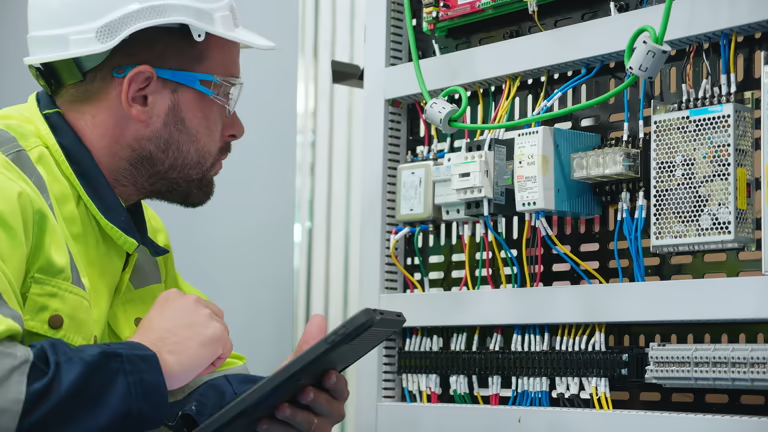
Inspectors evaluate the panel’s overall condition, looking for signs of wear, corrosion, overheating, or improper installation. They also verify that breakers are correctly sized and labeled.
When Should You Schedule an Inspection?
Many homeowners are surprised to learn that their electrical panel may contain hidden defects. Over time, electrical components experience wear and tear that can affect performance.
Inspectors frequently encounter loose connections, overloaded circuits, double-tapped breakers, rust, and evidence of overheating. In some homes, outdated fuse boxes are still in use despite modern electrical demands.
Frequent breaker trips, flickering lights, buzzing sounds, or burning odors often indicate panel-related issues. During an inspection, these warning signs are carefully investigated to determine their source.
An effective electrical panel inspection checklist helps ensure that no critical component is overlooked.
The Importance of Service Panel Inspections
Grounding is one of the most important yet least understood aspects of residential electrical safety. A grounding system provides a safe path for excess electricity to travel into the earth during electrical faults.
Without proper grounding, electrical surges can damage appliances, increase shock risks, and contribute to fire hazards.
A professional electrical grounding inspection verifies that the home’s grounding system is properly installed and functioning as intended. This includes examining grounding rods, grounding conductors, bonding connections, and related components.
Proper grounding helps stabilize voltage levels and provides an essential layer of protection for both occupants and equipment.
Common Service Panel Defects Inspectors Look For
Grounding defects are not always obvious to homeowners. In fact, many properties operate for years with grounding issues that remain unnoticed until a problem develops.
Inspectors often discover missing grounding connections, loose conductors, corroded components, or improper bonding between electrical systems and metal structures.
These issues can reduce the effectiveness of the grounding system and increase safety risks throughout the home.
Because grounding plays such a vital role in electrical protection, it remains a key component of every comprehensive electrical inspection checklist.
Grounding Systems and Their Role in Electrical Safety
A professional inspection evaluates whether a home’s electrical system aligns with applicable electrical code compliance requirements.
Code compliance does not simply involve following regulations. Instead, it helps ensure that electrical systems are installed and maintained according to proven safety practices.
During inspections, professionals review various components to identify potential violations or outdated installations that may require correction.
Wiring Systems and Electrical Safety
The condition of a home’s wiring directly impacts safety and reliability. Damaged, deteriorated, or improperly installed wiring can create serious hazards.
Inspectors evaluate visible wiring throughout accessible areas of the property. They look for signs of wear, exposed conductors, improper splicing, and other concerns.
Older homes may contain outdated wiring systems that were designed for much lower electrical demands. As households add more devices and appliances, these systems can become overloaded.
A detailed home electrical safety inspection helps determine whether wiring remains safe and capable of supporting current usage requirements.
Circuit Protection and Breaker Evaluation
Circuit breakers play a critical role in preventing overloads and electrical fires. When electrical demand exceeds safe levels, breakers automatically interrupt power flow to protect the system.
During an electrical service panel inspection, each breaker is evaluated for proper sizing, installation, and condition.
Improperly sized breakers can fail to provide adequate protection. In some cases, homeowners or previous contractors may have installed larger breakers to stop nuisance tripping without addressing the underlying problem.
Inspectors use a structured electrical inspection checklist to verify that circuit protection devices function as intended.
GFCI and AFCI Protection
Modern electrical safety standards often require specialized protective devices in certain areas of the home.
Ground Fault Circuit Interrupters, commonly known as GFCIs, help prevent electrical shocks in locations where water is present. Kitchens, bathrooms, garages, and outdoor areas typically require this protection.
Arc Fault Circuit Interrupters, or AFCIs, help reduce fire risks by detecting dangerous electrical arcing conditions.
Inspectors verify the presence and operation of these devices during a home electrical safety inspection. Missing or malfunctioning protection devices are commonly noted for correction.
Electrical Outlets and Switches
Although outlets and switches seem simple, they can reveal important information about a home’s electrical condition.
Inspectors check outlets for proper wiring, grounding, and functionality. They also evaluate switches for signs of damage, overheating, or improper installation.
Loose outlets, cracked covers, reverse polarity, and missing grounding connections are among the common issues discovered during inspections.
Because these components are used daily, maintaining their safety is essential for overall electrical system performance.
Common Electrical Safety Hazards Found in Homes
Every inspection is unique, but certain hazards appear frequently across residential properties.
Overloaded circuits remain one of the most common concerns. As homeowners add electronics, appliances, and charging devices, electrical demand increases significantly.
Improper DIY electrical work is another frequent issue. While many homeowners attempt electrical repairs themselves, mistakes can create serious safety risks.
Outdated wiring systems also present challenges, particularly in older homes. In addition, loose connections and moisture exposure can contribute to electrical failures.
A professional electrical inspection checklist helps identify these hazards before they lead to larger problems.
Benefits of Professional Residential Electrical Inspections
Routine inspections provide significant advantages beyond code compliance.
First, they improve household safety by identifying hidden electrical risks. Second, they help reduce the likelihood of electrical fires and costly emergency repairs.
Inspections can also support real estate transactions by giving buyers and sellers a clearer understanding of a property’s condition. As part of comprehensive residential inspection services, electrical evaluations help uncover issues that may otherwise go unnoticed.
Furthermore, addressing issues early often costs less than repairing damage after a failure occurs. As a result, regular inspections can provide long-term financial savings while enhancing peace of mind.
Preparing for a Residential Electrical Inspection
Homeowners can help facilitate a successful inspection by ensuring key electrical components are accessible.
Inspectors typically need access to service panels, outlets, switches, attics, basements, and crawl spaces. Providing clear access allows for a more complete evaluation.
It is also helpful to gather records of previous electrical upgrades, repairs, or renovations. These documents can provide valuable context during the inspection process.
A well-prepared property allows inspectors to follow a comprehensive electrical panel inspection checklist and evaluate the system efficiently.
What Happens After the Inspection?
Once the inspection is complete, homeowners receive a report detailing observations and recommendations.
The report may identify immediate safety concerns, maintenance needs, or suggested upgrades. Not every finding requires urgent action, but understanding priorities is important.
Qualified electricians can address any recommended repairs or improvements. After corrections are completed, a follow-up inspection may be performed to verify compliance and safety.
This process helps ensure that the home’s electrical system remains reliable and secure.
Choosing a Qualified Electrical Inspector
Selecting an experienced inspection company is an important step in protecting your investment.
A qualified inspector should possess the knowledge and experience necessary to evaluate service panels, wiring systems, grounding components, and safety devices thoroughly.
Comprehensive inspections require attention to detail and a commitment to safety. By choosing a trusted professional, homeowners gain valuable insight into the condition of their electrical systems and confidence in their property’s safety.
Conclusion
A well-executed electrical inspection checklist provides far more than a simple review of outlets and breakers. It offers a complete assessment of service panels, grounding systems, wiring conditions, circuit protection, and overall electrical code compliance. Regular inspections help identify hazards early, improve household safety, and protect one of your most valuable investments. If you want peace of mind about your home’s electrical system, the experienced team at Select Inspection is here to help. Contact Us today to schedule a professional inspection and ensure your home’s electrical system is safe, reliable, and compliant for years to come.
Frequently Asked Questions
1. What is included in an electrical inspection checklist?
An electrical inspection checklist covers service panels, wiring, outlets, switches, grounding systems, circuit breakers, and safety devices to identify potential hazards.
2. How often should a home electrical inspection be performed?
Most homes should have an electrical inspection every three to five years or whenever major electrical upgrades are completed.
3. Why is an electrical service panel inspection important?
It helps ensure the panel is operating safely and can handle the home’s electrical demand without overheating or overloading.
4. What are common signs that I need an electrical inspection?
Frequent breaker trips, flickering lights, burning smells, buzzing sounds, and outdated wiring are common warning signs.
5. What is the purpose of an electrical grounding inspection?
A grounding inspection verifies that excess electrical current can safely flow into the ground, reducing shock and fire risks.