
Selling a home is one of the biggest financial transactions most people will ever make. Naturally, every seller wants to maximize their return and avoid unnecessary surprises. However, many homeowners underestimate how much a buyer’s inspection can affect the final sale price. Hidden issues discovered late in the process often lead to repair requests, price reductions, or even canceled contracts.
This is where a pre-listing inspection becomes a valuable tool. By identifying potential problems before putting your home on the market, you can address concerns early and maintain stronger negotiating power throughout the sale process. At Select Inspection, we have seen how proactive sellers use inspections to protect their equity and create smoother real estate transactions. Taking this step also reduces the likelihood that buyers will try to negotiate after home inspection findings are revealed, helping sellers maintain greater control over pricing and contract terms.
What Is a Pre-Listing Inspection?
Definition and Purpose
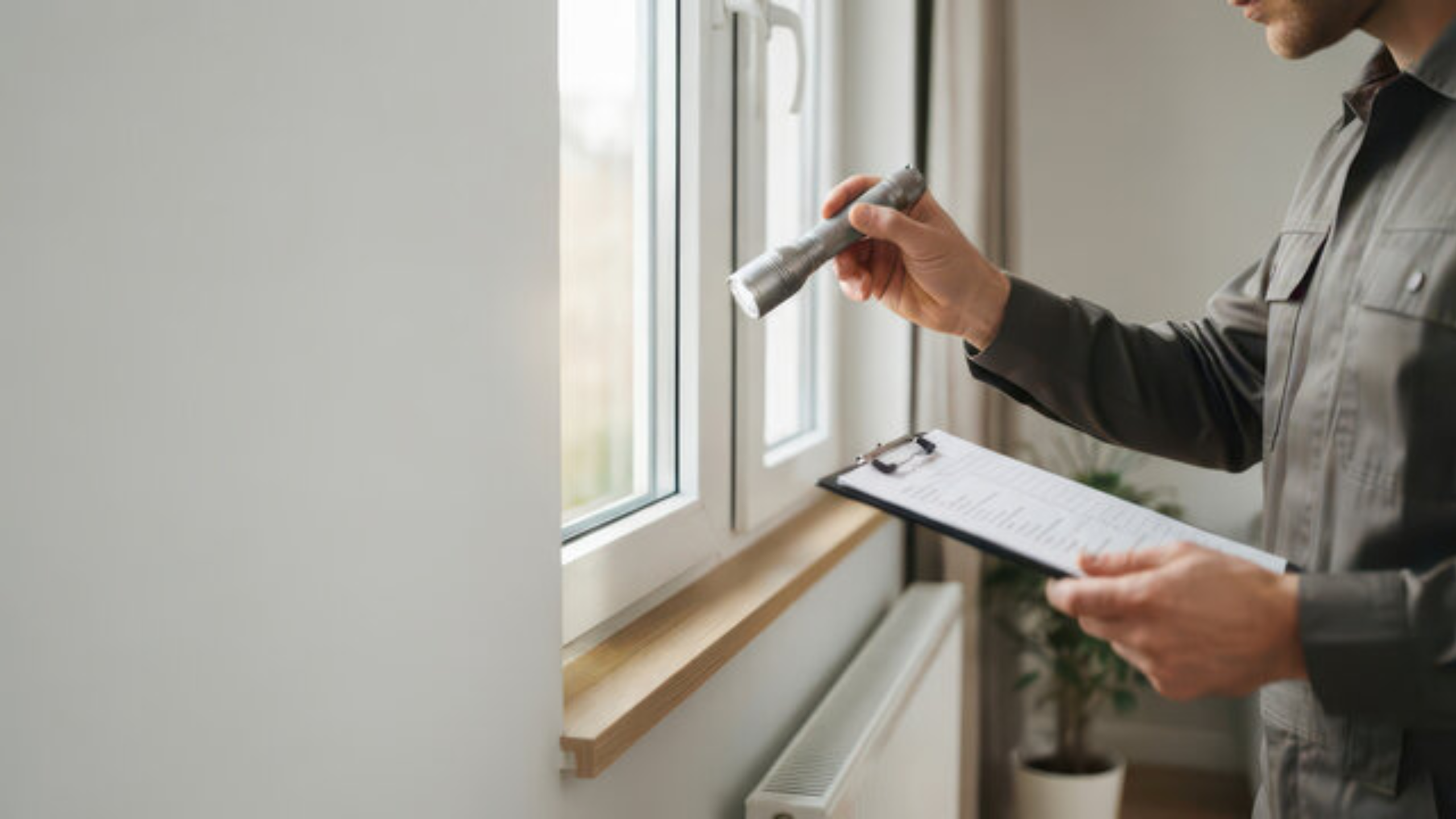
A pre-listing inspection is a professional home inspection conducted before a property is listed for sale. The goal is to uncover issues that could impact the home’s value or become obstacles during negotiations.
Unlike a buyer’s inspection, which occurs after an offer is accepted, a pre-sale home inspection gives sellers valuable information before prospective buyers even walk through the door.
What Inspectors Typically Evaluate
During the inspection, professionals evaluate major systems and components of the property. This typically includes the roof, foundation, plumbing, electrical systems, HVAC equipment, insulation, windows, doors, and structural elements.
By understanding the property’s condition early, sellers can make informed decisions that help protect their investment.
Understanding Home Equity and Negotiation Leverage
What Home Equity Means for Sellers
Home equity represents the difference between your property’s market value and any outstanding mortgage balance. When selling a home, preserving as much equity as possible means keeping more money in your pocket after closing.
Why Negotiation Leverage Matters
Negotiation leverage plays a major role in achieving that goal. Buyers often use inspection findings as bargaining tools. If serious defects are discovered after an offer is accepted, buyers may request repairs, ask for credits, or negotiate a lower purchase price.
As a result, sellers who are unprepared may find themselves making costly concessions. A home inspection before selling helps reduce that risk by putting sellers in control of the process from the beginning.
How Unexpected Inspection Findings Can Reduce Your Profit
Common Issues That Trigger Buyer Concerns
Unexpected inspection findings can quickly change the dynamics of a real estate transaction. What starts as a strong offer can become a lengthy negotiation filled with repair requests and uncertainty.
Common issues that create concern for buyers include roof leaks, foundation cracks, outdated electrical systems, plumbing defects, HVAC failures, moisture intrusion, and safety hazards. Even minor problems can raise red flags if buyers believe they indicate larger concerns.
The Financial Impact of Last-Minute Discoveries
When these issues are discovered during the buyer’s inspection, sellers often face difficult choices. They may agree to expensive repairs, offer credits, reduce the asking price, or risk losing the deal altogether.
In some cases, buyers walk away completely. Then the seller must relist the property and disclose the newly discovered defects to future buyers.
Because of these risks, many homeowners choose a home seller inspection before listing their property.
How Pre-Listing Inspections Help Protect Your Equity
Identifying Problems Before Buyers Do
One of the greatest advantages of a pre-listing inspection is the ability to identify problems before buyers find them.
Early discovery gives sellers time to evaluate repair options and determine which improvements are worth making. Instead of rushing to complete repairs under contract deadlines, homeowners can obtain multiple estimates and choose qualified contractors.
Giving Sellers Greater Control Over Repairs
This flexibility often leads to lower repair costs and better-quality work. More importantly, it helps prevent buyers from using inspection findings as leverage during negotiations.
Supporting Your Home’s Market Value
When sellers address major concerns before listing, they strengthen their position and reduce the likelihood of significant concessions. In many situations, the inspection report becomes evidence that the property has been properly maintained and prepared for sale.
As a result, sellers can better protect their equity and preserve their expected profit.
Pricing Your Home More Accurately with Inspection Insights
Establishing a Realistic Listing Price
Accurate pricing is essential in today’s competitive real estate market. Overpricing can discourage buyers, while underpricing may leave money on the table.
A pre-sale home inspection provides valuable information that supports realistic pricing decisions. Sellers gain a clear understanding of their property’s condition and can factor any needed repairs into their pricing strategy.
For example, if the inspection reveals that major systems are in excellent condition, sellers may have stronger justification for their asking price. On the other hand, if certain components require attention, adjustments can be made before listing.
This approach creates transparency and helps prevent disputes later in the transaction.
In addition, buyers often feel more comfortable making competitive offers when they know the property has already undergone a professional inspection.
Creating a More Trustworthy Transaction
Trust plays a major role in every successful home sale. Buyers want confidence that they are making a sound investment and that there are no hidden surprises waiting after closing.
A real estate inspection conducted before listing demonstrates honesty and transparency. It shows buyers that the seller is committed to providing accurate information about the property’s condition.
Many sellers choose to share inspection reports with interested buyers. Others provide documentation for completed repairs or maintenance work performed after the inspection.
These actions help build credibility and reduce uncertainty.
When buyers feel informed and confident, negotiations often become smoother and more productive. Instead of focusing on potential defects, conversations can center on moving the transaction forward.
Strengthening Your Position During Negotiations
Responding Confidently to Buyer Requests
Knowledge is one of the strongest tools a seller can have during negotiations.
When a seller has already completed a pre-listing inspection, they enter discussions with a detailed understanding of the property’s strengths and weaknesses. This knowledge allows them to respond more confidently to buyer concerns.
If a buyer raises an issue that was previously identified and addressed, the seller can provide supporting documentation. If questions arise about the condition of a particular system, the inspection report can offer valuable clarification.
Negotiating from a Position of Knowledge
This preparation makes it more difficult for buyers to justify aggressive price reductions or excessive repair demands.
Instead of reacting to surprises, sellers can negotiate from a position of strength and confidence.
Reducing the Risk of Deal Fallout
Common Reasons Real Estate Deals Fail
Real estate contracts fall apart for many reasons, but inspection-related issues remain one of the most common causes.
Buyers may become concerned when unexpected defects are discovered. Lenders may require certain repairs before approving financing. In some cases, disagreements over repair costs lead to canceled contracts.
How Pre-Listing Inspections Improve Closing Success
A home inspection for sellers helps reduce these risks by identifying potential obstacles before they become deal-breaking issues.
When major concerns are addressed early, transactions tend to move more smoothly. Buyers encounter fewer surprises, negotiations are often shorter, and closing timelines become more predictable.
For sellers, this can mean less stress and a higher likelihood of reaching the closing table successfully.
When Is the Best Time to Schedule a Pre-Listing Inspection?
Before Listing the Property
Timing is important when planning a pre-listing inspection.
Ideally, the inspection should take place before the property is officially listed. This provides enough time to review the findings, obtain repair estimates, and complete any necessary work.
Before Major Marketing Efforts Begin
Scheduling the inspection several weeks before marketing begins can also improve the home’s presentation. Sellers can address maintenance concerns and ensure the property is in its best possible condition for showings.
The earlier issues are discovered, the more options sellers have for resolving them efficiently.
Key Areas Sellers Should Address Before Listing
Safety-Related Concerns
After receiving inspection results, sellers should prioritize issues that could affect safety, financing approval, or buyer confidence.
Maintenance and Cosmetic Improvements
Electrical hazards, plumbing leaks, roofing problems, and structural concerns often deserve immediate attention. These types of issues frequently become major negotiation points during transactions.
In addition, addressing routine maintenance items can improve the overall appearance and functionality of the property. HVAC servicing, minor repairs, fresh paint, and improved curb appeal can help create a positive impression during showings.
Although not every issue requires correction, resolving key concerns before listing can significantly improve a seller’s position.
Cost vs. Value: Is a Pre-Listing Inspection Worth It?
Typical Inspection Costs
Many homeowners hesitate because of the upfront inspection cost. However, compared to the potential financial impact of late-stage negotiations, the investment is often relatively small.
Potential Return on Investment
A pre-listing inspection may help sellers avoid large repair credits, price reductions, and extended market time. It can also increase buyer confidence and support a smoother transaction.
While every property and market is different, many sellers find that the benefits outweigh the initial expense.
The ability to make informed decisions, maintain negotiation leverage, and protect home equity often delivers significant value.
Working with Qualified Home Inspectors
What to Look for in an Inspector
Not all inspectors offer the same level of experience and expertise. Selecting a qualified professional is essential to obtaining accurate and reliable information.
Look for inspectors with strong industry credentials, extensive experience, and a reputation for thorough reporting. Ask about their inspection process, reporting timelines, and areas of specialization.
A detailed report can serve as an important resource throughout the selling process. Therefore, choosing the right inspector is a critical step in maximizing the value of a home inspection before selling.
Conclusion
A pre-listing inspection is more than a routine property assessment. It is a strategic investment that helps sellers protect their equity, strengthen their negotiating position, and reduce costly surprises during the sale process. By identifying issues early, homeowners gain greater control over repairs, pricing, and transaction outcomes. In today’s competitive market, preparation can make the difference between a stressful sale and a successful one. Contact Select Inspection Today Ready to protect your investment before listing your home? The experienced team at Select Inspection provides comprehensive pre-listing inspections that help sellers make informed decisions and maintain negotiation leverage. Contact us today to schedule your inspection and take the next step toward a smoother, more profitable home sale.
Frequently Asked Questions
1. Does a pre-listing inspection guarantee a higher sale price?
No. However, it can help support your asking price and reduce the likelihood of costly negotiations.
2. Should sellers repair every issue found during the inspection?
Not necessarily. Focus on significant safety, structural, or system-related concerns that could affect buyer confidence.
3. Can buyers still conduct their own inspection?
Yes. Most buyers will still order an independent inspection as part of their due diligence process.
4. How much does a pre-listing inspection typically cost?
Costs vary by property size, location, and inspection scope, but the investment is often small compared to potential negotiation losses.
5. Is a pre-listing inspection useful in a seller's market?
Yes. Even in strong markets, identifying issues early can help prevent surprises and keep transactions moving smoothly.