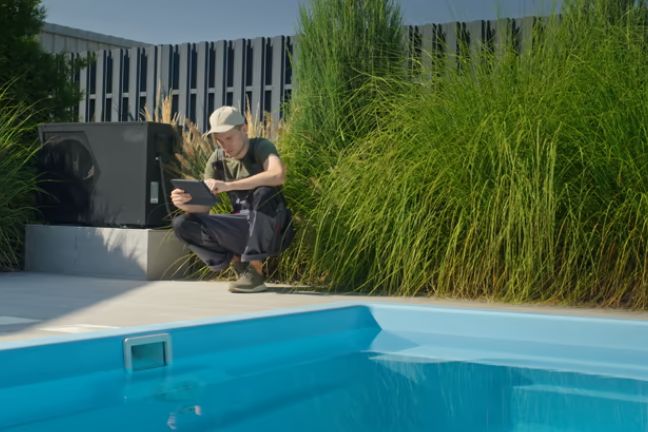
Swimming pools and spas are great additions to homes and commercial properties. They offer a place to relax, have fun, and improve the appearance of a property. However, they also need regular maintenance and inspections to stay safe and work properly. While many owners focus on cleaning and water quality, it is just as important to check the equipment and structure of the pool or spa. A professional pool and spa inspection can help find hidden problems before they turn into costly repairs or safety risks.
At Select Inspection, we know how important it is to check every major part of a pool or spa system. From the shell and plumbing to the pumps and safety features, a detailed inspection helps make sure everything is working properly and safely for long-term use.
Why Pool and Spa Mechanical Inspections Matter
A pool or spa has several systems that need to work properly together. Problems such as cracks, broken equipment, or safety issues can affect how the pool works and may create risks for people using it.
A professional pool and spa mechanical inspection helps identify the overall condition of the pool and its equipment. It allows property owners to find problems early, avoid expensive repairs, and help equipment last longer. For homebuyers, an inspection provides a better understanding of the pool’s condition before purchasing a property.
Inspections can also reveal equipment or safety features that no longer meet current safety requirements. This is especially important for older pools and spas that may have outdated equipment or missing safety features.
Inspecting Pool and Spa Shells
The shell is the main structure of a pool or spa. It can be made from concrete, fiberglass, or other materials. The shell needs to stay strong and hold water properly to keep the pool or spa working as it should.
Understanding the Role of the Shell
The shell is the main structure of a pool or spa. It holds the water and helps keep the pool stable. If the shell is damaged, it can cause water leaks, shifting, and expensive repairs.
Inspectors check the pool surface and nearby areas for cracks, wear, or signs of movement that may point to a problem.
Common Shell Defects Inspectors Look For
Cracks are one of the most common issues found during pool inspections. Some small cracks may only affect the appearance of the pool, but larger cracks can be a sign of movement or damage to the structure. Inspectors check the size, location, and shape of the cracks to understand how serious the problem may be.
Worn or damaged pool surfaces are another common concern. Over time, pool finishes can become damaged because of chemicals, age, and weather conditions. Chipped areas, surface buildup, and rough spots may show that repairs or resurfacing are needed.
The ground around the pool can also affect the shell. Uneven pool decking, visible gaps, or parts of the structure shifting out of place may indicate movement beneath the pool that should be checked further.
Signs of Water Loss and Leakage
Water leaks can cause serious problems if they are not fixed quickly. During a pool and spa mechanical inspection, inspectors check for signs of leaks such as water levels dropping unexpectedly, wet areas around the pool, and stains that may indicate water is escaping.
Finding leaks early can help prevent damage to the pool structure and reduce water waste and repair costs.
Pool Pump Inspection Essentials
The pump is one of the most important components of any pool or spa system. It keeps water moving through the filtration system and helps maintain water quality.
The Function of Pool and Spa Pumps
Pool pumps move water through the filter, heater, and cleaning systems. If the water is not moving properly, it can become dirty, and algae may start to grow.
A pump that works well helps keep the water clean, improves filtering, and helps the pool system run smoothly.
Key Components Evaluated During Inspection
Inspectors check the pump housing, motor, seals, strainer baskets, and other visible parts. Signs of wear, rust, or leaks may show that the equipment needs attention or repairs.
They also check how the motor is working. Loud noises, strong vibrations, or overheating can be signs that the motor is wearing out and may need maintenance or replacement.
Common Pump Problems
Many pool owners do not notice pump problems until the pump starts working poorly. Low water flow, strange noises, and visible leaks are common signs that something may be wrong.
A damaged pump can put extra strain on other pool equipment, leading to more repairs, higher maintenance costs, and lower system performance.
Energy Efficiency Considerations
Modern variable-speed pumps use less energy than older single-speed pumps. During an inspection, the age and condition of the equipment are checked to see if there are ways to improve energy savings.
Upgrading old equipment can help lower energy bills and improve the overall performance of the pool or spa system.
Evaluating Filtration and Circulation Systems
Proper circulation and filtration are essential for maintaining healthy water conditions. Mechanical inspections assess these systems to ensure they are functioning as intended.
Importance of Proper Water Circulation
Water circulation helps move pool chemicals throughout the water and carries dirt and debris to the filter. When water does not circulate properly, water quality can decline, algae can grow, and the pool may require more cleaning and maintenance.
Inspectors check how well the water moves through the system and look for any problems that may affect its performance.
Inspection of Filtration Equipment
Different pools use different filtration systems, including sand, cartridge, and diatomaceous earth filters. Each type requires regular maintenance and periodic replacement of components.
During an inspection, filters are examined for damage, excessive wear, and signs of poor performance.
Identifying Circulation Problems
Blocked lines, air leaks, and pressure irregularities can affect circulation efficiency. These issues often develop gradually and may go unnoticed until water quality problems appear.
A thorough inspection helps identify these concerns before they result in larger system failures.
Plumbing System Inspection
The plumbing system transports water throughout the pool and spa. Damage within the plumbing network can lead to leaks, reduced circulation, and increased operating costs.
Checking Pool and Spa Plumbing Lines
Inspectors evaluate accessible plumbing components for visible defects, corrosion, and signs of leakage. Connections and fittings are also reviewed to ensure they remain secure and functional.
Underground plumbing issues may be more difficult to identify, but evidence of leaks or pressure loss can indicate hidden concerns.
Detecting Leaks and Damage
Even small leaks can waste significant amounts of water over time. Inspectors look for moisture accumulation, staining, and other indicators that suggest plumbing defects.
Prompt repairs can help preserve system efficiency and prevent additional property damage.
Valve and Fitting Assessments
Valves and fittings play an important role in directing water flow throughout the system. Damaged or deteriorated components can affect performance and increase the risk of leaks.
Mechanical inspections help ensure these components are functioning correctly.
Pool and Spa Heater Inspection
Heating systems improve comfort and extend the usability of pools and spas throughout the year.
Types of Heating Systems
Pools and spas may use gas heaters, electric heaters, or heat pumps. Each system has unique maintenance requirements and potential failure points.
Inspectors assess the condition of installed heating equipment and identify visible concerns.
Common Heater Issues
Corrosion, ignition failures, and reduced heating efficiency are among the most common heater-related problems. These issues can affect performance and increase operating costs.
Regular inspections help identify developing problems before complete equipment failure occurs.
Safety Checks for Heating Equipment
Heating equipment must be installed and maintained according to manufacturer recommendations and applicable safety standards. Inspectors evaluate visible safety concerns that could affect system operation.
Electrical and Automation System Inspection
Pool and spa systems often include electrical equipment, lighting, control panels, and automated controls.
Electrical Components Reviewed
Inspectors evaluate accessible electrical components for signs of damage, deterioration, and improper installation. Wiring, timers, and automation systems are reviewed as part of the inspection process.
Grounding and Bonding Verification
Proper grounding and bonding are critical safety measures. These systems help reduce the risk of electrical shock by directing stray electrical currents safely away from users.
An inspection can identify visible deficiencies that may require correction.
Common Electrical Deficiencies
Damaged wiring, corrosion, and outdated equipment are among the most common electrical concerns found during inspections. Addressing these issues promptly helps improve safety and reliability.
Pool and Spa Safety Standards
Safety remains one of the most important aspects of any pool or spa inspection.
Barrier and Fence Requirements
Fencing and barriers help prevent unauthorized access and reduce the risk of accidental drowning. Inspectors evaluate visible safety barriers and access points to determine whether they appear functional and secure.
Drain and Suction Safety
Modern safety standards often require anti-entrapment drain covers designed to reduce the risk of suction-related injuries. Inspectors assess visible drain components for damage and safety concerns.
Slip and Fall Prevention Measures
Pool decks and surrounding surfaces should provide safe walking conditions. Cracked surfaces, uneven areas, and excessive wear may increase the likelihood of slip and fall incidents.
Safety Equipment Inspection
Safety equipment such as rescue devices, signage, and emergency shut-off controls can play an important role during emergencies. Inspectors note the presence and condition of visible safety features.
Benefits of Scheduling Regular Pool and Spa Inspections
Regular inspections provide peace of mind and help property owners protect their investment. Identifying issues early can reduce repair expenses, improve equipment longevity, and enhance overall safety.
A comprehensive pool safety inspection can also help ensure that systems continue operating efficiently while meeting current safety expectations. Property owners who schedule routine inspections often experience fewer unexpected repairs and better long-term performance.
Conclusion
Pools and spas rely on a combination of structural, mechanical, plumbing, electrical, and safety components to operate effectively. A professional pool and spa mechanical inspection evaluates these critical systems to identify defects, safety concerns, and maintenance needs before they become costly problems.
At Select Inspection, we provide detailed pool and spa inspections to help property owners understand the condition of their systems. Whether you are buying a property, taking care of your current pool, or getting ready for the swimming season, an inspection can help find problems early, improve safety, and avoid costly repairs. Contact us today to schedule your pool and spa inspection and keep your pool running safely and smoothly.
Frequently Asked Questions
1. What is a pool and spa mechanical inspection?
A pool and spa mechanical inspection evaluates the condition of the pool’s structural, mechanical, plumbing, electrical, and safety systems.
2. Why is a pool and spa mechanical inspection important?
It helps identify hidden defects, safety hazards, and equipment issues before they lead to costly repairs.
3. What does a pool pump inspection include?
A pump inspection checks the motor, housing, seals, baskets, and overall performance to ensure proper water circulation.
4. How often should a pool be inspected?
Most pools should be professionally inspected at least once a year or before buying or selling a property.
5. Can an inspection detect pool leaks?
Yes. Inspectors look for signs of water loss, plumbing leaks, and structural issues that may indicate leakage.