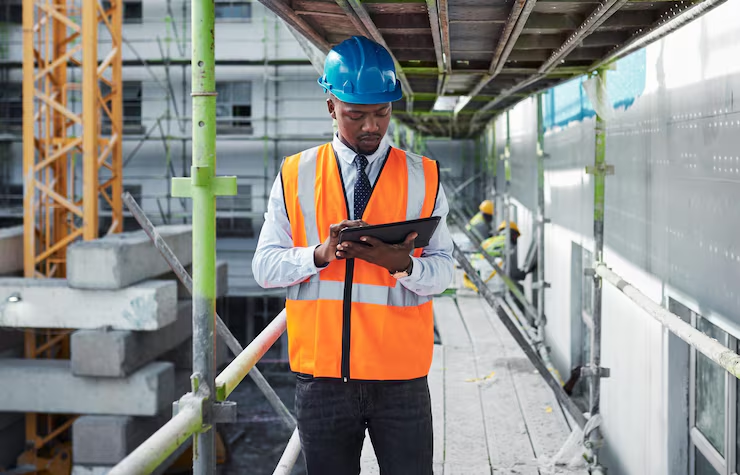
Office buildings are used every day by employees, visitors, and contractors. Since many people spend time in these buildings, it is important to keep them safe and in good condition. A regular office building inspection helps find problems that may affect safety, comfort, and the overall condition of the property.
An office building inspection checks different parts of the building, including safety systems, exit routes, and the outside structure of the building. These areas help keep people safe and protect the building from damage. By finding issues early, property owners can fix them before they turn into bigger and more costly repairs.
What Is an Office Building Inspection?
Office building inspections are detailed checks of a building’s condition. The purpose is to find visible problems, maintenance needs, and safety concerns that could affect the building and the people who use it.
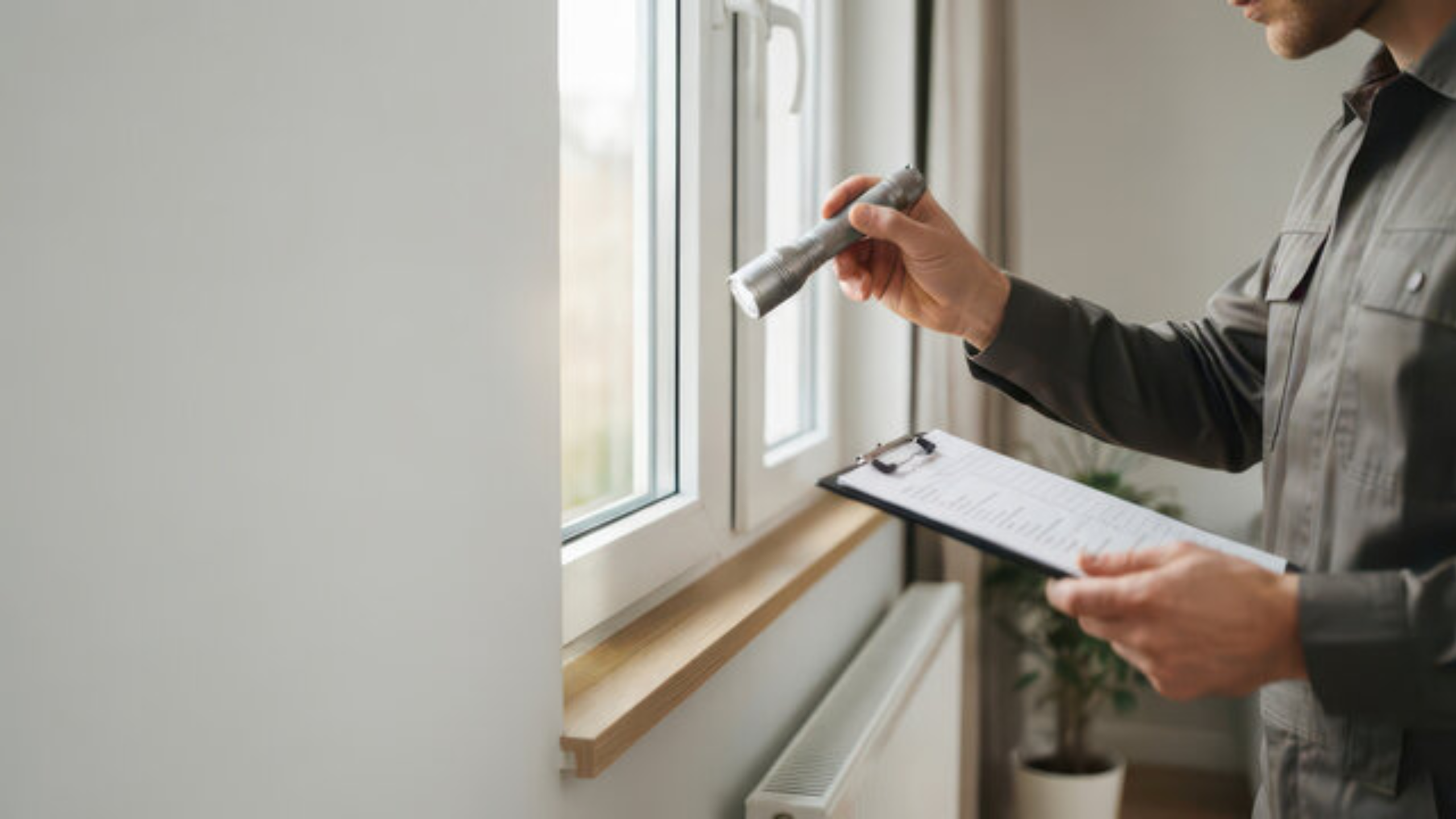
During the inspection, different parts of the building are checked. This can include the roof, walls, doors, windows, stairways, hallways, fire safety equipment, and emergency exits. The inspector records their findings and points out any areas that may need repairs or further attention.
Building owners, property managers, investors, and business tenants often use inspections to learn more about a property’s condition. Inspections can also help with maintenance planning and help building systems and materials last longer.
Understanding Life-Safety Systems
Life-safety systems are designed to help protect people during emergencies. These systems are especially important in office buildings where many occupants may need to leave the building quickly in the event of a fire or other emergency.
A commercial building inspection often includes a review of visible life-safety features to determine whether they appear functional and properly maintained.
Fire Protection Equipment
Fire protection systems are among the most important safety features in an office building. These systems may include fire alarms, smoke detectors, fire extinguishers, and sprinkler systems.
Inspectors look for visible signs of damage, missing equipment, or conditions that may affect system performance. Any concerns noted during the inspection can help property owners understand areas that may require further review or maintenance.
Emergency Lighting and Exit Signs
Emergency lighting helps occupants find their way out of a building if normal power is lost. Exit signs show the location of emergency exits and help guide people to safety.
Inspectors examine these features to check for visible damage, missing signs, or other conditions that may affect their usefulness during an emergency. Clear and working exit signs are important for helping people leave the building safely.
Common Life-Safety Concerns
Office building inspections often identify issues related to safety equipment and emergency preparedness. Examples may include blocked exits, damaged exit signs, missing fire extinguishers, or signs of poor maintenance.
Addressing these concerns can help improve safety and reduce risks for building occupants.
Checking Common Egress Areas
Egress refers to the path people use to leave a building during normal use or an emergency. Common egress areas include hallways, stairways, corridors, and exit doors.
Keeping these areas clear and accessible is an important part of building safety.
Hallways and Corridors
Hallways and corridors should provide a clear path for occupants moving through the building. During an inspection, these areas are examined for obstacles, poor lighting, damaged flooring, and other conditions that may create safety concerns.
Objects stored in walkways can slow evacuation and increase the risk of trips and falls. Proper maintenance helps keep these areas safe and easy to use.
Stairways
Stairways are an important part of emergency exit routes in many office buildings. Inspectors look for damaged steps, loose handrails, worn surfaces, and other visible conditions that could affect safety.
Well-maintained stairways support safe movement throughout the building and can be especially important during emergencies.
Exit Doors
Exit doors should be easy to identify and accessible when needed. Inspectors evaluate visible conditions such as damaged doors, missing signage, and problems that could interfere with normal operation.
Doors that do not function properly may create challenges during an emergency. Regular inspections help identify these issues before they become more serious.
Common Egress Problems
Several issues are commonly found during office building inspections. These may include cluttered hallways, poor lighting, damaged stairs, blocked exits, and doors that do not operate correctly.
Finding these problems early allows property owners to take corrective action and improve safety throughout the building.
Understanding the Building Envelope
The building envelope includes the outside parts of a building that help protect it from rain, wind, heat, and cold. This includes the roof, exterior walls, windows, doors, and other parts that keep the inside of the building safe and dry.
A well-maintained building envelope helps prevent water leaks, reduces damage caused by weather, and keeps indoor spaces more comfortable. During inspections, Select Inspection carefully checks these areas to identify visible problems and help property owners better understand the condition of their building.
Inspecting the Roof
The roof is one of the most important parts of the building envelope. It provides protection from rain, sunlight, and other weather conditions.
During office building inspections, inspectors look for visible signs of roof damage, standing water, worn materials, and drainage issues. Roof problems can allow water to enter the building and lead to additional damage over time.
Early identification of roofing concerns can help property owners address issues before leaks become larger problems.
Examining Exterior Walls
Exterior walls protect the structure from weather and environmental exposure. Inspectors check for cracks, gaps, damaged materials, and signs of moisture intrusion.
Even small openings can allow water to enter the building. Over time, moisture can affect building materials and create additional maintenance concerns.
Regular inspections help identify visible wall defects and support timely repairs.
Checking Windows and Doors
Windows and exterior doors are important parts of the building envelope. They help keep water and outside air from entering the building.
Inspectors examine visible conditions such as damaged frames, worn seals, gaps, and signs of water intrusion. Problems around windows and doors can affect comfort, energy use, and building performance.
Maintaining these components helps support the overall condition of the property.
Evaluating Drainage Systems
Drainage systems help direct water away from the building. Gutters, downspouts, and surrounding grading all play a role in managing water flow.
Inspectors look for visible drainage issues such as clogged gutters, damaged downspouts, and areas where water may collect near the building.
Proper drainage helps reduce the risk of moisture-related problems and supports the long-term condition of the structure.
Common Building Envelope Problems
Building envelope issues can develop over time due to weather, age, and normal wear.
One common concern is water intrusion. Water entering through the roof, walls, windows, or doors can damage building materials and create costly repairs if not addressed.
Air leakage is another issue that may affect office buildings. Gaps around doors and windows can allow outdoor air to enter, which may impact comfort and increase energy use.
Exterior damage such as cracked walls, worn sealants, and deteriorated materials can also reduce the effectiveness of the building envelope. Regular inspections help identify these issues before they become larger concerns.
Benefits of Regular Office Building Inspections
Regular office building inspections provide valuable information about the condition of a property. By identifying issues early, property owners can make informed maintenance decisions and better protect their investment.
One important benefit is improved occupant safety. Inspections help identify hazards that could affect employees, visitors, and other building users.
Another benefit is reduced repair costs. Small problems are often easier and less expensive to address when discovered early.
Routine inspections can also help extend the life of building components. Ongoing maintenance and timely repairs help reduce wear and prevent unnecessary damage.
In addition, inspections provide useful information that supports property management and maintenance planning. Understanding the condition of a building allows owners and managers to prioritize repairs and budget for future improvements.
How Often Should Office Buildings Be Inspected?
The frequency of inspections depends on several factors, including the building’s age, size, occupancy level, and overall condition.
Older buildings may benefit from more frequent evaluations because building materials and systems can experience greater wear over time. Buildings exposed to severe weather may also require closer monitoring.
Routine inspections help track changes in building conditions and identify new concerns as they develop. Regular evaluations support long-term building maintenance and help property owners stay informed about the condition of their property.
Choosing a Qualified Building Inspector
Choosing an experienced inspector is an important part of the inspection process. A good inspector should understand commercial buildings, building systems, and safety features.
Property owners should ask what the inspection will cover, how the report will be provided, and which areas of the building will be checked. A detailed report can help owners understand the condition of the building and any maintenance needs.
Working with a reliable inspection company helps make sure important issues are found and clearly reported.
Conclusion
Office building inspections help check life-safety systems, exit paths, and the condition of the building exterior. These inspections can find visible problems that may affect safety, building condition, and future repair needs.
From fire alarms and emergency exits to roofs, walls, windows, and drainage systems, every part of the building helps create a safe and comfortable place for people to work. Regular inspections help property owners understand the condition of their building and find issues before they become bigger and more expensive to fix.
At Select Inspection, we provide detailed office building inspections to help owners and managers better understand their property’s condition. Our inspection reports provide useful information that can help with maintenance and repair planning. Contact us today to schedule an inspection and take an important step toward keeping your building safe, well-maintained, and in good condition for years to come.
Frequently Asked Questions
1. What is an office building inspection?
An office building inspection is an evaluation of a building’s condition, safety features, and major components.
2. Why are office building inspections important?
They help identify safety concerns, maintenance issues, and potential building defects.
3. What are life-safety systems in an office building?
Life-safety systems include fire alarms, smoke detectors, sprinkler systems, emergency lighting, and exit signs.
4. What does egress mean in a building inspection?
Egress refers to the paths and exits people use to leave a building safely.
5. What is a building envelope?
The building envelope includes the roof, walls, windows, and doors that protect the building from weather.