Mold problems can quickly become a concern for homeowners. Whether caused by a plumbing leak, roof damage, high humidity, or flooding, mold growth can affect a property’s condition and indoor air quality. When homeowners think they may have mold, they often come across two common services: mold testing and mold inspection.
Although these terms are frequently used together, they are not the same thing. Understanding the difference between mold testing vs mold inspection can help property owners make informed decisions, avoid unnecessary expenses, and address mold concerns more effectively.
At Select Inspection, we often help clients understand which service is most appropriate for their situation. Knowing how each process works can save time and provide clearer answers when mold becomes a concern.
What Is a Mold Inspection?
A mold inspection is a professional check of a property to look for signs of mold, water problems, and conditions that may allow mold to grow. The main goal is to find out if mold is present and identify where the moisture is coming from.
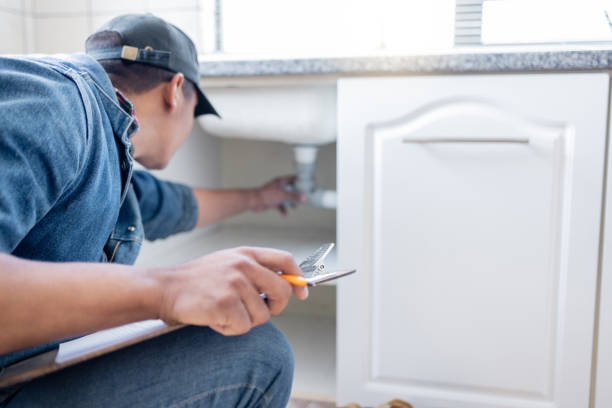
During a mold inspection, an inspector carefully examines the property. This usually includes looking for visible mold, checking for water damage, measuring humidity levels, and finding areas where moisture may be building up.
Inspectors often check basements, crawl spaces, attics, bathrooms, kitchens, laundry rooms, and areas that have had water damage in the past. They may also inspect HVAC systems and ventilation areas that can contribute to excess moisture.
To help with the inspection, professionals use tools such as moisture meters to find hidden moisture behind walls and under floors. Thermal imaging cameras can help locate moisture that cannot be seen with the naked eye. Hygrometers are used to measure indoor humidity levels.
One of the biggest benefits of a mold inspection is finding the cause of the problem. Mold needs moisture to grow. By finding and fixing the source of the moisture, property owners can prevent mold from returning instead of only dealing with the visible mold.
What Is Mold Testing?
Mold testing focuses on collecting samples and analyzing them to determine the presence, concentration, and types of mold spores within a property.
Unlike a mold inspection, which primarily evaluates conditions and visible evidence, mold testing provides laboratory-based data. Samples collected from the property are sent to a laboratory where specialists analyze the results.
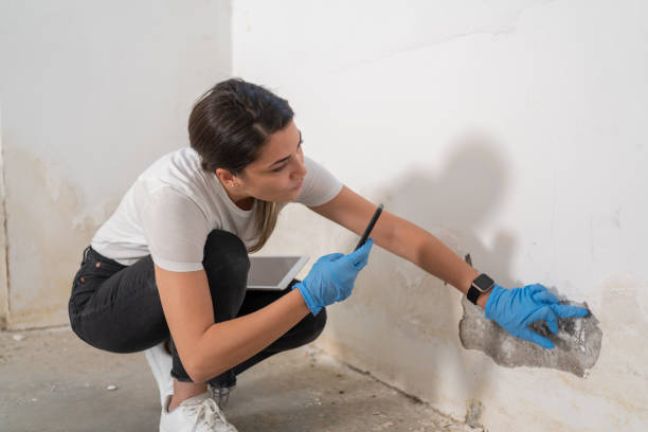
Several testing methods may be used based on the situation. Air sampling checks the air for mold spores and helps determine if indoor mold levels are higher than normal outdoor levels. Surface sampling involves collecting samples from visible mold on walls, ceilings, or other areas. Swab testing and tape lift testing may also be used to identify the type of mold present.
Test results can provide information about the types of mold found and the amount of mold spores in the samples. This information can be helpful when there are concerns about hidden mold, ongoing health issues, or questions about a property’s condition.
Mold testing services can also help measure mold levels before cleanup begins and confirm whether mold levels have returned to normal after the cleanup process is finished.
Key Differences Between Mold Testing and Mold Inspection
The biggest difference between mold testing vs mold inspection is the purpose of each service.
A mold inspection is done to find mold growth, locate moisture problems, and identify conditions that allow mold to grow. Its main goal is to find the problem and determine what is causing it.
Mold testing is used to collect and analyze samples in a laboratory. It helps determine the amount of mold present and the types of mold spores in the property.
The process for each service is also different. A mold inspection mainly involves a visual examination of the property along with tools that detect moisture and water damage. Mold testing requires samples to be collected and sent to a laboratory for analysis.
The reports from each service are different as well. A mold inspection report usually includes information about moisture issues, visible mold, and recommendations for repairs or cleanup. A mold testing report provides laboratory results showing mold spore levels and mold types.
Cost can also vary between the two services. Mold inspections focus on evaluating the property, while mold testing may include additional laboratory costs depending on the number of samples collected.
Neither service is better than the other. The right choice depends on your situation, the condition of the property, and the information you need.
When Should You Choose a Mold Inspection?
A mold inspection is often the best first step if you think mold may be growing in your home.
Visible mold is one of the main reasons to schedule an inspection. If you notice spots, stains, or mold-like growth on walls, ceilings, floors, or other surfaces, an inspection can help determine how serious the problem is and where the moisture is coming from.
A musty smell is another sign that mold may be present. Mold can grow behind walls, under floors, and in other hidden areas where it cannot be easily seen. An inspection can help find these hidden moisture problems.
Homes that have experienced flooding, plumbing leaks, roof leaks, or storm damage should also be inspected. Even when surfaces appear dry, moisture can remain trapped and create conditions for mold growth.
Many home buyers and sellers choose to have a mold inspection during a real estate transaction. Knowing whether mold or moisture issues exist can help prevent unexpected repairs and problems later.
In many cases, especially when mold is already visible, a mold inspection can provide enough information to help determine the next steps for cleanup and repairs.
When Should You Choose Mold Testing?
There are times when mold testing can provide information that a mold inspection alone cannot.
One common situation is when hidden mold is suspected. A homeowner may notice a musty smell or have concerns about indoor air quality even though no mold can be seen. Air testing can help determine if mold spore levels inside the property are higher than normal.
Mold testing may also be helpful when people believe their symptoms could be related to the environment inside the home. While mold testing cannot diagnose health problems, it can provide information about the amount of mold spores in the air.
Another reason homeowners choose mold testing is after mold removal work has been completed. Testing can help confirm that mold levels have returned to normal after the cleanup process.
In some cases, legal issues, insurance claims, or landlord and tenant disagreements may require laboratory reports. Testing can provide documented results that help support property-related concerns.
Although mold testing provides useful information, it does not solve the problem itself. Finding and fixing the source of moisture is still necessary. If moisture problems are not corrected, mold can return even after testing is completed.
Do You Need Both Mold Testing and Mold Inspection?
Some situations can benefit from both mold inspection and mold testing.
Large mold problems often require a complete evaluation. A mold inspection helps find affected areas and identify the source of moisture, while mold testing helps determine how much mold is present and can be used to check the results after cleanup.
Commercial buildings often use both services because they are larger and may have areas that are difficult to inspect. Hidden moisture problems can exist in places that are not easily visible, making both inspection and testing useful.
Properties involved in real estate transactions may also benefit from both services, especially if there is a history of water damage. Buyers often want to see evidence of the property’s condition and may also want testing results that show the indoor air quality.
Using both mold inspection services and mold testing services provides a clearer picture of the property’s condition. The inspection helps find the source and location of the problem, while testing provides information about mold levels in the property.
Common Misconceptions About Mold Testing and Mold Inspection
Many homeowners think mold testing should always be done before a mold inspection. However, an inspection is often the first step because it helps determine if testing is actually needed.
Another common misunderstanding is that all visible mold needs to be tested. In many cases, if mold can already be seen, it is clear that cleanup is needed. Knowing the exact type of mold may not change the removal process.
Some people also believe that a mold inspection automatically includes lab testing. While both services can be provided together, they are separate services with different purposes.
Another myth is that mold testing can find the cause of mold growth. Testing can show how much mold is present and what types are found, but it cannot locate the source of the moisture. Finding leaks, water damage, or moisture problems is the main purpose of a mold inspection.
How to Choose the Right Mold Professional
Selecting an experienced mold professional is important for getting accurate results.
Look for inspectors who have training in moisture detection, building inspections, and mold evaluations. Experience with both homes and commercial buildings can also be helpful, especially when dealing with larger or more challenging mold problems.
Ask what services are included in the inspection. Knowing whether mold testing is included or offered separately can help you avoid confusion about the services and costs.
You should also ask how the findings will be reported. Easy-to-understand reports with clear observations and recommendations can help homeowners better understand the condition of their property.
A qualified inspector should be able to clearly explain the difference between mold inspection and mold testing and recommend the service that best fits your property’s needs.
Conclusion
Understanding the difference between mold testing vs mold inspection is essential when addressing potential mold issues. While both services provide valuable information, they serve different purposes.
A mold inspection focuses on identifying mold growth, locating moisture sources, and evaluating conditions that contribute to mold development. Mold testing provides laboratory analysis that measures mold concentrations and identifies mold species.
For many homeowners, an inspection is the best starting point because it helps uncover the root cause of the problem. Testing may be appropriate when additional data is needed, particularly for hidden mold concerns, post-remediation verification, or documentation purposes.
At Select Inspection, we help property owners make informed decisions by providing thorough evaluations and clear recommendations. Whether you need a mold inspection, mold testing, or both, understanding these differences can help you take the right steps toward maintaining a healthier indoor environment. If you are concerned about potential mold issues in your home or commercial property, contact us today to schedule a professional inspection. Our experienced team is ready to help identify moisture problems, assess mold risks, and provide the information you need to protect your property and indoor air quality.
Frequently Asked Questions
1. Is mold testing necessary if mold is visible?
Not always. If mold is clearly visible, a mold inspection is often enough to identify the source and recommend the next steps.
2. Can a mold inspection detect hidden mold?
Yes. Inspectors use tools such as moisture meters and thermal imaging cameras to help locate hidden moisture and possible mold growth.
3. How long does mold testing take?
Sample collection usually takes a few hours, while laboratory results are typically available within 2 to 5 days.
4. Which is more important: mold testing or mold inspection?
In most cases, a mold inspection is more important because it helps identify the source of the problem and areas affected by mold.
5. How often should a property be inspected for mold?
A property should be inspected whenever there are signs of moisture, water damage, musty odors, or suspected mold growth.
6. Can mold testing determine if mold is harmful?
Mold testing can identify the type and level of mold present, but it cannot determine how it will affect an individual’s health.