Indoor air quality is important for the comfort and safety of any home or commercial building. When people notice signs of mold or have concerns about air quality, they often turn to professional testing for answers. One common method used during a mold inspection is the mold air sampling procedure. While many people know that air samples can detect mold spores in the air, they may not understand why outdoor samples are also needed.
At Select Inspection, air sampling is part of a complete inspection process used to check indoor conditions. The real benefit of air sampling comes from comparing indoor air samples with outdoor air samples. This comparison helps inspectors understand whether the mold levels inside a property are normal or if there may be a mold problem that needs attention.
Learning how this process works can help homeowners, buyers, sellers, and property managers better understand their property’s air quality and make informed decisions.
Understanding Mold Air Sampling
What Is Mold Air Sampling?
Mold air sampling is a testing method used to check how many mold spores are present in the air inside a building and what types of mold they are. During the test, special equipment collects air samples from the property. These samples are then sent to a laboratory where experts examine and count the mold spores.
The purpose of mold air sampling is not just to find out if mold spores are present. Mold spores are found almost everywhere, both indoors and outdoors. The main goal is to see whether the amount of mold inside a building is normal or if higher levels may point to a mold problem somewhere in the property.
Why Air Sampling Matters
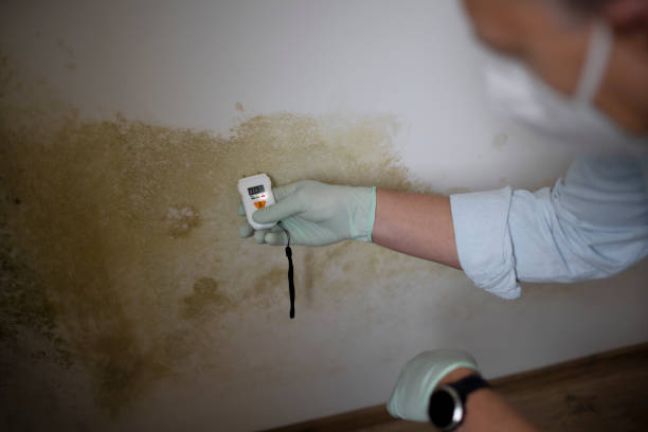
Air sampling can help when there are concerns about mold in a home or building. It can show if there are unusual mold levels in the air, even when mold cannot be seen during an inspection. Moisture hidden behind walls, under floors, or inside HVAC systems can sometimes lead to higher mold spore levels in the air.
Mold air sampling is also helpful for checking indoor air quality, confirming that mold cleanup was successful, and providing useful information during real estate transactions when buyers or sellers have concerns about mold.
The Basics of Mold Spores in the Environment
Mold Is Naturally Present Everywhere
One of the most important things to understand about mold testing is that mold spores are naturally found in the air around us. Outdoor air contains many mold spores that come from soil, plants, trees, and dead leaves or other organic materials. These tiny spores move through the air and can enter homes and buildings through open doors, windows, ventilation systems, and everyday activities.
Since mold spores are normally present both inside and outside, finding them in an indoor air sample does not always mean there is a mold problem.
Factors Affecting Airborne Mold Levels
Many factors can affect the amount of mold spores in the air. Outdoor mold levels can change because of temperature, humidity, rain, wind, and different seasons. Inside a building, things like airflow, water leaks, heating and cooling systems, and the number of people using the space can also affect mold spore levels.
Because these conditions can change from day to day, it is difficult to understand indoor mold test results without having something to compare them to.
What Are Outdoor Control Samples?
Definition of an Outdoor Control Sample
An outdoor control sample gives inspectors a reference point for comparing indoor air samples. It shows the normal level and types of mold spores present outside the property at the time of testing.
Instead of looking at indoor results alone, inspectors compare them with outdoor samples to see whether the mold levels inside the building are normal or unusually high.
This comparison is an important part of mold air sampling and helps provide more accurate test results.
How Outdoor Samples Are Collected
Outdoor control samples are collected using the same equipment and methods used for indoor testing. Inspectors choose an outdoor area that reflects normal outdoor air conditions and avoid places that may have unusually high mold levels.
The timing of sample collection is also important because outdoor mold levels can change during the day due to weather and other environmental factors. Taking both outdoor and indoor samples during the same inspection helps provide the most accurate results for comparison.
Why Indoor Samples Must Be Compared to Outdoor Controls
Establishing a Reference Point
Without an outdoor control sample, it is harder to understand what indoor mold test results really mean. An indoor sample may show several hundred mold spores in the air, which can seem alarming. However, if the outdoor air contains even more mold spores, the indoor levels may be completely normal.
The outdoor sample gives inspectors a point of comparison and helps them determine whether the amount of mold inside the building is normal or higher than expected.
Detecting Indoor Mold Amplification
One of the main goals of mold air sampling is to find out if mold is growing inside a building. When mold grows indoors, it releases more spores into the air.
If indoor mold spore levels are higher than outdoor levels, or if certain types of mold are found indoors in much larger amounts, inspectors may believe there is an active mold problem somewhere in the building.
Comparing indoor and outdoor samples helps inspectors determine whether the mold levels are normal or if there may be a mold issue that needs attention.
Avoiding Misleading Results
Looking at indoor air samples by themselves can sometimes lead to the wrong conclusion. A low mold spore count indoors may still be a concern if the outdoor spore count is much lower. On the other hand, a higher indoor spore count may be normal if there are already high levels of mold spores in the outdoor air.
Comparing indoor and outdoor samples helps inspectors better understand the results and determine whether there may be a mold problem inside the property. This makes the assessment more accurate and reliable.
The Science Behind Indoor and Outdoor Sample Comparisons
Evaluating Spore Counts
Laboratories show mold air sampling results as the number of mold spores found in a certain amount of air. Inspectors compare the indoor and outdoor results to see if mold levels inside the building are normal.
There is no single number that determines whether a mold problem exists. However, if indoor mold levels are much higher than outdoor levels, it may indicate a potential issue that needs further home inspection.
Instead of looking only at the numbers, professionals examine the overall results and patterns to better understand the condition of the property.
Identifying Mold Types
The types of mold found in a sample can be just as important as the total number of spores. Outdoor air often contains common mold types such as Cladosporium, Basidiospores, and Ascospores. These molds are naturally found outside and can also be present indoors.
If certain mold types are found indoors in much higher amounts than outdoors, or if they are found indoors but not outdoors, it may suggest mold is growing somewhere inside the building.
Lab testing helps identify these differences and can provide useful information about possible moisture or water problems.
Understanding Indoor-to-Outdoor Ratios
Many mold experts compare indoor and outdoor air samples to understand mold levels in a building. In a healthy building, indoor mold levels are usually the same as or lower than outdoor levels.
However, the numbers alone do not provide the full picture. Things like the condition of the building, weather, daily activities, and where the samples were collected can affect the results. That is why it is important to have a trained professional review and explain the findings.
Factors That Can Influence Sampling Results
Environmental Conditions
Weather can affect mold air sampling results. Rain can lower the number of mold spores in the air for a short time, while windy weather can spread more spores outdoors.
The time of year also affects mold levels. Mold spores can increase or decrease throughout the year depending on the temperature and how much moisture is in the environment.
Building Conditions
The operation of HVAC systems, recent remodeling work, and water leaks can all affect indoor air quality testing results. Buildings with poor airflow may collect more airborne particles than buildings with good ventilation.
Activities such as construction, moving furniture, or other recent changes inside a building can also temporarily increase the number of mold spores in the air.
Human Activities
Everyday activities can influence air sample readings. Vacuuming, dusting, opening windows, and occupant movement can disturb settled spores and introduce additional particles into the air.
Professional inspectors account for these variables when planning and conducting mold testing services.
Common Misconceptions About Mold Air Sampling
Higher Indoor Counts Always Mean a Problem
Many people assume that elevated indoor mold levels automatically indicate contamination. While high counts may suggest an issue, results must always be interpreted within the broader context of the inspection.
Visual observations, moisture measurements, building history, and laboratory findings all contribute to an accurate assessment.
Outdoor Mold Levels Are Always Higher
Although outdoor environments often contain substantial mold populations, indoor amplification can cause indoor levels to exceed outdoor concentrations. This is especially true when moisture problems support active mold growth.
Each building presents unique conditions that require individual evaluation.
Air Sampling Alone Finds Every Mold Problem
Air sampling is an important diagnostic tool, but it is not a standalone solution. Some mold growth may remain hidden without significantly affecting airborne spore levels.
Comprehensive mold inspections often include visual assessments, moisture detection, thermal imaging, and other investigative techniques.
When Mold Air Sampling Is Most Beneficial
Mold air sampling is particularly useful in several situations. During real estate transactions, buyers and sellers often seek objective information about indoor environmental conditions before completing a sale.
Occupants experiencing unexplained indoor air quality concerns may benefit from testing to identify potential mold-related issues. Property managers may also use testing to evaluate moisture concerns following leaks or water damage.
Another common application is post-remediation verification. After mold removal has been completed, air sampling helps confirm that indoor conditions have returned to normal and are consistent with outdoor controls.
Best Practices for Accurate Mold Air Sampling
Reliable testing begins with proper inspection procedures. Experienced professionals understand how sampling locations, environmental conditions, and building characteristics affect results.
Collecting multiple indoor samples in strategic locations often provides a more complete picture of building conditions. Outdoor control samples should always be included whenever possible to establish an appropriate comparison point.
Combining mold air sampling with moisture assessments and visual inspections creates a more comprehensive evaluation of potential mold concerns.
How Laboratories Analyze Mold Air Samples
Once samples arrive at the laboratory, trained analysts examine them under specialized microscopes. Individual spores are identified, categorized, and counted according to established procedures.
The laboratory then generates a report detailing spore concentrations and mold types found in each sample. These findings provide the data needed for comparison and interpretation.
At Select Inspection, laboratory results are considered alongside inspection observations to develop a complete understanding of the property’s environmental conditions.
Conclusion
Mold air sampling is more than just collecting air samples. To get accurate results, indoor air samples should be compared with outdoor control samples collected at the same time. This helps inspectors understand what mold levels are normal for the area and whether there may be a mold problem inside the building.
Without comparing indoor and outdoor samples, test results can be confusing and may not give a clear picture of the situation. Outdoor control samples provide an important reference point that helps determine whether indoor mold levels are normal or higher than expected.
Whether you are concerned about indoor air quality, buying or selling a property, or checking the success of mold removal work, mold air sampling can provide useful information. At Select Inspection, thorough testing and professional analysis help property owners better understand their indoor environment and make informed decisions about their property. If you have questions about mold testing or would like to schedule an inspection, contact us today. Our team is ready to help you assess your property and gain confidence in your indoor air quality.
Frequently Asked Questions
1. Why is an outdoor control sample necessary in mold testing?
An outdoor control sample establishes a baseline for normal mold levels and helps inspectors accurately interpret indoor air sample results.
2. Can indoor mold levels be lower than outdoor levels?
Yes. In many healthy buildings, indoor mold concentrations are equal to or lower than outdoor levels.
3. Does a high mold spore count automatically indicate mold growth?
No. Results must be evaluated alongside visual inspections, moisture conditions, and outdoor control samples.
4. How many indoor air samples are typically collected?
The number depends on the size of the property, areas of concern, and inspection objectives.
5. Is mold air sampling effective for finding hidden mold?
It can provide valuable indicators of hidden mold issues, especially when combined with moisture detection and visual inspections.
6. When should post-remediation mold testing be performed?
Testing is typically conducted after remediation work is completed to verify that indoor conditions have returned to acceptable levels.