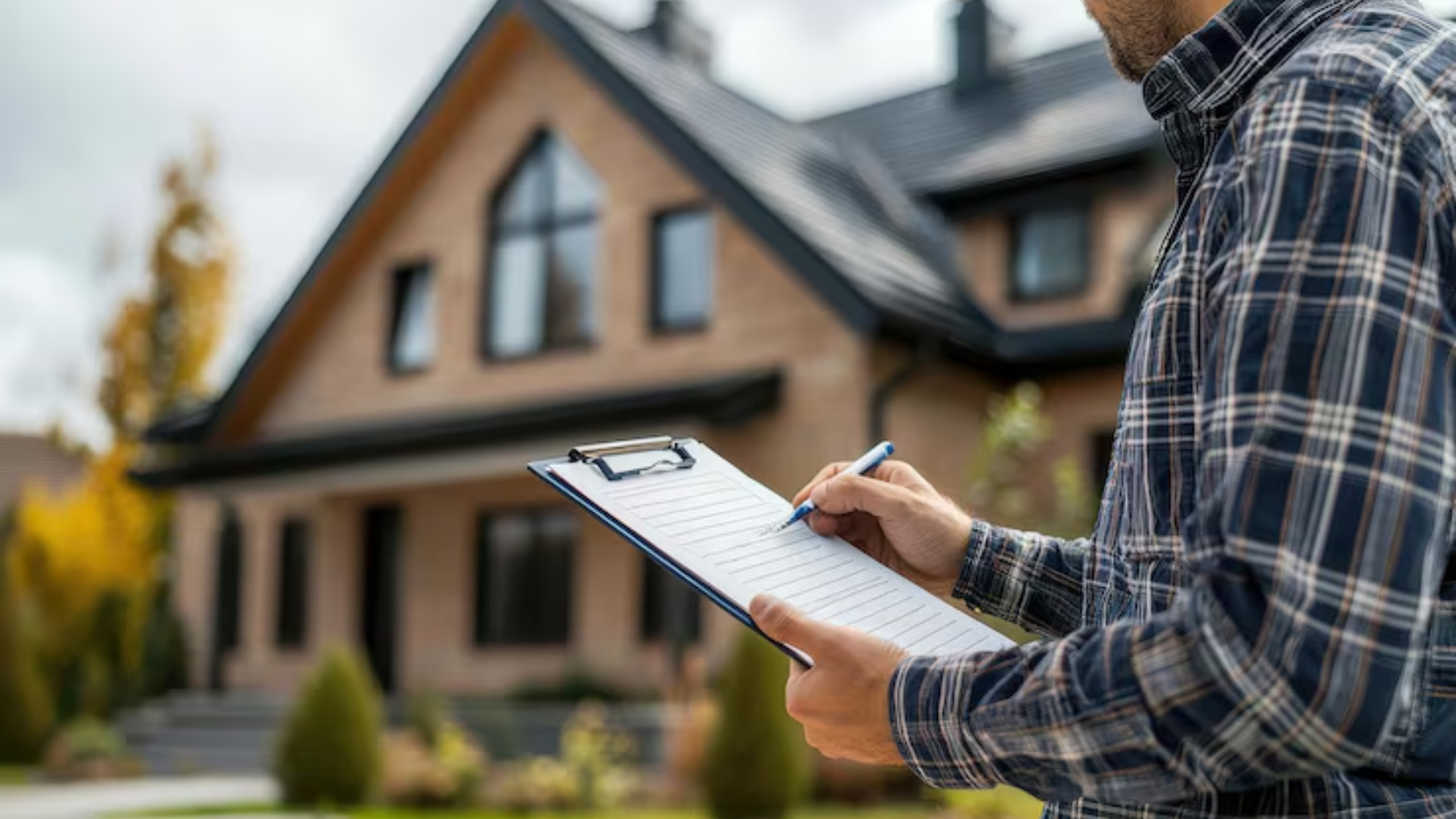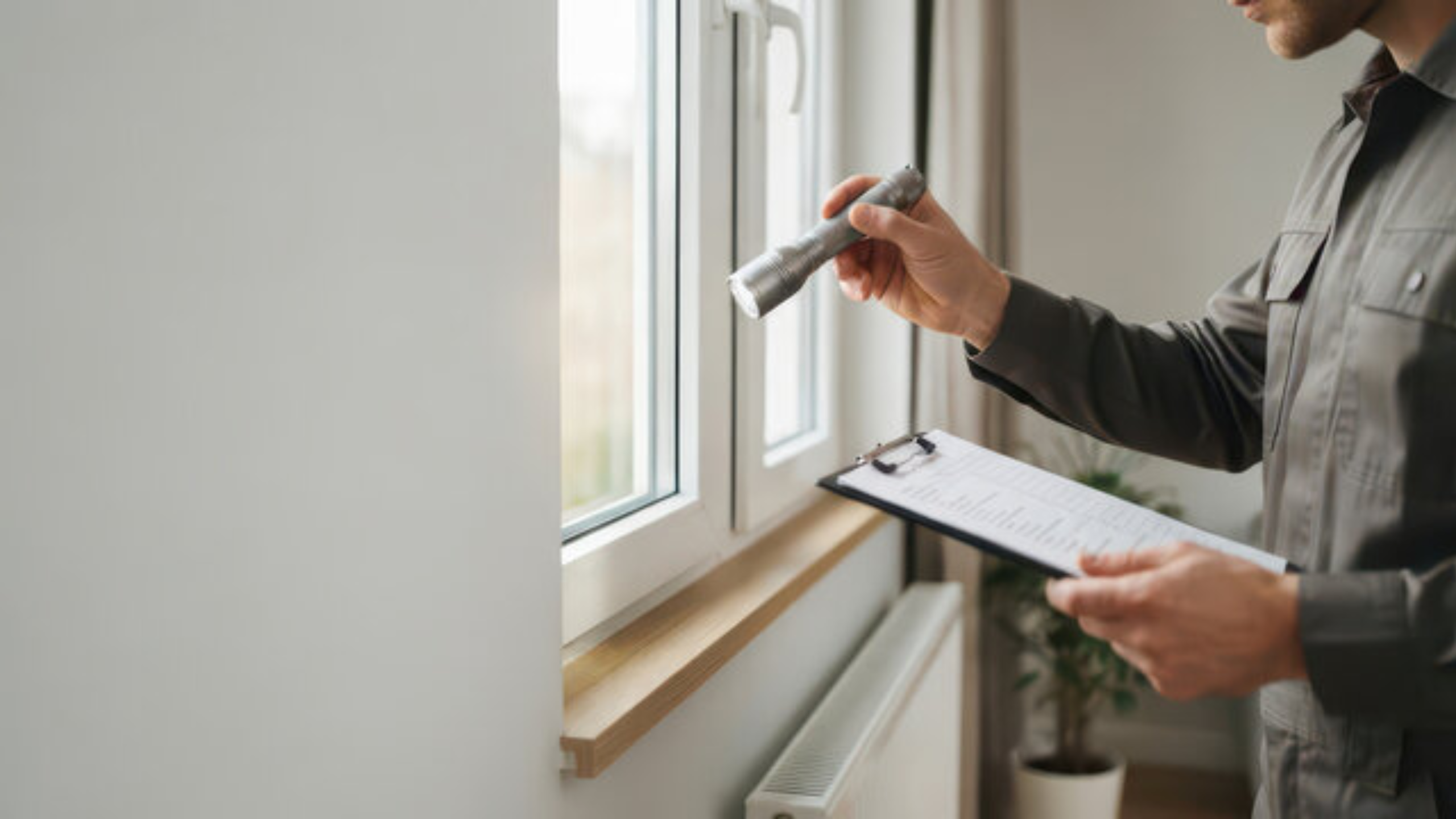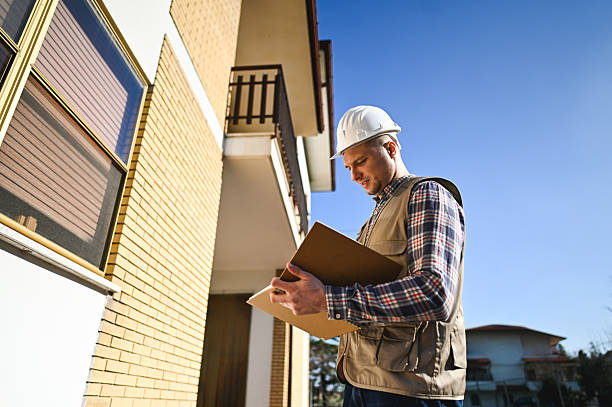
Preparing your home before a professional inspection can make the process smoother and help the inspector evaluate more of the property’s accessible systems and components. Whether you are selling your Lafayette home, preparing for a buyer’s inspection, or simply checking your property’s condition, a little preparation can make a difference.
Good home inspection preparation does not mean making your home perfect or completing every possible repair. A professional home inspection is a visual evaluation of the home’s condition at the time of the inspection. Louisiana’s standards require inspectors to examine readily accessible systems and components and identify significant deficiencies, unsafe conditions, or non-functioning components within the scope of the inspection.
If you are wondering how to prepare for home inspection, focus on providing safe access, making normal utilities available, addressing obvious maintenance concerns, and gathering useful property records.
Why Home Inspection Preparation Matters
A home inspection is intended to provide an objective understanding of a property’s current condition. Louisiana’s State Board of Home Inspectors explains that a standard inspection is a visual examination of the home’s physical structure and major interior systems. It may include readily accessible areas such as the roof, attic, walls, ceilings, floors, windows, doors, foundation, heating and air conditioning systems, plumbing, and electrical systems.
Homeowners can help by making these areas accessible before the inspector arrives.
Proper inspection preparation can also prevent avoidable access limitations. If an electrical panel is blocked by stored items or an attic entrance cannot be reached, the inspector may not be able to evaluate that component fully.
The goal is simple: make it as easy and safe as reasonably possible for the inspector to examine the property.
1. Clear Access to Important Areas
One of the most important steps when preparing house for inspection is removing unnecessary obstacles.
Walk through your home and identify areas that an inspector may need to access. Clear furniture, boxes, storage items, and other belongings from around:
- Electrical panels
- HVAC equipment
- Water heaters
- Attic entrances
- Crawl space entrances
- Plumbing fixtures
- Utility areas
- Garage components
Louisiana’s inspection standards distinguish readily accessible areas from components blocked by stored items, furniture, or other obstructions.
You do not need to empty your home. Simply create enough space for normal inspection access.
2. Unlock Doors, Gates, and Access Points
Before the inspection, check that all relevant doors and gates can be opened.
This may include exterior gates, garages, sheds, utility rooms, attic access points, and other areas that are part of the inspection.
If the inspector cannot enter an area, that portion of the property may have limited inspection coverage. Louisiana standards allow inspectors to identify systems or components that were not inspected and explain the reason.
If you will not be present during the appointment, coordinate access with your real estate agent or another responsible person.
3. Make Sure Utilities Are Available
Normal utilities should be available when appropriate so the inspector can evaluate the home’s operating systems.
Before the appointment, check that electricity, water, and other applicable utilities are turned on. You can also make sure normal controls such as light switches, faucets, toilets, and thermostats are accessible.
Do not attempt electrical, plumbing, HVAC, or other specialized repairs simply to prepare for an inspection. If a system is intentionally shut down, tell the inspector or provide the relevant information.
The inspection is intended to evaluate systems and components that are within the agreed scope and readily accessible at the time of the inspection.
4. Check for Obvious Maintenance Issues
Your home inspection checklist should include a quick review of visible maintenance concerns.
Look for issues such as:
- Leaking faucets or visible plumbing leaks
- Loose handrails
- Damaged steps
- Broken windows or doors
- Missing outlet covers
- Damaged gutters or downspouts
- Visible water stains
- Loose exterior materials
- Damaged screens
- Obvious drainage concerns
You do not have to repair every cosmetic imperfection before the inspection. Focus on practical maintenance and safety issues that you already know about.
If you recently completed repairs, keep invoices, receipts, warranties, permits, or other relevant documentation available.
5. Give the HVAC System Clear Access
Heating and cooling equipment is an important part of a home inspection. Make sure the inspector can reach the HVAC equipment and relevant components without moving large amounts of personal property.
If the HVAC filter is overdue for replacement, replacing it is a reasonable routine maintenance step. However, a new filter does not resolve an underlying mechanical or performance issue.
Lafayette’s climate makes proper heating, cooling, and moisture management especially relevant to homeowners. Select Inspection provides residential inspection services that include evaluation of major home systems as part of its inspection offerings.
6. Prepare the Attic and Crawl Space
Attics and crawl spaces can provide useful information about a home’s condition, including accessible structural components, insulation, ventilation, and signs of moisture.
As part of your home inspection preparation, make sure attic and crawl space entrances are not blocked by storage items.
Do not attempt to enter an unsafe crawl space or attic yourself. Louisiana’s standards recognize that inspectors are not required to enter areas that are not readily accessible or that present access limitations.
Your role is simply to provide reasonable access where possible and allow the professional inspector to determine whether the area can be safely evaluated.
7. Check the Exterior of Your Lafayette Home
Walk around the exterior before the inspection and look for obvious concerns.
Check gutters, downspouts, exterior doors, visible siding or trim, walkways, and areas around the foundation. Look for standing water, damaged components, or items that could prevent access.
Lafayette homes can experience substantial heat, humidity, and rainfall, so moisture management and exterior drainage are practical areas for homeowners to monitor.
You do not need to make major changes immediately before an inspection. The purpose of this review is to identify obvious issues that may be worth addressing or documenting.
8. Organize Repair and Maintenance Records
Another useful part of inspection preparation is gathering information about work performed on the property.
Keep available records for major work such as:
- Roof replacement or repairs
- HVAC installation or servicing
- Plumbing repairs
- Electrical work
- Foundation repairs
- Water damage repairs
- Major renovations
- Appliance warranties
- Pest-related treatments
These records can provide useful background about the property and help explain improvements or repairs that have already been completed.
If you are selling your home, organized documentation can also make it easier to respond to questions about previous work.
9. Make Walkways and Work Areas Safe
Safety should be a priority when preparing for an inspection.
Remove unnecessary items from stairs, hallways, walkways, and areas around major systems. Secure pets and keep children away from areas where the inspection is taking place.
Do not create a safety risk just to make an area accessible. Louisiana’s inspection standards recognize that some areas may not be readily accessible, and inspectors are not required to enter areas they determine cannot be safely accessed.
A clear and safe property helps the inspector move through the inspection more efficiently.
10. Do Not Hide Known Problems
Preparing a home for inspection does not mean hiding problems.
Avoid covering water stains, placing belongings in front of damaged areas, temporarily concealing leaks, or making cosmetic changes that simply hide an underlying issue.
Instead, be straightforward about known repairs and provide documentation when available.
A professional inspection is not a pass-or-fail examination. The Louisiana State Board of Home Inspectors explains that an inspection describes the home’s current condition and is not an appraisal, warranty, or guarantee that the property has no defects.
Being transparent can make the inspection process more useful for everyone involved.
11. Complete a Final Home Inspection Checklist
The day before the appointment, use this simple home inspection checklist:
- Clear access to the electrical panel
- Clear access to HVAC equipment
- Clear attic and crawl space entrances
- Unlock relevant doors and gates
- Make applicable utilities available
- Check for visible plumbing leaks
- Look for obvious safety concerns
- Check exterior drainage and gutters
- Clear interior and exterior walkways
- Gather repair and maintenance records
- Secure pets
- Make information about previous repairs available
This final review does not guarantee that the inspection will identify no concerns. Instead, it helps ensure that the inspector can access the property and evaluate its readily accessible components.
What You Should Not Do Before a Home Inspection
Homeowners sometimes feel pressure to make extensive improvements before an inspection. That is usually unnecessary.
You do not need to remodel the home, replace functional fixtures, or make cosmetic upgrades simply because an inspection is scheduled.
Avoid rushing into major repairs that cannot be completed properly. If a known issue requires professional attention, consider addressing it appropriately and retain documentation of the work.
The purpose of home inspection preparation is to improve access and provide useful information, not to make the property appear flawless.
Conclusion
Preparing your Lafayette home for a professional inspection can be straightforward. Clear access to important areas, make applicable utilities available, check obvious maintenance concerns, prepare attic and crawl space entrances, review exterior conditions, and organize repair records.
A practical approach to prepare for home inspection helps the inspector evaluate more of the property’s accessible systems and components while making the inspection process more efficient.
Select Inspection provides residential inspection services for homeowners, buyers, sellers, and property owners across Lafayette and the Acadiana region. Get in touch with Select Inspection to learn more about preparing for your upcoming inspection.
Frequently Asked Questions
1. How should I prepare my home for a professional inspection?
Start by clearing access to major systems, unlocking relevant doors and gates, making applicable utilities available, checking for obvious maintenance concerns, and gathering records for previous repairs.
2. What should I include on my home inspection checklist?
Your home inspection checklist should include electrical panel access, HVAC access, attic and crawl space access, working utilities, clear walkways, visible maintenance concerns, exterior drainage, and relevant repair records.
3. Should I clean my house before a home inspection?
Your home does not need to be spotless. However, removing clutter from important areas can make electrical panels, HVAC equipment, attic entrances, crawl spaces, and other accessible components easier to inspect.
4. Should I repair everything before a home inspection?
No. You do not need to complete every repair or cosmetic improvement before an inspection. Focus on reasonable maintenance and safety concerns, and provide documentation for major repairs that have already been completed.
5. Can a home inspector inspect blocked or inaccessible areas?
An inspector may have limitations when an area is blocked or not readily accessible. Louisiana standards require inspectors to identify systems or components that were not inspected and provide the reason when applicable.