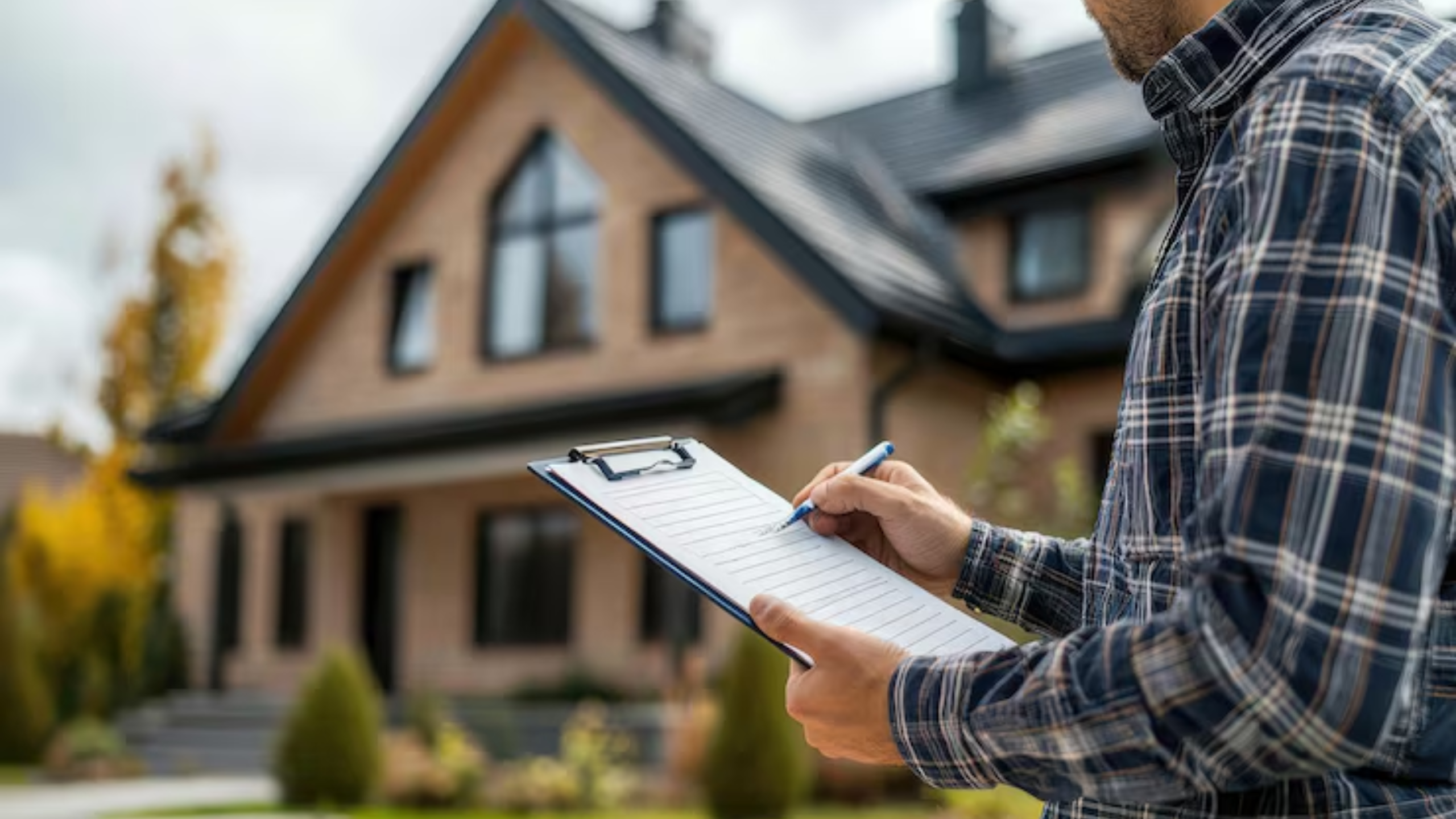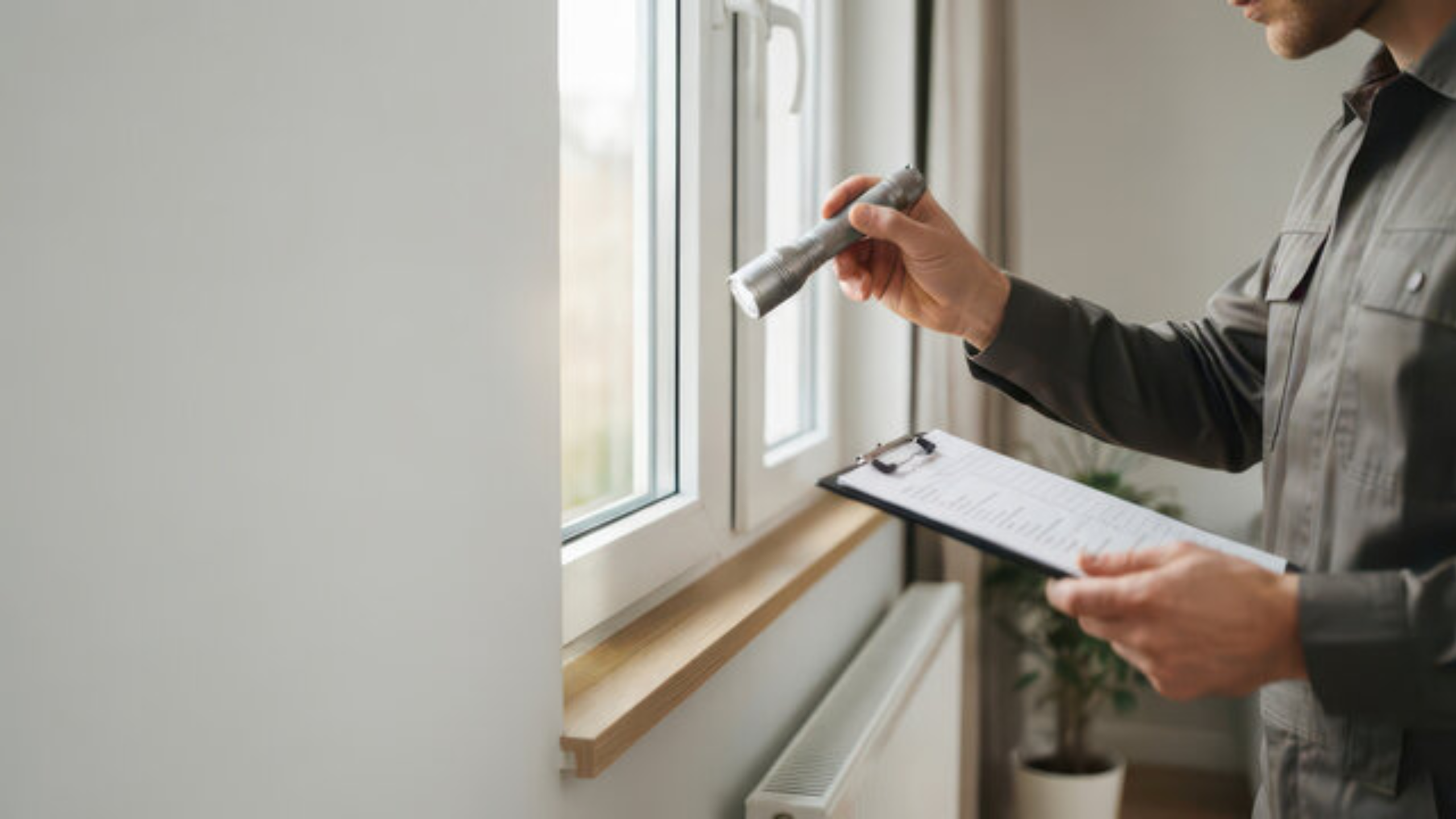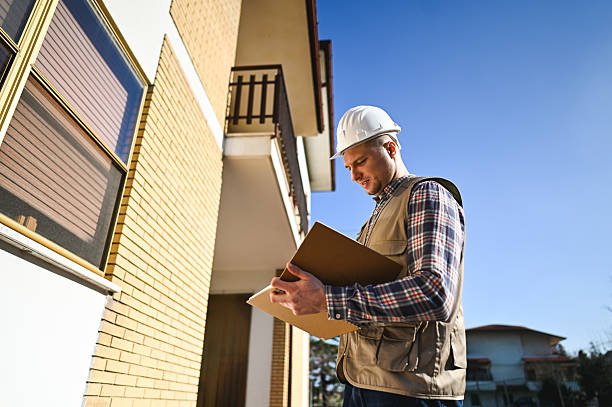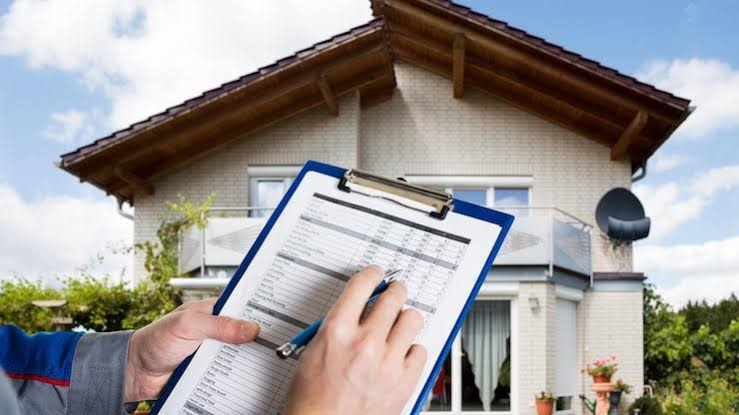

A professional home inspection in Lafayette, LA evaluates a home’s major systems and structural components, helping buyers understand the property’s actual condition before closing. In Acadiana, inspectors commonly pay close attention to moisture intrusion, drainage, HVAC performance, and termite-conducive conditions given the region’s subtropical climate.
You’ve found the house. Your offer was accepted. Now you’re under contract, and someone on your team, your agent, your lender, or your own gut, is telling you to get a home inspection. You’re probably wondering exactly what that means and what you’ll actually learn from it.
A home inspection is one of the most practical steps in the entire purchase process. It gives you a documented picture of the property’s current condition, not a sales pitch, not a seller’s disclosure, but an objective, system-by-system evaluation from a licensed professional who has no stake in whether the deal closes.
That said, there’s a lot of confusion about what an inspection actually covers, what it doesn’t, and how to use the report once you have it. This guide walks you through the full picture, from what a licensed inspector examines to the questions worth asking before you walk out of the inspection.
What Does a Home Inspection in Lafayette, LA Actually Cover?
A standard home inspection evaluates the visible and accessible components of a residential property. In Louisiana, licensed home inspectors operate under standards set by the Louisiana State Board of Home Inspectors (LSBHI), which defines both the scope of the inspection and what falls outside its required coverage.
At Select Inspections, licensed and InterNACHI CPI Certified inspectors follow a thorough evaluation process that typically includes:
Roof and Exterior
The roof is one of the most expensive systems in any home. Inspectors look at the condition of shingles or other roofing materials, flashing around penetrations and valleys, gutters and drainage, soffit and fascia, and visible signs of water intrusion. In South Louisiana, roof age and storm-related wear are particularly relevant. The region’s exposure to high winds and heavy rainfall can shorten the lifespan of roofing materials faster than national averages might suggest.
Foundation and Structure
Inspectors evaluate the accessible structural components, including the foundation, floor framing, walls, and roof structure. In Lafayette and surrounding Acadiana parishes, the combination of clay-heavy soils, seasonal moisture fluctuations, and drainage patterns can create conditions that put unusual stress on foundations over time. Inspectors look for visible cracks, settlement patterns, and signs of differential movement, and will note where further evaluation by a structural engineer may be warranted.
Electrical Systems
The electrical panel, branch wiring, outlets, switches, and visible fixtures are all evaluated during a standard inspection. Inspectors commonly look for double-tapped breakers, improper wiring, ungrounded outlets, and panel conditions that may not meet current safety standards. Older homes in established Lafayette neighborhoods may have wiring or panels that were code-compliant when installed but no longer reflect current safety expectations.
Plumbing
Supply lines, drain lines, water heater condition, visible fixtures, and water pressure are all assessed where accessible. Inspectors look for signs of active leaks, corrosion, slow drainage, and improper venting. Water heater age and condition are also noted, since older units in humid South Louisiana environments may show accelerated wear.
HVAC
Heating and cooling systems are among the most critical components in an Acadiana home. Inspectors evaluate the age and condition of the system, filter condition, airflow, visible ductwork, and signs of proper operation. South Louisiana’s climate puts enormous demand on HVAC systems. Units run heavily for much of the year, and a system nearing the end of its expected service life is a material consideration in any buying decision.
Attic and Insulation
The attic space reveals a great deal about a home’s overall condition. Inspectors look at insulation type and coverage, ventilation, framing, and signs of moisture or pest activity. In the Acadiana climate, inadequate attic ventilation can contribute to elevated humidity levels that accelerate wood deterioration and create conditions favorable for mold growth.
Interior
Walls, ceilings, floors, doors, and windows are inspected for visible defects, signs of moisture, and functional operation. Inspectors note things like sticking doors, which can indicate foundation movement, water stains on ceilings, or efflorescence on interior masonry.
Crawlspace or Slab
Depending on the home’s construction type, inspectors evaluate accessible crawlspaces for moisture, wood-to-ground contact, ventilation, and structural conditions. Slab foundations are assessed from accessible areas for visible cracking or settlement.
Louisiana-Specific Considerations Buyers Should Understand
Buying a home in Acadiana is not quite the same as buying one in Denver or Charlotte. The local environment creates specific patterns that experienced local inspectors recognize and buyers benefit from understanding.
Moisture and Humidity
Louisiana’s subtropical climate means humidity levels remain elevated throughout most of the year. When a home’s HVAC system cools without adequately dehumidifying interior spaces, moisture can accumulate inside wall cavities and attic spaces. Inspectors look for visible signs of this, including staining, material degradation, or conditions that may warrant mold testing, a separate service that involves air and surface sampling.
Drainage and Grading
The flat topography across much of Acadiana means proper lot grading and drainage are especially important. Poor drainage can direct water toward foundation perimeters, increasing the risk of moisture intrusion in slabs or crawlspaces. Inspectors commonly evaluate whether the lot slopes appropriately away from the structure.
Termite Pressure
Subterranean termites are a persistent threat across South Louisiana. A home inspection does not include a formal termite inspection. That requires a separate Wood Destroying Insect Report (WDIR) from a licensed pest control operator. However, inspectors do look for conducive conditions, including wood-to-ground contact, moisture accumulation near the foundation, and cellulose debris. If you’re purchasing a home in Lafayette, a WDIR is not optional. Lenders typically require it, and it’s simply smart buying regardless.
Older and Historic Homes
Lafayette has neighborhoods with significant housing stock from the mid-20th century. Homes of this age may have original electrical panels, galvanized plumbing, older HVAC configurations, and materials that reflect the construction standards of their era. None of this automatically disqualifies a home, but buyers should go in with accurate expectations about what deferred maintenance or system updates may eventually cost.
What a Home Inspection Does Not Guarantee
Understanding the limits of an inspection is just as important as understanding what it covers.
A home inspection is a visual assessment of accessible components at a specific point in time. It is not a warranty, a prediction of future performance, or a guarantee that no defects exist beyond what was observed. Inspectors cannot see behind walls, beneath flooring, or into areas that are physically inaccessible. They evaluate what is present and visible at the time of the inspection.
An inspection also does not include specialized assessments like mold testing, sewer scoping, pool and spa evaluation, or radon testing. These are performed as add-on services when there’s reason to investigate further. Select Inspections offers mold testing, termite/WDIR coordination, pool and spa inspections, and sewer scoping as specialty services for buyers who want a more complete picture.
How to Use Your Inspection Report
The report you receive after a home inspection is a tool for decision-making, not a punch list of demands, and not an automatic reason to walk away.
A good inspection report documents findings clearly, includes photographs of the issues observed, and distinguishes between immediate safety concerns, significant defects, and routine maintenance items. At Select Inspections, each report includes a Repair Request Summary at the beginning, identifying the most significant findings so you can quickly understand the highlights without reading every line.
Once you have the report, here’s how most buyers approach it:
Review the summary first. Understand what the most critical findings are before getting into the details.
Separate safety issues from cosmetic ones. A missing handrail and a dated kitchen are both in the report, but they’re not the same kind of problem.
Talk to your agent. In Louisiana, buyers can negotiate repairs, request seller credits, or ask for a price adjustment based on inspection findings. Your agent can help you decide what’s worth pursuing.
Get contractor estimates for significant items. If the inspector notes that the HVAC system is at the end of its expected service life, a quick call to an HVAC company gives you a real number to work with.
Questions Worth Asking During Your Inspection
The best inspections are interactive. Here are a few questions that tend to yield useful answers:
- Is this something that needs immediate attention, or is it a long-term maintenance item?
- Have you seen this type of issue commonly in homes of this age and construction?
- Would you recommend any specialist evaluation for this finding?
- Where are the main shutoffs for water, gas, and electricity?
- What maintenance items should I prioritize in the first year of ownership?
Schedule Your Inspection Before You Close
Select Inspections serves buyers throughout Lafayette and the broader Acadiana region, including Broussard, Youngsville, Carencro, Scott, and surrounding communities. As a licensed, insured, and InterNACHI CPI Certified inspection company, Select Inspections provides detailed digital reports with photographs, a Repair Request Summary for easy review, and same-day reporting where scheduling allows.
If you’re under contract and need a reliable inspection, learn more about our buyer’s home inspection or schedule directly through the online booking system at any time.
Frequently Asked Questions: Home Inspections in Lafayette, LA
1. What does a home inspector check in Lafayette, LA?
A licensed home inspector in Lafayette, LA evaluates the visible and accessible components of a property, including the roof, foundation, electrical system, plumbing, HVAC, attic, and interior living spaces. The inspection follows standards established by the Louisiana State Board of Home Inspectors and results in a detailed written report with photographs.
2. How long does a home inspection take in Lafayette?
Most residential home inspections in Lafayette take between two and four hours, depending on the size, age, and condition of the property. Buyers are encouraged to attend so they can ask questions and hear findings explained in person.
3. Can I negotiate repairs after a home inspection in Louisiana?
Yes. After reviewing the inspection report, buyers in Louisiana can request that sellers make repairs, offer credits at closing, or adjust the purchase price. The inspection report provides documentation to support those conversations.
4. What is a Repair Request Summary?
A Repair Request Summary is a section at the beginning of the inspection report that highlights the most significant findings. Select Inspections includes this in every report so buyers and their agents can quickly identify the priority issues without reading the entire document.
5. Do I need a separate termite inspection in Lafayette?
Yes. A standard home inspection does not include a formal termite or Wood Destroying Insect Report (WDIR). In Louisiana, most lenders require a WDIR as part of the closing process. Select Inspections can coordinate termite inspection services as an add-on.
6. Should I get a home inspection for a newly built home in Lafayette?
Yes. New construction homes can have defects resulting from installation errors, missed inspections, or builder oversights. A buyer’s inspection before closing on a new home provides an independent review of the property’s condition before you take ownership.