
A home inspection gives homeowners and buyers a clearer understanding of a property’s condition before making important decisions. While a home may look well maintained during a walkthrough, some problems are not easy to see without a systematic inspection. A professional inspection examines accessible components and major systems to identify visible defects, safety concerns, maintenance needs, and conditions that may require further evaluation.
For Lafayette homeowners, local conditions make certain areas especially important. Louisiana homes can experience high humidity, heavy rainfall, storm exposure, moisture intrusion, and soil movement. These factors can affect roofing, drainage, foundations, attics, HVAC systems, and other parts of a property.
This home inspection checklist explains the major areas homeowners should understand when preparing for a professional inspection.
What Does a Home Inspection Checklist Include?
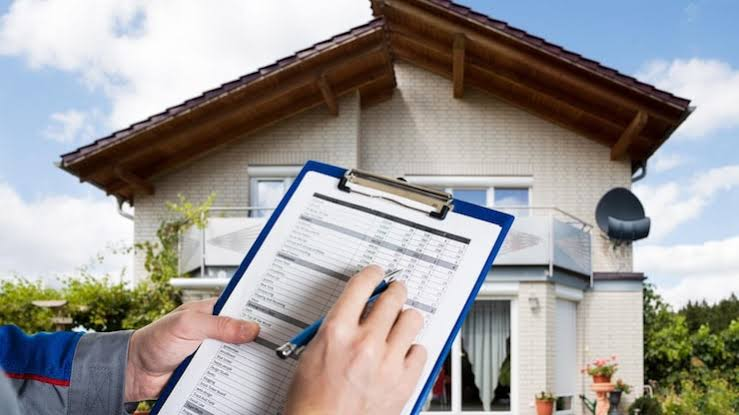
A professional home inspection checklist is designed to provide a structured review of the home’s accessible systems and components. The inspection is generally visual and non-invasive, meaning the inspector evaluates what can be safely and reasonably accessed without damaging the property.
A typical residential inspection covers the roof, exterior, structure, foundation, electrical system, plumbing, heating and cooling equipment, attic, interior areas, and other accessible components. Select Inspections also emphasizes major systems such as roofing, foundation, HVAC, electrical, plumbing, and attic conditions during its residential inspections.
The purpose is not simply to create a long list of problems. Instead, the inspection helps homeowners understand the current condition of the property and identify findings that may need repair, maintenance, monitoring, or additional evaluation.
1. Roof and Roofing Components
The roof is one of the first areas to review during a property inspection because it protects the home from rain, wind, and other weather conditions. An inspector typically evaluates accessible roofing materials and visible components for signs of damage, deterioration, improper installation, or potential water entry.
The home inspector checklist for the roof may include shingles or other roofing materials, flashing, vents, skylights, chimney components, and visible drainage features. Inspectors may also look for signs of previous or active leaks.
For Lafayette properties, roof condition deserves particular attention because storms, heat, rainfall, and humidity can contribute to wear over time. Select Inspections specifically evaluates roofing components such as shingles, flashing, vents, skylights, and chimney structures.
2. Exterior Areas and Drainage
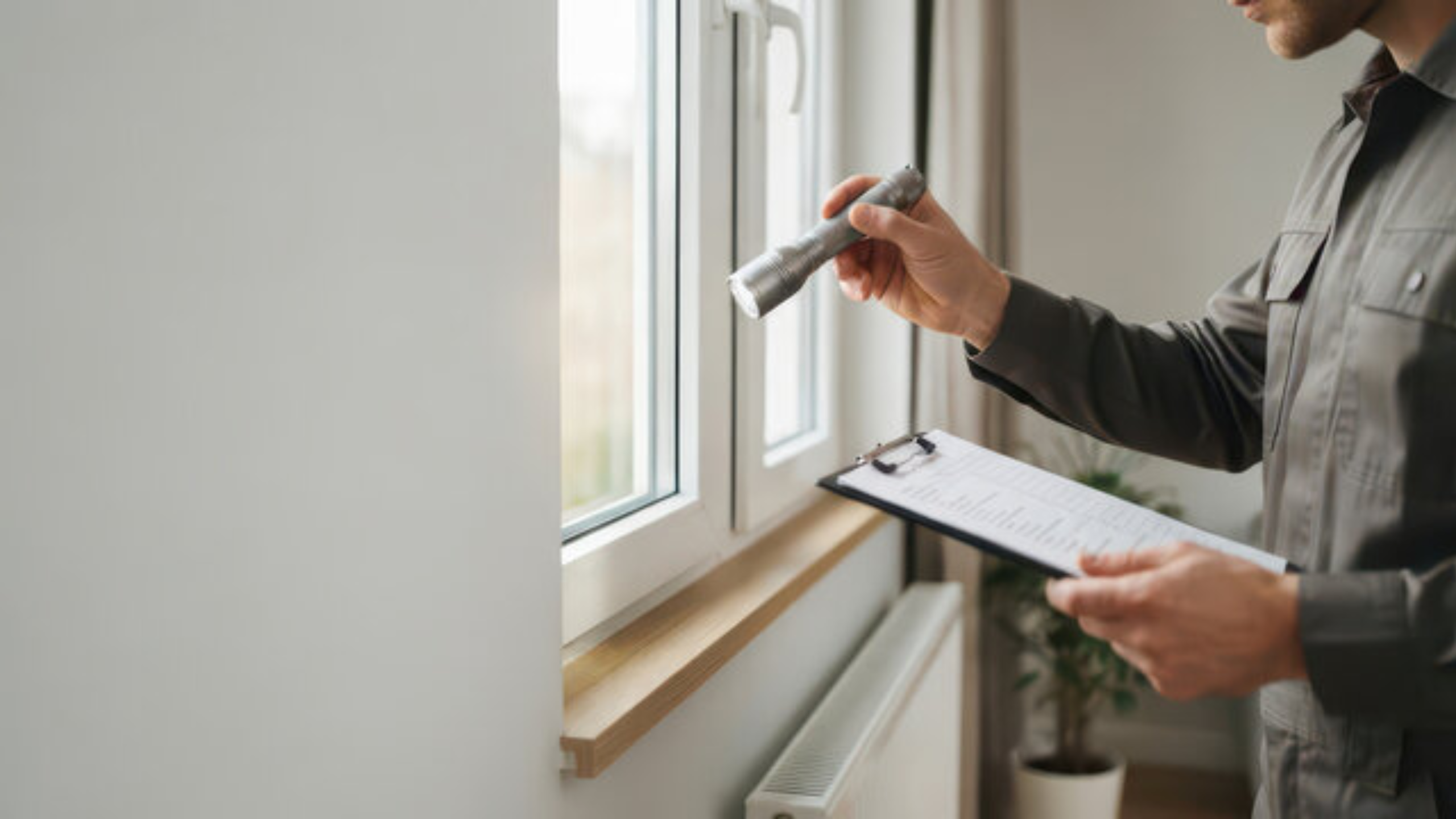
The exterior of a home provides important clues about how well the property manages water and weather exposure. During a house inspection Lafayette LA homeowners can expect the inspector to evaluate accessible exterior components and look for visible concerns.
This can include siding, exterior doors, windows, visible trim, decks, porches, steps, railings, and other accessible structures. Drainage and grading are also important because water should generally move away from the home’s foundation rather than collect beside it.
Signs of poor drainage, standing water, damaged exterior materials, or deteriorated components can indicate maintenance concerns or conditions that deserve further investigation.
3. Foundation and Structural Components
The foundation supports the entire home, making it a critical part of any residential inspection. An inspector examines accessible areas for visible signs of movement, cracking, moisture intrusion, deterioration, or other conditions that may affect structural performance.
Depending on the home’s construction, the inspection may involve accessible slabs, crawlspaces, piers, beams, walls, floors, ceilings, and roof framing.
Lafayette properties may require particular attention to foundation conditions because Louisiana soils can expand and contract as moisture levels change. An inspector’s role is to document visible conditions and help distinguish ordinary signs of settling from findings that may warrant further evaluation.
4. Attic, Insulation, and Ventilation
The attic can reveal problems that are difficult to identify from the living areas below. A complete home inspection checklist should include accessible attic areas and the visible portions of the roof structure.
Inspectors may evaluate insulation, ventilation, the underside of the roof deck, visible framing, and signs of past or current moisture intrusion. They may also identify conditions involving pests, exposed wiring, or other concerns that are visible in the accessible attic space.
Proper ventilation and insulation are especially relevant in Louisiana because heat and humidity can affect attic conditions and overall home comfort. Select Inspections includes insulation, ventilation, roof decking, pest intrusion, and visible electrical hazards within its attic inspection scope.
5. Electrical System
Electrical concerns can create safety risks, so the electrical system is an important part of the home inspector checklist. The inspector generally reviews accessible electrical components and tests representative fixtures and outlets as appropriate.
The inspection may include the electrical service, main panel, breakers, visible wiring, grounding, switches, outlets, and safety devices. GFCI protection in appropriate areas is also an important consideration.
The goal is to identify visible defects, unsafe conditions, or components that may require correction by a qualified electrical professional. Select Inspections identifies the breaker panel, GFCI and AFCI protection, wiring, grounding, and smoke detectors among the electrical inspection areas.
6. Plumbing System
Water-related problems can lead to significant property damage when they go unnoticed. A residential inspection therefore includes an evaluation of accessible plumbing components and visible signs of leakage or drainage problems.
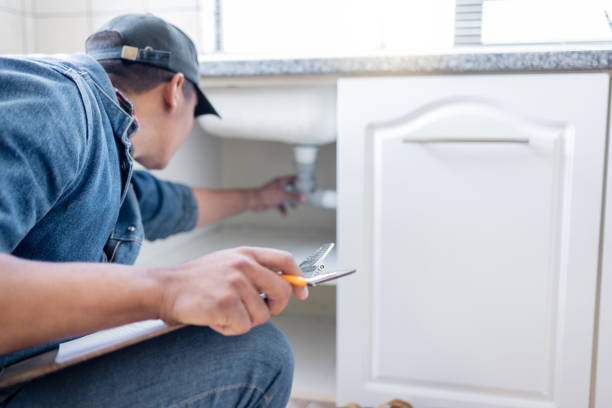
The home inspection checklist may cover supply lines, drains, waste pipes, vents, faucets, sinks, toilets, water heaters, and other accessible plumbing components. Inspectors may operate fixtures and observe functional drainage and water flow where conditions allow.
In Lafayette homes, moisture deserves close attention because humidity and heavy rainfall can contribute to water-related problems. Visible leaks, stains, corrosion, or drainage concerns should be documented so homeowners understand what may require attention.
7. Heating and Cooling Systems
HVAC performance is particularly important in Lafayette because air conditioning plays a major role in maintaining indoor comfort. During a house inspection Lafayette LA, the inspector typically evaluates heating and cooling equipment using normal operating controls when conditions permit.
The inspection may include the HVAC equipment, accessible ductwork, filters, condensate drainage, insulation, and other visible components. Inspectors may also observe whether the system operates as expected at the time of inspection.
A home inspection does not replace a specialized HVAC service evaluation, but it can identify visible concerns or performance issues that may justify further assessment by an HVAC professional.
8. Interior Rooms and Accessible Components
The inside of the home also forms an important part of the home inspection checklist. An inspector may review walls, ceilings, floors, doors, windows, stairs, railings, cabinets, and other accessible interior components.
The inspection can identify visible water stains, damaged materials, improper installation, signs of movement, or safety concerns. Doors and windows may also be evaluated for visible condition and operation where accessible.
Homeowners should remember that an inspection focuses on observable conditions. Cosmetic imperfections that do not affect performance may be documented differently from significant defects or safety concerns.
9. Safety and Additional Inspection Considerations
A thorough property inspection also considers conditions that may affect occupant safety. These can include visible electrical hazards, missing or damaged safety devices, unsafe stairs or railings, moisture-related concerns, and other accessible conditions.
Some services may require specialized inspections rather than being part of a standard home inspection. For example, Select Inspections offers additional services such as mold testing, termite or WDIR coordination, pool and spa inspections, and sewer scope inspections.
Homeowners should discuss specific concerns with their inspector before the appointment so they understand what is included in the inspection and whether a specialized evaluation is recommended.
How Homeowners Can Prepare for an Inspection
Preparing the property can make the inspection process more efficient. Homeowners should provide reasonable access to areas that need to be evaluated, including electrical panels, HVAC equipment, plumbing fixtures, attic access points, garages, and other accessible spaces.
Utilities should generally be operational when appropriate so systems can be evaluated under normal conditions. Personal belongings should also be moved when they block access to important components.
If you already know about a leak, electrical problem, drainage concern, or other issue, informing the inspector can help direct attention to the affected area. However, the inspector should still perform a systematic review rather than relying only on information provided by the homeowner.
What the Home Inspection Report Tells You
After the inspection, the report provides documentation of the inspector’s findings. A good report should make it easier to understand what was observed, where the condition is located, and why it may matter.
Not every finding has the same level of importance. Some conditions may involve routine maintenance, while others may require prompt repair or evaluation by a qualified specialist.
Select Inspections uses organized reporting and a summary section to help clients identify significant findings without having to search through the entire report.
The report should be viewed as a decision-making tool. For buyers, it can help with repair discussions and purchasing decisions. For homeowners, it can help prioritize maintenance and prevent smaller problems from becoming more expensive.
Conclusion
A detailed home inspection checklist helps homeowners understand the major areas that should be reviewed during a professional inspection. Roofing, exterior drainage, foundation, attic, electrical, plumbing, HVAC, interior components, and safety conditions all contribute to the overall condition of a property.
For Lafayette homeowners, local concerns such as humidity, heavy rainfall, storm exposure, moisture intrusion, and soil movement make a systematic residential inspection especially valuable.
If you are buying, selling, or maintaining a home, Contact Select Inspections to schedule a professional inspection and get a clearer understanding of your property’s condition.
Frequently Asked Questions
1. What is included in a home inspection checklist?
A home inspection checklist commonly includes the roof, exterior, foundation, structure, attic, electrical system, plumbing, HVAC, interior components, and other accessible areas of the property.
2. Why is a home inspection important in Lafayette, LA?
A house inspection Lafayette LA homeowners can rely on helps identify visible concerns related to moisture, drainage, roofing, foundations, HVAC systems, electrical components, plumbing, and other major areas affected by local conditions.
3. Does a residential inspection find every problem in a home?
No. A standard residential inspection is generally a visual evaluation of accessible components. Hidden defects or specialized concerns may require additional testing or evaluation by a qualified specialist.
4. Should homeowners inspect a newly built home?
Yes. New construction can still have installation issues, incomplete work, or defects that may not be obvious during a normal walkthrough. Select Inspections provides new construction inspection services designed to identify concerns before ownership or during key construction stages.
5. What should homeowners do after receiving an inspection report?
Homeowners should review the findings, prioritize significant concerns, and obtain additional evaluations when recommended. Buyers can also use documented findings to discuss appropriate repairs or other options during the transaction.