Introduction
Heavy rain can cause serious problems for homes and buildings. One of the main issues is the pressure that builds up when water stays in the soil around a foundation. This is called hydrostatic pressure foundation, and it can lead to cracks, leaks, and other damage over time.
When there is heavy rainfall, the ground can get fully soaked with water. If drainage is not working well, the water does not move away from the home. Instead, it stays around the foundation. As more water collects in the soil, it starts to push against the foundation slab and walls.
Over time, this constant water pressure can weaken the structure and allow moisture to enter the home. It may also lead to small cracks that can grow bigger if the problem is not fixed.
Understanding how water builds up around a home and keeping drainage systems working well can help protect the foundation and avoid costly repairs in the future.
How Heavy Rain Creates Pressure Around Foundations
Water Collects Around the Home
During periods of heavy rain, water naturally moves into the soil surrounding a building. When the ground absorbs more water than it can handle, the soil becomes saturated. This excess water may remain near the foundation if there is no effective way for it to drain away.
Several conditions can increase the likelihood of water collecting near a home. Poor grading, blocked gutters, short downspouts, and low spots in the yard can all contribute to drainage problems. Water that remains close to the foundation for long periods creates an environment where pressure can build against the structure.
Homes located in areas with clay-rich soil may face additional challenges because some soils absorb and hold more water than others. As the soil becomes wet, it can expand and place additional stress on foundation components.
Pressure Builds Against the Slab
As water fills the spaces within the soil, pressure begins to develop around the foundation. The more water that accumulates, the greater the force applied to foundation surfaces.
Foundation slabs are designed to support the weight of a building, but constant exposure to excessive moisture and pressure can create problems over time. Water pressure can force moisture through small openings and cracks. In some cases, it may contribute to the development of new cracks or make existing cracks worse.
The risk often increases during long periods of rain when the ground remains saturated for days or weeks.
Common Signs of Drainage Problems
Inside the Home
Many drainage issues first become noticeable inside the home. Homeowners may see cracks forming in concrete floors or notice damp areas that appear after heavy rainfall. Moisture can enter through small openings in the foundation and create visible signs of water intrusion.
Musty odors are another common warning sign. Persistent moisture creates conditions that allow mold and mildew to develop. While these signs may seem minor at first, they can indicate larger drainage concerns outside the structure.
In some cases, flooring materials may begin to show damage due to ongoing moisture exposure. Changes in floor levels or uneven surfaces can also suggest foundation movement related to water pressure.
Outside the Home
Exterior conditions often provide valuable clues about drainage performance. Standing water near the foundation after rain is one of the most obvious signs of a problem. Water should move away from the home rather than remain next to the structure.
Soil erosion can also indicate poor drainage. When water repeatedly flows through the same area, it can wash away soil and create uneven surfaces around the property.
Foundation cracks that are visible from the outside may be another sign that moisture and soil pressure are affecting the structure. Although not all cracks are serious, they should be monitored and evaluated when necessary.
Risks of Hydrostatic Pressure
Foundation Damage
Hydrostatic pressure can place continuous stress on a foundation. Over time, this pressure may contribute to cracking, shifting, or settlement issues.
Small cracks can allow water to enter the structure and may grow larger if the underlying cause is not addressed. Uneven foundation movement can also affect floors, walls, doors, and windows throughout the building.
While foundation damage often develops gradually, the repair costs can become significant when problems are allowed to continue for long periods.
Moisture Problems
Water pressure does not only affect the structural components of a home. It can also create moisture-related issues that impact comfort and indoor conditions.
Water intrusion may damage flooring, drywall, insulation, and other building materials. Areas that remain damp for extended periods can support mold growth and unpleasant odors.
Moisture problems can spread beyond the immediate area where water enters the structure. This makes early detection and proper drainage management especially important.
Drainage Solutions That Help Reduce Pressure
Proper Yard Grading
One of the best ways to reduce water pressure around a home is to make sure the ground slopes away from the house. This helps rainwater move away from the foundation instead of collecting near it.
Even a small slope can help a lot during heavy rainfall. Any areas where water gathers should be fixed so water can drain away properly and not stay close to the home.
Keeping the ground level in good shape is also important because soil can slowly change and settle over time. Regular home inspection can help find these drainage problems early and prevent damage.
Gutters and Downspouts
Roof runoff can add a large amount of water to the area surrounding a foundation. Gutters and downspouts help control this water and direct it away from the structure.
When gutters become clogged with leaves and debris, water may overflow and collect near the foundation. Regular cleaning helps ensure that the system functions properly.
Downspouts should discharge water a safe distance from the home. Extensions may be needed if water is currently being released too close to the foundation.
Surface Drainage Systems
Surface drainage systems are designed to collect and redirect water before it reaches problem areas. Drain channels, swales, and catch basins can all help manage water flow during heavy rain.
These systems work by providing a controlled path for water movement. Instead of allowing water to gather around the foundation, drainage systems direct it toward appropriate discharge locations.
The effectiveness of a surface drainage system depends on proper design and maintenance.
Underground Drain Systems
In some situations, underground drainage solutions may be necessary. French drains and perimeter drain systems are commonly used to manage groundwater and reduce hydrostatic pressure around foundations.
These systems collect water beneath the surface and move it away from the structure. By reducing the amount of water surrounding the foundation, they help decrease the pressure placed on foundation walls and slabs.
Professional installation is often recommended to ensure that underground drainage systems perform as intended.
Foundation Maintenance Tips
Regular Inspections
Routine inspections can help identify drainage issues before they become major problems. Property owners should periodically check both the interior and exterior of the home for signs of moisture, cracking, or water accumulation.
Observing the property after heavy rainfall can provide useful information about how water moves around the site. Areas where water remains for long periods may require corrective action.
Regular inspections can help detect problems early and support long-term foundation performance.
Keep Water Away From the Home
Reducing water exposure is one of the most effective ways to protect a foundation. Gutters, downspouts, grading, and drainage systems should be maintained on a regular basis.
Landscaping should not interfere with drainage patterns. Soil, mulch, and plants should be arranged in a way that supports water movement away from the structure.
Addressing drainage concerns promptly can help prevent larger issues from developing in the future.
When to Call a Professional
Warning Signs That Need Attention
Some drainage and foundation issues require professional evaluation. Large cracks, repeated water intrusion, persistent standing water, and uneven floors should not be ignored.
These signs may indicate that hydrostatic pressure or drainage problems are affecting the foundation. A professional assessment can help determine the cause and identify appropriate solutions.
Early action often reduces the likelihood of more extensive repairs later.
Benefits of Professional Evaluation
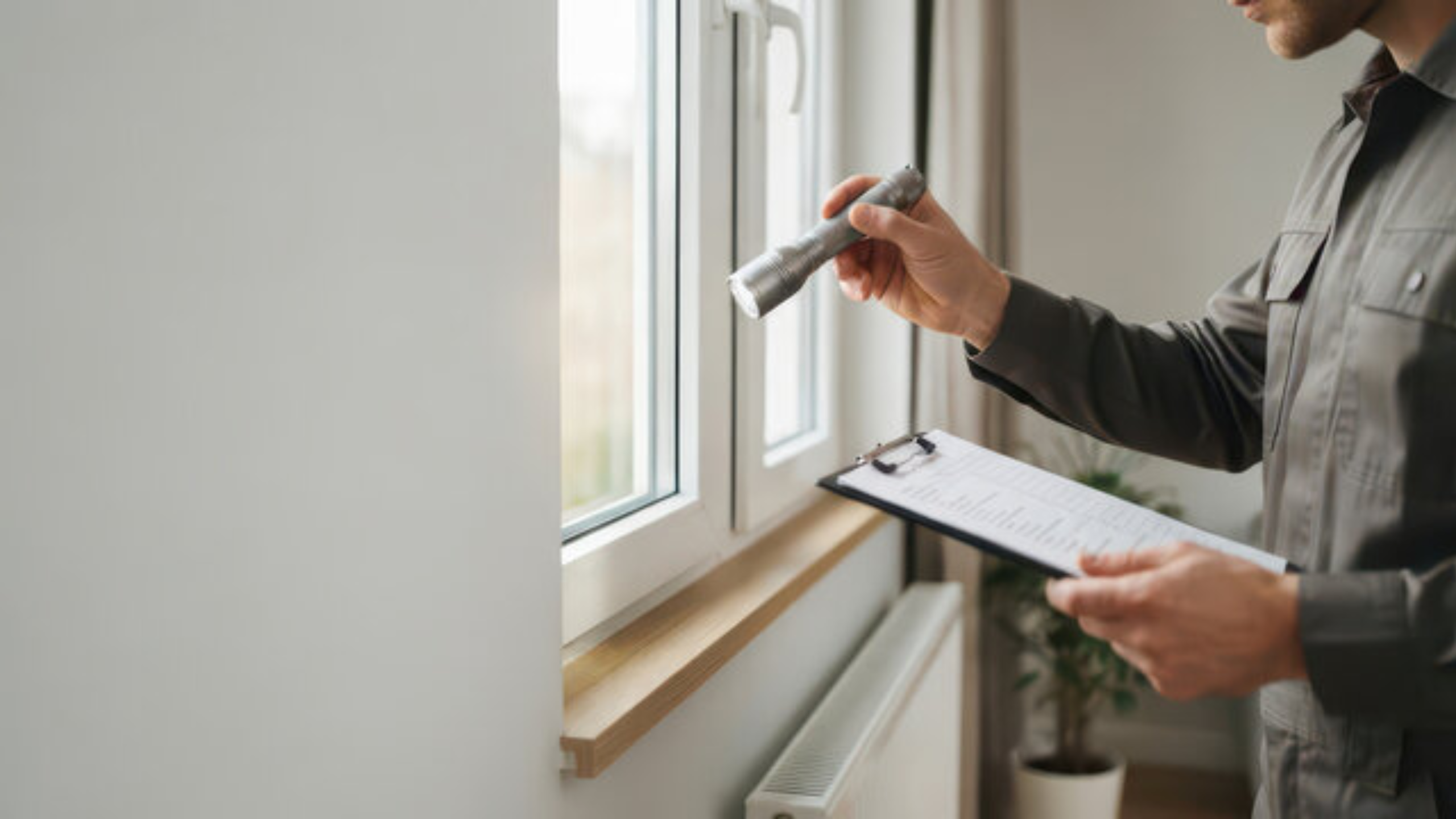
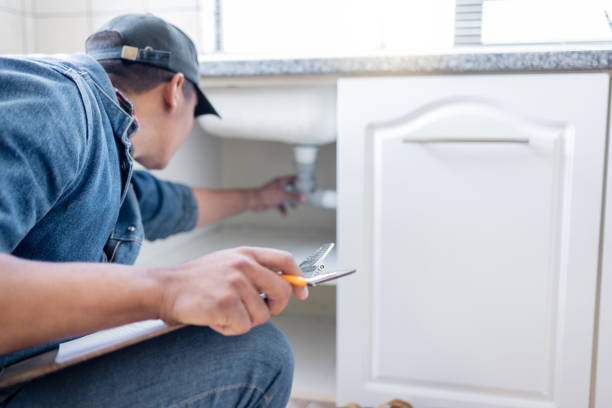
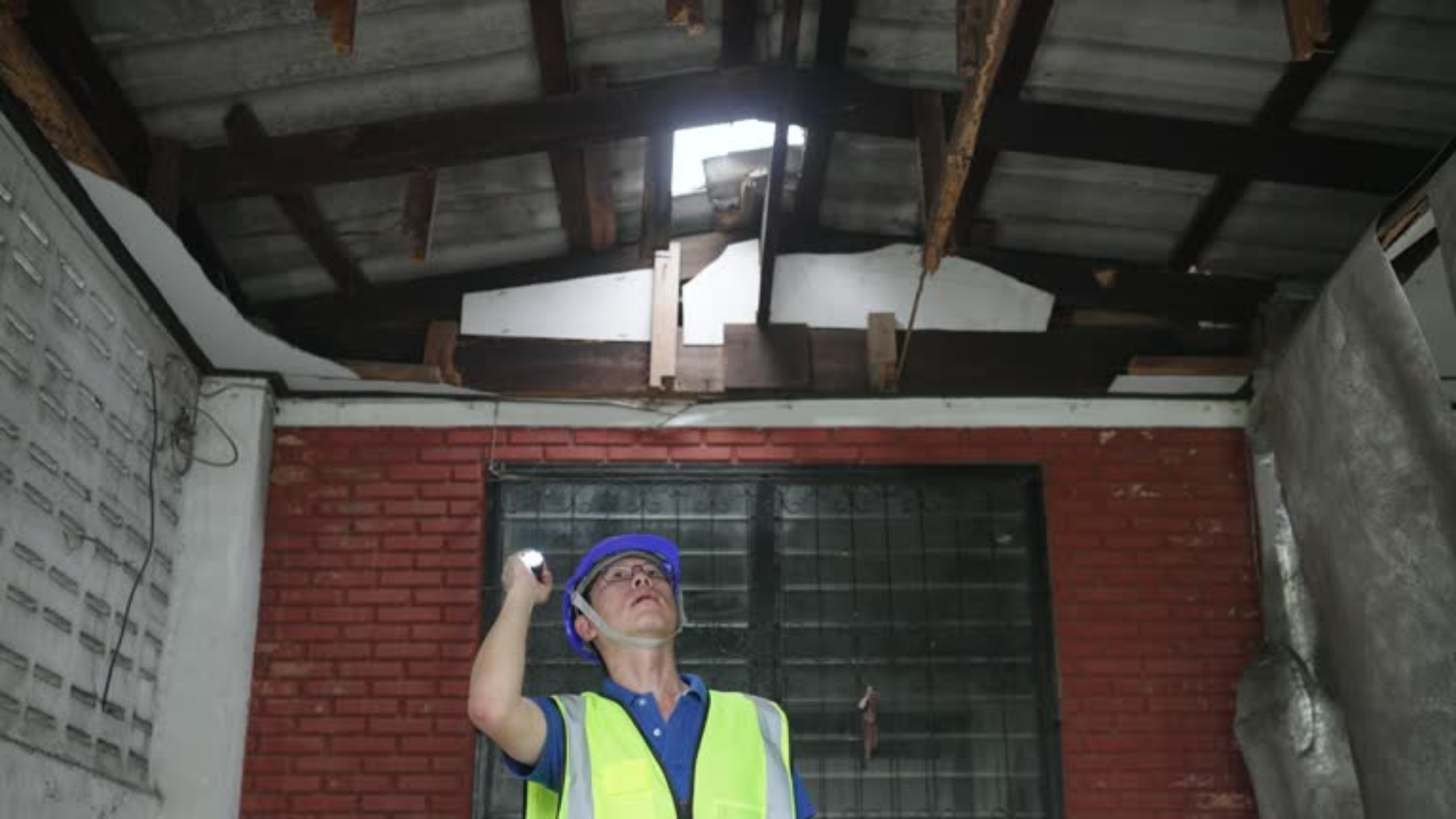
A professional inspection can provide valuable information about drainage conditions and foundation performance. Inspectors can identify moisture-related concerns, evaluate drainage systems, and look for signs of structural movement.
Select Inspection understands the importance of recognizing foundation and drainage issues before they become costly problems. A detailed inspection can help property owners better understand existing conditions and make informed decisions about maintenance and repairs.
Professional evaluations also provide peace of mind by helping property owners understand the overall condition of their property.
Conclusion
Heavy rain can put strong pressure on foundation slabs when water collects near a building. When the soil gets too wet, water pressure builds up under the ground. This can lead to cracks, water leaks, and movement in the foundation.
Good drainage is the best way to lower these problems. Simple steps like proper yard slope, clean gutters, safe downspouts, surface drains, and underground pipes help move water away from the home.
Regular checks and simple care can help stop water damage early. If drainage problems are not fixed on time, they can slowly harm the foundation and weaken the home over time.
If you notice any signs of water issues or foundation problems, you can Contact Us for help and inspection support.
Frequently Asked Questions
1. What is hydrostatic pressure?
Hydrostatic pressure is the force created when water builds up in the soil around a foundation and pushes against it.
2. Can heavy rain damage a foundation slab?
2. Can heavy rain damage a foundation slab?
Yes. Excess water around a foundation can lead to cracks, moisture intrusion, and foundation movement over time.
3. What are signs of drainage problems around a home?
Common signs include standing water, foundation cracks, damp floors, and water entering the home after rainfall.
4. How can I reduce water pressure around my foundation?
Proper grading, clean gutters, downspout extensions, and drainage systems can help move water away from the foundation.
5. When should I schedule a foundation inspection?
A professional inspection is recommended if you notice cracks, recurring moisture issues, or water pooling near the foundation.