Exterior brick walls are made to last a long time, but cracks can appear as they get older. Some cracks are small and may not be a problem, while others can be a sign of damage to the building. One common reason for exterior brick cracks is settlement. This happens when the ground under a building moves or sinks unevenly. As the building shifts, cracks can form in the brick walls.
Knowing what causes these cracks and when they should be checked can help property owners take care of their buildings. A brick crack inspection can help find signs of movement and damage before they become bigger problems. Select Inspection provides detailed inspections to identify these issues early, helping property owners make better decisions about repairs and maintenance.
Understanding Brick Cracks
Brick cracks can appear for many different reasons. Not every crack means a building is unsafe. However, cracks should never be ignored because they can provide important clues about the condition of the structure.
What Causes Brick Cracks?
Several things can cause cracks in exterior brick walls. One common reason is foundation movement. When the foundation moves, the bricks above it can crack.
The soil around a building can also affect the brick walls. Soil gets bigger when it is wet and smaller when it dries. Over time, these changes can put pressure on the foundation and walls.
Weather changes can also cause cracks. Bricks and other building materials get slightly bigger in hot weather and slightly smaller in cold weather. After many years, this can lead to cracking.
As a building gets older, small cracks may appear from normal use and aging. While some small cracks are common, larger cracks may be a sign of a bigger problem.
Different Types of Brick Cracks
Structural inspectors look at the size, shape, and location of cracks in brick walls. Vertical cracks go straight up and down and are often caused by normal settling or small building movement.
Horizontal cracks run across the wall and may be a sign that the wall is under stress or moving.
Stair-step cracks are common when a building settles. These cracks follow the mortar lines between bricks and create a step-like pattern.
Hairline cracks are very small and are usually not a major concern. Larger or wider cracks should be checked to find out what is causing them.
What Is Building Settlement?
Settlement refers to the movement of a building as the soil beneath it changes over time. Almost every building experiences some degree of settlement.
Normal Settlement
Normal settlement happens slowly and evenly over time. As a building settles into the ground, small changes may occur without causing serious problems. Small cracks may appear and stay the same for many years.
In most cases, normal settlement does not affect the safety or condition of the building.
Problem Settlement
When one part of a building moves more than another, it is called problem settlement. This uneven movement can put pressure on walls, the foundation, and other parts of the building.
As the movement continues, larger cracks may appear. Doors and windows may become harder to open or close properly. These are common signs that the building should be inspected.
Signs of Settlement on Exterior Brick Walls
Exterior brick walls often provide visible evidence of settlement. Structural inspectors carefully examine these areas to identify possible concerns.
Visible Brick Cracks
Cracks in brick walls are often one of the first signs of settlement. Stair-step cracks that follow the mortar lines can be a sign that the foundation has moved.
Cracks may also appear around windows and doors because these areas are more likely to crack when a building shifts. Long cracks that spread across a large part of a brick wall may be a sign that the building is still moving.
Gaps and Separation
Settlement can make parts of a building move slightly apart. Small gaps may appear between bricks and window frames or around doors.
Inspectors check for these gaps because they can be a sign that the building has moved. Cracks or openings in the mortar between bricks can also show that settling has taken place.
Wall Movement
Sometimes, settlement can change the shape of a wall. The wall may start to push outward, lean to one side, or look uneven.
These signs should be checked because they may show that the building is moving more than it should.
What Structural Inspectors Check Outside the Building
A structural inspection involves more than simply looking at cracks. Inspectors evaluate several parts of the property to understand why movement may be occurring.
Brick Condition
Inspectors check the brick walls for signs of damage. They look at how wide the cracks are, how long they are, and which way they go.
The location of the cracks can help show what may be causing the movement. Inspectors also check any past repairs and see if those repairs are still holding up well.
Foundation Condition
The foundation is an important part of the inspection. Cracks in the foundation can be a sign that the building has moved.
Inspectors check for signs that the foundation has settled, shifted, or sunk. They also look for cracks, gaps, or areas where parts of the foundation may be pulling apart.
Drainage Around the Property
Water around a building can affect the foundation over time. Poor drainage may allow too much water to collect near the building.
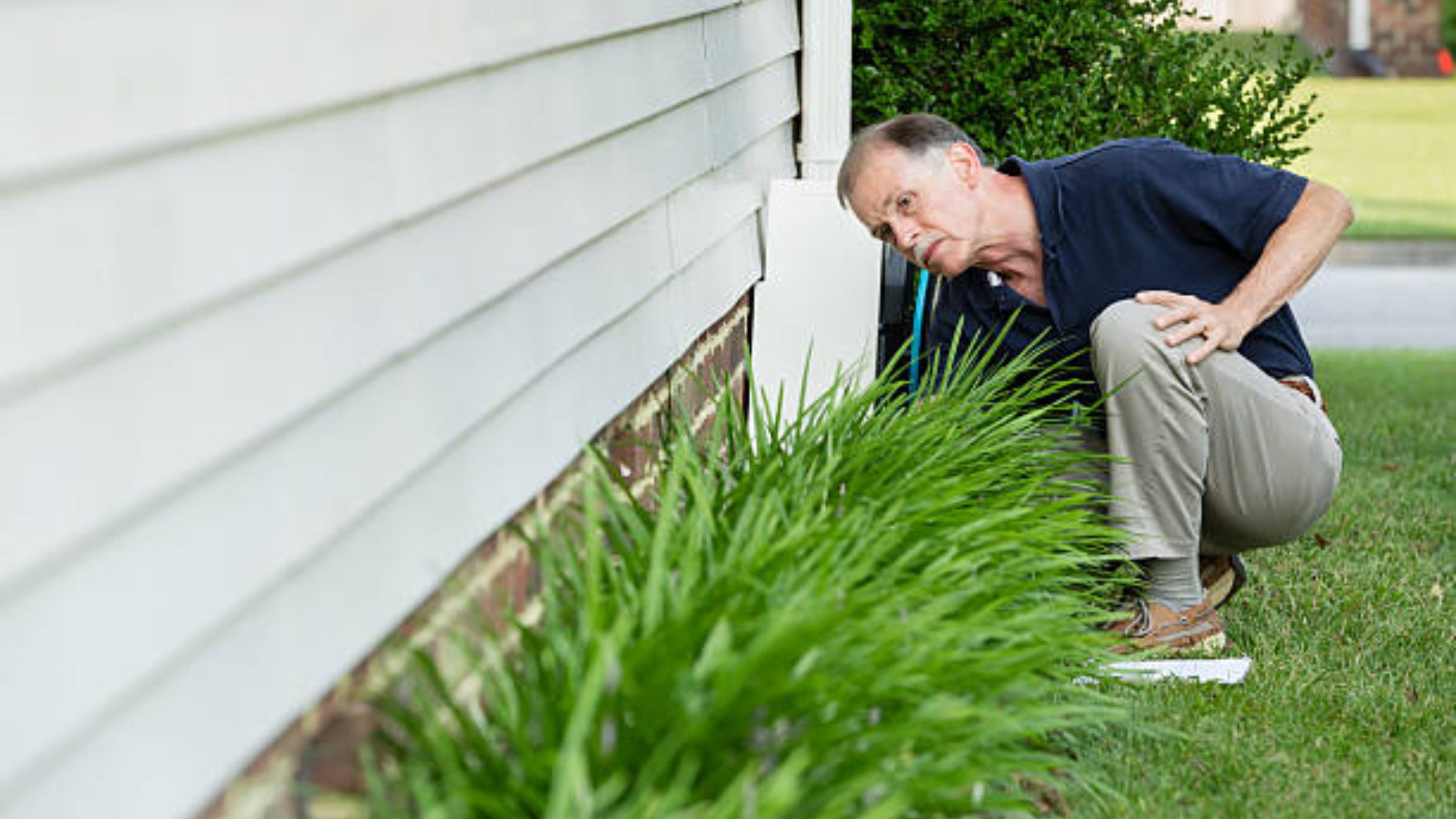
Inspectors check the ground around the property to make sure water flows away from the foundation. They also look at downspouts and drainage areas to find places where water may gather.
Soil Conditions
The soil around a building can affect how the foundation performs over time. Inspectors check for signs of soil washing away, dry soil, or too much water in the ground.
Changes in the soil can cause the ground beneath the foundation to move. Looking at these conditions helps inspectors understand what may be causing cracks in the building.
Areas That Receive Special Attention
Certain areas of a building are more likely to show signs of settlement. Structural inspectors pay close attention to these locations.
Around Windows
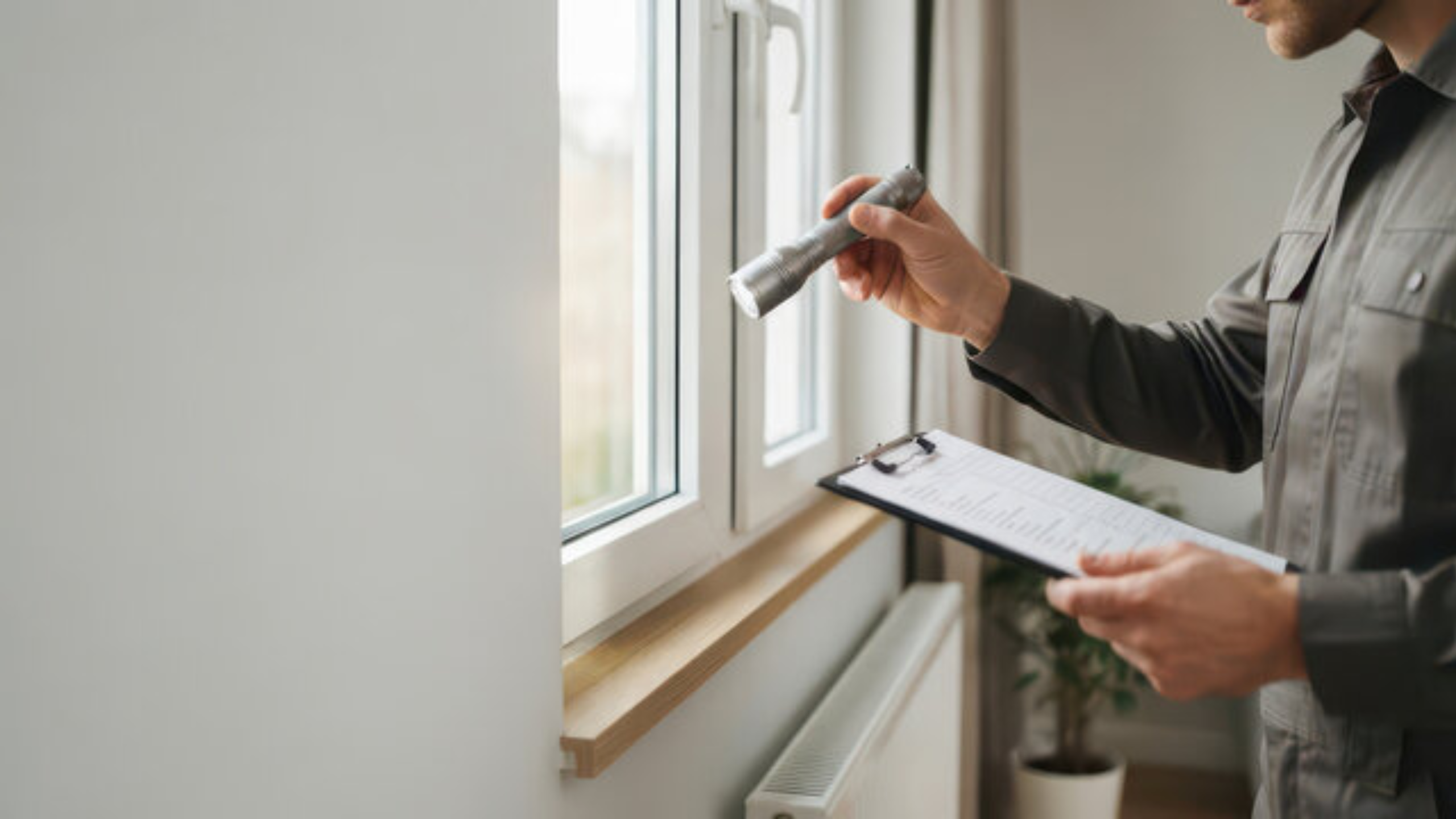
Windows can show early signs of building movement. Cracks may appear at the corners of window openings.
Inspectors also look for gaps around window frames and check if the bricks around the windows have moved out of place.
Around Doors
Door areas can often show signs of settlement. Cracks may appear above the door or along the sides of the opening.
Inspectors check the bricks around the door and look for gaps between the door frame and the wall.
Building Corners
Building corners are important because they often experience stress during settlement. Cracks near corners can indicate movement affecting multiple sections of the structure.
Inspectors carefully review these areas to identify patterns that may help explain the cause of cracking.
How Inspectors Decide if a Crack Is Serious
Not every crack requires major repairs. Structural inspectors use several factors to determine whether a crack may indicate a larger problem.
Crack Width
The size of a crack is an important consideration. Small cracks may be related to normal aging or minor settlement.
Larger cracks often receive closer attention because they may suggest more significant movement.
Crack Pattern
A single isolated crack may not be a major concern. However, multiple cracks appearing in different areas can indicate an ongoing issue.
Inspectors evaluate the overall pattern of cracking to better understand how the building is responding to movement.
Signs of Active Movement
One of the most important questions during an inspection is whether movement is continuing.
New cracks, widening cracks, and previously repaired cracks that reopen may indicate active settlement. These signs often require further investigation and monitoring.
Why Early Inspection Matters
Finding settlement-related issues early can help prevent larger problems in the future. Small cracks can sometimes develop into larger structural concerns if movement continues.
Early inspections provide valuable information about the condition of a building. Property owners can use this information to plan repairs, improve drainage, or address foundation concerns before additional damage occurs.
Regular inspections can also help protect property value. Buildings that are well maintained are often easier to manage and repair over time.
Common Repair Options
The appropriate repair depends on the cause and severity of the problem. Structural inspectors help identify the source of movement so repairs can be directed toward the underlying issue.
Minor Crack Repairs
Small cracks may only require maintenance work. Repointing damaged mortar joints can help restore the appearance and condition of brickwork.
In some cases, sealing small cracks may help prevent moisture from entering the wall system.
Settlement Repairs
When settlement is causing ongoing movement, repairs may focus on stabilizing the foundation.
Improving drainage around the property can help control moisture levels in the soil. Other solutions may involve foundation stabilization or soil improvement methods designed to reduce future movement.
Conclusion
Exterior brick cracks can tell a lot about the condition of a building. Some cracks happen naturally as a building gets older, while others may be a sign of settlement or movement. Knowing the difference can help property owners avoid bigger problems in the future.
Structural inspectors check the brick walls, foundation, drainage, and soil around the building to find the cause of the cracks. Their inspection helps determine whether the movement is minor or if repairs may be needed.
Select Inspection provides detailed structural inspections to help find settlement problems early. Finding issues sooner can help reduce repair costs and keep the building in good condition. If you have noticed cracks in your brick walls or signs of settlement, contact us to schedule an inspection.
Frequently Asked Questions
1. What causes cracks in exterior brick walls?
Exterior brick cracks are often caused by foundation movement, soil changes, moisture, temperature changes, or normal building settlement.
2. Are small brick cracks something to worry about?
Small hairline cracks are often normal, but larger or growing cracks should be inspected to rule out structural problems.
3. How can I tell if settlement is affecting my building?
Common signs include stair-step brick cracks, gaps around doors and windows, uneven floors, and doors that are difficult to open or close.
4. Can foundation problems cause exterior brick cracks?
Yes. When a foundation shifts or settles unevenly, stress can develop in the brickwork and lead to cracking.
5. Why is a structural inspection important for brick cracks?
A structural inspection helps identify the cause of the cracks and determines whether repairs or further monitoring may be needed.