
Quick answer: A home inspection in Scott, LA is a non-invasive, visual review of a property’s major systems—roof, foundation, HVAC, electrical, plumbing, and more—performed before you buy. In Acadiana’s humid, rain-heavy climate, an inspection helps buyers spot moisture, drainage, and termite-related concerns so they can make an informed decision.
Buying a home is likely the biggest purchase you’ll ever make. Before you sign, you want to know exactly what you’re getting—the good, the questionable, and the things that might cost you later. That’s what a home inspection is for.
If you’re buying in Scott, LA, the stakes are a little different than in other parts of the country. Acadiana’s subtropical humidity, heavy rainfall, and expansive clay soil create specific risks that a generic checklist can easily miss. Termites are common. Moisture hides in attics and crawlspaces. Older homes and fast-moving new construction each come with their own quirks.
This guide walks you through everything a first-time buyer needs to know: what an inspection is, when to schedule it, what inspectors actually examine, and how to read your report. It’s built for the way people buy homes here in Louisiana. Let’s get into it.
What is a home inspection?
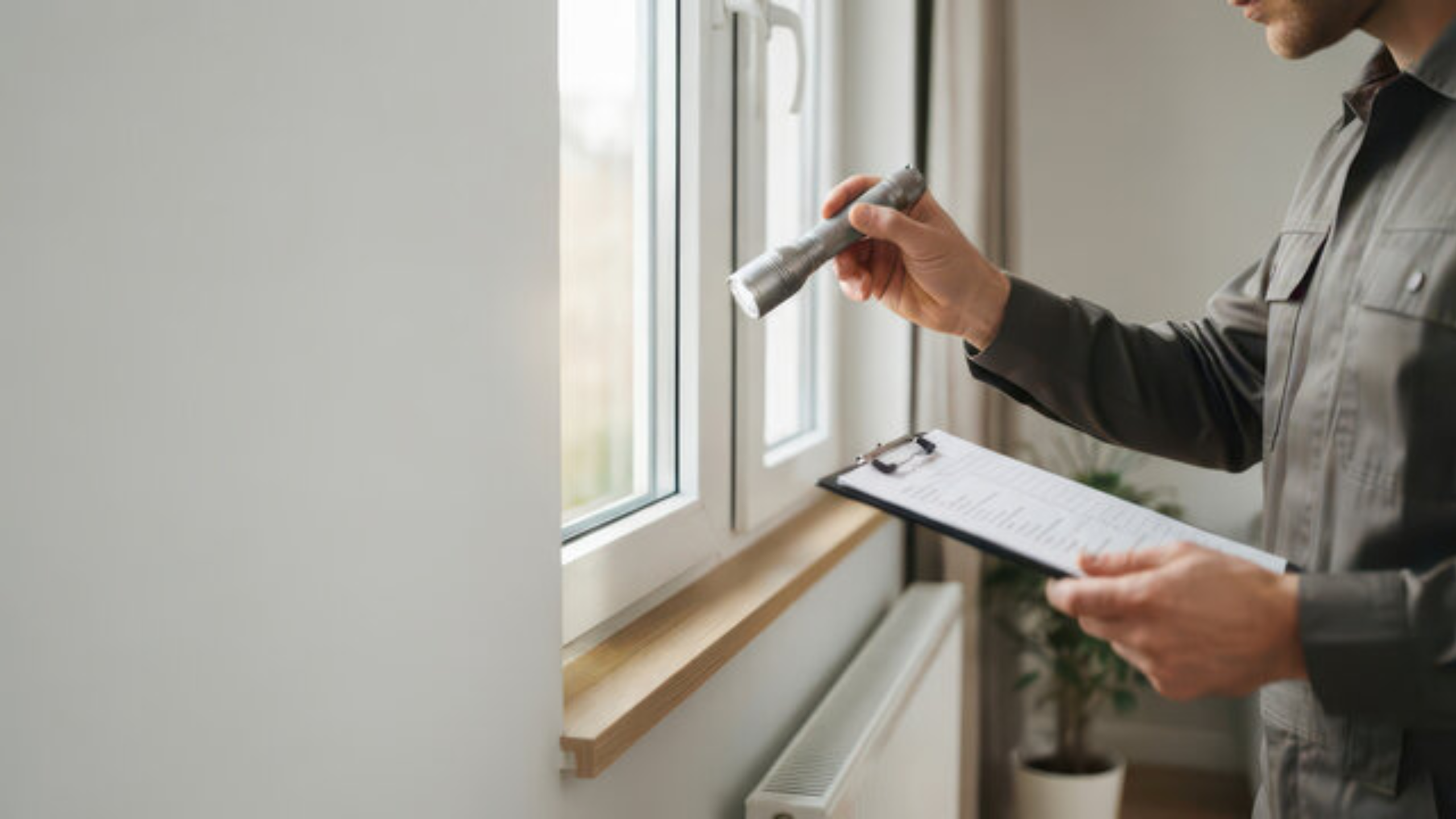
A home inspection is a non-invasive, visual examination of a property’s accessible systems and components. A licensed inspector walks the home, documents its condition on that day, and delivers a written report with photos and clear explanations.
An inspection is not a guarantee that a home is defect-free. It’s a snapshot of observed condition. A good inspector distinguishes between what they observed, what may be a defect, what’s a maintenance concern, what’s a safety issue, and what needs further evaluation by a specialist. That distinction matters, because not every finding is a deal-breaker—and knowing the difference helps you act calmly instead of emotionally.
Select Inspections (also known as Lafayette Inspections Property Consultants) performs inspections in accordance with the Louisiana State Board of Home Inspectors Standards of Practice. Our inspectors are licensed, insured, and InterNACHI CPI Certified.
Why do buyers in the Scott area need one?
An inspection gives you leverage and peace of mind. Here’s what it does for you as a buyer:
- Reveals hidden issues before you’re locked into a purchase, from moisture intrusion to aging electrical panels.
- Supports negotiation. A clear report separates major defects from minor maintenance, giving you documentation to request repairs or a price adjustment.
- Helps you plan. Even if you still want the home, knowing which systems are near end-of-life lets you budget for the future.
- Protects your investment. Small, unseen problems in Acadiana homes—like a slow roof leak or poor attic ventilation—can grow into expensive repairs.
For first-time buyers especially, an inspection turns a stressful unknown into a manageable checklist.
When should you schedule a home inspection?
Schedule your inspection as soon as your offer is accepted and you’re under contract. Most purchase agreements include a due diligence or inspection period—a short window, often just a few days, when you can inspect the property and respond to what you find.
Don’t wait. Booking early gives you time to review the report, ask questions, bring in specialists if needed, and negotiate before your window closes. Select Inspections offers fast scheduling and same-day reporting on buyer inspections, which helps when you’re working against a tight deadline.
What do inspectors examine?
A thorough inspection covers hundreds of components across the home’s major systems. Here’s a look at the key areas:
|
System |
What the inspector reviews |
|---|---|
|
Roof |
Shingles, flashing, vents, skylights, chimney; signs of wear or leaks |
|
Foundation & structure |
Slab, floor, wall, and roof structure; signs of movement or settlement |
|
Attic |
Insulation depth, ventilation balance, underside of roof deck for moisture |
|
HVAC |
Heating and cooling operation, condensate drains, duct insulation, cooling performance |
|
Electrical |
Service panel, breakers, grounding, GFCI protection in wet areas |
|
Plumbing |
Supply lines, drains, water heater, fixture operation, leaks |
|
Exterior & drainage |
Siding, grading, water management around the foundation |
|
Interior |
Windows, doors, walls, ceilings, floors, and visible moisture indicators |
|
Safety items |
Smoke detectors, trip hazards, and other life-safety concerns |
In Scott and the wider Acadiana area, inspectors pay extra attention to moisture and humidity. The region’s climate means condensate drains, attic ventilation, and drainage get a closer look than they might in a drier part of the country.
What are common findings?
Every home has something. Some of the most frequent findings in local homes include:
- Moisture-related concerns in bathrooms, crawlspaces, or poorly ventilated attics.
- Roof wear such as aging shingles, damaged flashing, or granule loss from heat and sun.
- Drainage problems, including poor grading that directs water toward the foundation.
- Electrical issues like missing GFCI protection or outdated wiring.
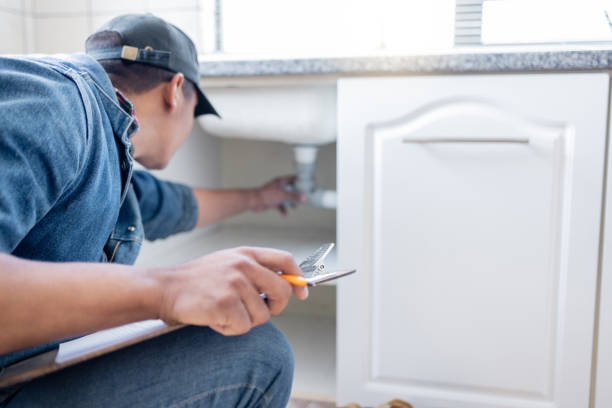
- Plumbing leaks under sinks or around water heaters.
- HVAC concerns, especially units that cool but don’t dehumidify well.
- Deferred maintenance—the small stuff a previous owner never got to.
A finding isn’t the same as a crisis. Most items are repairable. The report’s job is to help you understand severity so you can decide what to do.
How do inspection reports work?
After the inspection, you receive a digital report—typically with high-resolution photos, clear descriptions, and recommendations. Select Inspections provides same-day reporting on buyer inspections, and reports open with a summary section that highlights the most significant findings first, so you don’t have to scroll through every page to grasp the big picture.
A quality report labels each item so you understand what you’re looking at: an observed condition, a potential defect, a maintenance concern, a safety concern, or a recommendation for further evaluation. That clarity is what makes the report useful during negotiations and beyond.
What happens after the inspection?
Once you have the report, you have options:
- Request repairs. Ask the seller to fix specific items before closing.
- Ask for a credit or price reduction. Use documented findings to adjust the deal.
- Bring in a specialist. If the report recommends further evaluation—say, from a structural engineer—arrange it during your window.
- Move forward as-is. If you’re comfortable with the condition, proceed with clear eyes.
- Walk away. If the problems are too large, your inspection contingency may let you exit.
An inspection can’t guarantee a specific negotiation outcome. What it gives you is objective information to make a confident decision.
When are specialized inspections useful?
A standard home inspection is visual and general. Some situations call for additional, focused services:
- Mold testing when there are visible signs of growth or persistent moisture, using air and surface sampling.
- Termite / WDIR inspections, often required by lenders—important because termites are a “when, not if” concern in Acadiana.
- Sewer scope to check the main line for root intrusion or collapse.
- Pool & spa inspections for barriers, pumps, and filtration.
- New construction and 11th-month warranty inspections for newly built homes.
Select Inspections offers these ancillary services, so you can bundle them with your buyer’s inspection when it makes sense.
How can buyers prepare?
You don’t need to do much, but a few steps help the day go smoothly:
- Plan to attend, at least for the final walkthrough. Seeing a finding in person beats reading about it.
- Bring your questions. No question is too basic—a good inspector welcomes them.
- Coordinate timing with your agent so utilities are on and the home is accessible.
- Read the whole report, not just the summary, once you receive it.
Questions to ask your inspector
Use these to gauge whether an inspector is the right fit:
- Are you licensed and insured in Louisiana?
- What certifications do you hold?
- How soon will I receive my report?
- Will the report separate major defects from minor maintenance?
- Can I attend the inspection?
- Do you offer ancillary services like mold testing or WDIR?
The bottom line for Scott, LA buyers
A home inspection is the single best tool you have to buy with confidence in Acadiana. It won’t promise a perfect home—no honest inspection can—but it gives you a clear, professional picture of what you’re purchasing and where the risks lie in a climate defined by humidity, rain, and termites.
If you’re under contract in the Scott area, don’t leave your biggest investment to chance. Schedule your buyer’s home inspection with Select Inspections today and get a detailed, same-day report from a licensed, InterNACHI CPI Certified team that knows Acadiana homes inside and out. Call (337) 356-3481 or request a free quote to get started.
Frequently asked questions
How much does a home inspection cost in the Scott, LA area?
Pricing varies based on the home’s square footage, age, and foundation type, plus any add-on services like a termite (WDIR) report. The best way to get an accurate figure is to request a free, no-obligation quote from Select Inspections.
How long does a home inspection take?
Most residential inspections take about 2 to 4 hours, depending on the size, age, and condition of the property. Larger or older homes may take longer.
Does a home inspection guarantee there are no problems with the house?
No. An inspection is a visual assessment of the home’s condition on the day of the inspection. It’s designed to identify observed and potential issues, but it cannot detect every problem or guarantee a defect-free home.
Do I still need an inspection for a newly built home?
Yes. Even new construction can have incomplete work or installation issues. New construction inspections—and 11th-month warranty inspections before your builder warranty expires—help catch defects while they’re easier to address.
Can I use the inspection report to negotiate?
Often, yes. Many buyers use documented findings to request repairs, a credit, or a price adjustment. An inspection provides objective information, though it can’t guarantee any specific negotiation result.