Commercial HVAC systems help keep buildings comfortable all year. They provide heating, cooling, and airflow for offices, stores, warehouses, schools, and other commercial buildings. When these systems work properly, people inside the building can stay comfortable during daily activities.
Two common parts of commercial HVAC systems are multi-zone rooftop units and centralized chillers. These systems help control indoor temperatures and support daily building operations. A commercial HVAC inspection helps find small problems before they become bigger issues. Regular inspections can also help the system run better and reduce the chance of unexpected breakdowns. Understanding these systems and the importance of a inspection can help property owners keep their equipment in good condition and avoid costly repairs.
Understanding Multi-Zone Rooftop Units
What Are Multi-Zone Rooftop Units?
Multi-zone rooftop units are heating and cooling systems placed on the roof of a commercial building. They are designed to provide heating and cooling to different areas of the building.
Each area may need a different temperature. For example, a meeting room may need more cooling than a storage room. Multi-zone rooftop units allow building owners or managers to adjust temperatures in different parts of the building without using separate systems for each area.
These systems are often used in offices, schools, shopping centers, and other commercial buildings.
Main Parts of a Rooftop Unit
A rooftop unit has several parts that work together to heat and cool a building.
Air filters help keep dust and dirt out of the air. Fans and motors move air through the building. Cooling coils help cool the air during hot weather. Heating parts provide warm air when it is cold outside. Thermostats and controls help manage temperatures in different areas.
When these parts work properly, the building stays comfortable throughout the year.
Benefits of Multi-Zone Rooftop Units
Multi-zone rooftop units have many benefits for commercial buildings. They allow different areas of the building to have their own temperature settings. This helps keep people comfortable in different spaces.
These systems can also help lower energy use because heating and cooling are provided only where they are needed. Since the units are installed on the roof, they do not take up indoor space and are easier for service technicians to access when maintenance is needed.
Common Problems with Multi-Zone Rooftop Units
Dirty or Blocked Filters
Air filters collect dust and dirt from the air. Over time, they can get blocked. When this happens, less air can move through the system, and the HVAC unit has to work harder.
Poor airflow can lead to higher energy bills and lower indoor air quality. Checking and replacing filters regularly helps keep the system working properly.
Fan and Motor Issues
Fans and motors help move air through the HVAC system. Over time, they can wear out and may not work as well as they should.
Signs of fan or motor problems can include strange noises, weak airflow, or rooms that are too hot or too cold. Regular inspections can help find these problems early before they turn into bigger repairs.
Thermostat and Control Problems
Thermostats and control systems help keep different areas of a building at the right temperature. If they are not working properly, some rooms may feel too hot while others may feel too cold.
Problems with these controls can also make the HVAC system use more energy and reduce comfort inside the building. Regular inspections help make sure the controls are working correctly.
Refrigerant Issues
Rooftop units use refrigerant to cool the air. If the refrigerant level is low or there is a leak, the system may not cool properly.
When this happens, the unit may need to run longer to keep the building cool, which can increase energy use. Finding and fixing these problems early can help avoid bigger issues and costly repairs.
Rooftop Unit Inspection Process
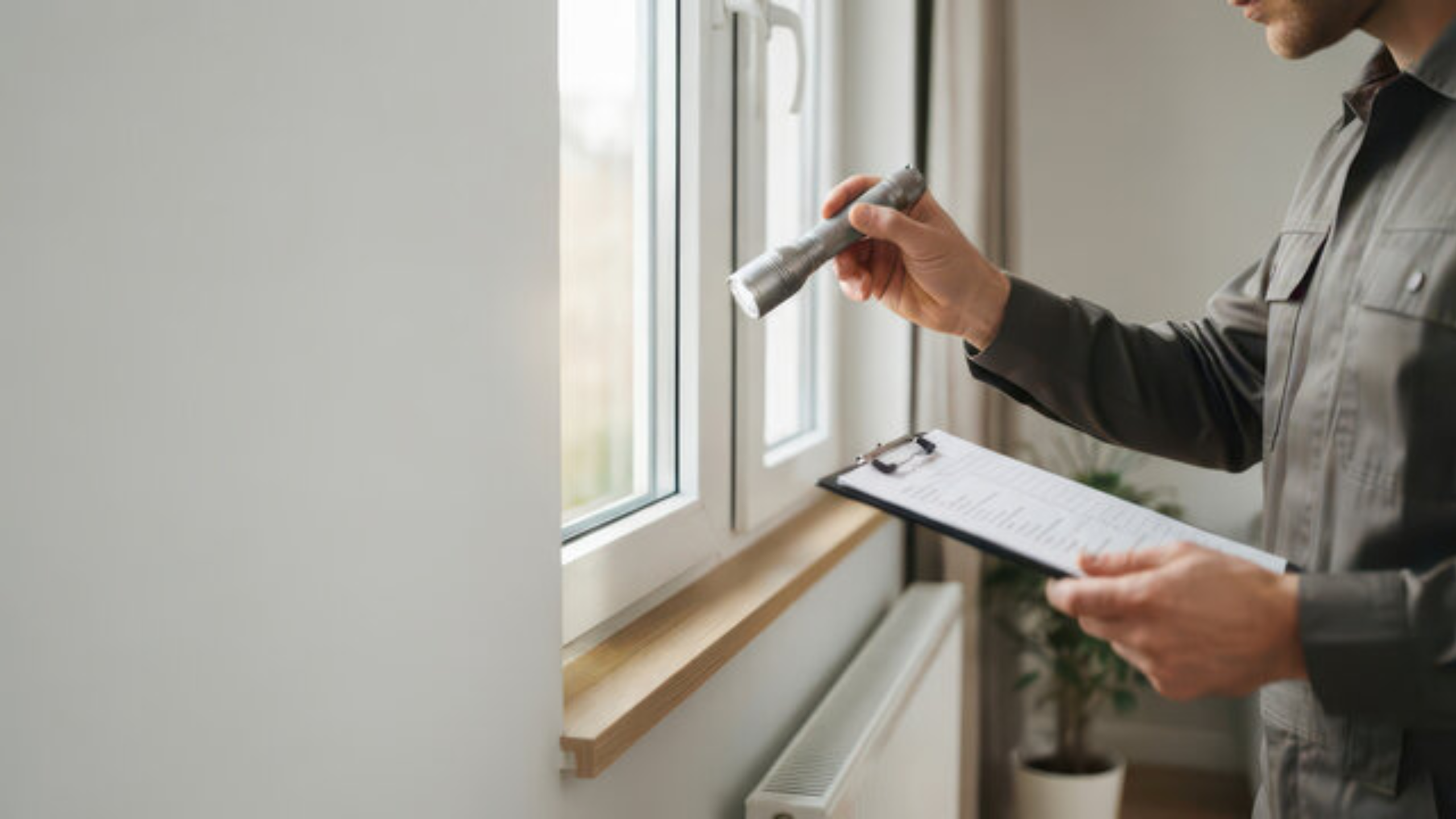
Visual Inspection
A visual inspection is usually the first step when checking a rooftop unit. Inspectors look for damage, rust, loose parts, or other visible issues.
The outside of the unit, access panels, and nearby areas are checked to make sure the system is in good shape and working properly.
Airflow Inspection
Good airflow helps an HVAC system work properly. During an inspection, the movement of air through the system is checked.
Inspectors may look at air filters, supply vents, and return vents to make sure air can flow easily throughout the building.
Mechanical Component Inspection
Parts such as fans, motors, belts, and bearings are checked for damage and normal wear.
Inspectors look for loose parts, unusual noises, and other issues that may affect how the system works. Finding these problems early can help prevent costly repairs and unexpected system failures.
Electrical Inspection
Electrical parts help the HVAC system work properly. During an inspection, the wiring, connections, and control panels are checked.
Inspectors look for damaged wires, loose connections, and other problems that may affect how the system works.
Performance Testing
Performance testing helps check if the system is working properly. Inspectors may look at temperature readings and other basic measurements to make sure the system is running as expected.
This process can help find problems that may affect how well the system works or how much energy it uses.
Understanding Centralized Chiller Systems
What Is a Centralized Chiller?
A centralized chiller is a cooling system used in many large commercial buildings. Instead of cooling individual spaces directly, a chiller cools water that is circulated throughout the building.
The chilled water absorbs heat from indoor spaces and helps maintain comfortable temperatures. Chillers are commonly found in office towers, hospitals, schools, and industrial facilities.
Main Parts of a Chiller System
Several components work together within a chiller system. The compressor helps move refrigerant through the system. The condenser releases heat, while the evaporator absorbs heat from the chilled water.
Pumps circulate water through the building, and cooling towers help remove excess heat from the system.
Each component plays an important role in maintaining cooling performance.
Benefits of Centralized Chillers
Centralized chillers are often used because they can efficiently cool large buildings. They provide reliable temperature control and can serve multiple areas from a single system.
With proper maintenance, chillers can operate for many years and support consistent building comfort.
Common Chiller Problems
Water Flow Issues
Water flow is essential for proper chiller operation. Problems such as blocked pipes, damaged valves, or pump issues can affect system performance.
Reduced water flow may limit cooling capacity and place additional strain on equipment.
Dirty Heat Exchange Surfaces
Heat exchange surfaces help transfer heat within the system. Dirt, scale, and other buildup can reduce efficiency.
When heat transfer becomes less effective, energy use may increase and cooling performance may decline.
Refrigerant Leaks
Like rooftop units, chillers depend on refrigerant for cooling. Leaks can reduce system performance and increase operating costs.
Routine inspections can help identify refrigerant issues before they become more serious.
Electrical and Control Issues
Electrical components and control systems help manage chiller operation. Problems in these areas may lead to unexpected shutdowns or inconsistent cooling.
Regular testing helps confirm that these systems are functioning correctly.
Chiller Inspection Process
Visual System Check
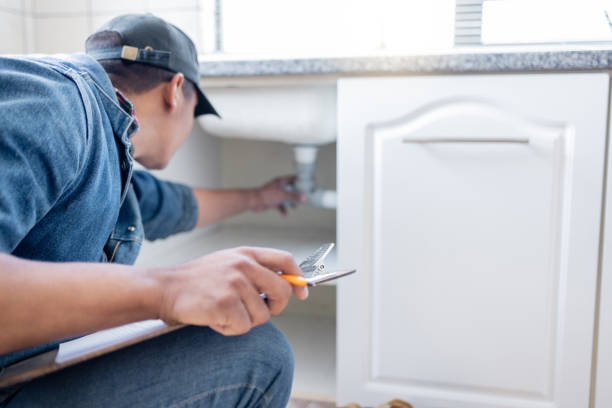
A chiller inspection often begins with a visual review of the equipment. Inspectors look for leaks, damaged components, and signs of wear.
Pipes, valves, and other visible parts are examined to assess overall condition.
Mechanical Inspection
Mechanical equipment such as compressors, pumps, and motors is inspected for proper operation.
Inspectors may listen for unusual sounds and look for signs of excessive wear that could indicate developing problems.
Electrical Inspection
Electrical connections, control panels, and safety devices are reviewed during the inspection process.
This helps identify potential issues that could affect system reliability or safety.
Water System Inspection
The water side of the chiller system is also evaluated. Water quality, circulation, and cooling tower condition may be reviewed.
Proper water management helps support efficient operation and reduce equipment wear.
Performance Testing
Performance testing helps determine whether the chiller is operating as expected. Measurements may be taken to evaluate temperatures, pressures, and overall performance.
These tests can help identify efficiency concerns and support maintenance planning.
Importance of Regular HVAC Inspections
Regular HVAC inspections provide several important benefits for commercial properties. Early detection of problems can help reduce repair costs and limit unexpected equipment failures.
Inspections can also support energy efficiency by identifying components that may not be operating properly. Improved efficiency often leads to lower operating costs and better system performance.
Routine inspections contribute to better indoor comfort by helping maintain consistent temperatures and airflow. They can also help extend equipment life by reducing unnecessary wear on system components.
Signs an HVAC System Needs Inspection
Several warning signs may indicate that a commercial HVAC system requires attention. Uneven temperatures throughout the building may suggest airflow or control issues.
Rising energy bills can indicate reduced efficiency. Unusual sounds, weak airflow, frequent repairs, and poor cooling or heating performance may also signal the need for an inspection.
Addressing these signs early can help prevent larger and more costly problems.
Best Practices for HVAC Maintenance
Regular maintenance is one of the most effective ways to support HVAC performance. Filters should be replaced as needed to maintain proper airflow. Equipment should be kept clean and free from debris.
Routine inspections help identify developing concerns before they become serious. Monitoring system performance and addressing small issues promptly can help improve reliability and extend equipment life.
Conclusion
Multi-zone rooftop units and centralized chillers are important parts of many commercial HVAC systems. They help keep buildings cool, warm, and comfortable for employees, customers, and visitors.
Regular inspections help find small problems before they become bigger and more expensive. They can also help the system run better and reduce the chance of unexpected breakdowns. Checking the mechanical and electrical parts of the system gives property owners a clear understanding of its condition.
Select Inspection provides detailed commercial HVAC inspections to help property owners maintain their equipment and building comfort. If you would like to learn more about our inspection services or schedule an inspection, contact us today. Our team is ready to help you keep your HVAC system working properly and efficiently.
Frequently Asked Questions
1. What is a multi-zone rooftop unit?
A multi-zone rooftop unit is an HVAC system that provides heating and cooling to different areas of a commercial building from one rooftop location.
2. Why are rooftop unit inspections important?
Inspections help identify problems early, improve efficiency, and reduce the risk of costly repairs.
3. How often should commercial HVAC systems be inspected?
Most commercial HVAC systems should be inspected at least once or twice a year, depending on usage and building requirements.
4. What are common signs of rooftop unit problems?
Common signs include uneven temperatures, weak airflow, unusual noises, and higher energy bills.
5. What does a chiller system do?
A chiller cools water that is circulated throughout a building to help maintain comfortable indoor temperatures.