A professional home inspection is a visual evaluation of a property’s accessible components and major systems at a specific point in time. It identifies observable deficiencies that may warrant attention or further evaluation, but it does not guarantee a home is defect-free. For Lafayette buyers, areas like roofing, drainage, foundation, HVAC, and accessible attic spaces deserve close attention given South Louisiana’s climate and construction mix.
You found a home you love. The showing went well, the neighborhood feels right, and you’re under contract. Then someone asks: “Have you scheduled the inspection?”
That question matters more than most buyers realize. A home can look completely fine during a walkthrough. Fresh paint, clean floors, updated kitchen. What you can’t see from a showing is what’s happening behind the walls, above the ceiling, under the house, or inside the major systems that keep everything running.
A professional home inspection gives you a second layer of information, a trained eye going through accessible components and systems before you commit to one of the largest purchases of your life. It won’t tell you everything. No inspection can. But it replaces a lot of uncertainty with documented, observable facts you can actually use.
This guide explains what a residential home inspection covers, what it doesn’t, and how Lafayette buyers can get the most out of the process.
What Should a Home Inspection Actually Tell You?
A standard home inspection is a visual evaluation of a property’s readily accessible components and major systems, conducted at a specific point in time. The inspector documents observable conditions, deficiencies, areas of concern, items that may need attention, and situations where a specialist’s evaluation may be appropriate.
What an inspection does not do is guarantee that a home is free of defects. Concealed conditions can’t be evaluated. Systems that appeared to function normally during the inspection could behave differently under different conditions. The report reflects what was visible and accessible on the day of the inspection, nothing more, nothing less.
That clarity matters. Buyers who understand this going in tend to use their inspection report much more effectively than those who treat it as a pass/fail test.
The 6 Areas Lafayette Home Buyers Should Pay Close Attention To
1. Roof and Exterior
The roof is one of the first things a home inspector evaluates, and for good reason. South Louisiana’s combination of intense sun, heavy rainfall, and periodic severe weather puts exterior materials under consistent stress.
An inspector will look at accessible roofing surfaces, flashing around penetrations and transitions, gutters, downspouts, and how the overall drainage system is designed to move water away from the structure. Exterior walls, windows, doors, trim, and any visible signs of water intrusion or deterioration also fall within the scope of a standard inspection.
In Acadiana, water management at the exterior is worth paying particular attention to. When drainage isn’t functioning properly, whether due to clogged gutters, inadequate grading, or compromised flashing, the effects tend to show up elsewhere in the structure over time.
2. Foundation and Structural Components
Lafayette sits in an area with expansive clay soils and high water tables, which means foundation movement is a reality for many older and even some newer properties. An inspector will document what is observable and accessible, framing, floors, walls, ceilings, and visible foundation components, noting any cracking, deflection, deterioration, or conditions that suggest movement.
It’s important to understand the scope here. A home inspector evaluates observable conditions, not subsurface conditions. If significant concerns are identified, the inspector may recommend a structural engineer or foundation specialist for further evaluation. That recommendation isn’t cause for panic, it’s the appropriate next step when a condition warrants more than a visual assessment.
3. Plumbing and Water Systems
Plumbing deficiencies are among the more common findings in any residential inspection, and understanding the condition of these systems before closing is genuinely valuable.
Inspectors evaluate accessible supply and drain lines, fixtures, water heaters, visible signs of leaking or corrosion, and water pressure where conditions allow. In older Acadiana homes, especially those that have been renovated over time, you may encounter a mix of plumbing materials or configurations that warrant attention. Water heater age and condition is also worth understanding, since replacement is a predictable expense that buyers can factor into their negotiations or planning.
4. Electrical System
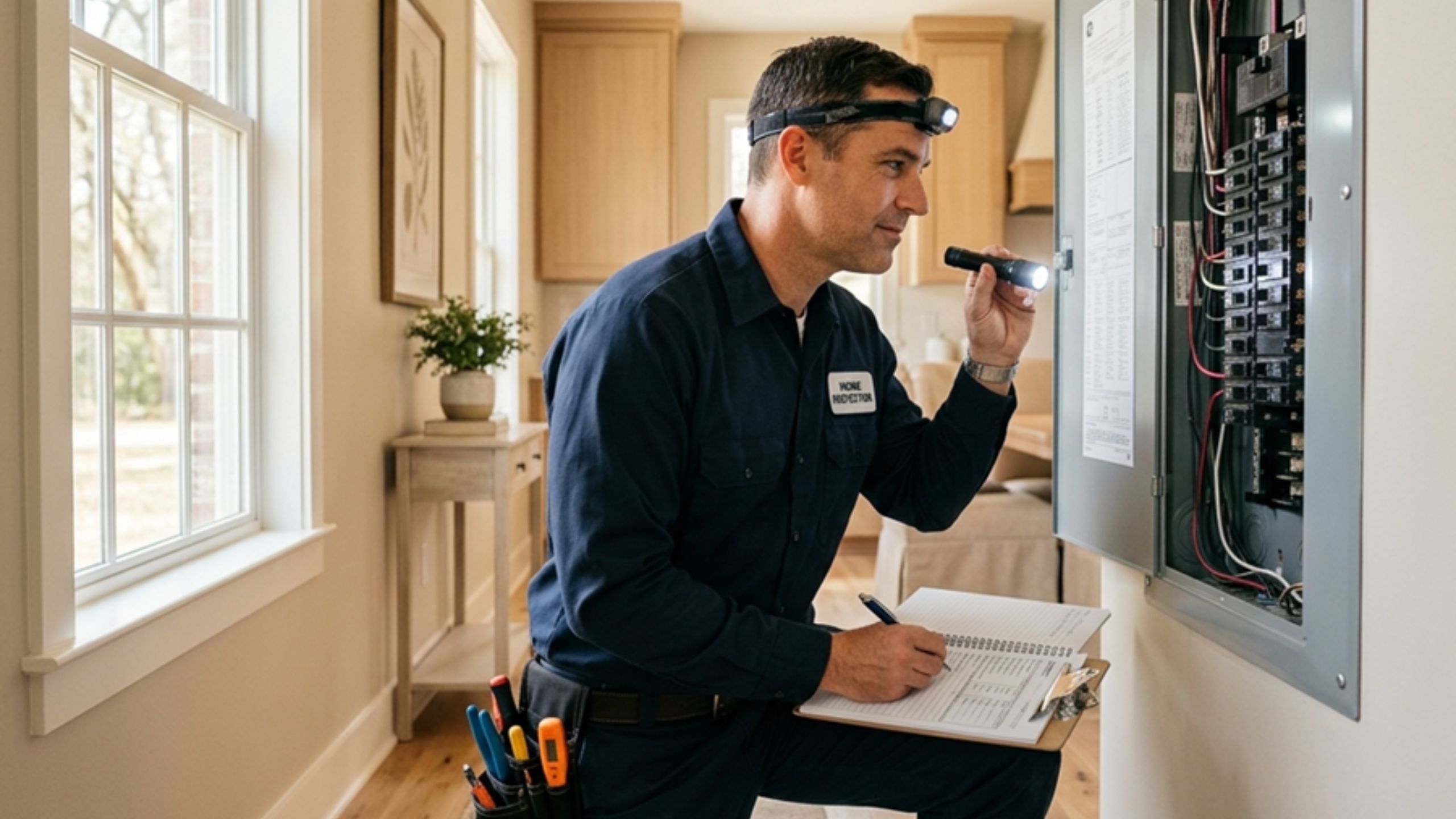
Electrical findings are taken seriously in any home inspection, and for good reason, they carry direct safety implications. An inspector evaluates the service panel, accessible wiring, outlets, switches, visible grounding components, and GFCI protection in areas where it’s typically required, such as kitchens, bathrooms, and exterior locations.
Some older Lafayette homes still have electrical configurations that were standard decades ago but fall outside current safety expectations. An inspector will document observable conditions and may recommend evaluation or correction by a licensed electrician when appropriate. Electrical repairs should always be performed by a qualified professional.
5. Heating and Cooling
HVAC systems deserve extra attention in Acadiana. Cooling season here is long, humidity is persistent, and an air conditioning system that’s undersized, poorly maintained, or nearing the end of its service life will make itself known quickly, and expensively.
An inspector evaluates accessible heating and cooling equipment, thermostat operation, visible ductwork, condensate drainage components, and overall observable operating conditions. A system that’s running doesn’t necessarily mean it’s running well. Age, condition, and maintenance history all factor into how much useful life remains. If the inspector identifies concerns, a licensed HVAC technician can provide a more detailed assessment.
6. Attic, Insulation, and Moisture Conditions
When attic spaces are accessible, inspectors typically evaluate insulation levels, ventilation, visible roof decking, and any signs of staining, deterioration, or conditions associated with past or active moisture intrusion.
Attic conditions can tell a useful story about how a home has been maintained and how well its envelope is performing. That said, not every Lafayette home has attic problems, conditions vary widely by age, construction type, and maintenance history. The inspector documents what’s observable and accessible, and recommends specialist evaluation when something warrants a closer look.
What a Home Inspection Does NOT Tell You
Being clear about inspection limitations isn’t pessimism, it’s accuracy. Here’s what a standard residential inspection does not include:
- A warranty or guarantee. An inspection documents observable conditions at a point in time. It does not guarantee future performance or imply that no defects exist.
- A guarantee that every defect will be found. Concealed, inaccessible, or intermittent conditions may not be identifiable during a standard visual inspection.
- Specialized testing. Mold testing, termite/wood-destroying insect reports (WDIR), sewer scope inspections, and similar services are typically separate from a standard home inspection. In Louisiana, a WDIR is commonly required by lenders, but it’s a distinct service.
- A replacement for specialist evaluation. When an inspector recommends that a structural engineer, electrician, or HVAC technician take a closer look at something, that recommendation should be taken seriously.
Understanding these limitations helps buyers use the inspection for what it is, a well-documented snapshot of observable conditions, rather than expecting it to be something it isn’t.
How Lafayette Home Buyers Should Read Their Inspection Report
Inspection reports can be detailed, and first-time buyers sometimes feel overwhelmed when they see a long list of findings. The key is prioritization.
Focus first on anything the inspector has flagged as a safety concern, active water intrusion, structural issue, or major system deficiency. These are the findings that most directly affect your decision-making. Next, pay attention to any recommendations for specialist evaluation, those are the inspector’s way of saying “this is beyond what I can assess visually, and you should get an expert opinion.”
Not everything in a report carries the same weight. A missing handrail on a deck step is worth correcting, but it’s different from evidence of long-term water intrusion at the foundation. Learning to distinguish between items that need immediate attention and items that represent normal aging or routine maintenance will help you have a more productive conversation with your real estate professional about next steps.
Should You Attend the Home Inspection?
If you can be there, it’s usually worth it.
Being present gives you the opportunity to see conditions firsthand, ask questions as they come up, and leave with a clearer understanding of the property than any report alone can provide. A good inspector will explain what they’re observing in plain language and help you understand what the findings mean practically.
The inspection report is a useful document. But walking through the house with a knowledgeable inspector, asking questions, understanding the systems, getting a feel for the property’s overall condition, gives you context that a written report can only partially convey.
Questions to Ask Your Home Inspector Before the Inspection
A few practical questions worth raising before or at the start of the inspection:
- What does your inspection cover? Confirm the scope so you know what’s included.
- What areas may be inaccessible? Crawl spaces, attic hatches, and certain mechanical areas may have limited access depending on the property.
- How will significant findings be documented? Ask about photos, descriptions, and how the report is organized.
- When do you recommend specialist evaluation? A good inspector will be direct about when something exceeds the scope of a standard inspection.
- When can I expect the report? For most buyers on a tight timeline, turnaround time matters.
- Are there any additional inspections you’d recommend for this property? Depending on the age, type, or condition of the home, services like mold testing or a termite/WDIR inspection may be worth considering.
Why Local Experience Matters When Inspecting Lafayette Homes
Acadiana has its own environmental and construction context. Humidity levels, heavy rainfall, drainage patterns, termite pressure, and the demands placed on HVAC systems here are genuinely different from what inspectors in drier or cooler climates encounter regularly.
Lafayette’s housing stock also spans a wide range, older homes that have been updated multiple times, mid-century construction, and newer developments, each with their own common characteristics and areas worth scrutinizing carefully. An inspector familiar with this region understands what to look for and how to interpret what they find within that local context.
That said, local experience is not a guarantee that every concealed condition will be identified. What it does mean is that the inspector brings relevant, practical knowledge to the evaluation rather than applying a one-size-fits-all approach.
What to Do After Your Home Inspection
Once you have the report in hand, here’s a practical sequence to follow:
- Read the full report. Don’t skip straight to the summary. The details matter.
- Identify the most significant findings. Prioritize safety concerns, active moisture issues, structural observations, and major system deficiencies.
- Ask the inspector any follow-up questions. Most inspectors are willing to clarify findings or help you understand the implications.
- Obtain specialist evaluations when recommended. If the inspector flagged something for further review, get that review before closing if possible.
- Discuss repair requests and negotiations with your real estate professional. They can help you determine what’s reasonable to address given the findings.
- Keep the report for future reference. The inspection report is a useful record of the property’s condition at the time of purchase, even after you close.
An Inspection Isn’t About Finding a Perfect Home
No home is without some history of repairs, aging, or wear. The goal of a home inspection isn’t to find a property with a clean bill of health, it’s to replace uncertainty with information.
Knowing what you’re buying, understanding where the risks are, and having documentation to inform your negotiations puts you in a much stronger position than going in blind. That’s true for first-time buyers, experienced buyers, and everyone in between.
If you’re under contract on a home in Lafayette or the surrounding Acadiana area and want a thorough, clearly explained inspection from a licensed and insured team, Select Inspections (LHI License #10973, InterNACHI CPI Certified) offers residential inspection services with an education-first approach and detailed digital reporting.
Schedule a Lafayette home inspection or request a home inspection quote to get started.
Frequently Asked Questions
1. How long does a home inspection take in Lafayette, LA?
Most residential inspections in Lafayette take between two and four hours, depending on the size, age, and condition of the property. Larger homes or those with more systems to evaluate will generally take longer. Plan to be available for at least part of that time if you intend to attend.
2. What are the biggest red flags in a home inspection?
The findings that tend to carry the most weight are those involving active water intrusion, significant foundation or structural concerns, major electrical deficiencies, evidence of mold, and HVAC systems that are failing or nearing the end of their service life. These aren’t automatic deal-breakers, but they warrant careful evaluation before closing.
3. Should I attend my home inspection?
Yes, when possible. Being present allows you to ask questions in real time, see conditions firsthand, and leave with a more complete understanding of the property than the report alone provides. The inspection report is valuable—but so is the conversation that happens during the inspection itself.
4. Can a home inspection find mold?
A standard home inspection may identify visible staining or conditions that are associated with mold growth, but it is not a mold test. If the inspector observes suspicious conditions, mold testing—which involves air or surface sampling analyzed by a laboratory may be recommended as a separate service. Mold testing provides data about what’s present and at what levels; a standard inspection does not.
5. Does a home inspection check for termites?
No. Termite and wood-destroying insect inspections (WDIR) are a separate service, typically performed by a licensed pest control operator. In Louisiana, lenders commonly require a WDIR before closing. If you need one, it should be scheduled alongside not instead of your home inspection.
6. Should I get a home inspection on a newly built house?
Yes. New construction can have installation errors, incomplete work, and code-related issues that aren’t always caught during builder walkthroughs. A new construction inspection provides an independent evaluation before you accept the property. Pre-drywall inspections, conducted before walls are closed, offer the opportunity to catch structural or mechanical issues before they’re covered up.
7. What happens if the inspector finds problems?
Finding issues during an inspection is normal. The inspection report gives you and your real estate professional documented information to work with. Depending on the nature and severity of the findings, options typically include requesting repairs, negotiating seller credits, asking for a price adjustment, or if a major issue is discovered reconsidering the purchase altogether. The inspection report is a tool; what you do with it is your decision.