
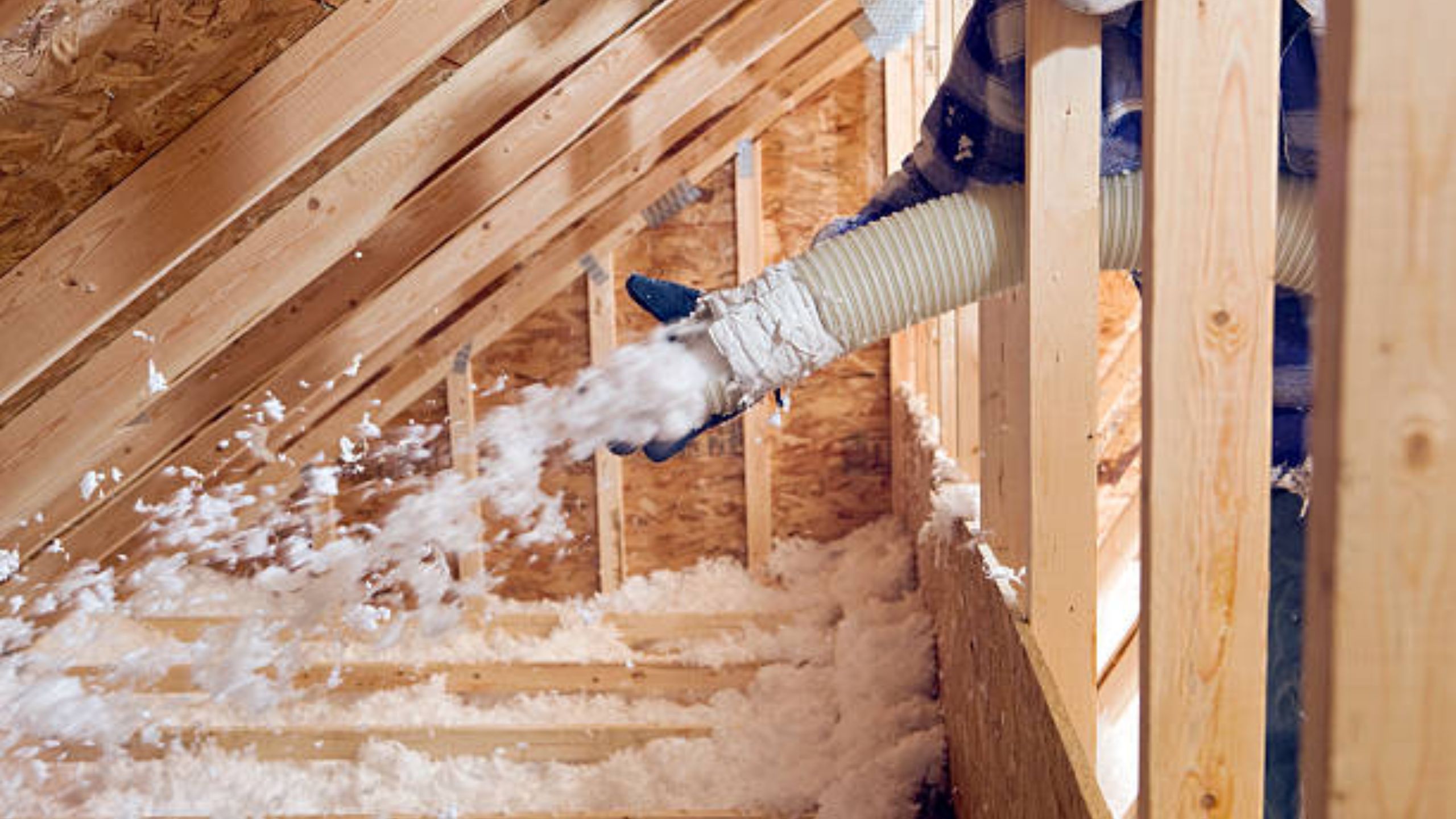
Your attic plays an important role in your home’s energy performance and moisture control. When insulation is missing, damaged, compressed, or poorly installed, your home can lose conditioned air and become more vulnerable to temperature fluctuations. These problems can increase utility costs while creating conditions that contribute to moisture buildup.
An attic insulation inspection helps homeowners identify visible deficiencies that may affect energy efficiency and the condition of the attic space. Insulation gaps, thermal bridging, poor attic ventilation, and signs of attic condensation can all indicate that the attic is not performing as it should.
Understanding these problems can help homeowners address energy loss and moisture concerns before they lead to more expensive repairs.
Why Attic Insulation Matters
Attic insulation helps slow the transfer of heat between the conditioned living space and the attic. During hot weather, effective insulation helps reduce the amount of heat entering the home from above. During cooler weather, it helps retain indoor heat.
When insulation is insufficient or improperly installed, the HVAC system may need to work harder to maintain comfortable indoor temperatures. This can contribute to higher energy consumption and reduced HVAC efficiency.
Insulation also works together with air sealing and attic ventilation. A problem with one part of the system can affect the performance of the others. For this reason, an attic inspection should look beyond insulation depth and consider the overall condition of the attic environment.
Common Insulation Gaps That Cause Energy Loss
Insulation gaps are among the most common deficiencies found in attic spaces. Gaps can occur around attic access openings, recessed lighting, ductwork, electrical fixtures, plumbing penetrations, and other areas where insulation is difficult to install evenly.
Even relatively small gaps can create pathways for heat transfer. When these areas are left uninsulated, conditioned air can escape more easily from the living space while outdoor temperatures have a greater effect on indoor comfort.
Uneven insulation coverage can also reduce the effectiveness of otherwise adequate insulation. An attic insulation inspection can help identify areas where insulation is missing, displaced, compressed, or installed at inconsistent depths.
How Thermal Bridging Contributes to Heat Loss
Thermal bridging occurs when heat moves more easily through building materials that provide less resistance than surrounding insulation. Wood framing members, metal components, and other structural elements can create these pathways.
In an attic, thermal bridging can contribute to uneven temperatures across the ceiling. Areas around framing members may become warmer or cooler than adjacent insulated sections, depending on the season.
Thermal bridging is particularly important when homeowners notice inconsistent indoor temperatures or unexplained energy costs despite having insulation in the attic. An inspection can help identify visible areas where insulation coverage may be limited by framing or other construction details.
Attic Heat Loss and Rising Utility Costs
Poor attic insulation can have a direct effect on home energy performance. When heat moves through the attic more easily, the HVAC system may run longer to maintain the desired indoor temperature.
During summer, excessive heat entering through the attic can increase the cooling load. During winter, heat can escape through inadequately insulated areas, increasing the demand for heating.
This attic heat loss does not always create an obvious problem. Homeowners may simply notice that energy bills are higher than expected or that certain rooms are harder to keep comfortable.
An attic insulation inspection can help identify visible conditions that may contribute to this energy loss and provide useful information about areas that may need further evaluation or improvement.
Poor Attic Ventilation Can Increase Moisture Problems
Insulation is only one part of a properly functioning attic system. Adequate ventilation is also important for managing heat and moisture.
Poor attic ventilation can allow warm, humid air to remain trapped in the attic. When warm moisture-laden air encounters cooler surfaces, condensation can form. Over time, repeated moisture exposure can affect wood components, insulation, roofing materials, and other parts of the attic.
Ventilation problems can result from blocked vents, insufficient ventilation openings, damaged components, or modifications that interfere with the intended airflow.
An attic inspection can help homeowners identify visible ventilation deficiencies and signs that moisture may not be leaving the attic effectively.
Understanding Attic Condensation
Attic condensation occurs when moisture in the air comes into contact with a surface that is cold enough for water vapor to condense. This can happen during temperature changes, particularly when warm indoor air reaches colder attic surfaces.
Signs of attic condensation may include moisture on roofing components, damp insulation, water staining, rust on metal components, or fungal growth. These conditions should not be ignored because repeated moisture exposure can contribute to deterioration.
Poor insulation can make condensation risks worse by creating cold spots across the attic floor or ceiling assembly. Air leakage from the living space can also introduce warm, moist air into the attic.
Identifying the source of moisture is important because simply replacing wet insulation may not resolve the underlying problem.
How Insulation Problems Affect HVAC Efficiency
Your HVAC system must respond to the amount of heating or cooling your home requires. When attic insulation is inadequate, the system may have to operate for longer periods to maintain the thermostat setting.
This HVAC efficiency loss can contribute to increased energy consumption and greater wear on heating and cooling equipment. Homeowners may also experience uneven temperatures, frequent cycling, or rooms that remain uncomfortable despite normal HVAC operation.
Improving insulation and addressing air leakage can help reduce unnecessary heat transfer. However, homeowners should first understand the existing conditions before deciding what improvements are appropriate.
What an Attic Insulation Inspection Can Reveal
An attic insulation inspection focuses on visible conditions that may affect the performance and condition of the attic. Depending on accessibility and the scope of the inspection, areas of concern may include missing insulation, inconsistent insulation coverage, compressed insulation, visible air leakage, moisture staining, and ventilation deficiencies.
The inspection may also identify conditions around attic access points, ductwork, electrical penetrations, and other areas where insulation performance can be compromised.
An inspection does not replace specialized energy testing or invasive evaluation when those services are necessary. Instead, it provides homeowners with valuable information about visible deficiencies and conditions that may warrant further investigation.
Signs Your Attic May Need an Inspection
Several conditions can indicate that your attic insulation or ventilation deserves closer attention. Higher-than-expected energy bills, rooms that are consistently warmer or colder than others, visible moisture, unusual attic odors, damp insulation, or water staining can all justify an evaluation.
Homeowners should also consider an inspection when insulation appears uneven or when previous renovations may have disturbed existing insulation.
If the attic has limited ventilation or visible moisture problems, identifying the issue early can help prevent more extensive damage to roofing and structural components.
Addressing Attic Insulation Deficiencies
Correcting insulation deficiencies should begin with understanding why the problem exists. Simply adding more insulation may not address air leakage, ventilation deficiencies, moisture intrusion, or other underlying conditions.
Insulation may need to be redistributed, repaired, or replaced depending on its condition. Air sealing may also be appropriate in certain areas to reduce unwanted movement of conditioned air into the attic.
Ventilation concerns should be evaluated separately to ensure that improvements do not create new moisture or airflow problems. When significant moisture, structural deterioration, or other defects are found, additional evaluation by an appropriately qualified professional may be necessary.
For homeowners considering broader property concerns, an attic energy inspection can be an important part of understanding how attic conditions may affect the home’s performance.
Conclusion
Attic insulation deficiencies can affect more than household comfort. Insulation gaps, thermal bridging, attic heat loss, and poor ventilation can increase energy costs and contribute to moisture buildup. Over time, attic condensation may damage insulation, wood components, and roofing materials.
An attic insulation inspection can help identify visible issues that may contribute to energy loss and moisture problems. Addressing these concerns early can support better energy performance and help protect your home from moisture-related damage.
Get in touch with Select Inspection to schedule a professional home inspection and learn more about your attic’s condition.