
Buying a newly built home is an exciting milestone. Everything feels fresh, modern, and move-in ready. However, many homeowners are surprised to learn that even brand-new homes can develop issues during the first year. Small cracks may appear, doors can become misaligned, plumbing leaks may develop, and HVAC systems might not perform as expected. This is exactly why an 11th-month warranty inspection is one of the most valuable steps you can take before your builder’s warranty expires.
At Select Inspection, we regularly help homeowners identify defects and construction-related issues that may still be covered under their builder warranty. Scheduling an inspection before the end of your first year allows you to document concerns and request repairs while coverage is still active. In many cases, homeowners save thousands of dollars by addressing problems before they become their responsibility.
This guide explains everything you need to know about an 11th-month warranty inspection, including what it covers, why it matters, and the most common issues inspectors find in new construction homes.
What Is an 11th-Month Warranty Inspection?
Understanding the One-Year Builder Warranty
An 11th-month warranty inspection is a comprehensive evaluation of a newly built home conducted shortly before the builder’s one-year warranty expires. The goal is to identify defects, workmanship concerns, and system issues that should be repaired by the builder before the warranty period ends.
Many builders provide a one-year builder warranty that covers materials, workmanship, and certain structural components. While coverage varies, most warranties protect homeowners against defects that arise during the first year of occupancy.
Scheduling a new home warranty inspection around the eleventh month gives homeowners enough time to receive the inspection report, submit claims, and coordinate repairs before the warranty deadline passes.
Why the 11th Month Is the Ideal Time
The first year of homeownership allows the house to experience all four seasons. During this period, materials expand and contract, the foundation settles, and systems operate under real-world conditions.
As a result, issues that were not visible during the initial walkthrough often begin to emerge. Cracks may appear in drywall, drainage problems may become evident after heavy rain, and HVAC performance issues can surface during extreme temperatures.
An 11th-month warranty inspection provides a final opportunity to uncover these concerns before repair costs become the homeowner’s responsibility.
Furthermore, many builders require warranty requests to be submitted before coverage expires. Waiting until the last minute can create unnecessary complications. Scheduling the inspection in the eleventh month provides enough time to address problems properly.
Benefits of Scheduling a New Home Warranty Inspection
Protect Your Investment
A professional new home warranty inspection offers several important advantages.
First, it helps protect your financial investment. Even minor defects can lead to costly repairs if ignored. Detecting problems early prevents them from becoming larger and more expensive.
Ensure Builder Accountability
Second, it ensures builder accountability. Builders are typically responsible for correcting covered issues during the warranty period. A detailed inspection report provides documented evidence of any concerns that need attention.
Gain Peace of Mind
In addition, a home warranty inspection gives homeowners peace of mind. Knowing that your home has been professionally evaluated allows you to move forward with confidence.
Finally, a thorough inspection creates a clear roadmap for repairs. Instead of relying on guesswork, homeowners receive a detailed report outlining areas that require attention.
The Ultimate 11th-Month Warranty Inspection Checklist
A professional warranty inspection checklist covers every major component of the home. While every property is different, inspectors generally evaluate the following areas.
Exterior Components
The exterior serves as the home’s first line of defense against weather and environmental conditions. Inspectors carefully assess siding, trim, roofing materials, gutters, and drainage systems.
Cracks in exterior finishes, damaged siding, loose flashing, and improper grading are among the most common issues discovered. Drainage concerns deserve special attention because water intrusion can lead to significant structural damage over time.
Driveways, patios, walkways, and exterior concrete surfaces are also inspected for excessive cracking, settlement, and workmanship defects.
Structural Elements
Although new homes are designed to meet modern building standards, settlement can still occur during the first year.
Inspectors examine foundation walls, support structures, floors, ceilings, and framing components for signs of movement or structural concerns.
Minor settlement cracks are common, but larger cracks or uneven surfaces may indicate issues that require builder attention. A detailed builder warranty checklist ensures these concerns are documented properly.
Interior Finishes
Interior finishes often reveal the effects of normal settling. Drywall cracks, nail pops, paint imperfections, and trim separation frequently appear during the first year.
While some homeowners view these defects as cosmetic, they may still be covered under the builder warranty. An inspector can determine whether repairs should be requested.
Flooring is also evaluated for movement, gaps, squeaks, and installation issues. Properly installed flooring should remain stable and perform as intended throughout the warranty period.
Doors and Windows
Doors and windows experience frequent use and can develop operational issues over time.
Inspectors verify that doors open and close properly, locks function correctly, and weatherstripping provides an effective seal.
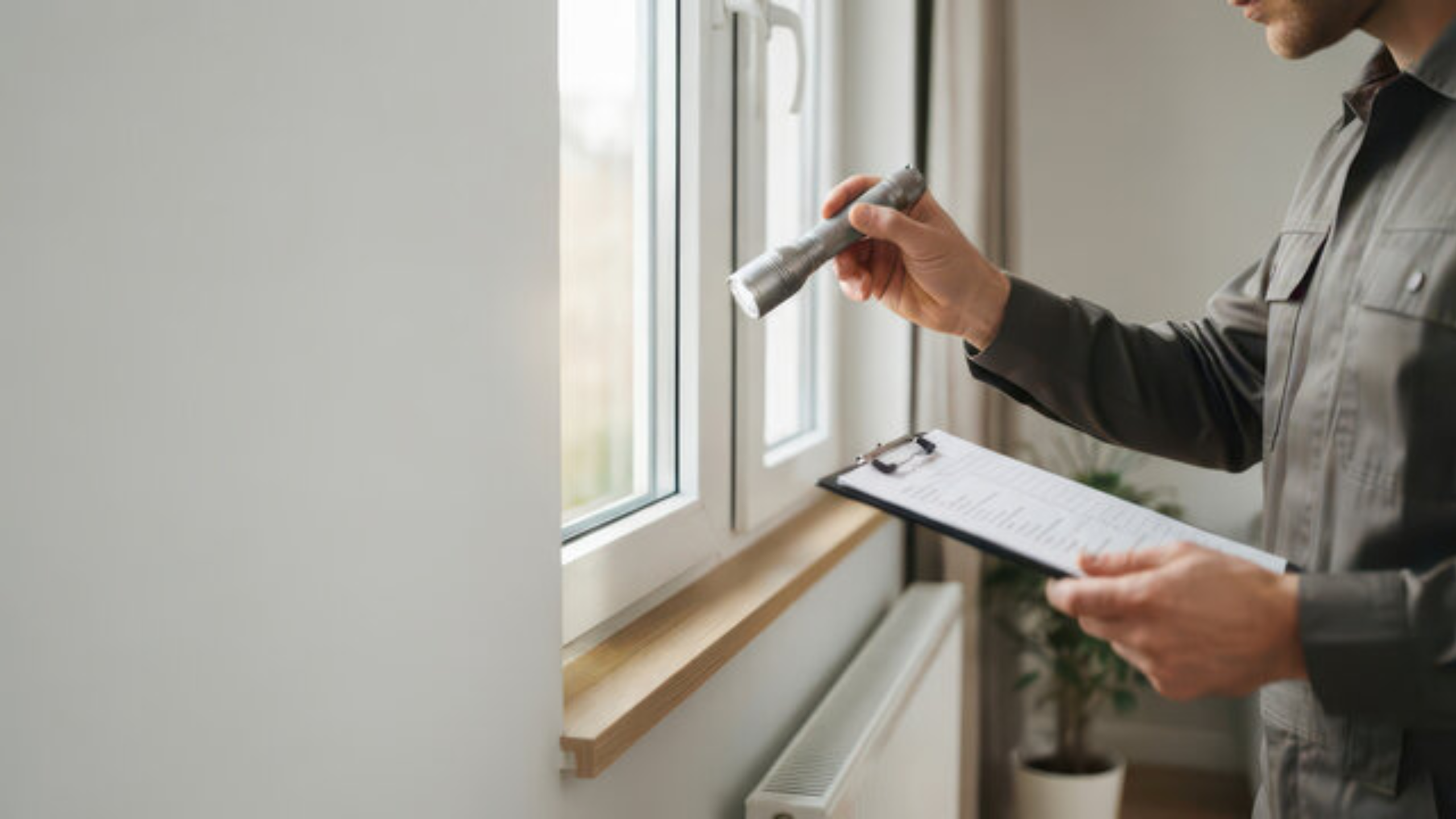
Windows are checked for damaged seals, air leaks, condensation between panes, and operational concerns. Drafts around windows and doors can reduce energy efficiency and increase utility costs.
Plumbing Systems
Plumbing defects can be difficult for homeowners to detect. Even small leaks may cause significant damage if left unresolved.
During a new construction home inspection, inspectors evaluate visible plumbing components, fixtures, water heaters, and drainage systems.
Water pressure is tested, fixtures are examined for leaks, and drains are checked for proper performance. Signs of moisture damage are carefully investigated to identify hidden plumbing concerns.
Electrical Systems
Electrical safety remains one of the most important aspects of any home inspection.
Inspectors test outlets, switches, lighting fixtures, and safety devices such as GFCI and AFCI protection systems. Electrical panels are also reviewed for installation defects and potential safety concerns.
A thorough home warranty inspection ensures electrical components are functioning properly and meeting expected performance standards.
HVAC Systems
Heating and cooling systems play a vital role in maintaining indoor comfort.
Inspectors evaluate HVAC equipment, airflow, thermostat operation, ductwork, and ventilation systems. Uneven temperatures throughout the home may indicate airflow restrictions or installation deficiencies.
Because HVAC repairs can be expensive, identifying concerns before the warranty expires can save homeowners substantial money.
Attic and Insulation
Many significant issues originate in areas homeowners rarely visit.
Attics are inspected for insulation levels, ventilation performance, moisture intrusion, and signs of mold growth. Proper insulation helps improve energy efficiency while reducing heating and cooling costs.
An effective warranty inspection checklist includes these hidden spaces because problems often develop unnoticed.
Common Problems Found During a Builder Warranty Inspection
Every home is unique, but certain issues appear consistently during inspections.
Settlement cracks are among the most common findings. As homes settle into place, drywall and trim may develop visible cracks. While minor movement is expected, larger cracks may require corrective action.
Roofing deficiencies are another frequent concern. Loose shingles, damaged flashing, and improper drainage can compromise long-term performance.
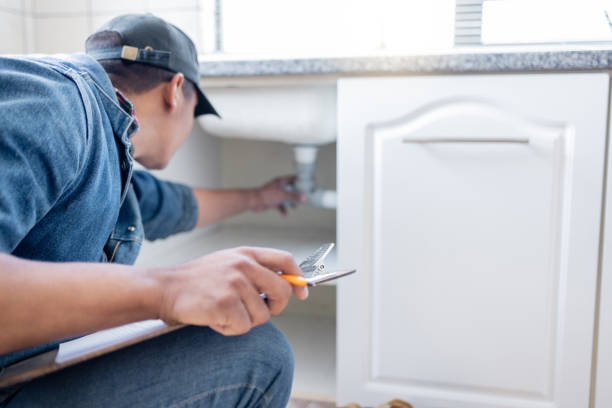
Plumbing leaks also appear regularly during new home warranty inspections. Small leaks beneath sinks, around fixtures, or within mechanical rooms can create hidden moisture damage.
HVAC performance issues are often discovered after homeowners experience a full year of seasonal weather conditions. Uneven airflow, thermostat problems, and duct leaks are commonly reported.
Drainage concerns frequently emerge after heavy rainfall. Improper grading can direct water toward the foundation, increasing the risk of future damage.
How Professional Inspectors Document Warranty Issues
Documentation is one of the most important aspects of the inspection process.
Professional inspectors provide detailed reports that include photographs, descriptions, and recommendations. This documentation serves as evidence when communicating with builders about warranty-related repairs.
The report also helps prioritize concerns. Safety issues and significant defects can be addressed first, while minor cosmetic items may be handled later.
A well-prepared report strengthens warranty claims and simplifies discussions with builders.
What Happens After the Inspection?
Once the inspection is complete, homeowners receive a comprehensive report outlining the findings.
The next step involves submitting the report to the builder and requesting repairs for covered items. Most builders have established warranty procedures that homeowners should follow carefully.
Communication is essential throughout this process. Keeping records of emails, repair requests, and builder responses helps create a clear timeline.
After repairs are completed, some homeowners choose to schedule a follow-up inspection to verify that corrective work was performed properly.
Tips for Homeowners Before the Inspection
Homeowners can take several simple steps to maximize the value of their inspection.
Before the appointment, create a list of concerns you have noticed throughout the year. Include items such as sticking doors, plumbing issues, unusual noises, or temperature inconsistencies.
Gather any previous repair records and warranty documentation. These records can provide useful context during the inspection process.
Testing appliances, fixtures, and home systems before the inspection can also help identify concerns that should be addressed.
Most importantly, schedule the inspection well before the warranty expires. Waiting too long may reduce the time available for repairs.
Why Hiring a Professional Home Inspector Matters
Many homeowners assume they can identify warranty issues on their own. However, professional inspectors bring specialized training and experience that allows them to detect problems the average homeowner may overlook.
A qualified inspector understands construction standards, building systems, and common defects found in new homes. Their expertise helps ensure nothing important is missed.
In addition, professional reports carry greater credibility when presented to builders. Detailed documentation often leads to smoother communication and faster resolution of warranty claims.
Ultimately, investing in a professional 11th-month warranty inspection can prevent future expenses and help protect one of your largest financial investments.
Conclusion
Your builder warranty provides valuable protection, but that protection does not last forever. As the first year of homeownership comes to an end, scheduling an 11th-month warranty inspection gives you the opportunity to identify defects, document concerns, and request repairs before coverage expires.
Whether it involves structural issues, plumbing leaks, HVAC performance concerns, or cosmetic defects, a professional inspection helps ensure your home receives the attention it deserves. By taking action before the warranty deadline, you can avoid costly repairs and enjoy greater confidence in your home’s condition for years to come.
Contact Us to schedule your professional 11th-month warranty inspection with Select Inspection and receive a detailed report that helps you address builder-covered issues before it’s too late.
Frequently Asked Questions
1. What is an 11th-month warranty inspection?
An 11th-month warranty inspection is a professional inspection performed before your builder’s one-year warranty expires to identify defects that may still be covered.
2. Why do I need an 11th-month warranty inspection?
It helps uncover issues before the warranty ends, allowing the builder to make repairs at no additional cost to you.
3. What does a new home warranty inspection cover?
It typically covers the roof, foundation, plumbing, electrical systems, HVAC, windows, doors, and interior finishes.
4. Is an 11th-month warranty inspection worth it?
Yes. It can help you identify costly problems while they are still covered under the builder warranty.
5. What are the most common issues found?
Common findings include drywall cracks, plumbing leaks, roof defects, HVAC issues, and drainage problems.