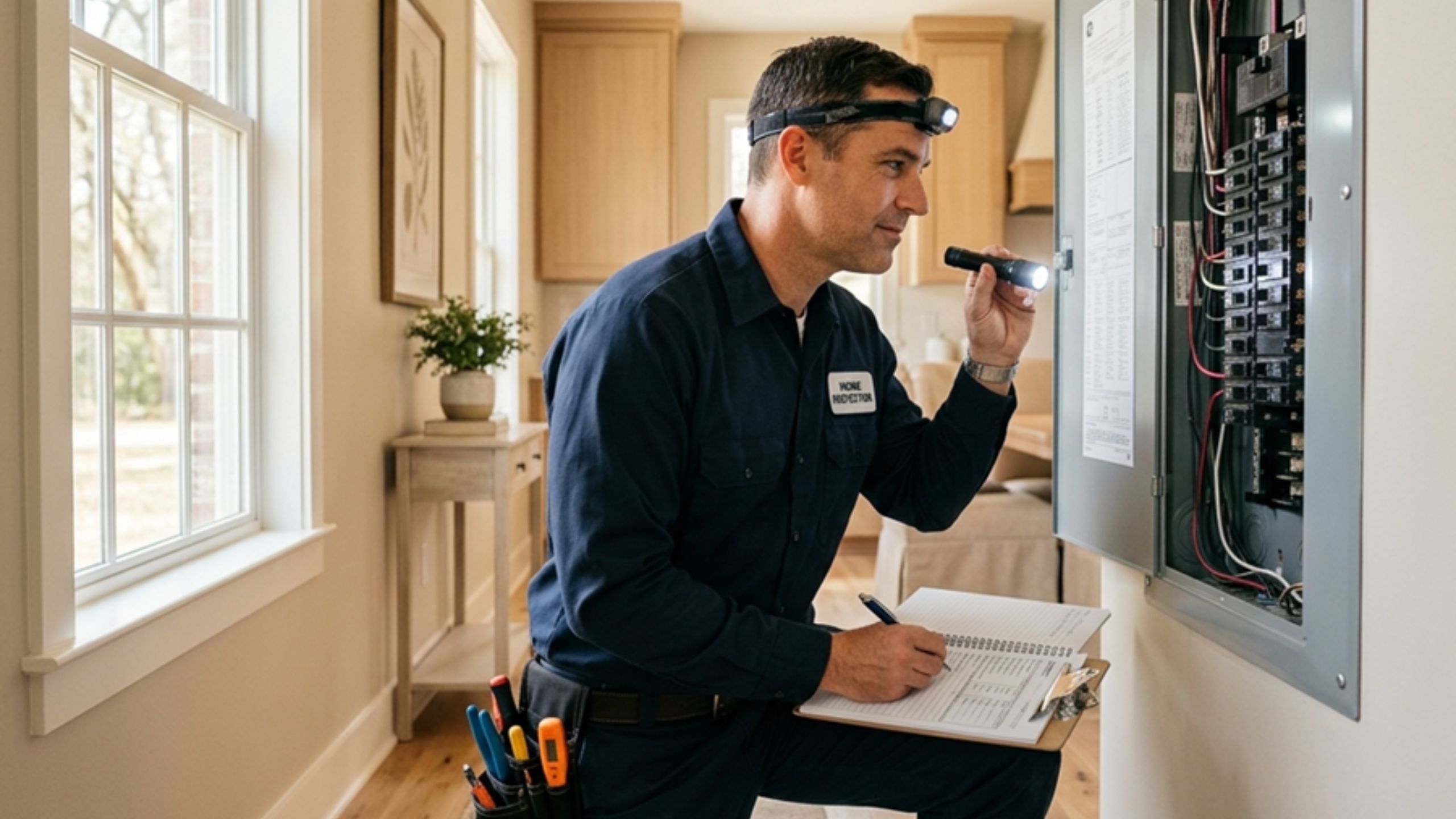

Environmental conditions can affect a property’s safety, value, and overall condition. While a standard inspection can identify many visible issues, some environmental problems may be hidden inside walls, building materials, or the air people breathe every day. In these cases, advanced environmental property sampling can provide important information that cannot be found through a visual inspection alone. An environmental home inspection can also help identify potential concerns that may require further testing.
Whether you are buying a property, managing a commercial building, or looking into possible health concerns, environmental sampling can help find hidden contamination and other risks. Knowing when this type of testing is needed can help property owners make better decisions and avoid unexpected expenses in the future.
Understanding Advanced Environmental Property Sampling
Advanced environmental property sampling is a testing process used to find harmful substances that may affect a property. These substances can be found in the air, soil, water, dust, or building materials. Unlike a standard inspection that looks for visible problems, environmental sampling involves taking samples and sending them to a laboratory for testing.
The purpose of environmental sampling is to find problems that cannot be seen during a regular inspection. It is often used to check for issues such as poor indoor air quality, mold, asbestos, lead, chemical contamination, and water quality concerns.
Since many environmental problems are hidden and cannot be identified through a visual inspection alone, testing provides a clearer picture of the property’s condition and any possible risks.
Signs That Advanced Environmental Sampling May Be Needed
Some warning signs may mean environmental testing is needed. One of the most common reasons property owners request testing is ongoing indoor air quality problems. If people in the building frequently experience allergies, breathing problems, headaches, or notice unusual odors, there could be hidden environmental issues affecting the property.
Moisture problems are another reason to consider testing. Water leaks, water entering the building, or high humidity levels can create conditions where mold may grow. Even if mold cannot be seen, it may still be hiding inside walls, ceilings, or other areas.
Stains or discoloration on walls, ceilings, or floors can also be a sign of a problem. These marks may be linked to moisture, mold, chemical exposure, or past damage.
Property owners should also think about environmental testing if the building has been affected by flooding, sewage backups, fire damage, or chemical spills. These events can leave behind contaminants that may still be present even after repairs have been completed.
Environmental Sampling During Property Transactions
Buying a property is a big investment, so it is important to understand any environmental issues before making a purchase. A standard property inspection can check the structure and major systems of a building, but environmental testing can uncover hidden problems that may lead to extra costs in the future.
Many buyers choose advanced environmental property sampling when buying older homes or properties that have experienced water damage. Testing can help find hidden mold, asbestos, lead, or water quality problems that may need attention.
For sellers, environmental testing can help find issues before listing a property for sale. Having clear information about the property’s condition can make the selling process smoother and help avoid delays during negotiations.
Commercial properties may also benefit from environmental testing, especially if they were previously used for industrial or manufacturing activities. Testing can help find contamination problems and give buyers a better understanding of the property’s condition before they complete the purchase.
Environmental Testing Before Renovation Projects
Renovation and remodeling projects can disturb building materials that have been in place for many years. In older properties, this can create health and safety concerns if harmful materials are present.
Asbestos is often found in older buildings and may be present in insulation, flooring, ceilings, and other materials. When these materials are damaged or disturbed during renovation, small asbestos fibers can be released into the air.
Lead-based paint is another common issue in older homes. Work such as sanding, scraping, or demolition can create lead dust, which may be harmful to people in the property.
Environmental sampling before renovation helps find these materials before work begins. This allows property owners to take proper safety steps, protect workers and occupants, and prevent unexpected issues during the project.
Post-Disaster Environmental Assessments
Natural disasters and property damage can create issues that may require environmental testing. Flooding is one of the most common reasons people request this type of testing.
Even after water is removed, moisture can remain behind walls, under floors, and inside building materials. This hidden moisture can lead to mold growth if the area is not completely dried. Environmental testing can help find mold and check if the cleanup was successful.
Fire damage can also cause hidden problems. Smoke, soot, and tiny particles may stay in the building even after visible damage has been cleaned. Testing can help find these remaining contaminants and determine if more cleaning is needed.
Sewage backups can bring bacteria and other harmful substances into a property. Environmental testing helps make sure affected areas have been properly cleaned and are safe for people to use again.
Common Environmental Hazards Identified Through Sampling
One of the most common issues found during environmental testing is mold. Mold grows in wet or damp areas and can stay hidden for a long time. Air and surface testing can help find mold, even when it cannot be easily seen.
Asbestos is another problem that testing can identify. The fibers are very small and cannot be seen with the naked eye. Finding asbestos before renovation or demolition work is important to help keep people safe.
Lead is also a concern in many older homes and buildings. It can be found in old paint, dust, and soil. Lead exposure can be harmful, especially for children. Testing can show whether lead is present and if action is needed.
Volatile organic compounds (VOCs) are chemicals that can affect the air inside a building. They may come from paint, cleaning products, fuel, adhesives, and some building materials. High levels of VOCs can lower indoor air quality and cause discomfort.
Water testing is another important part of environmental sampling. Homes that use private wells may need testing for bacteria, nitrates, heavy metals, and other substances that could make the water unsafe to drink or use.
Benefits of Advanced Environmental Property Sampling
One of the main benefits of environmental sampling is finding hidden problems before they get worse. Finding issues early allows property owners to fix them sooner and may help avoid expensive repairs.
Environmental testing can also help protect the health of people living or working in the building. Exposure to mold, asbestos, lead, and other harmful materials may affect health over time. Testing helps find these problems so they can be dealt with properly.
Another benefit is helping property owners make informed decisions. Whether buying a home, planning a remodeling project, or managing a commercial building, environmental testing provides useful information about the property’s condition.
Environmental sampling may also help reduce unexpected costs. Finding problems before purchasing a property or starting renovations can help prevent costly repairs and cleanup work in the future.
What to Expect During the Sampling Process
The environmental sampling process usually begins with a review of the property and a conversation about any concerns. The property’s past issues, visible signs of damage, and possible risk areas help determine what testing may be needed.
Once the areas of concern are identified, samples are collected using special equipment. Depending on the situation, samples may be taken from the air, water, soil, dust, or building materials.
The samples are then sent to a laboratory for testing. The lab checks for harmful substances and determines how much is present.
After the testing is complete, the property owner receives a report with the results. If any issues are found, the report may also include suggestions for what to do next.
Choosing a Qualified Environmental Testing Professional
Environmental sampling requires the right knowledge, tools, and testing methods to get accurate results. Choosing an experienced professional helps make sure the testing is done properly and the results can be trusted.
Property owners should choose professionals who understand different environmental problems and can explain the results in a simple and clear way. Easy-to-understand reports and good communication are also important when selecting a testing company.
At Select Inspection, we help property owners understand environmental issues that may affect their homes or commercial properties. Our testing services provide clear information to help you make informed decisions about your property, repairs, and future plans.
Conclusion
Advanced environmental property sampling helps find hidden issues that may affect a property’s safety, health, and value. While a standard inspection can spot visible problems, environmental testing can uncover issues that are harder to see, such as mold, pollution, or poor indoor air quality.
Whether you are having air quality concerns, planning a renovation, dealing with property damage, or buying a home, environmental sampling can provide a clearer picture of the property’s condition. Finding problems early can help avoid costly repairs, prevent future damage, and create a safer environment for everyone in the building.
At Select Inspection, we understand the importance of thorough property evaluations and environmental testing. Our team can help identify potential concerns and provide the information you need to make confident decisions about your property. Contact us today to learn more about our inspection and environmental testing services.
Frequently Asked Questions
1. What is advanced environmental property sampling?
It is testing used to detect hidden environmental hazards in air, water, soil, or building materials.
2. When should environmental sampling be requested?
When there are concerns about mold, asbestos, lead, water quality, or indoor air quality.
3. Can a standard inspection identify environmental hazards?
Not always. Many hazards require laboratory testing for confirmation.
4. Is environmental sampling important when buying a property?
Yes, it can reveal hidden issues that may affect health, safety, or property value.
5. What contaminants can environmental sampling detect?
It can detect mold, asbestos, lead, bacteria, VOCs, and other pollutants.