
When looking for a commercial property, many tenants focus on rent, location, and lease terms. While these things are important, it is also important to check the condition of the building. In a Triple Net (NNN) lease, tenants are often responsible for costs such as maintenance, repairs, insurance, and property taxes.
If the building has problems that have not been fixed for a long time, the tenant may have to pay for those repairs after signing the lease. This is why a lease inspection is an important step before renting a commercial property. A triple net lease inspection helps find existing issues, shows the overall condition of the building, and helps tenants avoid unexpected repair costs in the future.
Understanding a Triple Net (NNN) Lease
A Triple Net lease is a type of commercial lease where the tenant pays more than just rent. In many cases, the tenant also pays property taxes, building insurance, and maintenance costs.
Since the tenant may be responsible for repairs and upkeep, it is important to know the condition of the property before signing the lease. A building may look good from the outside but still have hidden problems that could lead to costly repairs later.
Triple Net leases are often used for retail stores, office spaces, warehouses, and other commercial buildings. They can be beneficial for both landlords and tenants, but they usually give tenants more responsibility for the property’s ongoing costs and maintenance.
What Is Deferred Maintenance?
Deferred maintenance refers to repairs or maintenance tasks that have been postponed or ignored. Property owners may delay repairs due to cost concerns, lack of time, or other reasons.
Over time, small problems can grow into major issues. A minor roof leak may eventually cause water damage throughout the building. An aging HVAC system may continue operating for a while before suddenly failing.
Deferred maintenance can affect many parts of a commercial property, including the roof, plumbing, electrical systems, parking lots, and structural components.
When tenants enter a Triple Net lease without understanding the property’s condition, they may inherit these costly problems.
Why Deferred Maintenance Can Be a Problem for Tenants
Deferred maintenance can create serious financial challenges for commercial tenants. Since tenants may be responsible for maintenance and repairs under a Triple Net lease, unexpected problems can quickly affect operating budgets.
For example, replacing a commercial HVAC unit can cost thousands of dollars. Roof repairs can be expensive and may require temporary business disruptions. Plumbing failures can damage inventory, equipment, and interior finishes.
Beyond financial concerns, deferred maintenance can also affect daily operations. Employees and customers may experience discomfort if heating or cooling systems fail. Water leaks can create safety hazards. Electrical issues may interfere with business activities.
These problems often appear at the worst possible time, making early identification extremely valuable.
What Is a Triple Net Lease Inspection?
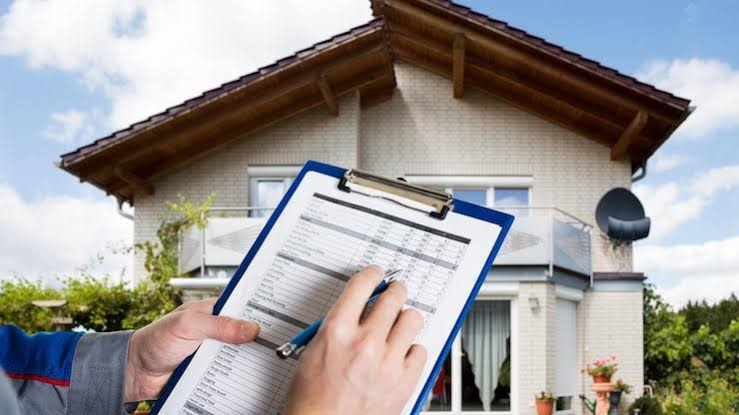
A triple net lease inspection is a detailed evaluation of a commercial property’s condition before a tenant signs or renews a lease agreement.
The goal is to identify existing problems, document building conditions, and uncover maintenance issues that may become the tenant’s responsibility in the future.
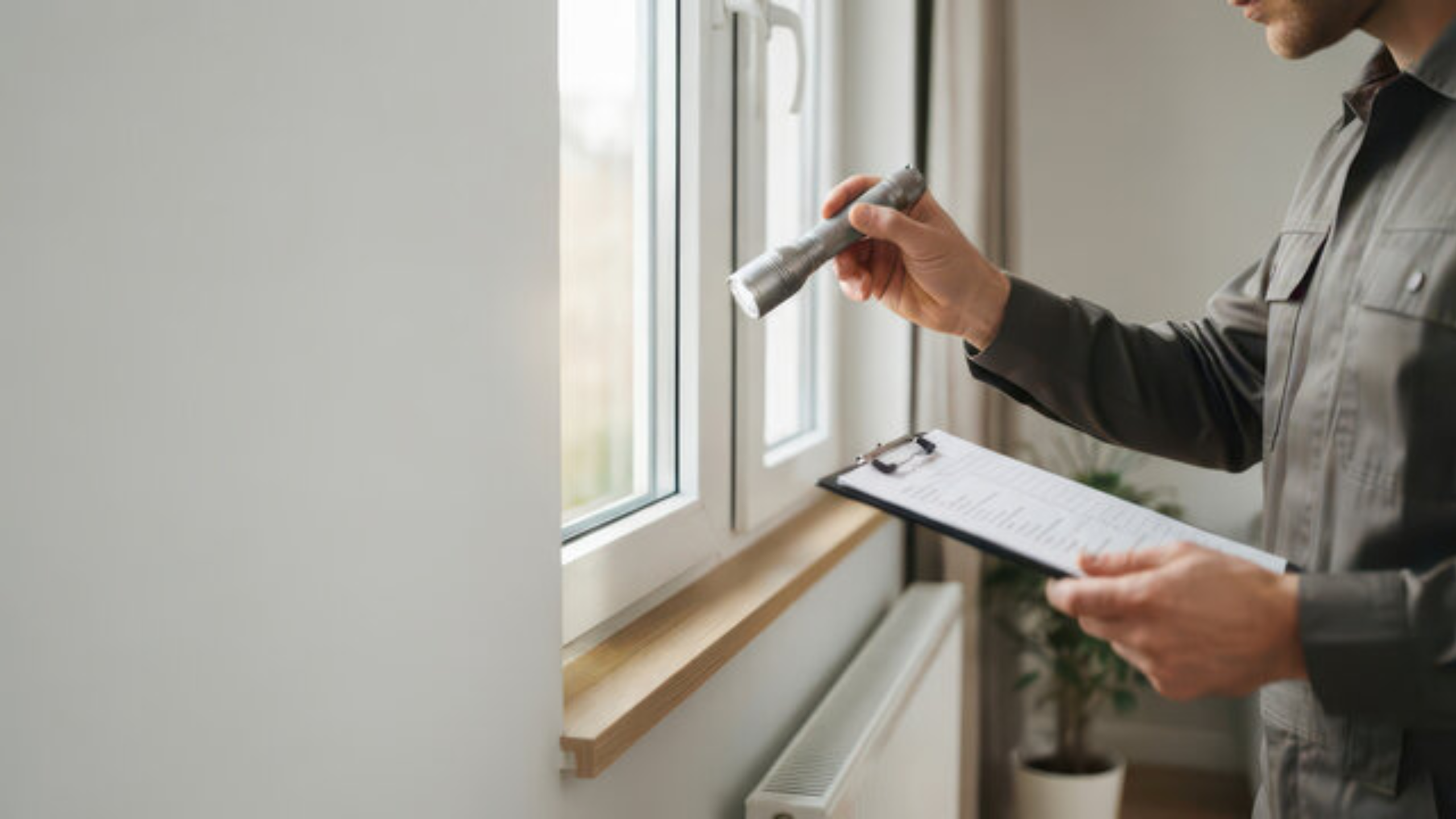
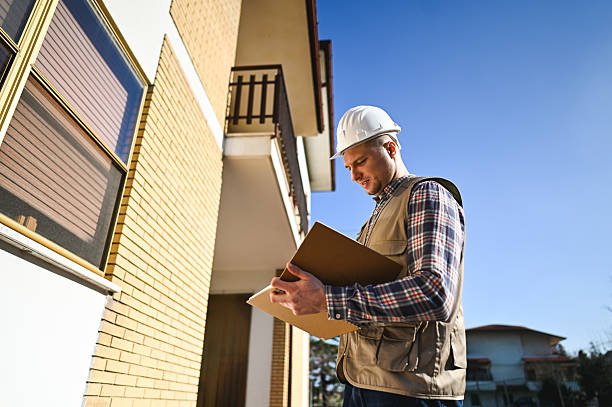
A professional inspector examines major building systems and components to determine their condition and identify signs of wear, damage, or deferred maintenance.
The inspection report provides valuable information that can help tenants make informed decisions before committing to a lease.
Many commercial tenants schedule an inspection before signing a lease. Others choose to have an inspection performed before renewing an existing lease to better understand future repair risks.
Key Areas Inspected in a Commercial Property
Roof Condition
The roof is one of the most important parts of a commercial building. Roof problems can allow water to enter the building and cause damage to walls, ceilings, and other areas. If these issues are not found early, repairs can become expensive.
During an inspection, Select Inspection checks the roof for leaks, damaged areas, standing water, and signs of wear. Finding roof problems before signing a lease can help tenants avoid unexpected repair costs in the future.
HVAC Systems
Heating, ventilation, and air conditioning systems are essential for employee comfort and daily operations.
Inspectors evaluate the age, condition, and performance of HVAC equipment. Older systems may still function but could be approaching the end of their service life. Knowing this information helps tenants prepare for future maintenance or replacement costs.
Electrical Systems
Commercial properties depend on safe and reliable electrical systems. Electrical issues can create safety concerns and affect business operations.
An inspection may include an evaluation of electrical panels, wiring conditions, and visible signs of wear or damage. Identifying electrical concerns early can help prevent costly repairs later.
Plumbing Systems
Plumbing issues can cause water damage, business interruptions, and expensive repair bills.
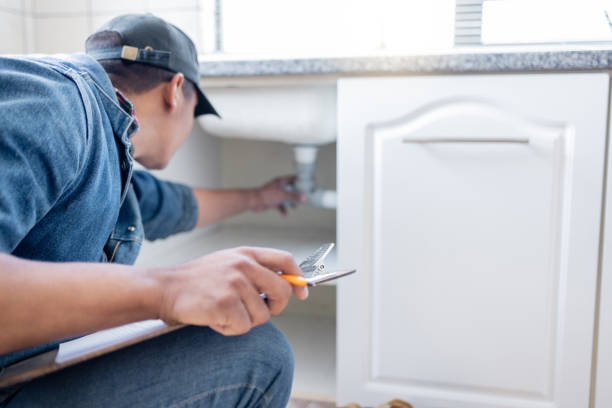
Inspectors look for signs of leaks, corrosion, drainage problems, and damaged plumbing components. Even small leaks can become major problems if left untreated.
Building Structure
The structural condition of a building is another important part of the inspection process.
Inspectors look for signs of foundation movement, wall cracks, settlement, and other structural concerns. Understanding these conditions helps tenants evaluate potential repair risks.
Parking Lots and Exterior Areas
The condition of parking lots, sidewalks, drainage systems, and exterior surfaces can affect both safety and maintenance costs.
Cracked pavement, poor drainage, and damaged walkways may require future repairs. These issues can also create liability concerns for businesses that welcome customers and visitors.
Benefits of a Triple Net Lease Inspection
A professional inspection offers several advantages for commercial tenants.
One of the biggest benefits is the ability to identify problems before signing the lease. Instead of discovering costly repairs months after moving in, tenants can understand potential risks in advance.
Inspection findings can also support lease negotiations. If significant maintenance issues are identified, tenants may request repairs before occupancy. In some cases, landlords may agree to make improvements or adjust lease terms.
Another benefit is improved financial planning. Knowing the condition of major building systems allows tenants to prepare maintenance budgets and plan for future expenses.
Perhaps most importantly, inspections provide peace of mind. Tenants can move forward with greater confidence when they understand the true condition of the property.
Red Flags Tenants Should Watch For
Certain warning signs may indicate deferred maintenance within a commercial property.
Water stains on ceilings often suggest current or past roof leaks. Rust on mechanical equipment may indicate long-term moisture exposure. Peeling paint, damaged roofing materials, and visible cracks can also signal maintenance concerns.
Older HVAC systems that require frequent repairs may be nearing replacement. Outdated electrical components can create reliability and safety issues.
Uneven pavement, standing water, and poor drainage around the building may indicate larger maintenance problems that could require future investment.
While these warning signs do not always mean major repairs are needed, they should be carefully evaluated during the inspection process.
How Inspection Findings Can Help During Lease Negotiations
Inspection reports can become valuable tools during lease discussions.
If major repairs are needed, tenants may ask landlords to address the issues before the lease begins. This can help prevent future disputes and reduce unexpected expenses.
Inspection findings can also help clarify maintenance responsibilities. Both parties can discuss who will be responsible for specific repairs and building systems.
In some situations, tenants may negotiate financial credits or rent adjustments based on the condition of the property. These discussions are often easier when supported by a professional inspection report.
By addressing concerns before signing the lease, both landlords and tenants can enter the agreement with clear expectations.
Choosing a Qualified Commercial Property Inspector
Not all inspections are the same. Commercial properties often contain complex systems that require specialized knowledge.
When selecting an inspector, tenants should look for experience with commercial buildings and Triple Net lease inspections. A qualified inspector understands the unique risks associated with commercial leasing and deferred maintenance.
Detailed reporting is also important. Inspection reports should clearly explain findings, document concerns, and include photographs when appropriate.
A thorough inspection helps tenants make informed decisions and reduces the risk of costly surprises after occupancy.
Conclusion
Triple Net leases can be a good option for commercial tenants, but they also come with extra responsibilities. When tenants are responsible for maintenance and repair costs, it is important to know the condition of the property before signing a lease.
Delayed repairs can lead to unexpected costs, business interruptions, and safety issues. A professional Triple Net lease inspection can help find these problems early, before they become the tenant’s responsibility.
Getting an inspection before signing or renewing a lease helps tenants understand possible repair needs, make better lease decisions, and prepare for future expenses.
At Select Inspection, we provide detailed commercial property inspections to help tenants understand the condition of a building and identify issues before they become expensive repairs.
Contact Select Inspection today to schedule a commercial property inspection and make your next leasing decision with confidence.