Buying or owning an older home has many benefits, such as unique design, established neighbourhoods, and solid construction. However, older homes can also have hidden problems that are not easy to see. One area that is often overlooked is the sewer line. Because it is located underground, many homeowners do not know there is a problem until it causes backups or costly repairs.
If you are wondering what is a sewer scope inspection, it is a service that helps identify hidden sewer line issues before they turn into major problems. At Select Inspection, we know how important it is to check every part of a home, including areas that cannot be seen during a regular home inspection. For older homes, a sewer scope inspection can give homeowners and buyers valuable information about the condition of the sewer line and help them avoid unexpected repair costs.
What Is a Sewer Scope Inspection?
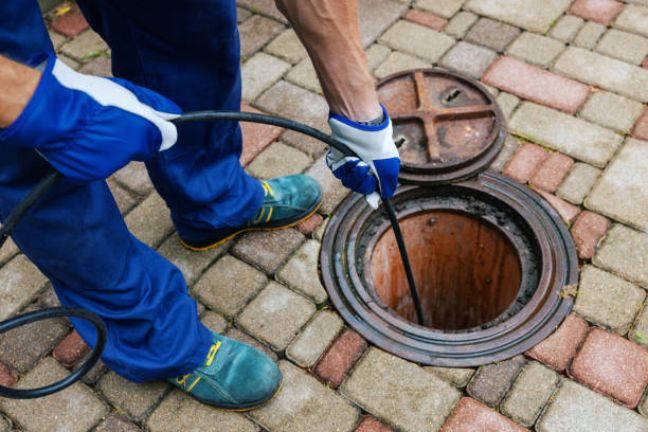
A sewer scope inspection is a service that uses a small waterproof camera attached to a flexible cable to check the inside of a home’s sewer line. The camera is placed into the sewer pipe through a cleanout or another access point and moves through the line while sending live video to the inspector.
This allows the inspector to see the condition of the sewer pipe from the house to the city sewer connection or septic system. Unlike a regular home inspection, which mainly looks at visible parts of the property, a sewer scope inspection helps find problems hidden underground.
The inspection does not require digging and is usually completed in a short amount of time. After the inspection, the inspector reviews the video and looks for issues such as cracks, blockages, tree roots, or worn-out pipes that could cause problems in the future.
How a Sewer Scope Inspection Works
The inspection starts by finding a point where the camera can enter the sewer line. The inspector then slowly pushes a small camera through the pipe while watching the live video on a screen. As the camera moves through the sewer line, it shows the inside of the pipe, including the walls, joints, bends, and connections.
During the inspection, the inspector checks for common problems such as cracks, tree roots, rust, separated pipes, clogs, and other damage that could affect the sewer line. The video is usually recorded so the homeowner or homebuyer can review the results later.
After the inspection is complete, the inspector provides a report that explains any problems found and recommends whether repairs or further evaluation may be needed.
Why Older Homes Need Sewer Scope Inspections
Older homes are more likely to have sewer line problems because their plumbing systems are older. Many homes built years ago still have the original sewer pipes, which may have been used for decades.
Older sewer pipes were often made from materials such as cast iron, clay, Orangeburg, or galvanized steel. Over time, these materials can wear out, crack, rust, or break down. Even if sinks, toilets, and drains seem to be working properly, there could still be hidden problems underground.
A sewer scope inspection helps homeowners and homebuyers find these issues before they cause sewage backups, leaks, or expensive repairs. Since fixing a sewer line often involves digging up the yard, finding problems early can save a lot of time and money.
It is also important to know that a standard home inspection usually does not include a full inspection of the underground sewer line. Without a sewer scope inspection, buyers may not know there is a problem until after they move in. A sewer scope inspection provides a clearer picture of the home’s overall condition and can help prevent unexpected repair costs.
Common Sewer Line Problems Found in Older Homes
Older sewer systems can experience a variety of issues that affect their ability to transport wastewater safely and efficiently.
Tree Root Intrusion
Tree roots are one of the most common causes of sewer line problems. As roots grow, they look for water and can reach sewer pipes underground. Small cracks or openings in the pipes can allow roots to get inside and continue growing.
Over time, these roots can block the flow of wastewater and cause drainage issues. In some cases, they can damage the pipe, causing cracks or breaks. A sewer scope inspection can find root problems early, helping homeowners fix them before they lead to expensive repairs.
Cracked or Broken Pipes
As sewer lines get older, they can develop cracks or break over time. Shifting soil, ground settling, heavy vehicles driving above the pipes, and normal wear and tear can all cause damage.
Cracked pipes can allow wastewater to leak into the surrounding ground and let dirt, debris, and tree roots enter the line. If these problems are not fixed early, they can become more serious and lead to costly repairs.
Pipe Corrosion and Deterioration
Many older homes have cast iron sewer pipes that can wear out over time. As the pipes age, rust can build up inside them, making the opening smaller and slowing the flow of wastewater. This can also make the pipes weaker.
As the damage gets worse, the pipes may develop small holes, cracks, or even break completely. A sewer scope inspection can show how much damage is present and help determine whether the pipe needs repair or replacement.
Bellied or Sagging Sewer Lines
A bellied sewer line happens when part of the sewer pipe sinks lower than it should. This creates a low spot where water and waste can collect instead of flowing properly through the pipe.
When water sits in the pipe, it can cause frequent clogs and slow drains. Finding this problem early can help homeowners prevent ongoing plumbing issues and avoid more expensive repairs in the future.
Blockages and Debris Accumulation
Over time, grease, soap, dirt, and other waste can build up inside sewer pipes. Some clogs can be removed with cleaning, but others may be a sign of damage inside the sewer line.
A sewer scope inspection helps determine whether the problem is just a clog or a larger issue that needs repair.
Signs You May Need a Sewer Scope Inspection
Although sewer line problems are often hidden underground, there are some common signs that may mean you need a sewer scope inspection.
If you have frequent drain clogs throughout your home, the problem may be in the main sewer line instead of a single drain. When more than one sink, toilet, or shower has drainage issues at the same time, it is a good idea to have the sewer line checked.
Slow-draining sinks, bathtubs, and showers can also be a warning sign. While a small clog may cause occasional slow drainage, ongoing problems could point to an issue in the sewer line.
Bad sewage smells inside or outside your home may be another sign of a damaged sewer pipe. These odors should not be ignored because they can indicate a leak or blockage in the system.
You may also notice wet spots in your yard or areas where the grass is greener and growing faster than usual. This can happen when wastewater leaks from a damaged sewer line into the surrounding soil.
One of the best times to schedule a sewer scope inspection is before buying an older home. Finding sewer line problems before closing can help you avoid costly repairs after you move in.
Benefits of a Sewer Scope Inspection
A sewer scope inspection provides many benefits for homeowners, buyers, and sellers.
One of the biggest benefits is finding problems early. When issues are found before they become serious, homeowners can fix them sooner and avoid expensive repairs later.
For homebuyers, a sewer scope inspection gives important information about the home’s sewer system. If problems are found, buyers may be able to ask for repairs or negotiate a better purchase price.
Homeowners also gain peace of mind by knowing the condition of their sewer line. This helps them plan for future maintenance and avoid unexpected problems.
A sewer scope inspection can also help protect a home’s value. Sewer line problems can be costly and may affect the property’s condition. Finding and fixing issues early helps keep the home in good shape for years to come.
What Happens After a Sewer Scope Inspection?
After the inspection is complete, the inspector reviews the camera footage and notes any problems found in the sewer line. The report explains the condition of the sewer pipe and may include suggestions for any repairs or maintenance that may be needed.
Sometimes, only simple maintenance is required. Cleaning the sewer line or removing tree roots can help it work properly again and prevent future problems.
In other cases, bigger repairs may be needed. Depending on the condition of the pipe, homeowners may need repairs to certain sections, pipe lining, or a complete sewer line replacement.
The results of the inspection help homeowners understand the condition of their sewer system and make better decisions about maintenance, repairs, and future costs.
When Should You Schedule a Sewer Scope Inspection?
A sewer scope inspection is especially important when buying an older home. Many buyers pay for inspections of visible parts of the house but forget to check the sewer line, which can lead to costly surprises later.
It is also a good idea before starting major home renovations. Knowing the condition of the sewer line can help avoid unexpected problems during the project.
Homeowners who deal with frequent drain clogs, slow drains, or other plumbing issues should consider a sewer scope inspection to find the actual cause of the problem instead of fixing the same issue repeatedly.
Even if there are no clear signs of trouble, regular sewer inspections can help older homes stay in good condition and catch problems before they become expensive repairs.
Choosing a Qualified Sewer Scope Inspector
Choosing an experienced inspector is important to get accurate results. The inspector should have the right equipment, proper training, and experience finding common sewer line problems.
At Select Inspection, we use modern inspection tools to help homeowners and homebuyers understand the condition of their sewer system. Our goal is to find hidden problems early so they can be addressed before they become expensive repairs.
A good inspector will not only find issues but also explain the results in simple terms. This helps homeowners make informed decisions about repairs and future maintenance.
Conclusion
A sewer scope inspection is a smart way to protect your home, especially if you own or are buying an older property. Because sewer lines are underground, problems can go unnoticed for years and become expensive to fix.
Issues such as tree roots, rusted pipes, cracks, and blockages are common in older sewer systems and may not be found during a standard home inspection. A sewer scope inspection helps identify these problems early, giving you a clear picture of the condition of the sewer line and helping you avoid unexpected repair costs.
At Select Inspection, we provide thorough and reliable sewer scope inspections to help homeowners and homebuyers make informed decisions. If you are buying an older home or have noticed signs of sewer line problems, contact us today to schedule a sewer scope inspection and keep your investment protected.
Frequently Asked Questions
1. What is a sewer scope inspection?
A sewer scope inspection uses a specialized camera to inspect the inside of a property’s sewer line and identify hidden issues such as cracks, blockages, and root intrusion.
2. Why is a sewer scope inspection important for older homes?
Older homes often have aging sewer pipes that may be damaged, corroded, or deteriorating. A sewer scope inspection helps detect these problems before they become costly repairs.
3. How long does a sewer scope inspection take?
Most sewer scope inspections can be completed within 30 to 60 minutes, depending on the length and condition of the sewer line.
4. Can a standard home inspection identify sewer line problems?
No. Most standard home inspections do not include a detailed evaluation of underground sewer lines, which is why a separate sewer scope inspection is recommended.
5. What problems can a sewer scope inspection uncover?
It can reveal tree root intrusion, cracked pipes, corrosion, sagging lines, blockages, and other sewer system defects.