
Introduction
Strong storms and hurricane-force winds can place extreme stress on a home’s structure. Heavy rain, uplift pressure, and flying debris can damage roofing systems, loosen structural connections, and weaken the building over time. Even homes that appear stable from the outside may contain hidden vulnerabilities that become serious problems during severe weather events.
For homeowners, understanding how structural systems perform during storms is an important part of protecting both safety and property value. This is why a professional wind mitigation inspection is valuable. These inspections help identify whether a home has the proper structural attachments, fasteners, and reinforcements needed to withstand high-wind conditions.
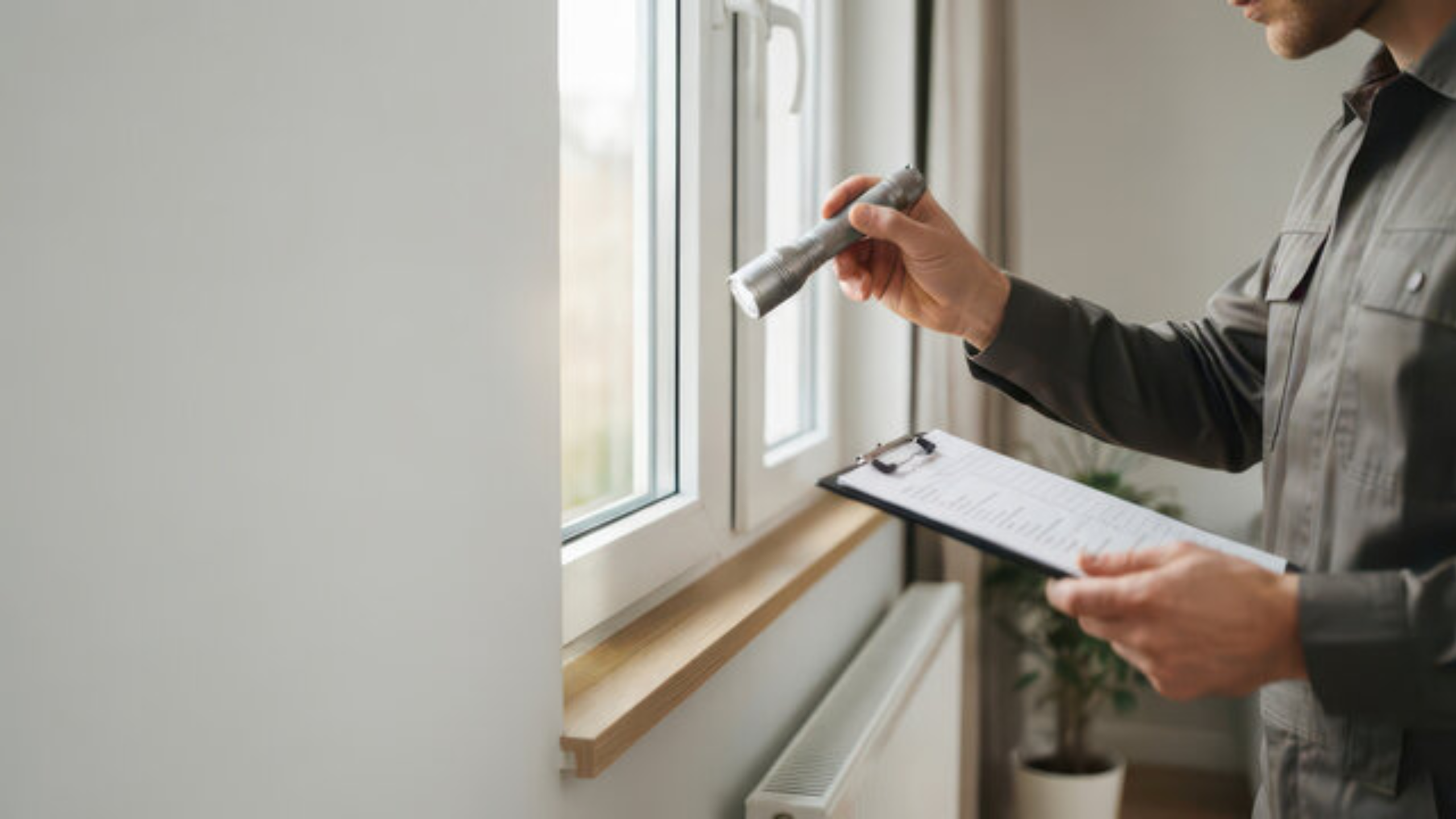
Structural inspectors evaluate the entire load path of the home, including roof systems, wall connections, fasteners, and foundation conditions. They also assess whether existing structural movement or foundation issues could weaken the home’s overall storm resistance.
This guide explains what inspectors evaluate during a wind mitigation inspection and why these assessments are important for homeowners living in storm-prone areas.
Understanding Wind Mitigation Inspections
What Is a Wind Mitigation Inspection?
A wind mitigation inspection is a specialized evaluation that focuses on how well a home can resist damage from strong winds and severe storms.
The inspection examines structural features designed to improve wind resistance. These features may include roof-to-wall connections, hurricane straps, reinforced fasteners, roof decking attachments, and anchoring systems.
The goal is to determine whether the home has structural components that help reduce the risk of storm-related damage.
Why Wind Resistance Matters
During severe weather, strong winds create pressure that pushes and pulls against the structure of a home. Roof systems are especially vulnerable because uplift forces can attempt to separate the roof from the walls below.
If structural attachments are weak or damaged, portions of the roof system may fail. Once the roof is compromised, water intrusion can quickly affect interior framing, insulation, ceilings, and electrical systems.
A properly reinforced structure helps distribute wind forces throughout the building and down into the foundation. Strong connections between structural components play a major role in reducing storm damage.
Roof-to-Wall Connections
Importance of Structural Attachments
One of the most important areas evaluated during a wind mitigation inspection is the roof-to-wall connection system.
Structural inspectors examine how the roof framing is attached to the wall structure. These connections are critical because they help transfer wind loads safely through the home’s structural system.
Modern homes in hurricane-prone regions often use hurricane straps or metal clips engineered to secure roof trusses and rafters to the walls below. These connectors improve the home’s ability to resist uplift pressure during severe storms.
What Inspectors Look For
Inspectors evaluate the condition, placement, and attachment quality of these connectors. Loose hardware, corrosion, missing fasteners, or outdated installation methods may weaken the structure’s resistance to high winds.
Older homes sometimes rely only on nails to secure roof framing components. While this may have met older building standards, modern storm-resistance guidelines typically require stronger mechanical connectors for better protection.
Inspectors also verify whether connectors appear properly fastened and free from visible deterioration.
Evaluating Fasteners and Roof Decking
The Role of Fasteners
Fasteners are a critical part of the home’s structural defense system. Even high-quality hurricane straps and structural connectors can fail if the fasteners are improperly installed or damaged.
Structural inspectors review the type, spacing, and condition of visible nails, screws, and anchors used throughout the roofing system.
Improper fastener spacing can reduce the effectiveness of roof attachments during strong winds. Inspectors look for signs of loose decking, missing fasteners, and visible movement within the roofing structure.
Roof Sheathing Inspection
Roof sheathing, also called roof decking, is another major inspection area.
Inspectors evaluate how plywood or other decking materials are attached to the roof framing. Properly secured roof decking helps reduce the chance of panels lifting or separating during storms.
Loose roof decking may allow water intrusion once shingles or roof coverings are damaged. Moisture entering the attic can weaken wood framing and increase long-term structural deterioration.
By identifying loose attachments or aging materials early, homeowners can address issues before severe weather causes larger problems.
Exterior Wall and Structural System Evaluations
Wall Stability and Anchoring
Inspectors also assess exterior wall systems and visible structural alignment.
Walls must remain securely anchored to transfer wind loads from the roof down to the foundation. Structural shifting, wall movement, or poor anchoring can weaken the home’s storm resistance.
Inspectors look for visible signs of movement around windows, doors, siding, and masonry surfaces. Cracking patterns and uneven openings may indicate structural stress or foundation movement.
Water Intrusion Concerns
Storm resilience is not only about resisting wind pressure. Water intrusion can also damage structural systems over time.
Inspectors check for signs of moisture penetration around exterior openings, roof edges, flashing systems, and wall surfaces. Water damage can weaken framing materials and reduce the home’s ability to resist future storms.
Proper sealing and drainage are essential for maintaining long-term structural integrity.
Foundation Performance and Structural Stability
Why Foundation Conditions Matter
The foundation supports the entire structural system of the home. If foundation movement occurs, it may weaken the building’s overall resistance to wind loads and severe weather conditions.
Structural inspectors carefully examine visible foundation conditions during a wind mitigation inspection.
Existing movement, uneven settlement, or structural instability can place stress on roof connections, wall systems, and framing components.
Slab on Grade Movement
Homes built on expansive soils are often vulnerable to slab on grade movement.
As moisture levels change beneath the structure, soil expansion and contraction can affect the stability of the slab foundation. These changes may create uneven support conditions beneath the home.
Over time, this movement may contribute to wall cracking, floor separation, and framing stress that weakens structural performance during storms.
Clay Soil Foundation Cracks
Inspectors frequently observe clay soil foundation cracks in regions with expansive soil conditions.
Clay-heavy soils absorb water during wet periods and shrink during dry conditions. This repeated movement can place pressure on the foundation and create visible cracking.
Some foundation cracks may appear small at first, but progressive movement can eventually affect structural alignment and attachment systems throughout the home.
Structural Settling and Soil Hydration Cycles
Natural structural settling occurs in many homes over time, but excessive settlement may indicate deeper foundation concerns.
Inspectors evaluate whether visible movement appears stable or whether conditions suggest ongoing structural stress.
Soil hydration cycles play a major role in foundation performance. Periods of heavy rain followed by extended drought can repeatedly expand and shrink the soil beneath the structure.
This cycle places stress on slabs, footings, and structural framing systems. Over time, these conditions may contribute to shifting, cracking, and uneven structural support.
Clay Soil Shrinkage
During dry conditions, clay soil shrinkage can create voids beneath portions of the slab foundation.
As support decreases beneath the home, sections of the structure may settle unevenly. When heavy rain returns, soil expansion can push upward against the slab again.
This repeated movement affects the home’s long-term stability and may reduce the effectiveness of structural attachments designed to resist high winds.
Garage Doors and Large Openings
Pressure Vulnerabilities
Garage doors are one of the most vulnerable areas during high-wind events.
If a garage door fails under wind pressure, large amounts of air can enter the home rapidly. Internal pressure buildup may increase the likelihood of roof damage or structural failure.
Structural inspectors evaluate whether garage doors appear reinforced and securely attached.
Window and Door Assessments
Windows and exterior doors are also inspected for alignment, attachment quality, and visible gaps.
Loose frames or deteriorated seals may allow water intrusion and increase structural vulnerability during severe storms.
Properly installed openings help maintain the structural envelope of the home during high-wind conditions.
Attic and Framing Inspections
Inspecting Structural Framing
Attic spaces provide inspectors with valuable access to structural framing systems.
Inspectors evaluate roof trusses, rafters, bracing systems, and visible connectors for signs of movement or deterioration.
Cracked framing members, loose joints, or displaced structural components may indicate previous storm damage or ongoing structural stress.
Moisture and Ventilation Concerns
Inspectors also look for signs of moisture intrusion inside the attic.
Poor ventilation and water penetration can weaken wood framing and reduce the durability of structural connections over time.
Addressing these conditions early helps maintain the home’s ability to resist future storms.
Why Regular Wind Mitigation Inspections Matter
Storm-related damage often develops gradually over time. Structural weaknesses may not become obvious until a severe weather event places extreme pressure on the home.
Routine wind mitigation inspections help homeowners identify vulnerable areas before major damage occurs. These evaluations support proactive maintenance, structural reinforcement, and long-term property protection.
Many homeowners also pursue inspections to support insurance documentation. Homes with upgraded roof connections, reinforced attachments, and improved storm-resistance features may qualify for insurance benefits depending on the property and location.
Conclusion
Severe storms place significant stress on a home’s roof, walls, fasteners, and foundation systems. All of these structural components must work together to resist high winds, uplift pressure, and moisture intrusion during severe weather events.
A professional wind mitigation inspection helps homeowners identify whether their property has the proper structural reinforcements needed to withstand storm conditions. Inspectors evaluate roof attachments, hurricane straps, fasteners, framing systems, and visible foundation concerns to identify vulnerabilities that could affect storm resistance.
Foundation movement, structural settling, soil hydration cycles, and clay soil shrinkage can weaken a home’s stability over time. Identifying these issues early helps homeowners make informed repair and maintenance decisions that improve long-term resilience.
At Select Inspection, we provide detailed structural evaluations to help homeowners protect their property and prepare for future storms. Contact us today to schedule a professional wind mitigation inspection and learn more about your home’s structural condition.
Frequently Asked Questions
1. What is a wind mitigation inspection?
A wind mitigation inspection is a professional evaluation that examines how well a home can resist damage from strong winds and severe storms. The inspection focuses on roof attachments, structural connectors, fasteners, and other features designed to improve storm resistance.
2. Why are hurricane straps important for storm protection?
Hurricane straps help secure the roof structure to the walls of the home. These metal connectors improve the building’s ability to resist uplift forces during high-wind events and reduce the risk of roof separation.
3. What do inspectors check during a wind mitigation inspection?
Inspectors evaluate roof-to-wall connections, fasteners, roof decking, attic framing, exterior openings, drainage conditions, and visible foundation issues. They look for signs of structural weakness, damage, or improper attachment methods.
4. Can foundation movement affect storm resistance?
Yes. Foundation problems such as slab on grade movement, structural settling, and foundation cracks can weaken the overall stability of the home. Structural movement may place additional stress on roof connections and framing systems during severe storms.
5. What causes clay soil foundation cracks?
Clay soil foundation cracks often develop because expansive clay soils expand when wet and shrink during dry conditions. These soil hydration cycles create movement beneath the foundation, which can lead to cracking and uneven settlement.