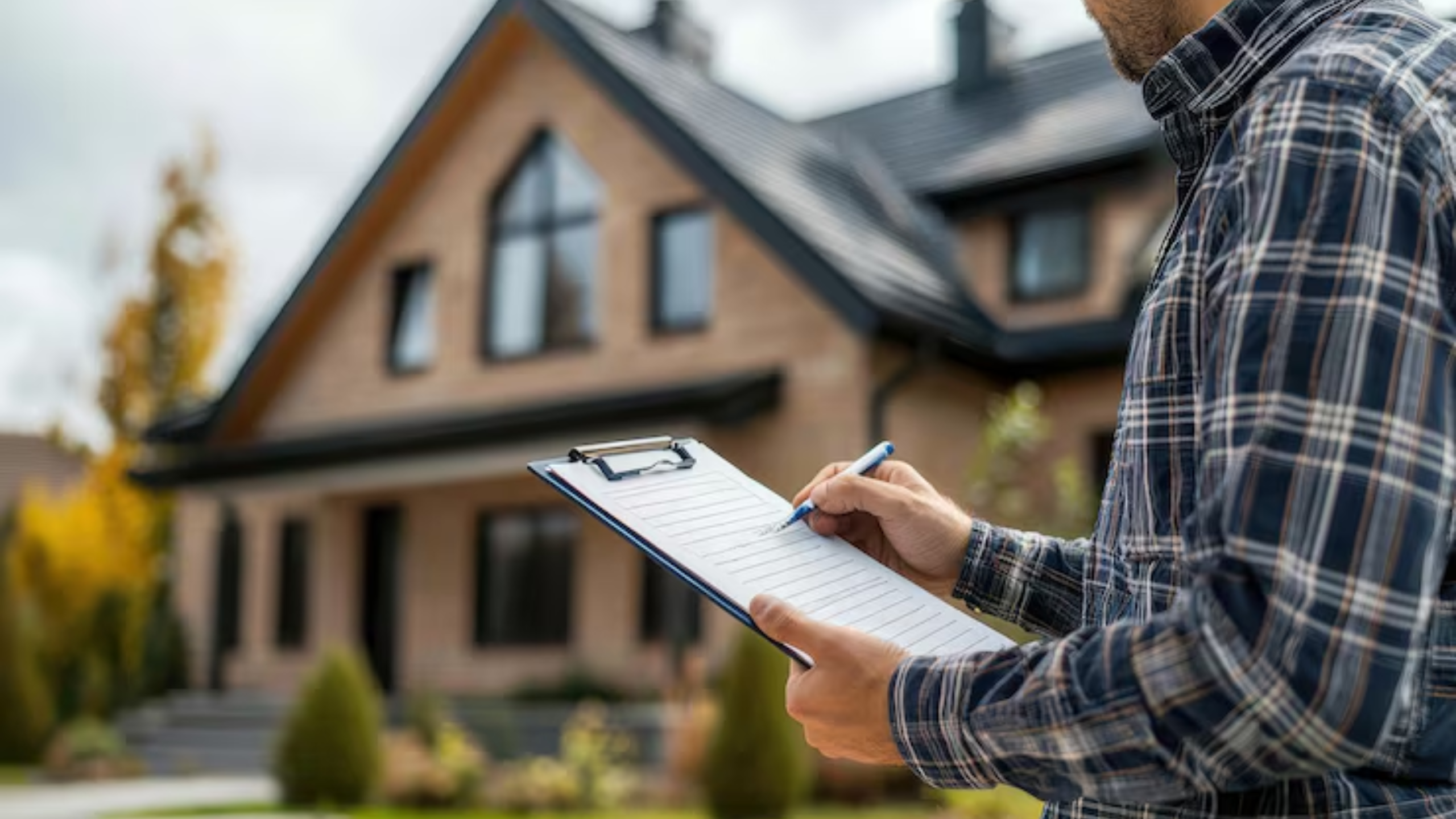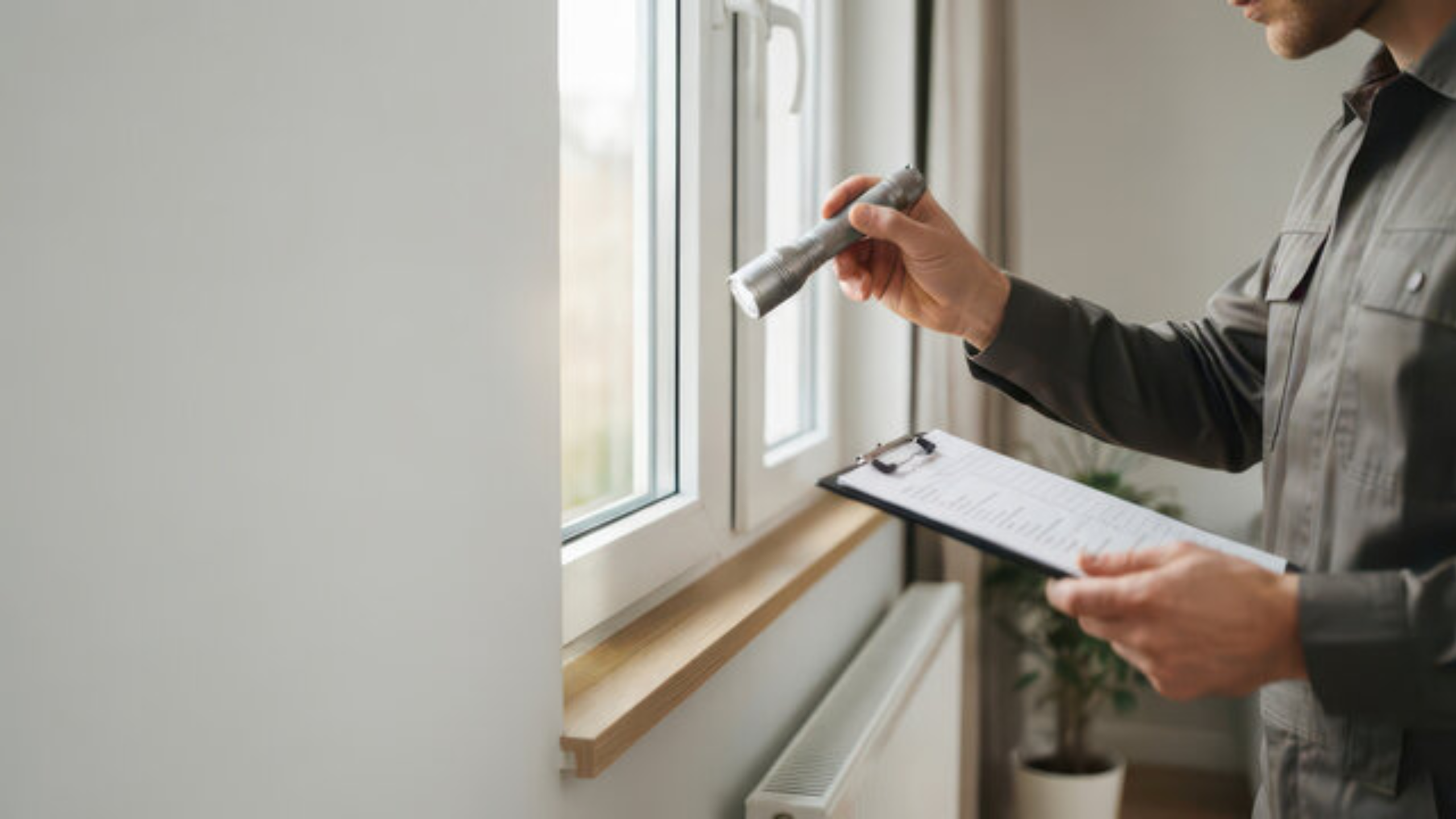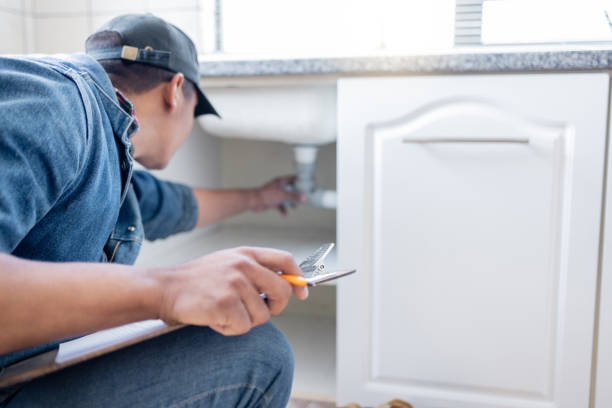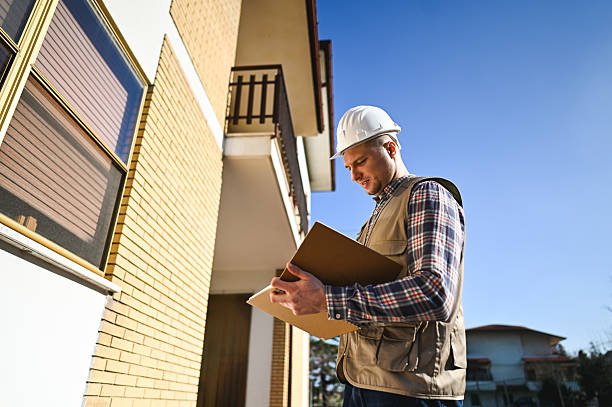
Buying a home in Acadiana is an exciting milestone, but it also comes with serious responsibilities. Beyond choosing the right neighborhood or negotiating the purchase price, buyers must fully understand the condition of the property they are investing in. A professional residential house inspection provides that clarity by identifying visible issues, safety concerns, and maintenance needs before closing. This guide explains the full inspection process for Acadiana buyers. It outlines how inspections are performed, what systems are evaluated, and why each step matters. By understanding the inspection checklist, buyers can move forward with confidence and make informed decisions that protect their long-term investment.
Why Home Inspections Are Critical for Acadiana Buyers
Acadiana homes face environmental challenges that are not always obvious during a showing. High humidity, heavy rainfall, and shifting soil can impact foundations, roofing systems, and indoor air quality over time. These regional conditions make a thorough residential house inspection especially important for buyers who want to avoid unexpected repair costs after moving in. An inspection is not designed to discourage buyers. Instead, it offers transparency. Buyers learn which issues require immediate attention, which are typical for the age of the home, and which can be addressed through routine maintenance. This knowledge allows buyers to plan financially and negotiate with clarity.
Understanding the Home Inspection Process
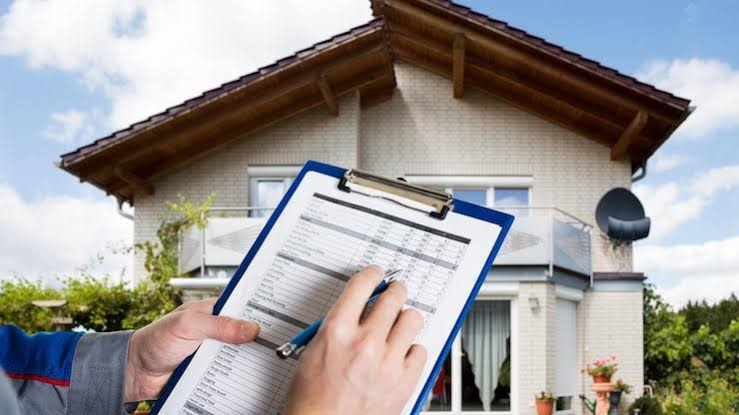
The inspection process follows a structured, methodical approach. After an offer is accepted, buyers schedule an inspection during the contingency period. A licensed inspector then evaluates the property using visual, non-invasive methods. The goal is to assess accessible components and document their condition at the time of inspection. During a residential house inspection, inspectors rely on industry standards while applying local expertise. Acadiana construction styles and climate-related risks require careful attention to moisture management, ventilation, and structural integrity. The result is a detailed report that serves as an educational tool for buyers.
Structural Components and Foundation Assessment
The foundation is one of the most important elements evaluated during an inspection. Inspectors examine visible areas for cracks, settlement, or signs of movement that may indicate structural stress. In Acadiana, expansive soils and poor drainage can contribute to foundation concerns if not properly managed. Structural framing, including beams and load-bearing walls, is also reviewed. Inspectors look for signs of deterioration, moisture exposure, or improper alterations. A detailed inspection checklist ensures these critical components are carefully examined so buyers understand the overall stability of the home.
Roofing System and Exterior Evaluation
The roof protects the home from constant exposure to the elements. Inspectors assess roofing materials, flashing, and penetrations for signs of wear, damage, or improper installation. Because Acadiana experiences frequent storms, roof condition is a major factor in long-term home protection. Exterior features such as siding, trim, windows, and doors are also evaluated. Inspectors check for rot, water intrusion, and proper sealing. These exterior components play a key role in preventing moisture from entering the home and affecting interior systems.
Plumbing Systems and Water Control
Plumbing inspections focus on visible supply and drainage components. Inspectors examine pipes, fixtures, and water heaters to identify leaks, corrosion, or outdated materials. Proper water pressure and functional drainage are essential for daily comfort and system reliability. Water management extends beyond interior plumbing. Inspectors also evaluate grading, gutters, and downspouts to ensure water flows away from the foundation. Understanding what we check in this area helps buyers recognize how moisture control protects the structure of the home.
Electrical Systems and Operational Safety
Electrical systems are evaluated with safety as the primary concern. Inspectors examine service panels, wiring, outlets, and fixtures to confirm proper operation and identify potential hazards. Outdated wiring or improper connections can increase fire risk and may require professional correction. During a residential house inspection, inspectors also verify grounding and panel labeling. These details help buyers understand whether the electrical system can safely support modern appliances and future upgrades.
Heating, Cooling, and Ventilation Systems
Acadiana’s climate makes heating, cooling, and ventilation systems essential. Inspectors evaluate HVAC equipment for visible condition, age, and basic operation. While inspectors do not perform invasive testing, they identify signs of wear or improper installation that may affect performance. Ventilation is especially important in humid environments. Proper airflow helps control moisture, prevent mold-like conditions, and improve indoor air quality. Knowing what we check in ventilation systems allows buyers to understand how comfort and efficiency are maintained throughout the home.
Interior Living Areas and Finishes
Interior spaces are inspected for signs of damage, improper repairs, or structural movement. Inspectors evaluate walls, ceilings, floors, windows, and doors for visible concerns such as cracks, stains, or uneven surfaces. These observations often reveal underlying issues that may require attention. Kitchens and bathrooms receive special focus due to their plumbing and electrical components. Inspectors assess fixtures, cabinets, and appliances for proper operation. Including these areas in the inspection checklist ensures buyers have a complete understanding of the home’s interior condition.
Attics, Insulation, and Energy Performance
The attic provides valuable insight into insulation quality, ventilation, and roof structure. Inspectors check insulation levels, airflow, and signs of moisture intrusion. Proper insulation and ventilation help regulate indoor temperatures and reduce energy costs. Although inspections do not replace energy audits, they often highlight opportunities for efficiency improvements. A professional residential house inspection can help buyers understand how the home manages heat, moisture, and airflow in Acadiana’s climate.
Crawlspaces and Subfloor Areas
Crawlspaces and subfloor areas are vulnerable to moisture due to ground contact and limited airflow. Inspectors assess these spaces for standing water, structural concerns, and signs of pest activity. Ventilation and insulation are also evaluated to determine how well the space is protected. Understanding what we check in crawlspaces helps buyers anticipate potential maintenance needs. Problems in these areas can impact indoor air quality and structural stability if not addressed properly.
What the Inspection Checklist Really Means
Buyers often want to know exactly what we check during an inspection. While the inspection checklist provides structure, inspections are not just about checking boxes. Inspectors evaluate how systems interact and how environmental factors affect the home as a whole. Working with a reputable home inspection company ensures buyers receive clear explanations rather than alarming conclusions. The goal is education, allowing buyers to prioritize repairs and understand the true condition of the property.
Reviewing and Using the Inspection Report
After the inspection, buyers receive a detailed report documenting findings, photos, and recommendations. This report explains observed conditions and highlights safety or functional concerns. Understanding how to interpret the report helps buyers make informed decisions. A residential house inspection report can be used to negotiate repairs, request credits, or plan future maintenance. It serves as a valuable reference long after the purchase is complete.
Choosing a Local Inspection Professional
Local experience matters when selecting an inspector. Professionals familiar with Acadiana’s climate and construction practices bring added insight to the inspection process. Buyers searching for home inspection Lafayette LA services benefit from working with inspectors who understand regional risks. A trusted home inspection company prioritizes clear communication, thorough reporting, and buyer education. This approach ensures buyers feel confident throughout the transaction.
The Long-Term Value of a Residential Inspection
A residential house inspection is one of the most important steps in the home-buying process. It protects buyers from unexpected expenses and helps them understand the responsibilities of ownership. By learning what inspectors evaluate and why it matters, buyers gain confidence in their investment. For Acadiana homebuyers, a detailed inspection provides peace of mind. It confirms whether the home is a sound investment and helps buyers move forward with clarity and assurance.
Conclusion
Buying a home is a major financial and emotional decision. A professional inspection provides buyers with the information they need to make that decision wisely. Understanding the inspection process, the inspection checklist, and the findings allows buyers to approach closing with confidence. For those seeking home inspection Lafayette LA services, choosing an experienced local professional ensures regional factors are properly considered. A thorough inspection is not about perfection, but about informed ownership and long-term security.
Frequently Asked Questions
- How long does a residential inspection usually take? Most inspections take between two and four hours, depending on the size and condition of the home.
- Should buyers attend the inspection? Yes, attending allows buyers to ask questions and better understand what we check during the process.
- Are cosmetic issues included in the inspection report? Inspectors document visible defects, but the focus is on safety, function, and structural condition rather than cosmetic preferences.
- Can inspection findings affect the purchase agreement? Yes, buyers often use inspection results to negotiate repairs or credits before closing.
- Is a home inspection required to purchase a house? While not legally required, a professional residential house inspection is strongly recommended for buyer protection.