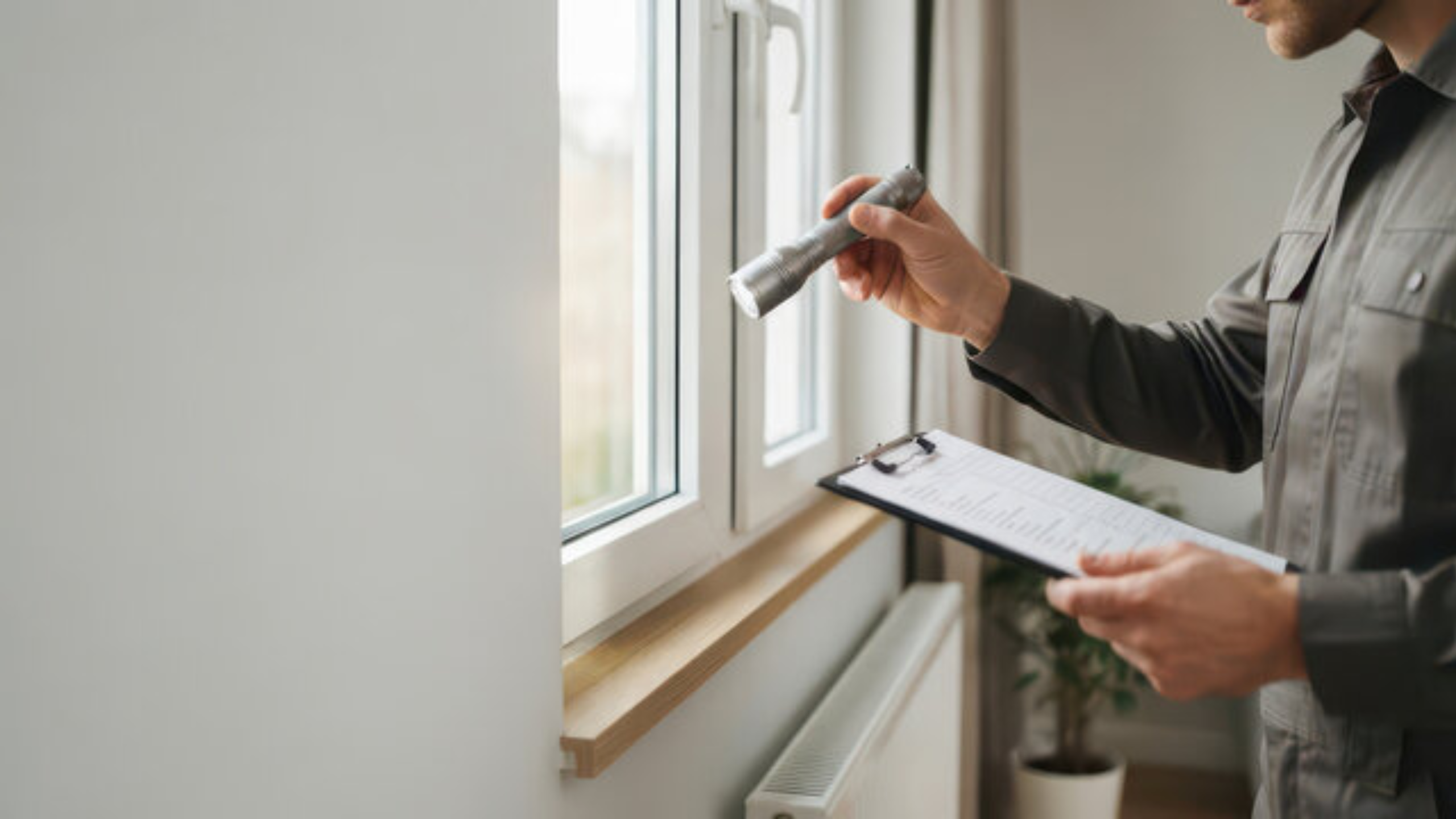
Buying a home in Lafayette, LA is a major investment, and a professional inspection can help buyers understand the property’s condition before closing. One common question buyers ask is, can a home fail an inspection? The answer is that a standard home inspection does not usually give a property a simple pass or fail result.
Instead, an inspection identifies visible and accessible conditions that may affect the home’s safety, function, maintenance, or future repair needs. The inspector documents defects and concerns so buyers can make informed decisions about the property.
Understanding the difference between a pass or fail inspection and an evaluation of property conditions can help buyers interpret their inspection report more effectively. The goal is not to find a perfect home. The goal is to understand what you are buying.
Why a Home Inspection Does Not Simply Pass or Fail a Property
A home inspection is different from an exam where a property receives a passing or failing grade. Homes naturally have defects, aging components, maintenance needs, and other conditions that can appear during an inspection.
The inspector evaluates the condition of accessible components and reports the findings. Some findings may be minor maintenance items, while others may involve significant safety, structural, plumbing, electrical, roofing, or HVAC concerns.
This means home inspection pass or fail is not usually the right way to think about the inspection process. Instead, buyers should consider what problems were found, how serious they are, and whether they are comfortable addressing those conditions.
A property can have several inspection findings and still be a suitable purchase for a buyer. Another property with fewer findings may have one significant issue that requires careful consideration.
What Happens During a Lafayette Home Inspection?
A professional home inspection involves evaluating many accessible areas and systems throughout the property. Depending on the inspection scope, this can include the roof, exterior, foundation, structure, plumbing, electrical system, HVAC equipment, attic, interior areas, and other components.
The inspector looks for observable conditions that may affect the property. These findings are documented in the inspection report so buyers have a clearer understanding of the home’s current condition.
For Lafayette home buyers, this information can be particularly useful when evaluating older properties, homes with visible moisture concerns, or properties with aging systems.
An inspection is not intended to predict every future problem. It provides a professional assessment of observable conditions at the time of the inspection.
Common Inspection Defects Found in Homes
Most homes have some type of defect or maintenance concern. The presence of an issue does not automatically mean the property should not be purchased.
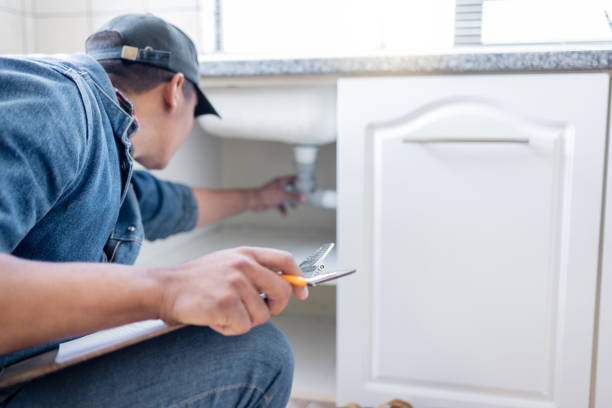
Common inspection defects can include damaged roofing materials, drainage concerns, plumbing leaks, electrical deficiencies, HVAC problems, moisture intrusion, deteriorated exterior materials, foundation concerns, and damaged or improperly functioning components.
The severity of each finding is important. A minor maintenance recommendation is very different from a condition that could affect structural integrity or create a safety concern.
For example, a small area of deteriorated caulking may require routine maintenance, while significant water intrusion may require further investigation and repair.
This is why buyers should review the details of each finding instead of focusing only on how many issues appear in the report.
Do Inspection Defects Mean You Should Not Buy the Home?
Not necessarily. The decision depends on the specific condition, the estimated cost of repairs, the buyer’s budget, the property’s overall value, and the terms of the purchase agreement.
Some buyers may be comfortable purchasing an older home that requires maintenance or repairs. Others may prefer a property that requires fewer immediate improvements.
When significant conditions are discovered, buyers may discuss possible options with their real estate professional. Depending on the circumstances and purchase agreement, those options may include requesting repairs, negotiating a credit, obtaining additional evaluations, or reconsidering the purchase.
The inspection itself does not make that decision for the buyer. Its purpose is to provide information that supports the buyer’s decision-making process.
How Buyers Should Read Property Inspection Results
After receiving an inspection report, buyers should focus on understanding the significance of the findings rather than simply counting defects.
When reviewing property inspection results, consider whether a condition affects safety, structure, major systems, water management, or the overall function of the property.
It can also be helpful to determine whether a finding requires immediate attention or represents routine maintenance. Some findings may also require evaluation by a qualified specialist, such as a licensed electrician, plumber, HVAC professional, or structural specialist.
Buyers should ask questions when a finding is unclear. Understanding what the inspector observed and why it may matter can make the report much easier to use when making a purchasing decision.
Serious Conditions That May Require Further Evaluation
Some inspection findings deserve additional attention because they can involve substantial repair costs or potential safety concerns.
Examples may include significant foundation movement, active water intrusion, major roof deterioration, unsafe electrical conditions, substantial plumbing problems, or HVAC systems that are not operating properly.
When an inspector identifies a condition that falls outside the scope of a standard home inspection, the report may recommend further evaluation. This does not automatically mean the property has failed. It means additional information may be necessary before the buyer can fully understand the condition.
For example, a visible foundation concern may require assessment by an appropriate structural professional. A suspected plumbing defect may require evaluation by a licensed plumber.
Additional inspections can help buyers determine the extent of a problem and understand potential repair requirements.
Does an Older Home Have a Higher Chance of Inspection Problems?
Older homes may have more maintenance needs simply because their components have been exposed to years of use and environmental conditions. Older properties may have aging roofing, plumbing, electrical, HVAC, windows, foundations, or other systems.
However, age alone does not mean a home has serious problems.
A well-maintained older home can be in good condition, while a newer home can still have installation defects or maintenance concerns. The actual condition of the property is more important than its age.
This is one reason a professional inspection can be valuable for buyers. It provides information about observable conditions instead of relying only on the home’s appearance or age.
Can a Buyer Walk Away Because of Inspection Findings?
Inspection findings can influence a buyer’s decision, but the available options depend on the purchase agreement and applicable circumstances.
A buyer may discover conditions that change their understanding of the property. For example, an inspection may identify repairs that were not obvious during the initial showing.
Depending on the agreement, buyers may have opportunities to negotiate repairs or other terms with the seller. Buyers should discuss their contractual rights and options with their real estate professional.
The inspector’s role is to document conditions. The buyer, together with their advisors, decides how those findings affect the purchase.
Why a Professional Inspection Matters for Lafayette Home Buyers
A professional inspection gives buyers an opportunity to learn more about a property’s condition before completing a major purchase.
Select Inspections provides home inspection services for buyers in Lafayette, helping them understand observable conditions throughout the property. A buyer-focused inspection can provide useful information about the home’s major components and potential maintenance concerns.
A professional inspection is especially valuable when buyers want an independent assessment instead of relying only on the seller’s disclosures or a visual walkthrough.
The purpose is not to identify a home that has absolutely no defects. Few properties meet that standard. Instead, the inspection helps buyers understand which conditions are present and which ones may require attention.
For more information about the inspection process, buyers can explore the buyers home inspection service from Select Inspections.
What Buyers Should Do After an Inspection
Once the inspection is complete, buyers should carefully review the report and prioritize the findings.
Start with conditions involving safety, structure, water intrusion, major systems, or potentially expensive repairs. Then consider routine maintenance items and smaller defects.
If the report recommends additional evaluation, buyers should consider obtaining the appropriate professional assessment before making a final decision.
It is also important to avoid assuming that every defect requires immediate replacement. Some conditions may be repairable, while others may simply require monitoring or routine maintenance.
The purpose of reviewing the report is to understand the property clearly and determine whether its condition is acceptable based on the buyer’s circumstances.
Conclusion
So, can a home fail an inspection? A standard home inspection does not normally give a property a simple pass or fail result. Instead, it identifies observable conditions, defects, safety concerns, maintenance needs, and other issues that buyers should understand before purchasing.
The presence of inspection defects does not automatically make a home a bad purchase. What matters is the type and severity of the findings, the potential repair requirements, and whether the property still meets the buyer’s needs and expectations.
By carefully reviewing property inspection results and obtaining additional evaluations when necessary, home buyers can make more informed decisions about their investment. A professional inspection gives buyers valuable information about the property’s current condition and helps them move forward with greater confidence.
Get in touch with Select Inspections to schedule a home inspection in Lafayette, LA and learn more about the condition of the property before you buy.
Frequently Asked Questions
1. Can a home fail an inspection?
A standard home inspection does not normally result in a pass or fail grade. Instead, the inspector documents visible and accessible conditions, defects, safety concerns, and maintenance needs for the buyer to review.
2. What does it mean when a home has many inspection defects?
Several inspection defects do not automatically mean a home is unsuitable. Buyers should consider the type, severity, location, and potential cost of each issue rather than simply counting the number of findings.
3. What are property inspection results?
Property inspection results are the findings documented by the inspector after evaluating accessible areas and components of a property. They may include information about the roof, structure, plumbing, electrical system, HVAC, exterior, interior, and other components.
4. Does a home inspection tell me whether I should buy the property?
No. The inspector provides information about observable property conditions but does not decide whether a buyer should purchase the home. Buyers can use the inspection findings with their real estate and other professional advisors to make their decision.
5. Can I negotiate repairs after a home inspection?
Depending on the purchase agreement and circumstances, buyers may be able to discuss repairs, credits, or other terms with the seller. Buyers should consult their real estate professional regarding their specific options.