
Buying a home is a major financial decision, and understanding the property’s condition before closing can help you avoid unexpected problems. A home inspection report gives buyers a detailed record of the visible and accessible conditions identified during a professional inspection.
The report can help you understand the condition of major home systems, identify safety concerns, recognize repairs that may need attention, and determine whether additional evaluation is appropriate. It can also give you useful information when discussing property conditions with your real estate agent and the seller.
For home buyers, knowing how to read an inspection report is just as important as scheduling the inspection itself. Understanding the findings allows you to separate urgent concerns from routine maintenance and make a more informed decision about the property.
What Is a Home Inspection Report?
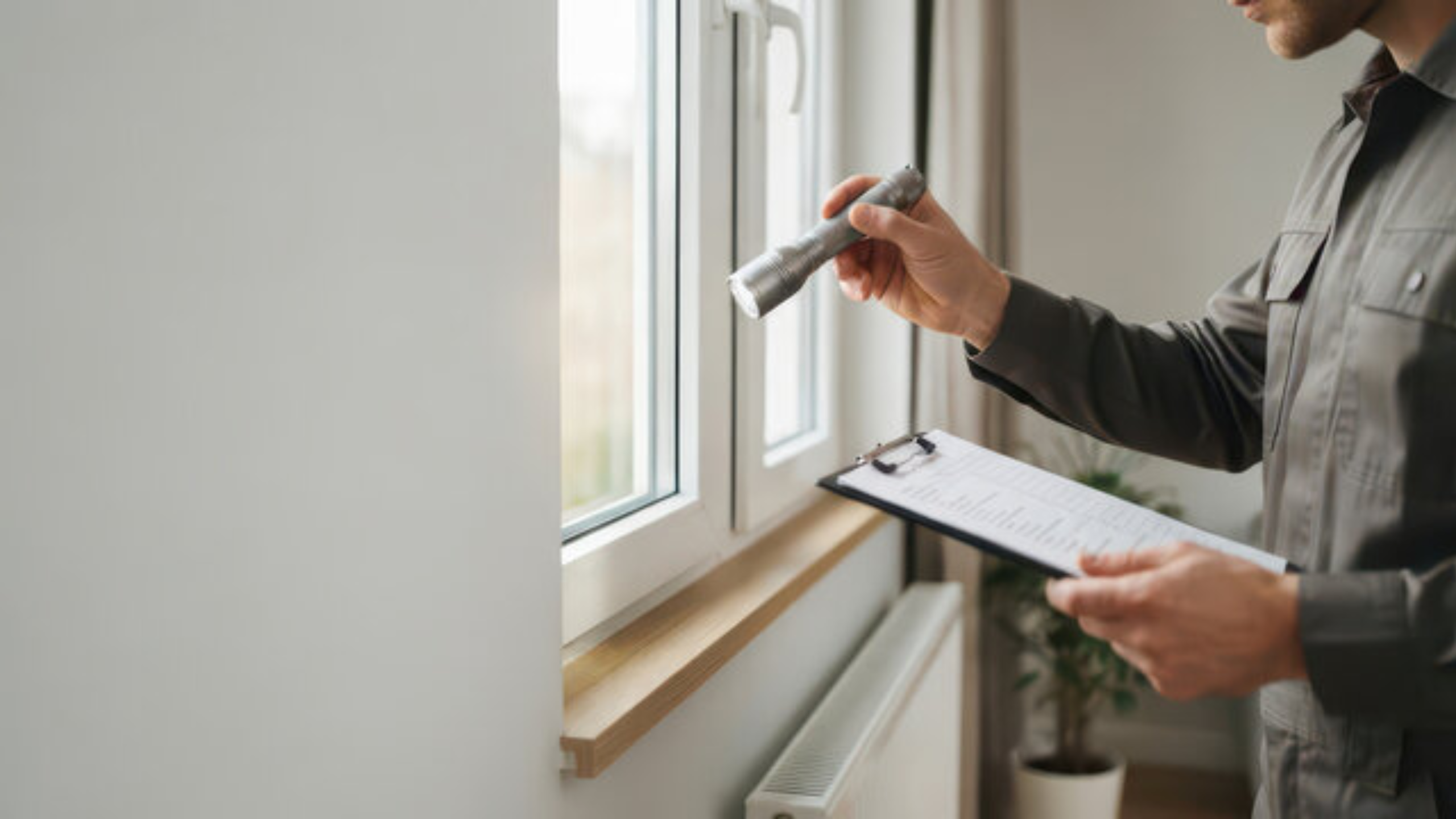
A home inspection report is a written record of an inspector’s observations about the accessible components and systems of a property. Depending on the inspection, it may cover the roof, foundation, structure, electrical system, plumbing, HVAC equipment, attic, exterior, interior, and other visible areas.
Select Inspections provides detailed digital reports with photographs and findings to help buyers understand the condition of a property. Its buyer inspection service is designed to identify defects before closing and provide buyers with useful information about the home.
An inspection report is not simply a list of everything that could ever require maintenance. It documents conditions observed during the inspection and may include recommendations for repairs, monitoring, maintenance, or further evaluation.
What Does a Home Inspection Report Tell You?
The most important information in an inspection report is what the findings mean for the home’s safety, function, condition, and future maintenance.
A report can help answer several important questions about a property.
Is a major system showing signs of deterioration? Are there safety concerns that need attention? Are there visible signs of moisture or water intrusion? Does a component require repair or further evaluation? Which findings should be addressed first?
Reviewing the report with these questions in mind can make it easier to understand the property’s overall condition.
Understanding Home Inspection Findings
Home inspection findings are not all equally important. A report may contain several observations, but each one should be considered based on its severity, location, function, and potential impact.
For example, a minor maintenance recommendation is different from a significant electrical safety concern. Likewise, normal wear on an older component is different from a defect that affects its ability to operate safely.
Buyers should read the description of each finding and review any photographs provided. If a recommendation is unclear, asking the inspector for an explanation can help you understand what was observed and why additional attention may be recommended.
An education-first approach can be particularly helpful because technical inspection terminology can otherwise make a report difficult to interpret. Select Inspections states that it focuses on explaining findings clearly rather than overwhelming clients with technical language.
Safety Concerns in an Inspection Report
Safety-related findings should receive careful attention when reviewing a property inspection report.
Depending on the property, an inspection may identify concerns involving electrical components, stairs and railings, structural elements, roofing, plumbing, or other accessible areas. The report should explain the observed condition and may recommend correction or evaluation by a qualified professional.
A safety concern does not automatically mean the entire property is unsafe. The significance depends on the specific condition and circumstances.
If an inspection report recommends evaluation by a licensed electrician, plumber, contractor, or another specialist, buyers should consider obtaining that additional assessment before making a final decision.
How to Identify Major Repair Priorities
One of the most useful things a buyer can do after receiving an inspection report is organize the findings by priority.
Start with conditions that could affect safety or cause significant property damage. Structural concerns, active water intrusion, major electrical defects, serious plumbing problems, and significant roof issues may require more immediate attention.
Next, review problems involving major systems such as HVAC, plumbing, electrical equipment, and other components that could involve substantial repair or replacement costs.
Finally, consider routine maintenance and minor repairs. These issues are still useful to know about, but they may not require the same immediate response as major defects or safety concerns.
The purpose of prioritizing findings is not to ignore smaller problems. It is to understand which issues deserve attention first.
What Inspection Results Can Tell You About Major Systems
A professional inspection can provide useful information about the observed condition of major components throughout the home.
The roof inspection may identify visible damage, deterioration, installation concerns, or other conditions that warrant attention. The foundation and structural inspection can document observable signs of movement or other concerns.
Plumbing and electrical inspections can identify accessible defects and functional concerns. HVAC evaluation can provide information about the observable condition and operation of heating and cooling equipment.
Select Inspections notes that its residential inspections cover systems including roofing, foundation, HVAC, electrical, plumbing, and attic areas.
The report does not necessarily predict exactly when a component will fail. Instead, it gives buyers information about the condition observed during the inspection.
Does an Inspection Report Tell You What Repairs Will Cost?
An inspection report can identify conditions that may require repair, but buyers should not assume that the report provides an exact repair price.
The cost of correcting a problem depends on factors such as the extent of the damage, materials, labor, accessibility, local costs, and the repair method selected.
If a report identifies a potentially expensive concern, buyers can seek estimates from appropriately qualified contractors or specialists. This can provide a better understanding of the potential financial impact.
For example, if an inspection identifies a significant roofing concern, a roofing contractor may be able to evaluate the condition in greater detail and provide a repair or replacement estimate.
Can Inspection Findings Affect Your Home Purchase?
Yes. Inspection findings can provide information that may influence how a buyer approaches the purchase.
When significant issues are identified, buyers may discuss the findings with their real estate agent and determine what options are available under the purchase agreement. Depending on the circumstances, buyers may consider requesting repairs, negotiating a credit, discussing a price adjustment, or deciding whether the property remains suitable for their needs.
The inspection report provides documentation of the observed conditions, but buyers should discuss contract and negotiation questions with the appropriate real estate or legal professionals.
The important point is that an inspection gives buyers more information before they complete a major financial commitment.
What Should You Do After Receiving Your Inspection Report?
Start by reading the summary and identifying findings that involve safety, major defects, water intrusion, structural concerns, or significant systems.
Then review the detailed sections and photographs supporting those findings. Look carefully at recommendations for repair, monitoring, maintenance, or further evaluation.
If a finding could involve a substantial repair, consider obtaining a professional estimate or specialist evaluation. This can help you understand the issue more accurately before making decisions.
You should also discuss important findings with your real estate agent, particularly if you are still within your inspection or due diligence period.
Most importantly, do not assume that a report with many findings means the home is in poor condition. Older homes can naturally have more maintenance observations. What matters is understanding which findings are significant and what action they may require.
Why the Inspection Report Matters to Home Buyers
A home inspection report gives buyers information that may not be apparent during a showing or walkthrough.
A property can look well maintained while still having concerns involving the roof, foundation, plumbing, electrical system, HVAC equipment, moisture, or other accessible components. A professional inspection provides a more detailed assessment of these areas.
For Lafayette home buyers, local environmental conditions can also be relevant. Select Inspections highlights humidity, heavy rainfall, storm-related risks, and expansive Louisiana soil as factors that can affect local properties.
Understanding the inspection results allows buyers to make decisions based on documented conditions rather than appearance alone.
Conclusion
A home inspection report helps buyers understand the observed condition of a property before completing a purchase. It can identify safety concerns, major defects, maintenance needs, and conditions that may require further evaluation.
The key is to focus on the importance of each finding rather than simply counting the number of issues in the report. Safety concerns, structural problems, water intrusion, and significant defects in major systems should generally receive careful attention before routine maintenance items.
By reviewing the report carefully, asking questions, obtaining specialist evaluations when necessary, and discussing significant findings with the appropriate professionals, buyers can better understand the property and make informed decisions before closing.
If you are buying a home in Lafayette, LA and want to better understand the property’s condition before closing, get in touch with Select Inspections to schedule a professional home inspection.
Frequently Asked Questions
1. What is the purpose of a home inspection report?
A home inspection report documents the inspector’s observations about the accessible condition of a property. It helps buyers understand potential defects, safety concerns, maintenance needs, and areas that may require further evaluation.
2. Does a home inspection report list every problem with a house?
No. A home inspection is generally a visual evaluation of accessible areas and components. Hidden or inaccessible conditions may not be identified. The report documents conditions observed during the inspection.
3. What should I look for first in an inspection report?
Start with safety concerns, structural issues, water intrusion, and significant defects involving major home systems. Then review routine maintenance and minor repair recommendations.
4. Does an inspection report include repair costs?
An inspection report can identify conditions that may need repair, but it does not necessarily provide contractor pricing. Buyers may obtain estimates from qualified professionals when a significant repair is identified.
5. Can I negotiate repairs based on an inspection report?
Inspection findings can provide useful information for discussions about property conditions. Depending on the purchase agreement and circumstances, buyers may discuss repairs, credits, or other options with their real estate agent.