Water around a home may seem harmless after a rainstorm, but poor drainage can cause problems over time. One common issue is water runoff from the driveway. When water is not moved away from the property, it can collect near the foundation and slowly cause damage to the building.
Many drainage problems happen little by little. Homeowners may not see any warning signs at first. Over time, cracks and other signs of damage may start to appear. Understanding how driveway drainage works and scheduling a driveway drainage inspection can help homeowners find problems early and avoid expensive repairs.
A driveway drainage inspection helps identify areas where water is not draining properly. It can also reveal signs of water buildup near the foundation before larger problems develop.
What Is Water Runoff?
Water runoff is water from rain or other sources that flows across the ground instead of going into the soil. Hard surfaces like driveways, sidewalks, and patios do not allow water to soak in easily. Because of this, water moves across these surfaces and collects in lower areas.
During heavy rain, a driveway can create a large amount of runoff. If the driveway is not built with proper drainage, water may flow toward the house instead of away from it. This can leave the foundation exposed to too much water for long periods.
Water runoff can also come from sprinklers, roof drainage, and melting snow. When water keeps collecting near the foundation, it can increase the chance of damage over time.
A driveway drainage inspection can help find areas where water is not draining properly. Finding these issues early can help protect the foundation and prevent bigger problems in the future.
How Driveway Drainage Works
Driveway drainage helps move water away from your home. A well-built driveway has a gentle slope that allows water to flow toward a drainage area instead of staying on the surface.
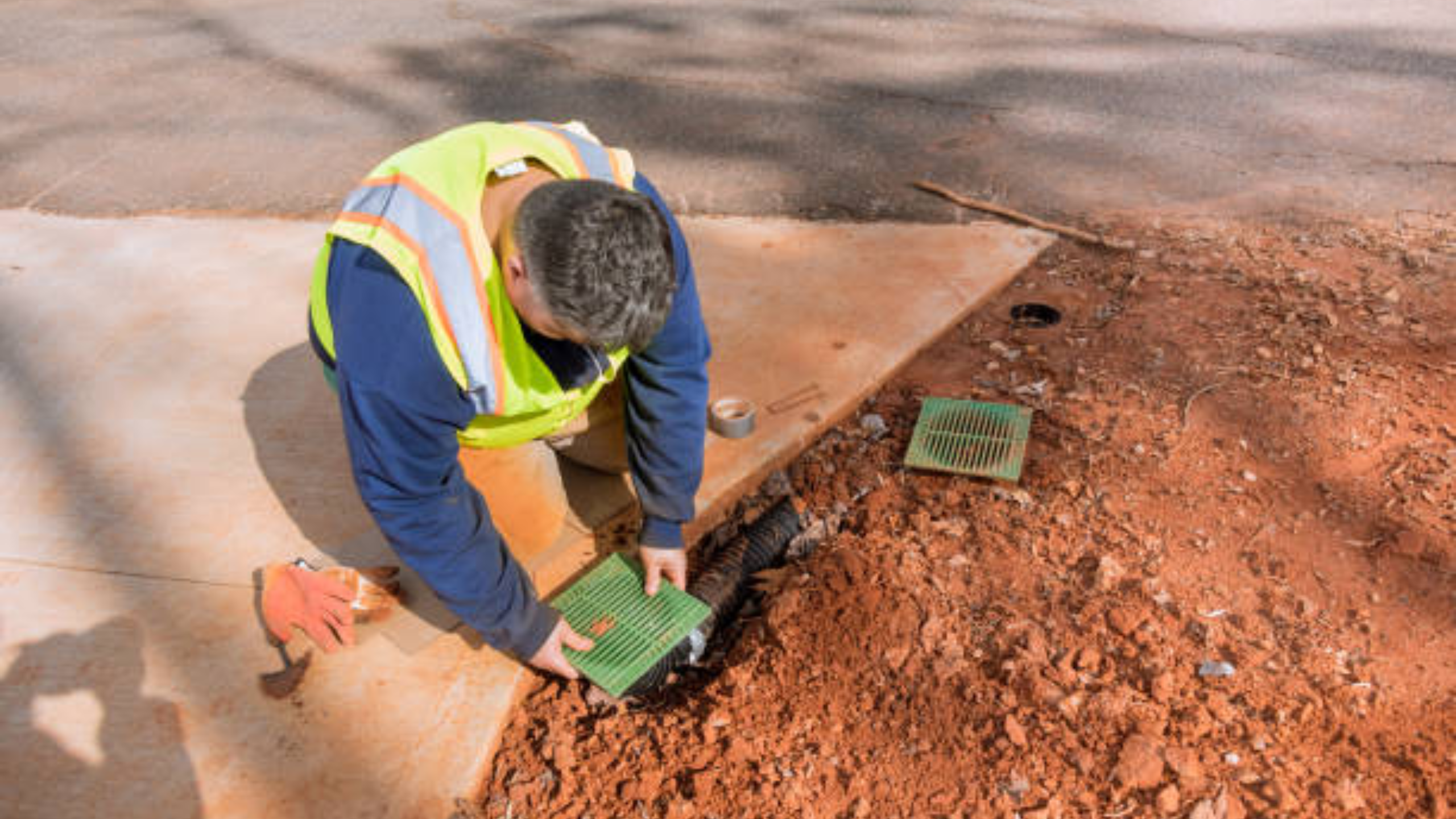
Drainage systems can include drains, channels, and collection areas that help carry water away. These features help stop water from sitting on the driveway or collecting near the foundation.
When the drainage system works properly, water flows away soon after it rains. Problems can happen when drains become blocked, damaged, or were not installed correctly.
Signs of Driveway Drainage Problems
One of the easiest signs to see is standing water on the driveway. If water stays on the surface for a long time after rain, there may be a drainage problem.
Standing water often means the driveway has low areas where water collects. Over time, these spots can get worse and cause more damage.
Another common sign is soil being washed away near the driveway. Flowing water can remove soil and make the ground uneven. In some cases, the soil may move away from the foundation, creating spaces where water can gather.
Cracks in the driveway can also be a sign of drainage problems. Water can make the soil under the driveway weak, causing parts of the surface to move or sink. As this happens, cracks may start to form.
Homeowners may also see wet areas near the foundation after rain. Mud, standing water, or soil that stays wet for a long time can be a sign that water is not flowing away from the home as it should.
How Water Runoff Affects Foundations
The foundation holds up the entire building. When water keeps collecting around it, the soil under and around the foundation can change.
Soil gets bigger when it becomes wet and gets smaller when it dries. These changes can cause the ground to move. When the ground moves, it can put pressure on the foundation and cause it to shift over time.
As the soil changes, some parts of the foundation may have stronger support than others. This can cause one area of the foundation to sink lower than another.
When this happens, cracks may appear in walls, ceilings, and floors. Doors and windows may also become harder to open or close properly because the building is no longer even.
Water can also get into cracks in the foundation. Once water enters these cracks, the damage can become worse. During heavy rain, more water may enter the cracks and create bigger problems.
Basement and Crawl Space Moisture Problems
Poor driveway drainage can affect more than just the foundation. It can also cause moisture problems in basements and crawl spaces.
When water collects around the foundation, it can move into lower parts of the home. Even a small amount of moisture can cause problems if it stays there for a long time.
Wet areas can lead to mold growth. Mold can damage parts of the home and create unpleasant smells. Many homeowners notice a damp or musty smell before they see any visible signs of moisture.
Too much moisture can also affect wood and insulation. These materials may become weak and damaged after being exposed to water for a long time.
A professional home inspection can help identify moisture problems and drainage concerns before they become more serious. Keeping water away from the foundation is one of the best ways to help protect basements and crawl spaces from moisture damage.
Other Problems Caused by Poor Drainage
Driveway drainage problems can affect more than just the foundation. Landscaping is often one of the first areas to experience damage.
Water runoff can wash away soil, expose roots, and damage plants. Areas of the yard may become uneven or difficult to maintain.
Walkways and patios can also suffer from poor drainage. Water may weaken the ground beneath these surfaces, causing them to crack or sink. Uneven surfaces can become safety hazards for family members and visitors.
Property owners may also face higher maintenance costs. Small drainage issues often become larger and more expensive when left untreated. Addressing problems early is usually less costly than repairing foundation damage later.
Common Causes of Driveway Drainage Problems
One of the most common causes is an incorrect driveway slope. If the driveway directs water toward the home, runoff will naturally collect near the foundation.
Poor installation practices can also contribute to drainage issues. A driveway that was not designed with proper grading may struggle to move water effectively.
Blocked drains are another frequent problem. Leaves, dirt, and debris can build up inside drainage systems and prevent water from flowing freely. When drains become clogged, water often backs up onto the driveway.
Damage to drainage systems can create similar issues. Cracked drain channels, broken pipes, and damaged catch basins may reduce the system’s ability to handle water.
Changes to the surrounding landscape can also affect drainage patterns. New structures, added landscaping features, or natural soil movement may redirect water toward areas where it was not previously collecting.
How Property Inspections Help Identify Drainage Issues
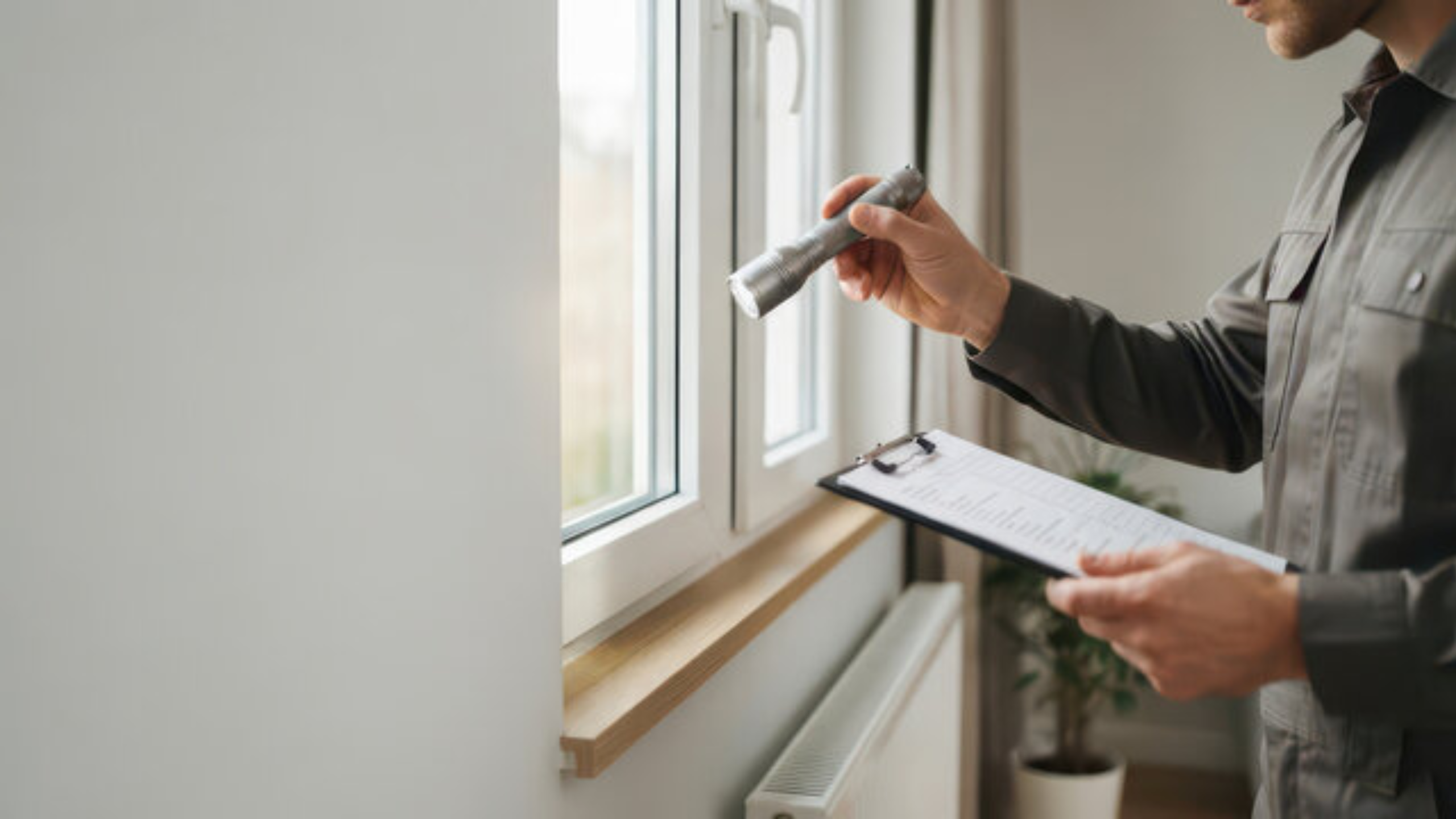
Property inspections play an important role in finding drainage problems before serious damage occurs. Inspectors evaluate how water moves around the property and look for signs of foundation stress.
During an inspection, areas around the driveway, foundation, and drainage systems are carefully examined. Inspectors may look for standing water, soil erosion, cracks, settlement, and moisture-related concerns.
An inspection can help property owners understand whether current drainage systems are performing properly. It can also identify conditions that may lead to future problems if not addressed.
Early detection is one of the biggest benefits of a professional inspection. Finding drainage issues before major structural damage develops can save time, money, and stress.
Ways to Improve Driveway Drainage
Improving driveway drainage usually starts by fixing the slope of the driveway. Water should always flow away from the home, not toward it.
Sometimes, extra drainage systems are needed. Drain channels, catch basins, and underground pipes can help collect water and move it away from the property.
Regular care is also important. Drains should be cleaned often to remove leaves, dirt, and other debris that can block water flow.
Roof drainage should also be checked. Gutters and downspouts help carry water away from the home. Keeping them clean and making sure downspouts extend away from the foundation can help reduce water near the house.
Homeowners should also watch how water moves after heavy rain. Seeing where water collects can help find problem areas that need fixing.
Tips to Prevent Future Drainage Problems
Preventing drainage problems needs regular care. Homeowners should check their driveway and nearby areas a few times every year.
Standing water should not be ignored. Even small puddles can be a sign of early drainage problems.
Keep drains clean and make sure gutters are working well so water can flow away from the home. Fix small problems quickly before they get worse.
Regular property checks can also help understand the condition of the foundation and drainage system. These checks can find problems early before they cause serious damage.
Conclusion
Driveway drainage problems may look small at first, but they can cause serious damage to a home’s foundation over time. When water from the driveway collects near the foundation, it can slowly move the soil, cause sinking, create cracks, and let moisture enter the building.
Signs like standing water on the driveway, soil washing away, cracks in the driveway, and wet areas near the home should be fixed quickly. Good drainage systems, regular cleaning, and simple checks can help prevent these problems. Getting a professional inspection can also help find issues early.
Select Inspection helps homeowners understand the condition of their property by finding drainage problems and signs of foundation movement. Fixing these issues early can help protect your home, lower repair costs, and keep the building safe for a long time.
If you need help or want an inspection, contact us today.
Frequently Asked Questions
1. How can driveway drainage affect a foundation?
Poor driveway drainage can allow water to collect near the foundation. Over time, this can cause soil movement, foundation cracks, and settlement issues.
2. What are the signs of a driveway drainage problem?
Common signs include standing water, soil erosion, driveway cracks, wet areas near the foundation, and uneven surfaces.
3. Can water runoff cause foundation cracks?
Yes. Excess water can change the moisture level of the soil around the foundation, which may lead to movement and cracking.
4. How often should driveway drainage be inspected?
It is a good idea to inspect driveway drainage at least once or twice a year and after heavy rainstorms.
5. Can a property inspection identify drainage issues?
Yes. A professional inspection can identify drainage problems, water pooling, foundation concerns, and other conditions that may affect the property.