
Bathrooms are one of the most common places where moisture problems can happen in a building. Every day, showers, baths, and sinks add moisture to the air. If this moisture is not removed properly, it can stay on walls, ceilings, and other surfaces. Over time, this can lead to mold growth and damage to the bathroom.
Many moisture and mold problems start in areas that are difficult to see. Because of this, a professional inspection can help find problems before they get worse. A bathroom ventilation inspection helps check if the bathroom is removing moisture correctly. Select Inspection helps property owners understand the condition of their bathrooms by checking ventilation systems, looking for signs of moisture, and finding hidden mold risks.
Why Bathroom Ventilation Matters
Controlling Moisture
Bathroom ventilation helps remove moisture from the air. When warm and damp air stays in the bathroom, water can build up on walls, ceilings, mirrors, and other surfaces.
A working ventilation system helps remove moisture after showers and baths. This helps keep the bathroom dry and reduces the chance of water damage and mold growth.
Protecting Building Materials
Too much moisture can damage different parts of a bathroom. Walls can become soft, paint can start coming off, and wood can soak up water over time.
Good ventilation helps remove moisture from the room. This helps keep walls, paint, and wood in better condition. It can also help prevent damage and reduce repair costs.
Improving Indoor Air Quality
Bathrooms that stay damp for a long time are more likely to develop mold. Mold can spread through the air and lower indoor air quality.
Good ventilation helps remove extra moisture before mold starts to grow. This helps keep the bathroom cleaner and the indoor air fresher.
Common Signs of Poor Bathroom Ventilation
Excess Condensation
One of the first signs of poor ventilation is excess moisture in the bathroom. Mirrors may stay foggy after a shower. Water droplets may form on windows and walls.
These signs show that moisture is staying inside the bathroom instead of being carried outside by the exhaust fan.
Lingering Odors
Bathrooms with poor airflow may have a damp or stale smell. These smells can stay in the room even after it has been cleaned.
A smell that does not go away may be a sign that moisture is trapped in hidden areas. This trapped moisture can lead to mold growth over time.
Visible Moisture Damage
Moisture damage can show up in different ways. Paint may start to peel from walls or ceilings. Stains may appear on the ceiling. Wood trim may become swollen or change shape.
These signs often mean that moisture has been in the area for a long time.
Mold Around Bathroom Surfaces
Visible mold is another sign of a problem. Mold can grow around showers, bathtubs, windows, ceilings, and in the corners of walls.
Even if only a small amount of mold can be seen, more mold may be growing in hidden areas behind walls or other surfaces.
How Inspectors Check Bathroom Ventilation
Examining the Exhaust Fan
Inspectors start by checking the bathroom exhaust fan. They make sure the fan turns on and is working properly.
If the fan is weak, makes too much noise, or does not work correctly, it may not remove enough moisture from the bathroom.
Checking Fan Placement
The location of the fan is also important. Inspectors check if the fan is placed where it can remove steam and moisture from the bathroom.
If the fan is not in the right location, it may not remove moisture properly, even if it is working.
Inspecting Vent Ducts
The exhaust fan should be connected to ducts that move moist air outside the building. Inspectors check the ducts to make sure they are in good condition and not blocked or disconnected.
If the ducts are blocked or damaged, less air can move through them. This can cause moisture to stay inside the bathroom instead of being removed.
Verifying Exterior Venting
Inspectors also check where the vent duct sends the air. The moist air should go outside the building.
If the vent sends air into an attic or another closed area, moisture can build up there. Over time, this can cause mold to grow and may damage nearby materials.
Areas Inspectors Examine for Hidden Mold
Behind Bathroom Walls
Water leaks from sinks, toilets, showers, and other plumbing fixtures can cause moisture to build up behind walls. Because these areas cannot be seen easily, mold can grow without the homeowner knowing.
During a home inspection, inspectors check for signs of hidden moisture behind wall surfaces. They look for stains, damp areas, and other signs that may point to a moisture problem.
Above the Ceiling
The area above a bathroom ceiling can collect moisture when air cannot escape properly. This often happens when the exhaust fan is not venting air outside as it should.
Inspectors check for water marks, wet insulation, and other signs that moisture may be present above the ceiling.
Around Windows and Doors
Windows and doors can collect moisture around the edges and nearby areas. Small openings can let water get inside over time.
Inspectors check these areas for water stains, color changes, and other signs of moisture problems.
Under Bathroom Fixtures
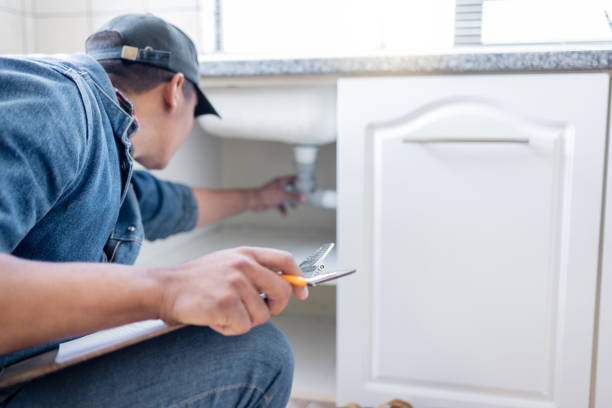
Sinks, toilets, bathtubs, and showers can have small leaks that are not easy to see during normal use.
Inspectors check around these fixtures for signs of water damage, wet areas, and mold.
Warning Signs of Hidden Mold
Musty Odors
A musty smell is often a sign of hidden mold. Even if mold is not visible, the smell may mean mold is growing behind walls, under floors, or above ceilings.
Inspectors pay attention to unusual smells during an inspection because they can help identify areas with moisture or possible mold growth.
Discoloration
Mold and moisture can change the appearance of walls and ceilings. You may notice dark spots, yellow stains, or other marks on surfaces. These signs can suggest that moisture is present in hidden areas.
Inspectors look for these changes to find areas that may need a closer inspection.
Surface Damage
When moisture stays in an area for too long, building materials can start to show damage. Paint may bubble or peel, drywall may feel soft, and surfaces may develop cracks.
These signs can indicate that water has been present for a long time.
Moisture Sources That Increase Mold Risk
Poor Ventilation
Bathrooms without proper ventilation can stay damp for a long time. When moisture stays in the air, mold can start to grow.
Even if the fan works, it may not remove enough moisture if it is too small or not used often.
Plumbing Leaks
Leaks from pipes and fixtures can cause hidden moisture problems. Small leaks may go unnoticed for a long time before they are seen.
Inspectors check for current leaks and look for signs of water damage that may have happened in the past.
Roof or Exterior Water Entry
Water can also enter from outside the building. Roof leaks and gaps around windows or exterior walls may allow moisture to reach bathroom areas.
Inspectors examine visible signs that may indicate water entry from outside sources.
Tools Inspectors May Use
Moisture Meters
Moisture meters help inspectors measure the amount of moisture inside building materials.
These tools can identify damp areas that may not show visible signs of damage.
Thermal Imaging Cameras
Thermal imaging cameras help inspectors identify temperature differences that may indicate hidden moisture.
While these cameras do not see mold directly, they can help locate areas that require further investigation.
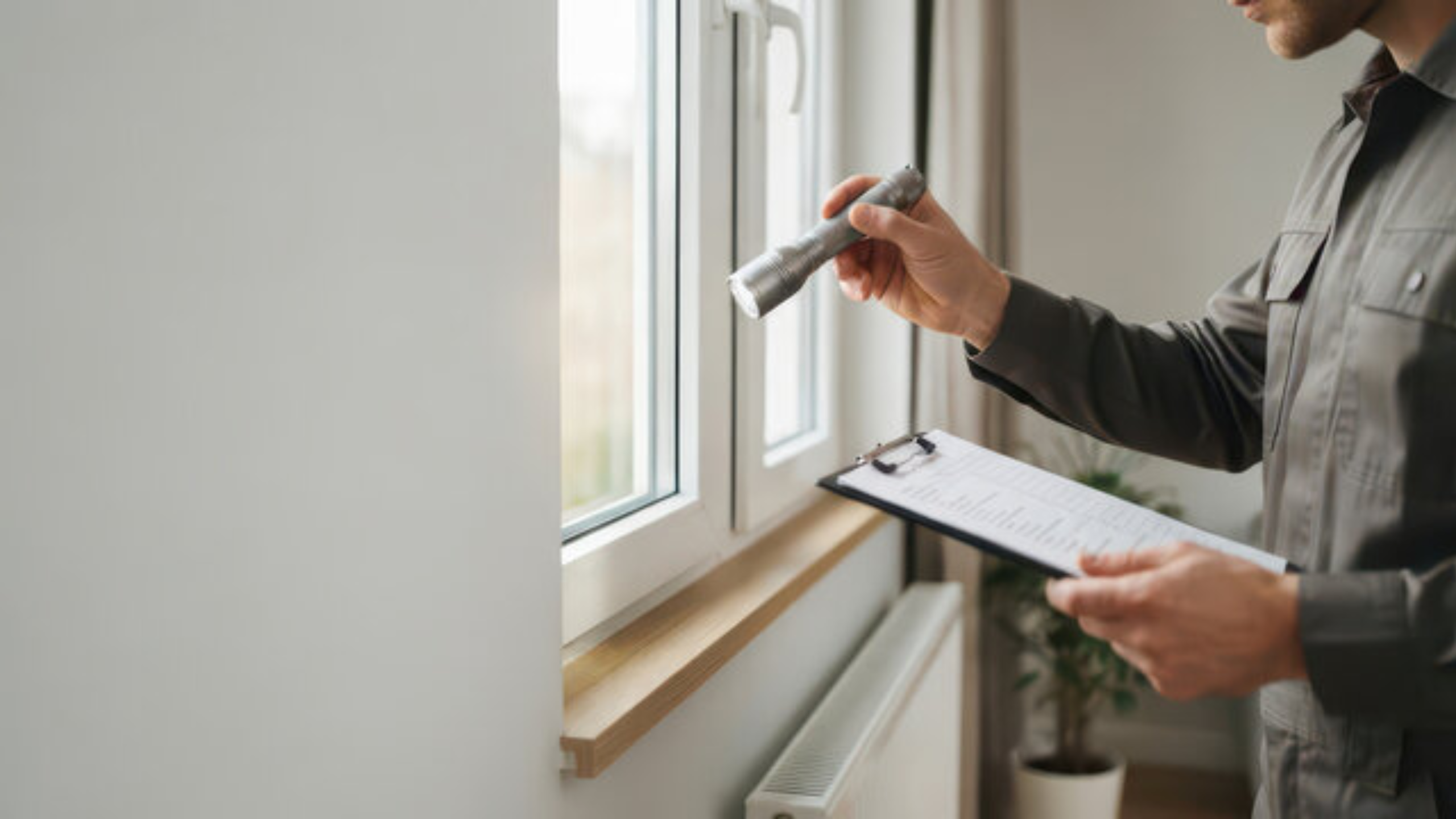
Flashlights and Visual Checks
Careful visual inspection remains one of the most important parts of the process. Inspectors use strong lighting to examine surfaces, corners, and hidden spaces.
Visible signs of moisture often provide important clues about larger problems.
Problems Caused by Hidden Mold and Excess Moisture
Damage to Building Materials
Moisture can weaken drywall, damage wood, and stain ceilings. If left untreated, repairs may become more extensive and expensive.
Indoor Air Quality Concerns
Mold growth can affect indoor air quality and create unpleasant odors throughout the property.
Identifying and addressing moisture problems early can help reduce these concerns.
Increased Repair Costs
Small moisture problems often become larger over time. Early detection allows property owners to address issues before major repairs are needed.
Ways to Improve Bathroom Ventilation
Use the Exhaust Fan Properly
Running the exhaust fan during and after showers helps remove moisture from the room.
Consistent use of the fan can reduce condensation and help keep surfaces dry.
Keep Vent Ducts Clear
Vent ducts should remain free from blockages and damage. Regular checks can help maintain proper airflow.
Address Moisture Problems Quickly
Leaks, water stains, and damaged materials should be repaired as soon as possible. Quick action can help prevent mold growth and additional damage.
Why Regular Inspections Are Important
Early Detection of Problems
Inspections can identify ventilation issues, moisture buildup, and mold risks before they become serious.
Protecting the Property
Finding problems early helps protect building materials and reduce long-term damage.
Helping Property Owners Make Informed Decisions
A professional inspection provides valuable information about the condition of the bathroom and any areas that may require attention.
Conclusion
Poor bathroom ventilation can cause moisture to build up, which may lead to hidden mold and damage to walls, ceilings, and other materials. Many of these problems happen slowly and are not always easy to see during normal daily use. Professional inspectors check bathroom fans, moisture sources, and signs of mold to find problems before they become bigger.
Select Inspection helps property owners understand the condition of their bathrooms through careful inspections. Finding ventilation and moisture problems early can help prevent further damage and reduce repair costs. If you are concerned about bathroom moisture or mold, contact us to schedule a professional inspection.
Frequently Asked Questions
1. How do inspectors check bathroom ventilation?
Inspectors examine the exhaust fan, vent ducts, airflow, and exterior venting to make sure moisture is being removed properly.
2. What are common signs of poor bathroom ventilation?
Common signs include foggy mirrors, peeling paint, musty odors, mold growth, and excess moisture on walls or windows.
3. Can mold grow even if it is not visible?
Yes. Mold can grow behind walls, above ceilings, under flooring, and in other hidden areas where moisture is present.
4. What tools do inspectors use to find hidden moisture?
Inspectors may use moisture meters, thermal imaging cameras, and visual inspections to locate moisture problems.
5. Why is bathroom ventilation important?
Proper ventilation helps remove moisture, reduce mold risks, protect building materials, and improve indoor air quality.