Introduction
Pier and beam foundations are common in many homes and commercial buildings. This type of foundation lifts the building above the ground and creates a crawl space underneath. While pier and beam foundations have many benefits, they can also face problems from movement and moisture.
Over time, soil changes, water around the foundation, and older building materials can affect how well the foundation supports the structure. Knowing about these issues can help property owners spot problems early and avoid expensive repairs. A regular structural foundation inspection can help find signs of movement, moisture damage, and other concerns before they become more serious. Regular inspections help keep the foundation in good condition and support the safety of the building above it.
What Is a Pier and Beam Foundation?
A pier and beam foundation uses support posts called piers and beams to hold up a building. The building sits above the ground instead of resting on a concrete slab.
One of the main parts of this foundation is the crawl space under the building. This space makes it easier to reach plumbing pipes, electrical wiring, and other systems. Repairs and maintenance can often be done more easily because there is access below the building.
Another benefit is better airflow under the structure. Good airflow can help keep the area dry and reduce moisture problems, helping the foundation stay in good condition for a longer time.
Why Structural Movement Happens
Structural movement is a common problem with pier and beam foundations. There are several reasons why it can happen.
The soil under the foundation changes over time. When there is a lot of rain, the soil takes in water and gets bigger. During dry weather, the soil dries out and gets smaller. These changes can make the foundation support uneven, which may cause movement.
Old materials can also cause problems. Wooden beams and supports may become weaker as they age. Years of use can make it harder for them to support the weight of the building properly.
Poor drainage around the property is another common cause. When water stays near the foundation, the soil can become too soft. This can reduce support under the piers and cause the foundation to settle or move.
Common Signs of Structural Movement
Foundation movement usually happens slowly over time. Homeowners may notice signs both inside and outside the building.
Inside the home, cracks may appear on walls or ceilings. Doors and windows may become hard to open or close. Floors may not feel level and can seem uneven in some areas.
Outside the building, cracks may appear in bricks, siding, or other outside surfaces. Small gaps may form around doors and windows. In some cases, the foundation supports may look like they have moved or sunk.
These signs do not always mean there is a serious problem, but they should be checked. A professional inspection can help find the cause and determine if repairs are needed.
Understanding Moisture Risks
Moisture is another major concern for pier and beam foundations. The crawl space beneath the structure can be affected by water from several sources.
Heavy rainfall can introduce moisture into the crawl space if drainage systems are not working properly. Water may also enter through foundation openings or low areas around the property. Plumbing leaks can create ongoing moisture problems that may go unnoticed for long periods.
When moisture levels remain high, several problems can develop. Wood components may begin to rot. Mold can grow on surfaces within the crawl space. Damp conditions can also attract insects that damage wood.
Excess moisture may affect indoor air quality as well. Air from the crawl space can move into the building, carrying moisture and odors with it.
Problems Caused by Excess Moisture
Moisture can damage many parts of a pier and beam foundation. Wooden beams and floor supports are especially vulnerable when exposed to water for long periods.
As wood absorbs moisture, it may weaken and lose strength. Rot can develop, reducing the ability of support members to carry loads safely. If left untreated, damaged components may require replacement.
Metal parts can also be affected by moisture. Fasteners, connectors, and support hardware may rust over time. This can reduce their effectiveness and contribute to structural concerns.
Mold growth is another common issue. Mold can spread across damp surfaces and become difficult to remove if moisture problems continue. In addition to property damage, mold may create concerns for building occupants.
How Moisture and Structural Movement Are Connected
Moisture and structural movement are closely related. Problems in one area often lead to problems in the other.
When soil becomes saturated with water, it can expand and place pressure on foundation supports. Uneven soil conditions may cause certain areas of the foundation to move more than others. This can result in cracks, uneven floors, and other signs of movement.
Moisture can also damage wooden support members. As beams weaken due to rot, they may no longer provide proper support. This can increase movement throughout the structure.
Because these issues are connected, addressing moisture concerns early can help reduce the risk of future structural problems.
How Inspections Help Identify Problems
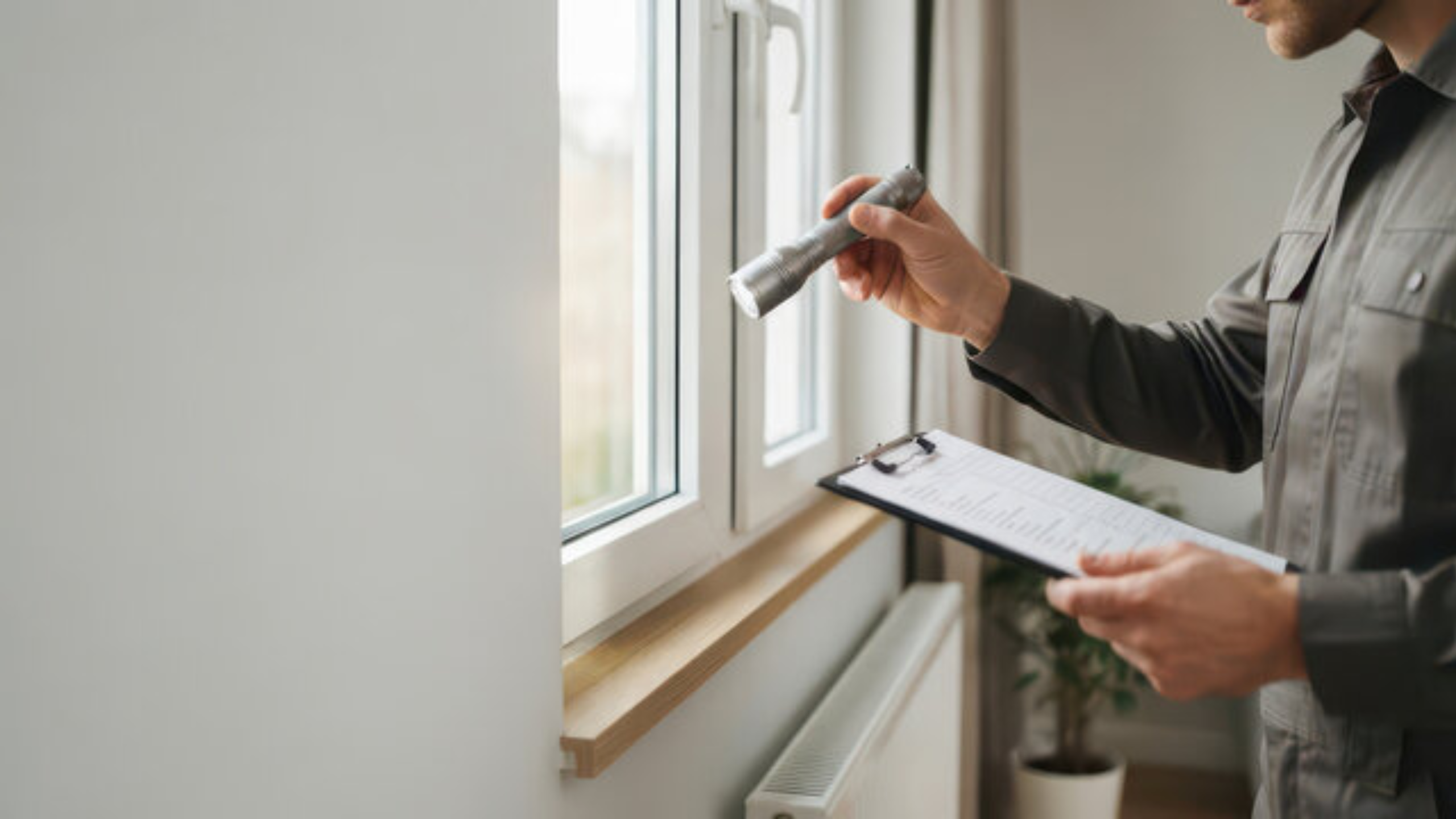
Regular inspections are an effective way to monitor the condition of a pier and beam foundation. A professional inspection can reveal issues that may not be visible during a routine property walk-through.
Inspectors examine the condition of piers, beams, and other support components. They look for signs of settlement, shifting, cracking, and material damage. Crawl spaces are checked for moisture, standing water, mold, and wood deterioration.
Drainage conditions around the property are also reviewed. Inspectors look for areas where water may collect near the foundation and evaluate whether drainage systems are functioning properly.
Early identification of problems can help property owners make informed decisions about maintenance and repairs. Addressing small issues before they become larger problems can help reduce repair costs and protect the property.
Ways to Reduce Moisture Risks
Property owners can take several steps to reduce moisture risks around a pier and beam foundation.
Proper drainage is one of the most important factors. Gutters should be kept clean and free of debris. Downspouts should direct water away from the foundation rather than allowing it to collect nearby.
The ground around the property should slope away from the structure whenever possible. This helps prevent water from pooling near the foundation during rainstorms.
The crawl space should be monitored regularly for signs of moisture or leaks. Plumbing issues should be repaired promptly to prevent long-term water exposure.
Good ventilation can also help control moisture levels beneath the building. Allowing air to circulate through the crawl space can reduce damp conditions and support the health of wooden components.
Regular inspections remain one of the best ways to identify concerns before significant damage occurs.
Conclusion
Pier and beam foundations offer many benefits, including easy access to plumbing and other utility systems. They also allow air to flow under the building. However, these foundations can face problems from movement and moisture over time.
Soil changes, poor drainage, and older building materials can cause the foundation to shift or settle. Too much moisture can damage wood supports, lead to mold growth, and create other foundation problems.
Knowing the warning signs and getting regular inspections can help protect your property and reduce repair costs. Select Inspection provides professional inspections to find problems early and help keep your foundation in good condition. If you are concerned about your pier and beam foundation, contact us to schedule an inspection.
Frequently Asked Questions
1. What is a pier and beam foundation?
A pier and beam foundation uses support piers and beams to raise a building above the ground.
2. What causes moisture problems in a crawl space?
Heavy rain, poor drainage, and plumbing leaks are common causes of moisture buildup.
3. How can I tell if my foundation is moving?
Signs include wall cracks, uneven floors, and doors or windows that do not close properly.
4. Why is moisture harmful to a pier and beam foundation?
Moisture can cause wood rot, mold growth, and damage to support structures.
5. Why are foundation inspections important?
Inspections help find moisture and structural problems early before they become costly repairs.