Historic buildings are an important part of our past. These buildings are often more than 100 years old and were built using old methods that are different from today. They are strong in many ways, but they also get weak as time passes. Learning how these buildings were made and how to check their condition is very important for safety and care.
Select Inspection helps property owners understand the real condition of old buildings in a simple and clear way. This includes checking the structure, materials, and signs of damage that may not be easy to see at first. This process is also part of a historic home inspection, which helps find problems early and keep the building safe.
Introduction to Historic Properties
Historic properties are buildings that were made long ago using older construction methods. These buildings often reflect the design style and skills of past generations. Many of them are still in use today, while others are preserved for history.
These structures are important because they connect us to the past. They show how people lived and built homes, schools, and public spaces many years ago. Even though they are old, many historic buildings are still strong. However, they need regular care because time can slowly weaken materials like wood, brick, and stone.
Understanding these buildings helps owners and inspectors decide how to protect them while keeping their original look and structure.
Common Structural Systems in Old Buildings
Century-old buildings were built using simple but strong methods. These systems are still studied today because many of them last for a long time.
Masonry construction
Masonry construction uses brick or stone held together with mortar. This method was very common in old buildings because it is strong and long lasting. These walls can carry heavy loads and stay stable for many years. However, over time, cracks can form due to weather changes, ground movement, or water damage.
Timber framing
Timber framing uses large wooden beams to form the main structure of a building. This method allows some movement in the structure, which can help during small ground shifts. The main issue with timber is that it can be damaged by moisture, insects, or decay if not maintained properly.
Load-bearing walls
In many old buildings, walls do more than divide space. They carry the weight of the floors and roof. These are called load-bearing walls. They are usually thick and strong. Changing or removing them is not easy because they support the entire building.
Key Issues in Century-Old Structures
Old buildings often develop problems over time. These issues may not always be visible, so careful inspection is important.
Foundation problems
The foundation is the base of any building. In old properties, the ground under the structure may shift over time. This can cause uneven floors, cracks in walls, or doors that do not close properly. These are signs that the foundation may need attention.
Moisture damage
Water is one of the biggest causes of damage in historic buildings. Roof leaks, broken pipes, or poor drainage can allow water to enter walls and floors. This can lead to damp areas, mold growth, and weakening of building materials. If not fixed early, moisture can cause serious structural damage.
Material wear and aging
All building materials become weaker over time. Brick can crumble, wood can rot, and metal parts can rust. Even if a building looks fine on the outside, internal parts may be weaker due to age. This natural aging process is expected in century-old structures.
How to Evaluate Historic Buildings
Checking the condition of a historic building requires a careful and simple approach. It is important to look at both visible signs and hidden problems.
Visual inspection
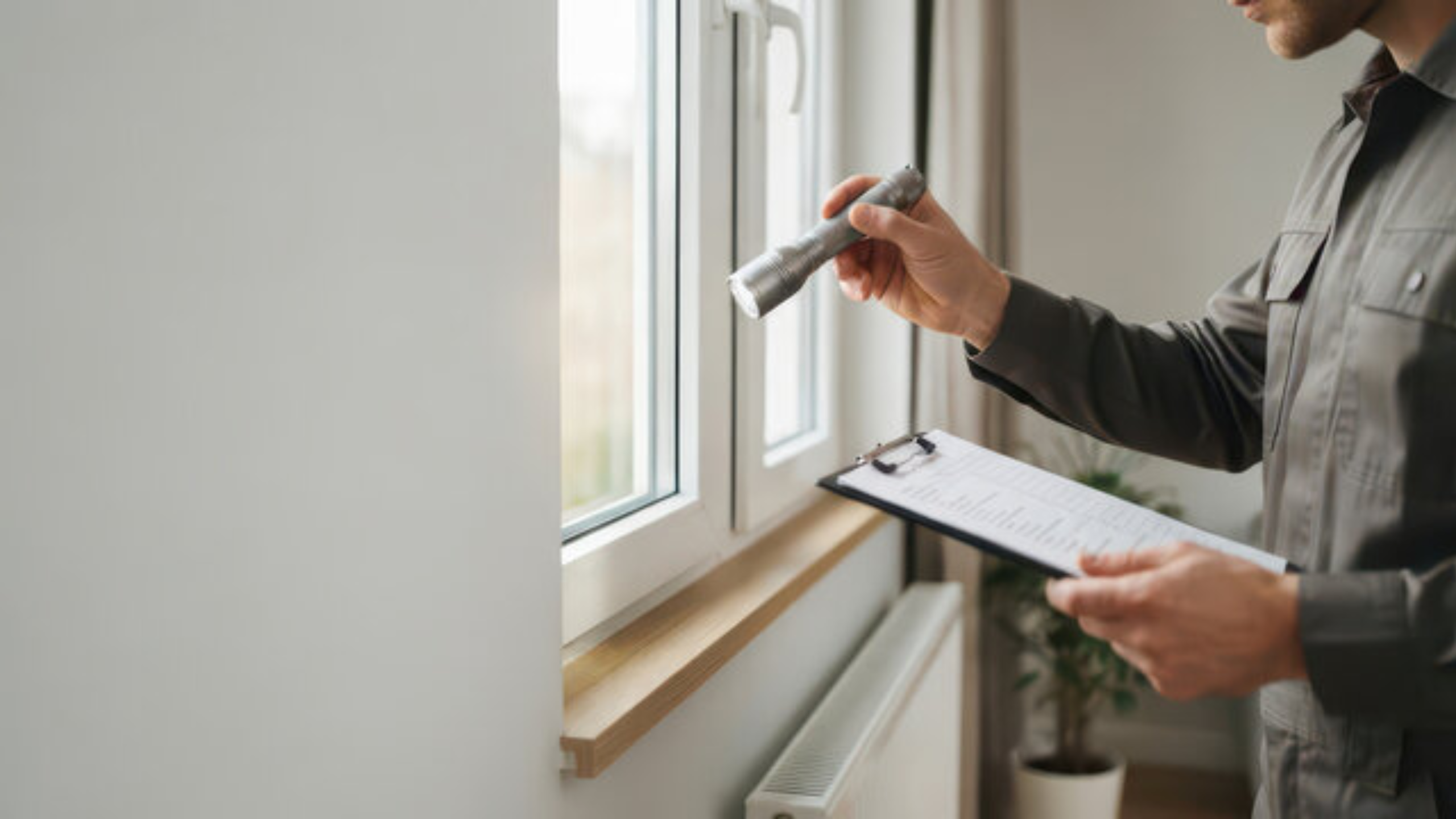
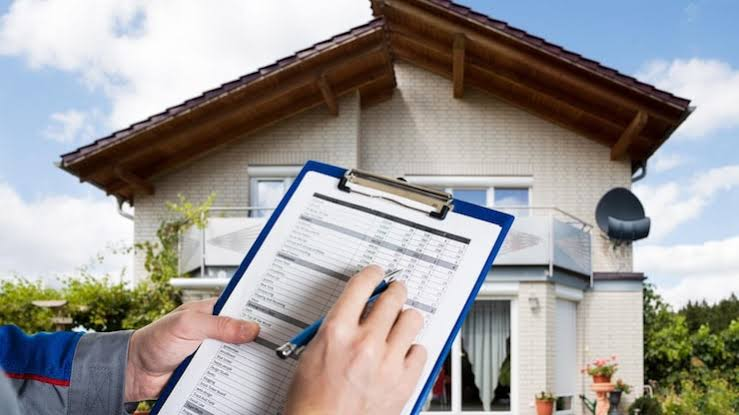
The first step is to carefully look at the building. This includes checking walls for cracks, looking at floors for uneven areas, and observing the roof for damage. Windows and doors are also checked to see if they are aligned properly. These signs often give an early idea of structural health.
Structural understanding
After the visual check, the structure itself must be understood. This means studying how the building carries weight and where the main support points are. It helps identify weak areas that may need repair or strengthening.
Professional inspection
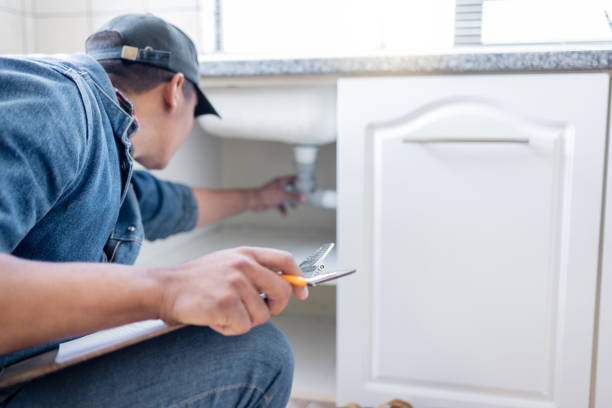
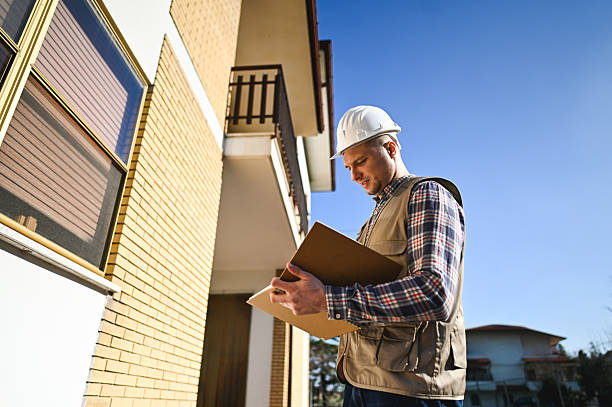
A professional inspection is very important for old buildings. Experts use tools and experience to find hidden problems that cannot be seen easily. They check the strength of materials, look for hidden moisture, and study the overall stability of the building. This helps in making safe repair plans.
Select Inspection provides detailed checks that help property owners understand the real condition of historic structures in a simple and clear report.
Preservation and Repair Methods
Once issues are found, the next step is to fix and protect the building. The goal is to keep as much of the original structure as possible while making it safe.
Repairing instead of replacing
In historic buildings, it is often better to repair damaged parts instead of removing them. This helps keep the original look and value of the property. Small cracks, weak wood, or damaged bricks can often be restored with careful work.
Strengthening the structure
Sometimes extra support is needed to make the building safer. This may include adding new supports or improving weak areas. Modern materials can be used in a way that does not change the appearance of the building but adds strength.
Regular care and maintenance
Old buildings need regular attention. Small problems should be fixed early before they grow into bigger issues. Regular checks of roofs, walls, and drainage systems can help extend the life of the structure and reduce repair costs.
Conclusion
Historic buildings are important and need extra care. They show old building styles and history, but they also get weak over time. Knowing how these buildings are made and how to check them is important for safety and protection.
A careful check helps find hidden problems early and stops big damage later. With regular care, simple repairs, and routine checks, old buildings can stay safe and strong for many years.
Select Inspection helps property owners understand and protect historic buildings in a simple and clear way. For more help or details, contact us once.
Frequently Asked Questions
1. What is a historic property?
A historic property is a building that is usually 100 years old or more and has cultural or historical value.
2. Why is structural evaluation important for old buildings?
It helps find damage, safety risks, and weak parts so the building can be repaired in time.
3. What are common problems in century-old structures?
Common problems include cracks, weak foundations, water damage, and worn-out materials.
4. Can old buildings be made safe again?
Yes, with proper inspection, repair, and strengthening, old buildings can be made safe to use.
5. Who should inspect historic properties?
A trained professional inspector or structural expert should check historic buildings for safety and damage.