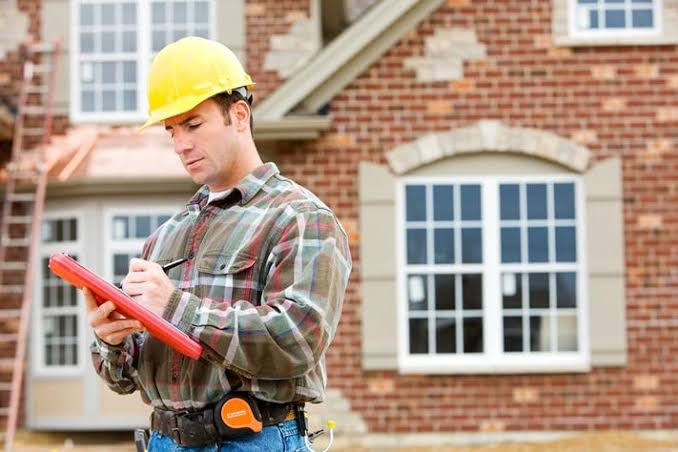
A home can look well maintained while still having visible conditions that may affect safety. Loose railings, damaged electrical components, plumbing leaks, structural movement, or unsafe steps can be easy to overlook during a normal walkthrough. This is where residential building inspectors provide valuable information by examining accessible and observable components throughout the property.
A professional residential inspection is primarily a visual evaluation of the home’s condition at the time of inspection. In Louisiana, the standard scope includes readily accessible portions of major systems such as structural, electrical, plumbing, roofing, interior, exterior, heating and cooling, and insulation and ventilation systems.
The goal is not to predict every future problem. Instead, an inspector looks for visible conditions that may indicate a safety concern, significant deficiency, improper installation, deterioration, or the need for further evaluation.
What Safety Concerns Do Residential Building Inspectors Look For?
During an inspection, residential building inspectors assess accessible components using visual examination and normal operating controls. Louisiana’s inspection standards are designed to provide information about the condition of systems and components as observed during the inspection.
Safety concerns can appear in many areas of a home. Some may be obvious, such as a damaged handrail, while others require experience to recognize, such as unusual structural movement or signs of water intrusion.
The inspector considers how different conditions may affect the property’s property safety and documents significant findings in the inspection report.
Structural Safety Concerns
The structure is one of the most important areas evaluated during a home safety inspection. Accessible structural components may include the foundation, framing, columns, piers, floors, walls, ceilings, and roof structure.
Inspectors look for visible signs that these components may not be performing as expected. Cracks, settlement patterns, damaged framing, moisture-related deterioration, or unusual movement can indicate conditions that deserve attention.
Louisiana’s standards specifically identify foundations, framing, columns, and piers as structural components that inspectors evaluate. Inspectors also look for signs of harmful water penetration or condensation affecting building components.
An inspector does not generally provide an engineering analysis or determine the exact cause of a structural problem. When a condition appears significant, the report may recommend evaluation by an appropriately qualified professional.
Electrical Safety Concerns
Electrical problems can create serious safety risks, which is why electrical components are an important part of a residential inspection.
During an inspection, accessible electrical equipment may include the service equipment, main and subpanels, branch circuits, visible wiring, switches, receptacles, lighting fixtures, and grounding components.
Louisiana standards require inspectors to evaluate items such as service equipment, branch circuit conductors, overcurrent devices, representative switches and receptacles, and receptacle polarity and grounding. Ground fault and arc fault protection may also be tested when doing so is not likely to cause damage.
Visible concerns may include damaged electrical components, improper wiring conditions, missing covers, ungrounded receptacles, or other conditions that appear unsafe.
The inspection does not involve dismantling walls or conducting an exhaustive electrical engineering analysis. Instead, residential building inspectors focus on accessible components that can be observed or tested within the inspection’s scope.
Plumbing Safety Concerns
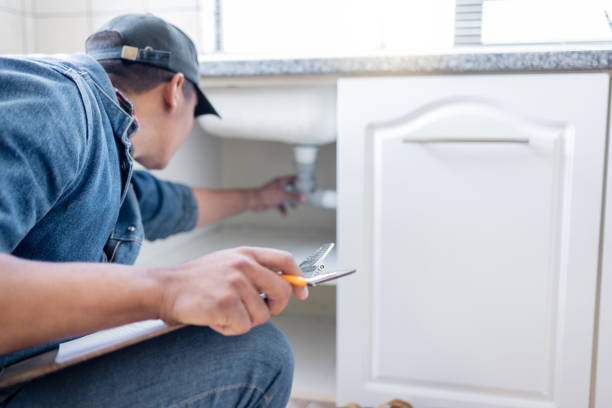
Plumbing problems can affect both the condition of the home and the safety of occupants. A leaking pipe under a sink, damaged supply line, drainage problem, or water heater concern may not be obvious during a quick property tour.
During a standard inspection, accessible plumbing components can include supply and distribution piping, fixtures, faucets, drains, waste and vent piping, water heating equipment, and visible leaks. Louisiana’s standards also address functional flow and drainage.
Inspectors look for conditions such as visible leaks, poor drainage, damaged piping, inadequate supports, and other observable problems.
Water-related concerns are particularly important because ongoing leaks can contribute to deterioration of surrounding materials. An inspector may document visible evidence of moisture or water damage and recommend additional evaluation when the condition warrants it.
Exterior Areas and Fall Hazards
Safety concerns are not limited to the home’s interior. The exterior can contain conditions that increase the risk of falls, trips, or injuries.
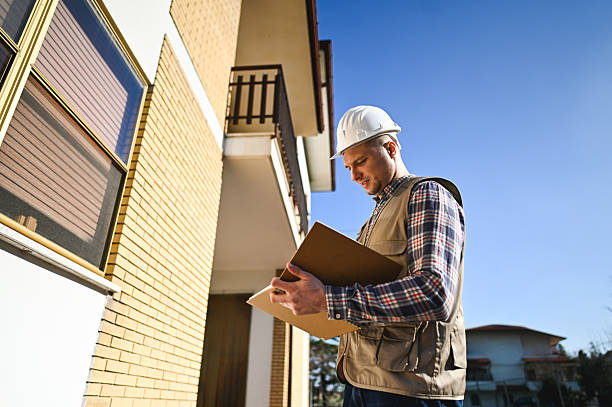
During a house inspection Lafayette LA homeowners or buyers may expect accessible exterior components such as steps, porches, balconies, walkways, doors, windows, railings, guards, and handrails to receive attention.
Inspectors may look for loose or damaged railings, deteriorated walking surfaces, unsafe steps, damaged exterior components, or conditions that could create a visible safety concern.
Drainage and grading can also matter because water accumulation near the structure may contribute to deterioration or other property concerns. Louisiana inspection standards include accessible exterior elements and conditions that may adversely affect the residential building.
Roof, Attic, and Water Intrusion Concerns
The roof and accessible attic areas can provide important clues about property safety and the condition of the home.
Inspectors look for visible roof damage, deteriorated materials, signs of water entry, and other observable conditions. In accessible attic areas, they may examine visible framing, insulation, ventilation, and evidence of moisture.
A roof inspection does not mean every portion of the roof will be physically accessible. Safety, height, weather, roof conditions, and other limitations can affect how an inspector examines the area.
Louisiana standards recognize that some areas may not be readily accessible. When an area cannot be inspected, the inspector should identify the limitation and explain the method of access used.
This distinction is important because a professional inspection is based on observable conditions rather than assumptions about concealed areas.
Interior Safety Concerns
Inside the home, residential building inspectors evaluate many accessible components that occupants use every day.
Floors, walls, ceilings, doors, windows, stairs, railings, fireplaces, and other interior components can reveal visible safety concerns. Inspectors may identify damaged surfaces, loose components, deteriorated materials, or conditions that could contribute to an accident or injury.
Stairs and handrails deserve particular attention because they are frequently used and can present immediate fall hazards when damaged or improperly secured.
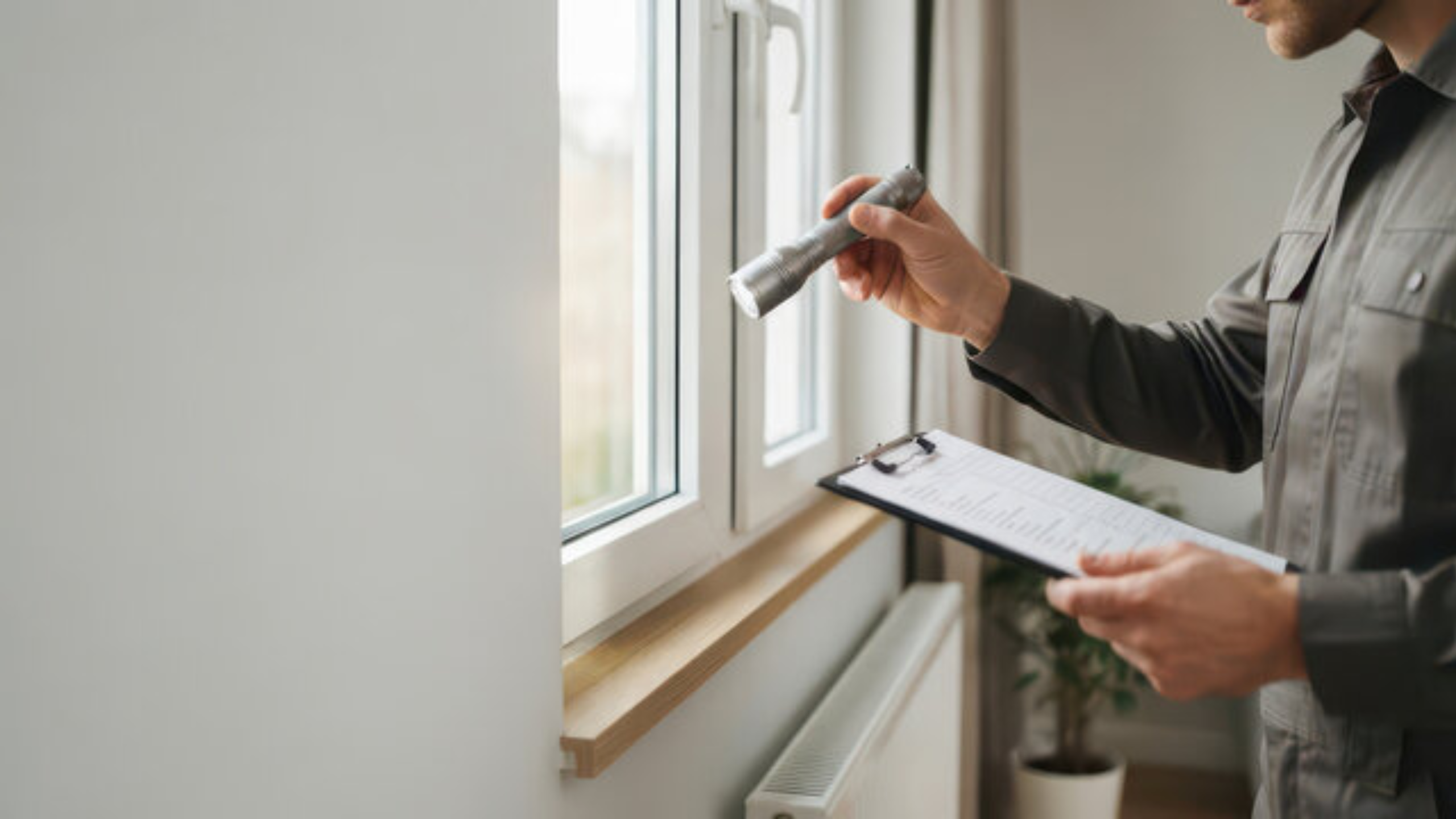
Doors and windows may also be reviewed for visible damage and normal operation. The inspection focuses on observable conditions that may affect the home’s condition and usability.
How Inspectors Document Safety Concerns
Identifying a concern is only part of the inspection process. The finding also needs to be communicated clearly.
A professional inspection report typically identifies the affected system or component, describes the observed condition, and explains why the issue deserves attention. When appropriate, the inspector may recommend monitoring, repair, or evaluation by a qualified specialist.
Louisiana’s standards emphasize that an inspection provides information about the condition of systems and components observed at the time of inspection. It is not an appraisal, warranty, or guarantee that every defect will be discovered.
This makes the inspection report an important resource for understanding the home’s visible safety concerns and deciding what steps may be appropriate next.
Why Experience Matters During a Home Safety Inspection
Two homes can have similar features but very different conditions. Experience helps an inspector recognize patterns that may deserve closer attention.
For example, a small crack may be a minor surface issue, while a pattern of cracks combined with uneven floors or other visible signs may warrant further investigation. Similarly, a plumbing stain may indicate an old repaired leak, or it may point to an active moisture problem.
Experienced residential building inspectors consider the location, appearance, condition, and surrounding evidence rather than treating every isolated imperfection as a major defect.
At the same time, inspectors must recognize the limits of a visual inspection. Louisiana standards do not require inspectors to determine the causes of every deficiency, correction methods, or the presence of every environmental hazard.
What Homeowners and Buyers Can Expect
A residential inspection gives homeowners and buyers a clearer understanding of visible conditions throughout the property.
Before the inspection, keeping accessible areas reasonably clear can help the inspector examine more components. If electrical panels, attic access points, plumbing fixtures, or other components are blocked, the inspection may be limited.
Homeowners and buyers should also understand that inspectors do not remove walls, dismantle systems, or inspect concealed conditions as part of a standard visual inspection.
The purpose is to provide useful information about accessible systems and components so the client can make informed decisions about the property.
Conclusion
Residential building inspectors play an important role in identifying visible safety concerns throughout a home. By examining accessible structural, electrical, plumbing, exterior, roof, attic, and interior components, an inspector can help identify conditions that may affect property safety.
A professional home safety inspection is not designed to uncover every hidden defect or guarantee future performance. Instead, it provides a practical assessment of observable conditions at the time of inspection and can help homeowners or buyers understand where further attention may be needed.
For a professional house inspection Lafayette LA homeowners and buyers can use to better understand a property’s accessible systems and safety concerns, Contact Select Inspection today to schedule an inspection.
Frequently Asked Questions
1. What do residential building inspectors look for during an inspection?
Residential building inspectors look for visible and accessible conditions involving structural, electrical, plumbing, roofing, exterior, interior, heating and cooling, and other applicable home components. The inspection focuses on conditions observable at the time of the inspection.
2. Can a residential inspection identify electrical safety concerns?
Yes. A residential inspection can identify visible and accessible electrical concerns involving panels, wiring, receptacles, switches, grounding, and other components within the inspection scope. Louisiana standards include evaluation of several electrical system components and representative devices.
3. Do residential building inspectors check for plumbing leaks?
Yes. Residential building inspectors examine accessible plumbing components and look for visible leaks, drainage concerns, supply piping issues, and other observable conditions.
4. Does a home safety inspection identify structural problems?
A home safety inspection can identify visible signs of structural concerns involving accessible foundations, framing, columns, piers, floors, walls, ceilings, and roof structures. Significant or complex conditions may require additional evaluation by a qualified specialist.
5. Is a house inspection Lafayette LA a guarantee that a home is safe?
No. A house inspection Lafayette LA service is a visual evaluation of accessible systems and components at the time of inspection. It is not a warranty or guarantee and cannot identify every concealed or future problem.