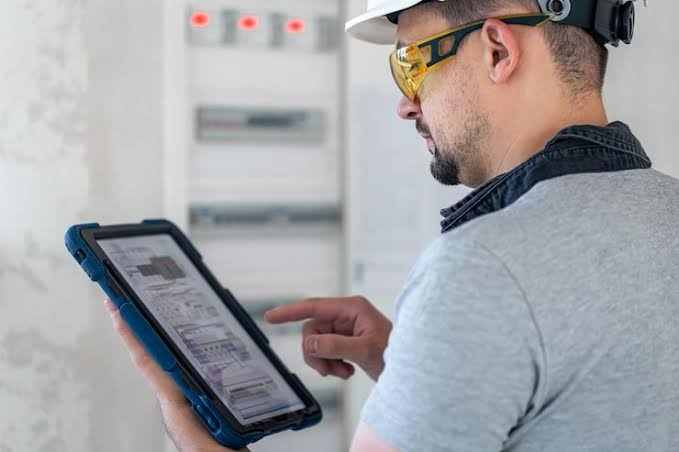
Buying a home is a major decision, and understanding its actual condition is an important part of that process. A property may look well maintained during a showing, but visible appearance does not always reveal problems with the structure, roof, plumbing, electrical system, HVAC, or other components.
Professional residential inspection services provide buyers and homeowners with a detailed evaluation of the home’s accessible and visible systems. The inspection helps identify existing defects, safety concerns, maintenance issues, and conditions that may require further evaluation. For buyers in Lafayette, a professional inspection can provide useful information before making a final purchasing decision.
At Select Inspection, inspections are designed to give clients a clear understanding of a property’s condition through organized reporting and an education-first approach. The company’s inspectors are licensed, insured, and InterNACHI CPI certified.
What Are Residential Inspection Services?
Residential inspection services involve a professional visual evaluation of the accessible components and major systems of a residential property. The purpose is to document the condition of the home at the time of the inspection and identify conditions that may affect safety, function, maintenance, or future repair needs.
A typical residential home inspection can examine areas such as the roof, exterior, foundation, structure, attic, plumbing, electrical systems, HVAC equipment, interior areas, and other accessible components. The exact scope can vary depending on the property, inspection agreement, accessibility, and applicable standards.
An inspection is not intended to guarantee that a home has no problems. Instead, it provides an informed assessment of observable conditions so buyers and homeowners can better understand the property.
What Does a Residential Home Inspection Include?
The scope of a residential home inspection generally covers the major systems and components that can be safely accessed and visually evaluated.
Roofing System
The roof is an important part of any home because it protects the structure from rain, wind, and other weather conditions. During an inspection, the inspector evaluates accessible roofing materials and looks for visible signs of damage, deterioration, improper installation, or potential water intrusion.
Inspectors may examine shingles, flashing, roof penetrations, vents, skylights, gutters, and related components when accessible. Lafayette properties can experience heavy rainfall, humidity, and storms, making roof condition an important part of a residential inspection.
Exterior Components
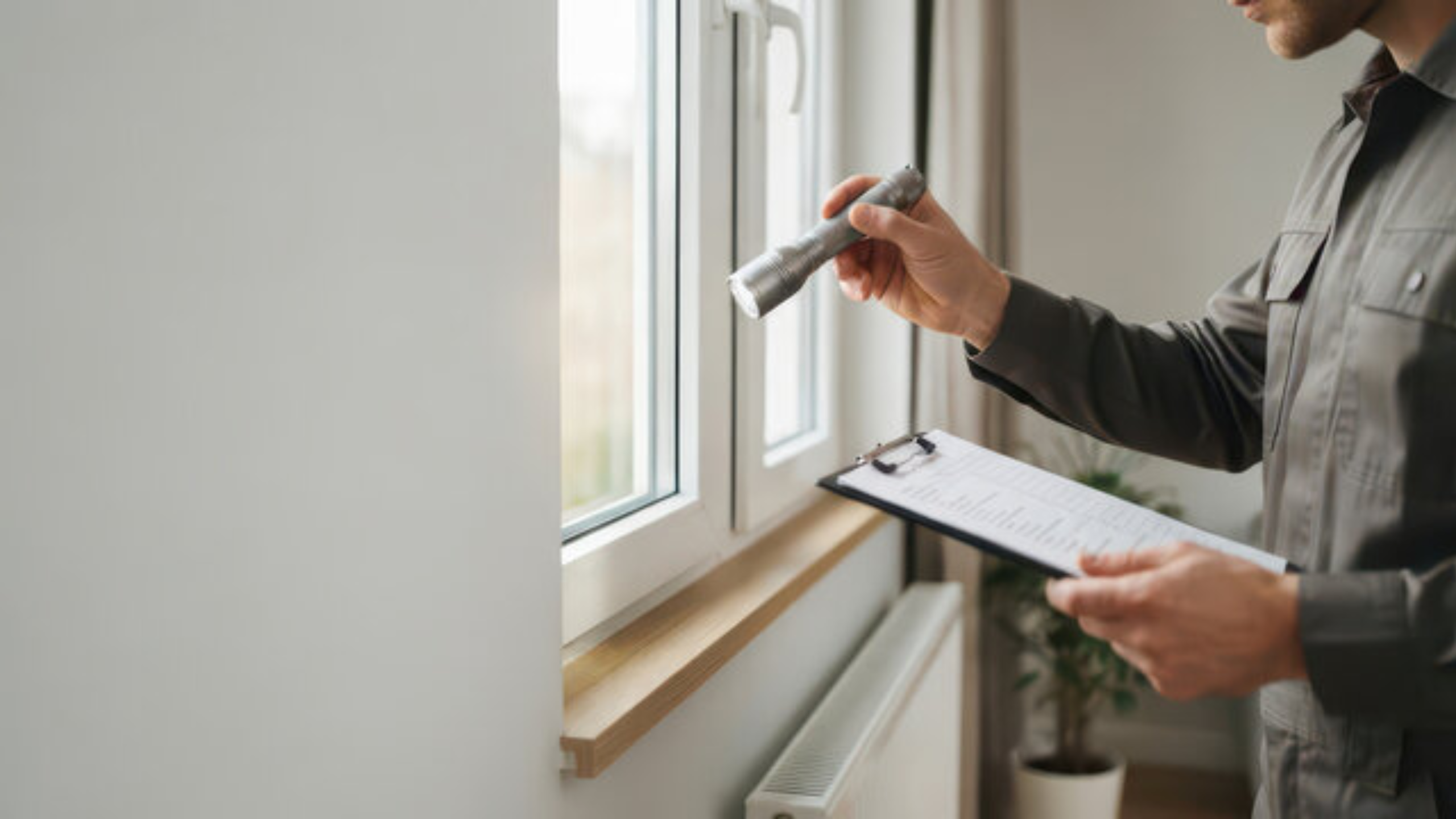
The exterior of a home can provide important clues about its overall condition. A residential inspection may include an evaluation of exterior walls, doors, windows, siding, trim, drainage components, decks, porches, and other accessible features.
The inspector looks for visible conditions such as deterioration, water damage, damaged materials, poor drainage, or other concerns that could affect the home’s performance.
Proper drainage is particularly important because water that remains around a home’s foundation can contribute to moisture problems and other damage over time.
Foundation and Structural Components
The foundation and structural system support the entire house, making them key areas of a residential house inspection.
Depending on the property’s construction, an inspector may evaluate accessible foundation components, structural framing, floors, walls, ceilings, and other visible structural elements. The inspection can identify signs such as significant cracking, movement, moisture-related deterioration, or other conditions that may require additional attention.
In Lafayette and surrounding areas, local soil and moisture conditions can contribute to settlement and foundation concerns. A professional inspection helps buyers understand visible conditions instead of relying only on a general walkthrough.
Plumbing System
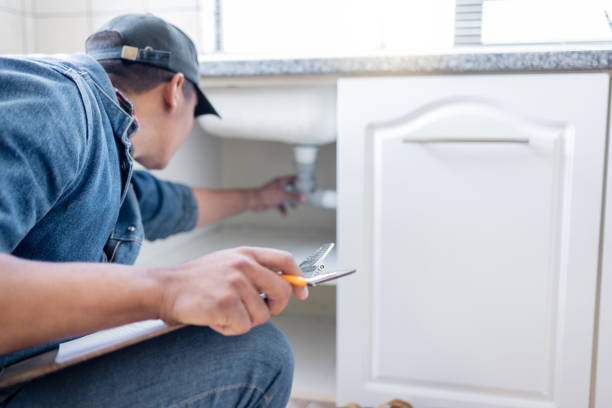
Plumbing is another major component evaluated during residential inspection services. Inspectors generally examine accessible supply and drainage components and operate fixtures where conditions allow.
The inspection may include visible pipes, faucets, sinks, toilets, water heaters, drainage systems, and other accessible plumbing components. The inspector looks for signs of leaks, inadequate drainage, damaged components, or other observable issues.
The inspection does not necessarily involve opening walls or accessing concealed plumbing. Instead, the focus is on readily accessible components and observable conditions.
Electrical System
Electrical problems can create serious safety concerns, so the electrical system is an important part of a residential inspection.
Depending on accessibility and the inspection scope, an inspector may evaluate the electrical panel, accessible wiring, outlets, switches, fixtures, grounding-related components, and other visible electrical features.
The goal is to identify observable safety concerns or deficiencies that may require correction or further evaluation by a qualified electrician.
Heating, Ventilation, and Air Conditioning
The HVAC system plays an important role in comfort and indoor conditions, particularly in Lafayette’s warm and humid climate.
During home inspection services Lafayette professionals may evaluate accessible HVAC equipment and controls, observe general operation, and look for visible signs of damage, deterioration, or improper conditions.
The inspection is not the same as a specialized HVAC service performed by a licensed technician. However, it can help identify observable concerns that may justify additional evaluation or maintenance.
Attic and Insulation
The attic can reveal problems that are difficult to see from living areas. A residential inspection may include accessible portions of the attic, insulation, ventilation, roof framing, and the underside of the roof deck.
Inspectors may look for signs of moisture intrusion, inadequate ventilation, damaged framing, or other visible concerns. Attic conditions can affect energy efficiency, moisture management, and the long-term condition of roofing and structural components.
Interior Areas
Interior spaces are also part of a typical residential home inspection. Inspectors may examine accessible walls, ceilings, floors, windows, doors, stairs, railings, fireplaces, and other interior components.
They look for observable conditions such as water stains, damaged materials, unsafe railings, deteriorated surfaces, or problems with doors and windows.
The purpose is not to judge cosmetic preferences. Instead, the inspector focuses on conditions that may affect the home’s safety, function, or maintenance.
Built-In Appliances and Other Components
Depending on the inspection scope, certain installed appliances and other built-in components may also be observed or operated. The inspector evaluates their general condition and operation when appropriate and accessible.
This does not mean every appliance or component receives a specialized technical examination. Buyers should understand that a standard inspection is primarily a visual evaluation rather than a warranty or comprehensive diagnostic test.
What Is Usually Not Included?
Understanding what is outside the standard scope is just as important as knowing what is included.
A standard inspection generally does not involve destructive testing or opening walls, ceilings, floors, or other finished surfaces. Concealed conditions may therefore remain undiscovered.
Specialized services may also require separate inspections or testing. Depending on the property and the buyer’s concerns, these can include mold testing, termite or WDIR inspections, pool and spa inspections, and sewer scope inspections. Select Inspection offers or coordinates several specialty services in addition to residential inspections.
An inspection also does not replace specialized evaluation by professionals such as structural engineers, electricians, plumbers, HVAC technicians, or other specialists when a significant concern is identified.
What Should Buyers Expect From the Inspection Process?
The process usually begins with scheduling the inspection and providing the inspector with information about the property. During the inspection, the inspector evaluates accessible systems and components and documents observable conditions.
Buyers can benefit from attending at least part of the inspection when possible. This gives them an opportunity to ask questions and better understand the home’s systems and maintenance needs.
After the inspection, the buyer receives a written report documenting findings. Select Inspection states that its reports are designed to provide organized findings and clear explanations, helping clients understand the property’s condition and make informed decisions.
The report should not be viewed as a simple list of everything that needs to be repaired. Some findings may represent routine maintenance, while others may require prompt attention or additional evaluation.
How an Inspection Checklist Helps Buyers
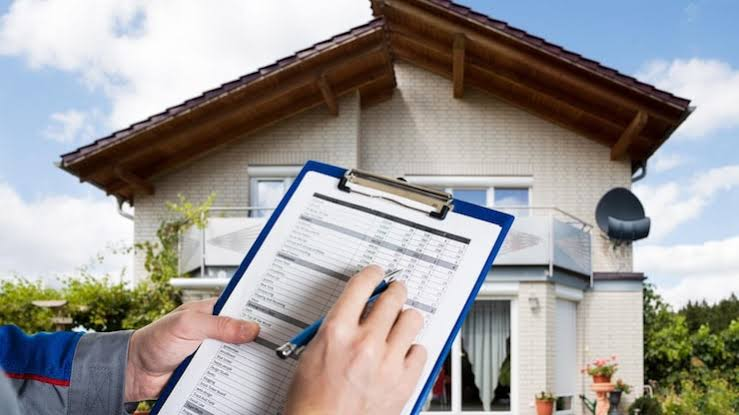
An inspection checklist helps ensure that major areas of the property are considered during the inspection. While the exact checklist varies by property and inspection standards, common categories include the roof, exterior, structure, plumbing, electrical, HVAC, attic, interior, and other accessible components.
Using a structured inspection process helps the inspector document findings consistently. It also gives buyers a clearer framework for reviewing the final report and deciding which concerns deserve further attention.
For buyers, the most important goal is not simply to receive a long report. It is to understand the condition of the property and identify significant concerns before completing the purchase.
Why Residential Inspection Services Matter
A professional inspection can provide information that is difficult for a buyer to obtain during a normal property viewing. It can reveal visible defects, maintenance concerns, safety issues, and conditions that may not be immediately obvious.
For a buyer, this information can support better decision-making during the purchase process. It may also help the buyer determine whether further specialist evaluations are appropriate.
For homeowners, periodic residential inspection services can help identify developing problems before they become more expensive repairs. Select Inspection also provides inspection options for sellers, new construction, and homeowners approaching the end of a builder warranty period.
Conclusion
Knowing what is included in residential inspection services helps buyers understand what to expect before scheduling an inspection. A professional inspection can cover major accessible components such as the roof, exterior, foundation, structure, plumbing, electrical system, HVAC, attic, and interior areas.
For buyers considering a property in Lafayette, a detailed residential house inspection provides valuable information about the home’s current condition and potential areas of concern. It does not eliminate every possible risk, but it gives buyers a clearer picture of the property before they move forward.
Contact Select Inspection today to schedule your residential inspection and get a clearer understanding of your property’s condition.
Frequently Asked Questions
1. What is included in residential inspection services?
Residential inspection services generally include a visual evaluation of accessible components such as the roof, exterior, structure, plumbing, electrical system, HVAC, attic, interior, and other major residential systems.
2. Is a residential home inspection necessary when buying a house?
A residential home inspection can help buyers identify observable defects, safety concerns, maintenance issues, and conditions that may require further evaluation before completing a purchase.
3. Does a residential house inspection include the foundation?
Yes. A typical residential house inspection includes an evaluation of accessible foundation and structural components. The inspector documents visible conditions and may recommend further evaluation when significant concerns are identified.
4. Are plumbing and electrical systems inspected?
Yes. Plumbing and electrical systems are commonly included in residential inspections. Inspectors evaluate accessible components and look for observable problems or safety concerns.
5. Does an inspection include mold or termite testing?
Mold testing and termite or WDIR inspections are generally separate specialty services rather than standard components of every residential inspection. Select Inspection offers specialty inspection services that can be added when appropriate.