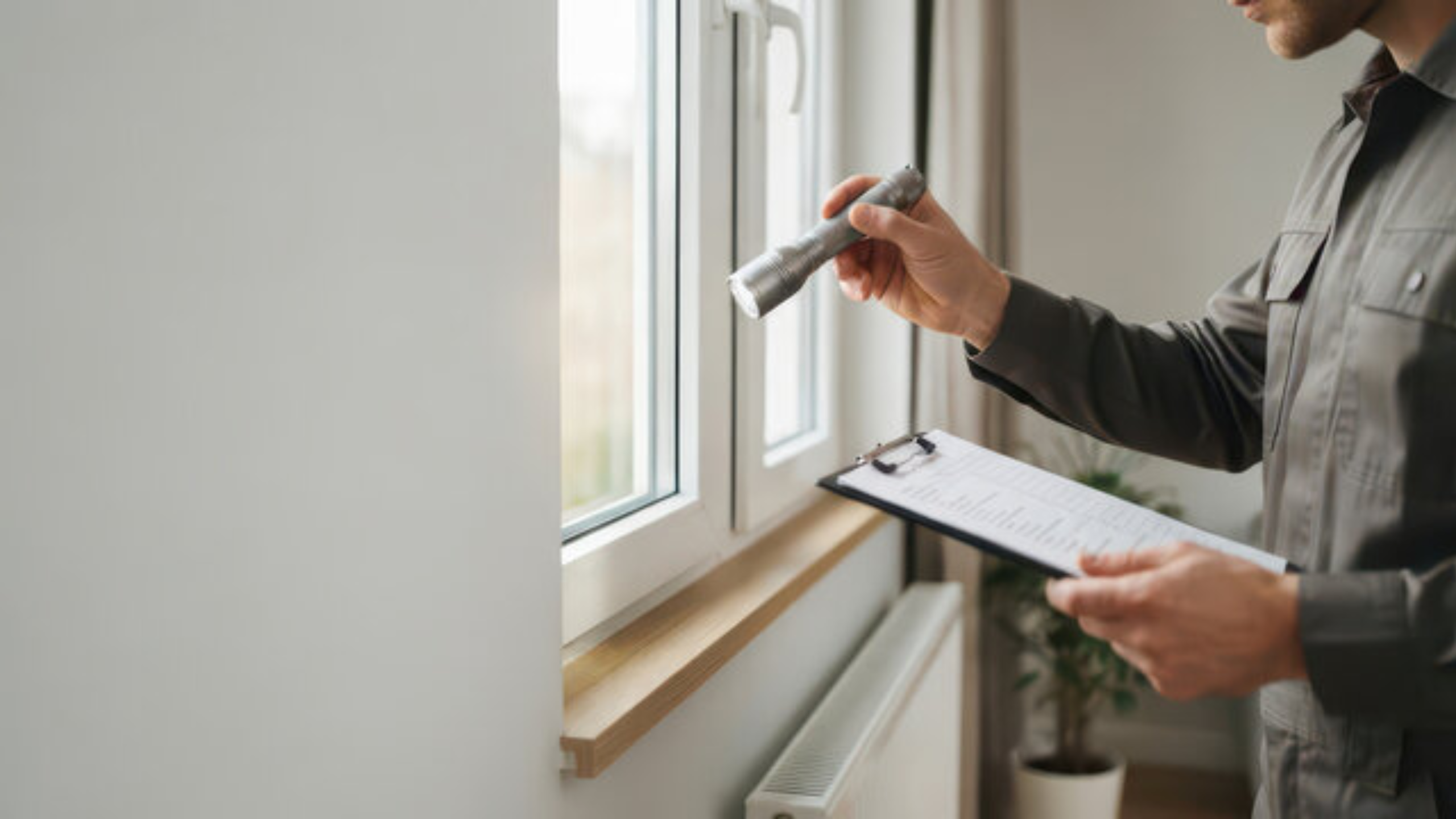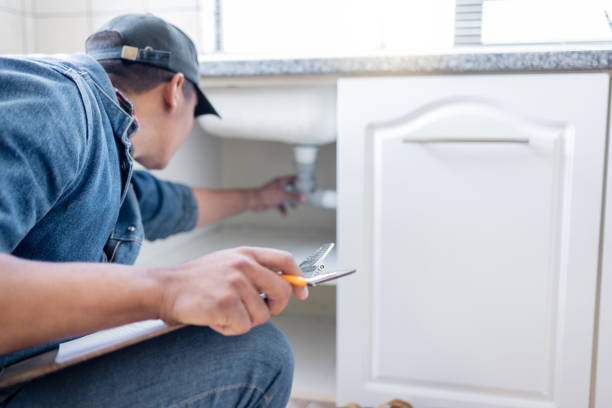
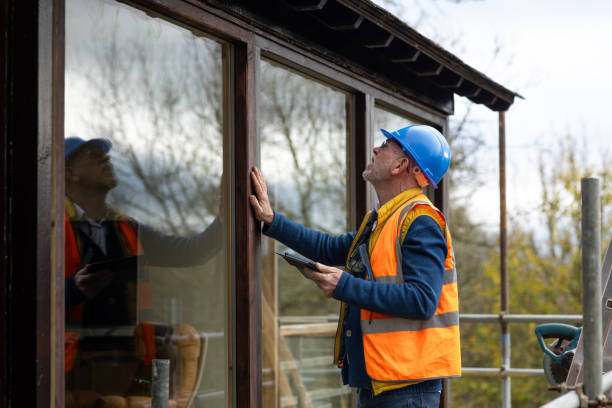
A home may look perfect during a walkthrough, but many important components are not easy to evaluate without a professional inspection. A residential inspection provides a visual assessment of the home’s accessible systems and components, helping buyers, sellers, and homeowners understand the property’s condition.
Residential building inspectors examine major areas that affect a home’s safety, structure, function, and overall condition. The inspection can include the roof, foundation, exterior, electrical system, plumbing, heating and cooling equipment, attic, interior areas, and other accessible components.
For homes in Lafayette, Louisiana, local conditions also matter. Humidity, heavy rainfall, storm exposure, moisture, and soil movement can affect different parts of a property over time. A thorough inspection helps identify observable conditions that may deserve attention before they become larger problems.
What Does a Residential Home Inspector Examine?
A professional residential home inspection is generally a visual examination of accessible areas and components. Inspectors do not simply look for cosmetic imperfections. They evaluate major systems and components to identify visible defects, safety concerns, signs of damage, and conditions that may require maintenance or further evaluation.
The exact scope of an inspection can vary depending on the property, its age, accessibility, and the inspection standards being followed. However, several major areas are commonly reviewed during a residential inspection.
Roof and Roofing Components
The roof protects the home from rain, wind, heat, and other weather conditions, making it one of the most important areas of an inspection.
A residential inspector examines accessible roofing materials and components for visible signs of damage, deterioration, improper installation, or water intrusion. The inspection may include roofing surfaces, flashing, roof penetrations, vents, skylights, chimneys, gutters, and other accessible components.
The inspector may also look for conditions that could allow water to enter the home. However, an inspection does not guarantee the remaining life of a roof. Roofing materials can have hidden conditions that are not visible during a standard visual inspection.
Foundation and Structural Components
The foundation supports the entire home, so structural conditions are an important part of any house inspection.
Depending on the home’s design and accessible areas, the inspector examines visible portions of the foundation, floors, walls, ceilings, roof structure, and other supporting components. The inspection focuses on observable signs of movement, settlement, cracking, moisture intrusion, deterioration, or other conditions that may affect the structure.
In Lafayette, local soil and weather conditions can be important considerations. Changes in soil moisture can contribute to movement around some properties. An inspection can help identify visible conditions that may warrant further evaluation by an appropriate specialist.
Exterior Areas
The exterior of a home helps protect the interior from weather, water, and other environmental conditions. During a residential home inspection, accessible exterior components are examined for visible damage, deterioration, drainage concerns, and other conditions.
The inspection may include exterior walls, siding or other finishes, doors, windows, trim, fascia, soffits, gutters, downspouts, porches, decks, walkways, and steps.
The inspector may also observe the grading around the home to determine whether visible conditions could contribute to water accumulation near the foundation. Proper drainage is particularly important in areas that experience significant rainfall.
Electrical System
The electrical system is another important part of a residential home inspection because electrical defects can create safety concerns.
A residential inspector examines accessible electrical components and observes their condition and operation. This can include the main electrical panel, breakers, visible wiring, switches, outlets, and other accessible electrical equipment.
The inspector looks for visible concerns such as damaged components, improper installations, exposed wiring, or other conditions that may require attention. A standard inspection does not replace a specialized electrical evaluation. If a significant concern is identified, further assessment by a qualified electrician may be recommended.
Plumbing System
Plumbing problems can result in leaks, water damage, poor drainage, and other costly issues. For this reason, plumbing is an important part of a house inspection.
The inspector examines accessible plumbing components and observes fixtures and systems where appropriate. This may include supply pipes, drain lines, faucets, toilets, sinks, water heaters, and visible plumbing connections.
The inspection focuses on observable conditions such as leaks, corrosion, damaged components, drainage concerns, and other issues that may affect the plumbing system. Hidden pipes and concealed plumbing conditions generally cannot be evaluated through a standard visual inspection.
Heating and Cooling Systems
Heating and cooling equipment plays an important role in maintaining comfortable indoor conditions. HVAC systems are therefore reviewed as part of a typical residential home inspection.
The inspector may examine accessible heating and cooling equipment, thermostats, ductwork, condensate components, visible connections, and other related components. The inspector may also observe the system’s operation under normal conditions.
Lafayette’s hot and humid climate makes cooling and moisture control especially important for homeowners. However, a standard inspection is not the same as a specialized HVAC service. If the inspection identifies a condition that requires detailed diagnosis, an HVAC professional may be recommended.
Attic and Insulation Areas
The attic can provide useful information about the home’s ventilation, insulation, roof structure, and moisture conditions.
When the attic is safely accessible, residential building inspectors may examine visible framing, roof sheathing, insulation, ventilation, and signs of water intrusion or moisture. They may also observe accessible electrical or mechanical components located within the attic.
Moisture is an important consideration in humid climates. Poor ventilation, roof leaks, or other moisture-related conditions can contribute to deterioration over time. An inspection can help identify visible signs that may require maintenance or additional evaluation.
Interior Areas
The interior of the home provides another important part of the overall inspection. A residential inspector examines accessible rooms and components to identify visible conditions that could affect safety, function, or maintenance.
The inspection may include walls, ceilings, floors, interior doors, windows, stairways, railings, cabinets, and other accessible features. The inspector may also operate certain fixtures and components when appropriate.
The purpose is not to document every minor cosmetic imperfection. Instead, the inspection focuses on significant observable conditions and the general condition and operation of accessible components.
Garage and Safety Components
Garages and other accessible areas can also form part of a home inspection checklist. The inspector may examine the garage structure, visible walls and ceilings, doors, and accessible safety components.
Safety-related features throughout the home may also receive attention. Depending on the property and inspection scope, this can include stairs, handrails, guardrails, smoke detectors, carbon monoxide detectors, and other accessible components.
The inspector evaluates visible conditions and operation where applicable. Concealed or inaccessible components cannot always be evaluated during a standard inspection.
What Is Not Included in a Standard Inspection?
Understanding what an inspection does not cover is just as important as understanding what it does cover.
A standard inspection is primarily a visual examination of accessible areas and components. It is not designed to identify every hidden defect or provide specialized testing for every possible concern.
Concealed conditions behind walls, beneath floors, inside enclosed systems, or in other inaccessible locations may not be discovered. Specialized services such as mold testing, certain environmental testing, or detailed evaluations of specific systems may require separate professionals.
When an inspector notices a condition that requires additional expertise, the inspection report may recommend further evaluation. This allows the appropriate specialist to investigate the issue in greater detail.
Why Understanding Inspection Areas Matters
Knowing what residential building inspectors examine can help buyers, sellers, and homeowners better understand the value of a professional inspection.
For buyers, an inspection provides information about the property’s observable condition before completing a purchase. It can help identify maintenance concerns, safety issues, and conditions that may require further evaluation.
For sellers, an inspection can provide an opportunity to identify potential concerns before listing a property. Addressing known issues in advance may help create a smoother transaction.
Homeowners can also benefit from inspections when they want to better understand their property’s condition or plan for future maintenance and improvements.
A home does not need to be perfect to be a good home. The purpose of an inspection is to provide useful information about observable conditions so property owners and buyers can make informed decisions.
Understanding Your Home Inspection Report
After the inspection, the report should help you understand the condition of the property and the significance of the inspector’s observations.
Not every finding has the same level of importance. Some observations may involve routine maintenance, while others may require prompt attention or additional evaluation.
Homeowners and buyers should pay particular attention to safety concerns, structural observations, water intrusion, roofing conditions, electrical concerns, plumbing problems, HVAC issues, and recommendations for specialist evaluation.
A clear inspection report can make these findings easier to understand and help you determine which issues should be addressed first.
Conclusion
A residential inspection examines many of the accessible components that contribute to a home’s safety, structure, function, and condition. Residential building inspectors typically evaluate areas such as the roof, foundation, exterior, electrical system, plumbing, HVAC equipment, attic, interior areas, garage, and accessible safety components.
Understanding these inspection areas can help Lafayette homeowners and buyers know what to expect and make better-informed decisions about property maintenance or purchase. A professional inspection is not a guarantee that a home has no problems. Instead, it provides an assessment of visible and accessible conditions at the time of the inspection.
If you are buying, selling, or maintaining a home in Lafayette, LA, get in touch with Select Inspection to schedule a professional residential home inspection.
Frequently Asked Questions
1. What areas do residential building inspectors examine?
Residential building inspectors generally examine accessible major components of a home, including the roof, foundation, exterior, electrical system, plumbing, HVAC equipment, attic, interior areas, garage, and accessible safety features.
2. Does a residential home inspection include the roof?
Yes. A typical residential home inspection includes an examination of accessible roofing components and visible conditions such as damaged materials, flashing concerns, roof penetrations, and signs of water intrusion.
3. Do inspectors check the foundation?
Yes. Inspectors examine accessible portions of the foundation and structural components for visible signs of movement, cracking, settlement, moisture intrusion, deterioration, or other conditions that may require attention.
4. What does a residential inspector check in the attic?
When the attic is safely accessible, a residential inspector may examine visible framing, roof sheathing, insulation, ventilation, and signs of moisture or water intrusion. Accessible electrical and mechanical components may also be observed.
5. Does a house inspection identify every problem?
No. A house inspection is primarily a visual examination of accessible areas and components. Hidden, concealed, or inaccessible defects may not be identified. Specialized testing or additional evaluation may be recommended when necessary.