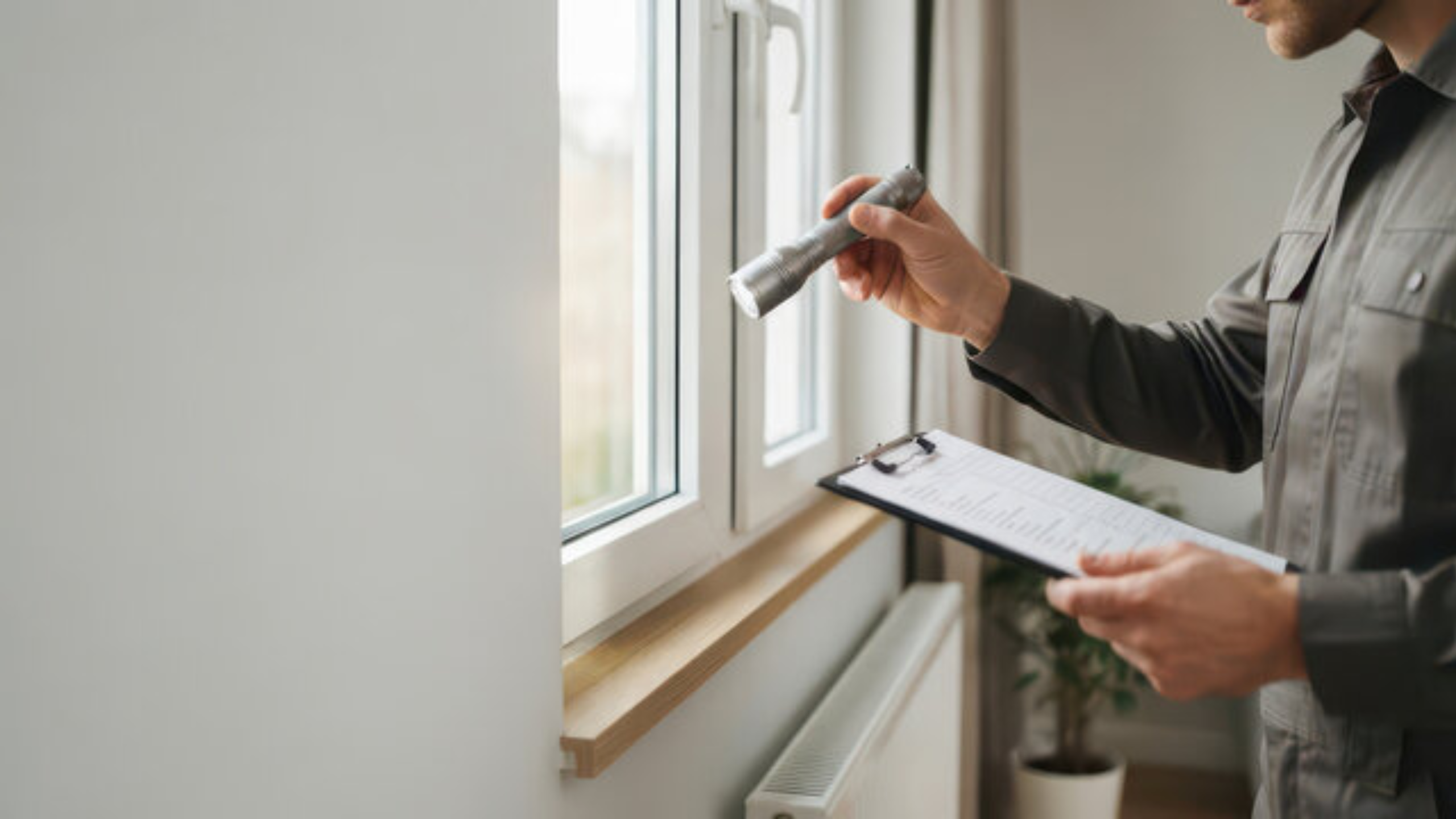

A home inspection can help you understand the actual condition of a property before a major decision. While many people associate inspections with buying a house, there are several situations when an inspection can provide valuable information for homeowners, sellers, and buyers.
Knowing when to get a home inspection can help you identify potential concerns early, plan for repairs, and make better decisions about a property. In Lafayette, Louisiana, factors such as humidity, heavy rainfall, moisture intrusion, and soil movement can make regular attention to a home’s condition especially important.
So, when is the right time to schedule an inspection? The answer depends on your situation and what you need to know about the property.
When Buying a Home
One of the most important times to schedule a home inspection is after your offer has been accepted and before your inspection or due diligence period expires.
If you are buying a home, it is best to schedule the inspection as early as possible within the applicable inspection period. The Louisiana State Board of Home Inspectors recommends contacting a home inspector after the purchase agreement has been signed and notes that buyers should have an inspection clause in their contract.
A professional inspection gives you an opportunity to learn more about the home’s condition before completing the purchase. It may identify concerns involving the roof, foundation, plumbing, electrical systems, HVAC equipment, attic, or other accessible components.
For buyers searching for a house inspection Lafayette LA, scheduling early also gives you more time to review the findings and determine what needs further evaluation or attention.
Why Timing Matters for Buyers
The inspection report can help you understand which issues may require immediate attention and which items may simply need routine maintenance.
If significant defects are discovered, your inspection findings may also help you discuss repairs, credits, or other options with your real estate professional. The Consumer Financial Protection Bureau recommends scheduling an inspection as soon as possible so buyers have enough time to address problems or arrange additional inspections when necessary.
Before Selling Your Home
Homeowners do not have to wait until a buyer requests an inspection. A pre-listing inspection can be useful before putting a property on the market.
Scheduling an inspection before listing allows sellers to learn about potential problems while there is still time to make informed decisions. Instead of discovering an issue after receiving an offer, you can identify concerns before negotiations begin.
A pre-listing inspection may reveal maintenance issues, moisture concerns, roof problems, electrical deficiencies, plumbing concerns, or other conditions that could affect a transaction. Select Inspections explains that pre-listing inspections can help sellers identify deficiencies in advance and make repair decisions before buyer negotiations.
This does not mean every finding needs to be repaired before selling. The purpose is to give you a clearer understanding of the home’s condition so you can plan appropriately.
When Buying a Newly Constructed Home
A new home may look perfect, but new construction does not guarantee that every component was installed correctly.
Construction involves multiple trades, materials, installations, and inspections. Problems can sometimes be missed before walls, ceilings, and other finishes cover important components.
For this reason, buyers may consider scheduling inspections at appropriate stages of construction. A pre-drywall inspection can identify certain installation concerns before they are concealed, while a final inspection can help identify issues before the buyer takes ownership.
If you are purchasing new construction, discuss the inspection schedule with your inspector and builder so the inspection can take place at a useful stage of the construction process.
After Major Repairs or Renovations
Another good time for a residential inspection is after significant repairs, remodeling, or renovation work.
Major projects can affect important components of a home. For example, changes involving roofing, electrical systems, plumbing, structural components, additions, or other major areas may deserve professional evaluation.
An inspection after substantial work can help homeowners understand whether accessible components appear to be functioning properly and whether additional concerns should be addressed.
It is important to understand that a home inspection is generally a visual assessment of accessible components. It is not a guarantee that every concealed condition or construction defect will be discovered.
Before a Builder Warranty Expires
New homeowners may also benefit from scheduling an inspection before an applicable builder warranty expires.
An inspection around the end of the warranty period can help identify issues that may have developed or become noticeable since the home was completed. This gives homeowners an opportunity to document concerns and discuss applicable repairs with the builder before the warranty period ends.
Select Inspections offers an 11th-month warranty inspection designed to help homeowners identify concerns before their builder warranty expires.
The exact timing and warranty terms vary, so homeowners should review their builder documentation and schedule accordingly.
After Severe Weather or a Major Event
Severe weather can affect different parts of a home, particularly the roof, exterior, drainage, and other exposed components.
After a significant storm or weather event, homeowners may notice roof damage, water intrusion, drainage problems, or other visible changes. An inspection can provide additional information about accessible areas of the property when concerns arise.
This can be particularly relevant in Lafayette and surrounding areas, where homes can experience heavy rainfall, high humidity, and other environmental conditions that contribute to moisture-related concerns.
If you notice visible damage or believe your home may have experienced a serious problem, contact the appropriate professional promptly. Depending on the issue, this may include a home inspector, roofing contractor, plumber, electrician, structural professional, or other qualified specialist.
When You Have Owned Your Home for Several Years
You do not have to be buying or selling a home to benefit from an inspection.
For homeowners who have lived in a property for several years, an inspection can provide a broader look at the home’s current condition. Over time, small maintenance issues can become more significant if they are not noticed or addressed.
A periodic inspection may help homeowners identify concerns involving moisture, roofing, plumbing, electrical systems, HVAC equipment, foundation components, attic conditions, or other accessible areas.
The goal is not necessarily to find something wrong. Instead, it is to gain useful information about the property’s condition and understand where maintenance or further evaluation may be needed.
What to Consider Before Scheduling
When deciding when to get a home inspection, consider the decision you are trying to make.
If you are buying, schedule the inspection early enough to stay within your contractual inspection period. If you are selling, consider a pre-listing inspection before putting the property on the market. If you own a new home, consider inspections during appropriate construction stages and before applicable warranties expire.
For an older home, a periodic inspection may provide useful information about maintenance needs. After major renovations or severe weather, an inspection may also help you better understand the property’s current condition.
Most importantly, choose a qualified and properly licensed inspector. The Louisiana State Board of Home Inspectors advises consumers to select an LSBHI-licensed home inspector.
Conclusion
The right time for an inspection depends on what is happening with your property. Buying a home, preparing to sell, completing major renovations, purchasing new construction, approaching a builder warranty deadline, or dealing with concerns after severe weather can all be appropriate reasons to schedule an inspection.
Professional residential home inspection services can provide an objective look at accessible areas and major systems, helping you understand the property’s condition before making important decisions.
For homeowners and buyers in Lafayette, a timely inspection can provide greater clarity about potential concerns and help you plan your next steps with confidence.
Get in touch with Select Inspections today to schedule your residential home inspection and learn more about your property’s condition.
Frequently Asked Questions
1. When should I schedule a home inspection when buying a house?
You should generally schedule your inspection after your offer is accepted and early within the inspection or due diligence period. This gives you time to review the findings and address important concerns before closing.
2. Is a home inspection necessary before selling?
A pre-listing inspection is not always required, but it can help sellers identify potential problems before listing the property. It gives sellers more time to understand the home’s condition and make informed repair decisions.
3. Should I schedule an inspection for a new construction home?
Yes. New construction can still have installation issues, incomplete work, or other defects. Depending on the construction stage, buyers may consider pre-drywall and final inspections.
4. When should I get a home inspection after renovations?
Consider an inspection after significant renovation or repair work, particularly when the project involves major systems or structural components. An inspection can help you understand the condition of accessible areas after the work is completed.
5. How often should a homeowner schedule a residential inspection?
There is no single schedule that applies to every property. Older homes, homes with ongoing maintenance concerns, or properties that have experienced major weather or renovation events may benefit from additional inspections. Discuss your property’s age, condition, and history with a qualified inspector to determine an appropriate approach.