Windows play an important role in a home’s comfort, energy efficiency, and protection from outdoor conditions. For home buyers, however, windows can be easy to overlook during a property evaluation. A window may appear to be in good condition while its insulated glass unit has already developed a seal problem.
Fogged glass, condensation between panes, drafty windows, and visible moisture can indicate that an insulated window system is no longer performing as intended. These conditions may affect energy efficiency and can sometimes point to deterioration within the window assembly.
A window seal failure inspection can help buyers recognize these conditions before making a purchase decision. Understanding what causes window seal failure and knowing which signs to look for can make a home inspection more useful when evaluating an older property.
What Is Window Seal Failure?
Modern double-pane windows typically contain two panes of glass separated by a spacer. The space between the panes is sealed and may contain insulating gas. This design helps reduce heat transfer between the interior and exterior of the home.
Over time, the seal around the insulated glass unit can deteriorate. When this happens, outside air and moisture may enter the space between the panes. This condition is commonly referred to as insulated glass failure or failed thermal seals.
A failed seal does not necessarily mean the entire window must be replaced immediately. However, it can reduce the insulating performance of the glass and may create visible signs such as fogging or condensation between the panes.
For buyers, identifying this condition is important because window repairs or replacement can become an unexpected ownership expense.
Why Do Double-Pane Windows Become Foggy?
Double pane fogging often occurs when the seal between the glass panes has failed. Under normal conditions, the space between the panes should remain sealed from outdoor moisture.
When the seal deteriorates, humid air can enter the insulated space. Temperature changes can then cause condensation to form between the glass panes.
This moisture is different from ordinary condensation on the inside or outside surface of a window. Interior condensation can result from indoor humidity, while exterior condensation may occur under certain weather conditions. Moisture trapped between the panes is more closely associated with a compromised insulated glass unit.
Persistent fogging between panes is therefore an important condition for buyers to notice during a home inspection.
Signs of Window Seal Failure Buyers Should Recognize
A careful visual evaluation can reveal several warning signs. While some conditions may require further assessment, recognizing them can help buyers understand the condition of the property’s windows.
Moisture Between Windows
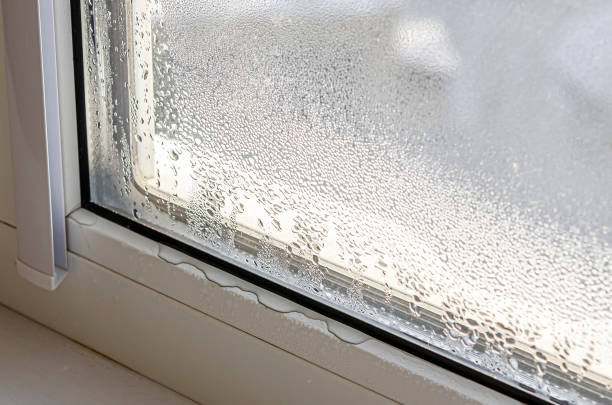
One of the clearest signs of seal deterioration is moisture between windows. Water droplets, haze, or persistent fogging that appears inside the insulated glass space can indicate that the unit is no longer properly sealed.
This condition may become more noticeable during temperature changes. In some cases, the glass may appear cloudy even after the surrounding surfaces have been cleaned.
Because the moisture is trapped inside the glass assembly, normal window cleaning will not remove it.
Persistent Fogged Glass
Fogged glass that remains present despite changes in indoor conditions can indicate an insulated glass problem. The appearance may range from light haze to heavy condensation that significantly affects visibility.
For a buyer, persistent fogging is worth documenting during the inspection because it may indicate reduced window performance or the need for insulated glass replacement.
Drafty Windows
Drafty windows can be another warning sign, although drafts do not always result from failed insulated glass seals. Air leakage may also be related to worn weatherstripping, gaps around the window frame, damaged seals, or installation issues.
During an inspection, identifying noticeable air leakage can help determine whether the concern is limited to the glass unit or involves other parts of the window assembly.
Damaged or Deteriorated Window Components
Window seal problems may occur alongside aging frames, damaged weatherstripping, deteriorated glazing materials, or other visible defects. These conditions can affect how well the window protects the home from outdoor air and moisture.
A buyer should consider the overall condition of the window rather than focusing only on whether the glass is fogged.
How Failed Thermal Seals Affect Energy Efficiency
Windows are part of the home’s thermal envelope. Their condition can influence how easily heat moves between the interior and exterior.
When insulated glass seals fail, the insulating space between the panes may no longer perform as designed. This can reduce the window’s thermal efficiency and potentially contribute to greater heat transfer.
In climates with significant temperature changes, inefficient windows may make it harder to maintain consistent indoor comfort. Heating and cooling systems may need to work harder to compensate for unwanted heat gain or heat loss.
Not every fogged window will create a major increase in energy costs, and an inspection cannot determine the exact amount of energy loss from visual conditions alone. However, visible seal failure is a useful indicator that the window’s original insulating performance may have been compromised.
Can Window Seal Failure Cause Moisture Damage?
A failed insulated glass seal is not automatically evidence of water intrusion into the wall or surrounding structure. The moisture may be confined to the space between the glass panes.
However, buyers should also pay attention to the condition of the surrounding window assembly. Staining, damaged materials, deteriorated caulking, soft wood, or signs of water entry around the frame may indicate a separate moisture problem.
This distinction is important. Moisture between windows can indicate insulated glass failure, while moisture around the window opening may suggest problems with flashing, sealants, drainage, or the surrounding building materials.
A professional inspection can help identify visible conditions that may require additional evaluation.
What a Window Seal Failure Inspection Can Identify
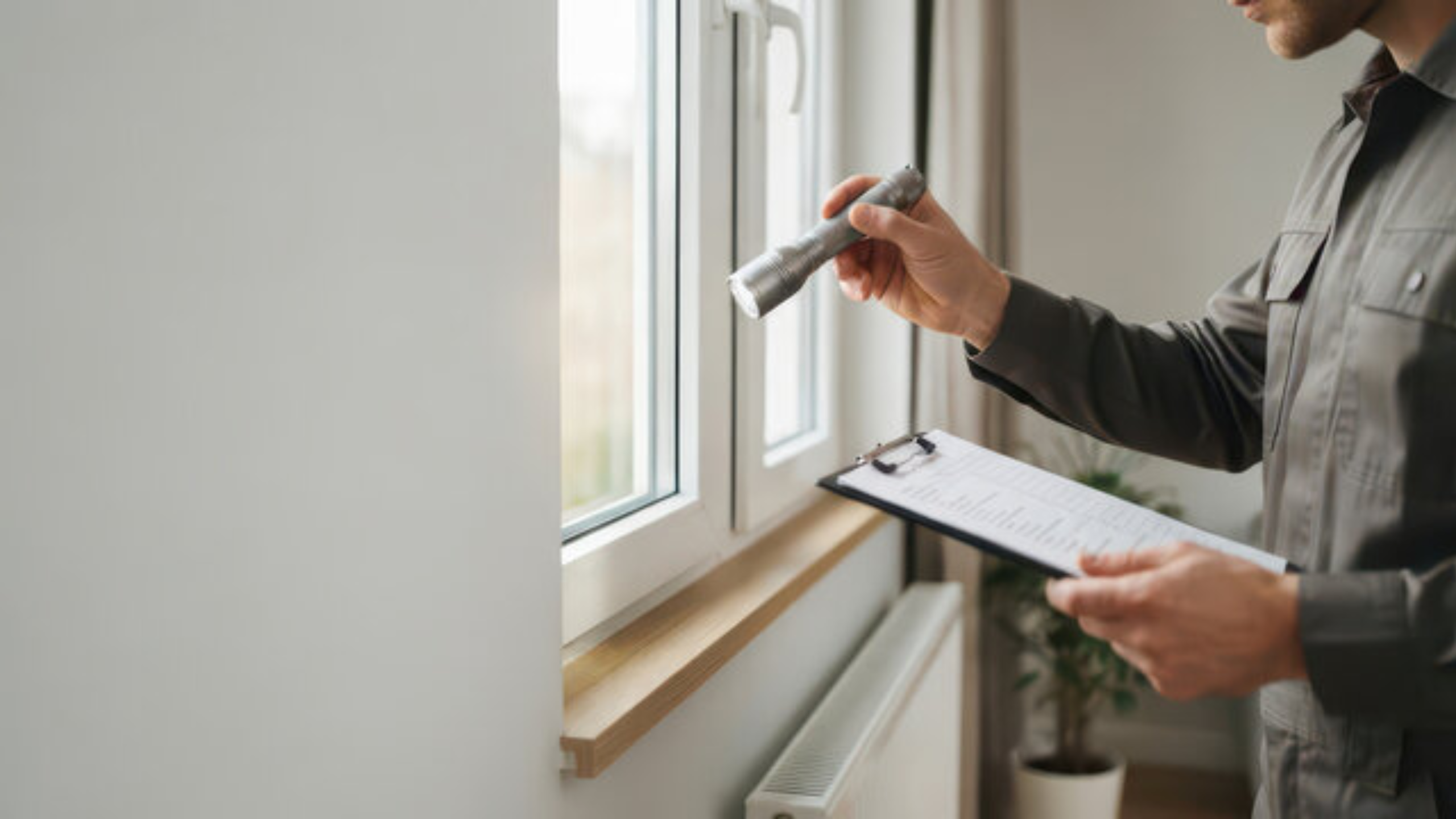
A window seal failure inspection typically involves visual evaluation of accessible windows and related components. The inspector may look for fogging, condensation between panes, damaged glass, deteriorated frames, worn weatherstripping, and other visible signs of window aging.
The inspection can also consider how windows operate. Windows that are difficult to open, close, lock, or remain properly positioned may have additional functional concerns.
Because not every window defect can be identified through a visual inspection, buyers should understand the limitations of the inspection process. Hidden conditions inside sealed glass units may not always be visible, especially when the failure is developing.
When significant concerns are identified, further evaluation by an appropriately qualified window or glass professional may be recommended.
Why Home Buyers Should Pay Attention to Aging Windows
Older windows can have a combination of age-related issues. A property may have windows installed at different times, meaning some units may be in better condition than others.
Aging windows may show deteriorated seals, worn weatherstripping, damaged frames, or operational problems. Individually, these issues may appear minor. Across an entire property, however, multiple window repairs or replacements can become a meaningful maintenance expense.
This is why buyers should evaluate windows as part of the overall condition of the home. Identifying problems before closing gives buyers an opportunity to understand potential maintenance needs and discuss appropriate next steps with their real estate professionals.
What Buyers Should Do When Fogged Windows Are Found
Finding one or more fogged windows does not necessarily mean a buyer should walk away from a property. The significance depends on the number of affected windows, their condition, age, location, and the extent of any related defects.
Buyers should document visible concerns and ask questions about the age and maintenance history of the windows when that information is available.
If an inspection identifies extensive window deterioration, obtaining an evaluation or estimate from a qualified window professional can help determine the likely repair or replacement requirements.
The goal is not simply to identify a defective window. It is to give the buyer a clearer understanding of the property’s condition and potential future maintenance needs.
How Window Conditions Fit Into a Home Inspection
Windows should be considered alongside the home’s other major components. A residential inspection can help buyers identify visible defects and maintenance concerns involving the exterior, interior, roofing system, foundation, plumbing, electrical components, and other accessible areas.
A comprehensive structural property inspection can also help buyers understand whether visible conditions around window openings may warrant closer attention as part of the property’s broader condition.
When window problems are identified, buyers can use the inspection findings to make more informed decisions about further evaluation and maintenance.
Conclusion
Fogged glass, moisture between panes, failed thermal seals, and drafty windows can provide important clues about the condition of an aging window system. For home buyers, recognizing these signs can help prevent overlooked maintenance concerns and unexpected replacement costs.
A window seal failure inspection can identify visible conditions that may affect window performance and help buyers understand when additional evaluation may be appropriate. When combined with a broader residential home inspection, window observations can contribute to a more complete understanding of the property’s condition before purchase.
Planning to buy a home? Get in touch with Select Inspection to schedule a professional residential home inspection and better understand the condition of the property before you make your decision.
Frequently Asked Questions
1. What is the most common sign of window seal failure?
Persistent fogging or condensation between the panes of a double-pane window is one of the most recognizable signs of window seal failure.
2. Is moisture between window panes a serious problem?
Moisture between panes indicates that the insulated glass seal may have deteriorated. It may reduce insulating performance and can mean the glass unit needs professional evaluation or replacement.
3. Can a failed window seal be repaired?
In many cases, the insulated glass unit is replaced rather than repairing the original seal. The appropriate solution depends on the window design, age, condition, and extent of the failure.
4. Do drafty windows always mean the glass seal has failed?
No. Drafts can result from worn weatherstripping, gaps around the frame, damaged components, or installation issues. A professional inspection can help identify visible sources of air leakage.
5. Should home buyers be concerned about fogged windows?
Fogged windows are worth noting during a home inspection because they can indicate insulated glass failure and reduced thermal performance. Buyers should consider the number and condition of affected windows when evaluating the property.