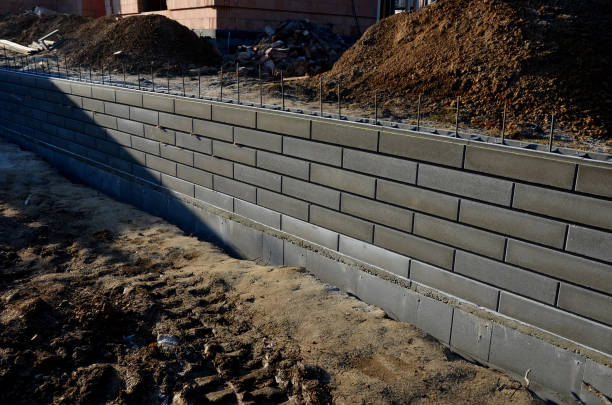
Retaining walls help control soil, create usable landscape areas, and protect slopes around residential properties. Although these structures can appear simple, they are constantly exposed to soil pressure, water accumulation, changing moisture conditions, and ground movement. When these forces become greater than the wall was designed to handle, visible failure can develop.
A retaining wall inspection can help homeowners identify signs that an exterior wall is moving, cracking, or being affected by drainage problems. Early evaluation is important because a small crack or slight lean can sometimes indicate a larger issue involving soil pressure, inadequate drainage, or unstable ground conditions.
Understanding why retaining walls fail can help homeowners recognize warning signs and determine when professional evaluation may be appropriate.
Why Retaining Walls Experience Structural Pressure
A retaining wall is designed to hold back soil that would otherwise move naturally downhill. This means the wall is always under pressure. The amount of pressure can increase when soil becomes saturated with water, expands because of changing moisture levels, or shifts due to settlement and erosion.
Hydrostatic pressure is one of the most common concerns. When water becomes trapped behind a retaining wall, it adds weight to the soil and creates additional pressure against the wall. A wall that was stable under normal soil conditions may begin to bow, crack, or lean when drainage behind the wall is inadequate.
Soil conditions also matter. Some soils expand when wet and contract as they dry. Repeated changes in soil volume can place additional stress on the wall and surrounding landscape. Over time, this movement may contribute to cracking, displacement, or separation between structural components.
Signs of a Failing Retaining Wall
Homeowners should pay attention to changes in the appearance or position of a retaining wall. A wall that has remained stable for years but recently developed movement deserves closer attention.
Leaning Retaining Walls
Leaning retaining walls are one of the most visible signs of structural movement. A wall may begin tilting toward the retained soil as pressure behind it increases. The movement can develop gradually, making it difficult to notice without comparing the wall to its previous condition.
A slight lean does not automatically mean a wall is about to collapse. However, increasing movement, bulging, or separation should not be ignored. A retaining wall inspection can document visible movement and help determine whether additional evaluation is needed.
Retaining Wall Cracks
Retaining wall cracks can occur for several reasons, including settlement, soil movement, material deterioration, and excessive pressure. The location, size, direction, and pattern of a crack can provide useful information about the type of movement affecting the wall.
Horizontal cracking can be particularly important because it may be associated with pressure pushing against the wall. Vertical or stair-step cracking may have different causes depending on the wall’s construction and surrounding soil conditions.
Cracks should be monitored for changes. New cracks, widening cracks, or cracks accompanied by leaning or bulging deserve professional attention.
Bulging or Bowing
A wall that appears to curve outward rather than remaining relatively straight may be experiencing significant pressure from behind. Bulging can develop when soil and water exert force against the wall over an extended period.
Once a wall begins to bow, the affected area may continue to move if the underlying pressure is not addressed. The condition should be documented rather than covered with landscaping materials or cosmetic repairs.
Separation Between Wall Components
Retaining walls made from blocks, masonry, timber, or other individual components can develop gaps when movement occurs. Separation between sections may indicate that portions of the wall are shifting independently.
Changes around the ends of the wall can also provide clues. Gaps between the wall and adjacent structures, displaced capstones, or changes in nearby paving may indicate that landscape structural movement is occurring.
How Drainage Behind a Wall Affects Stability
Water management is one of the most important factors in retaining wall performance. A wall may be structurally sound when properly drained but become heavily stressed when water collects behind it.
The drainage behind wall system is intended to help move water away from the retained soil. Depending on the wall design, drainage may involve gravel, drainage pipes, weep holes, or other systems intended to reduce water buildup.
When these systems become blocked, damaged, undersized, or poorly installed, water can remain trapped behind the wall. Saturated soil becomes heavier, increasing the force against the wall. The combination of water weight and soil pressure can accelerate movement.
Homeowners should look for signs such as persistent damp areas, water emerging from unexpected locations, erosion near the base, clogged drainage openings, or standing water near the wall. These conditions do not prove structural failure, but they can indicate that drainage deserves closer evaluation.
How Soil Expansion Can Cause Damage
Soil does not remain completely stable throughout the year. Changes in moisture can cause certain soils to expand and contract. When this movement occurs beside a retaining wall, the resulting pressure can affect the structure.
Soil pressure damage may develop slowly. Repeated wet and dry cycles can cause the soil behind the wall to change volume and place varying amounts of force on the structure. If drainage is poor, periods of heavy rainfall can increase these forces even further.
Landscape changes can also affect soil conditions. New planting beds, irrigation systems, grading modifications, or added soil can change how water moves around a property. These changes may increase moisture levels behind a wall or add additional weight to the retained soil.
For this reason, homeowners should consider the entire area around a retaining wall rather than focusing only on visible cracks.
What a Retaining Wall Inspection Can Identify
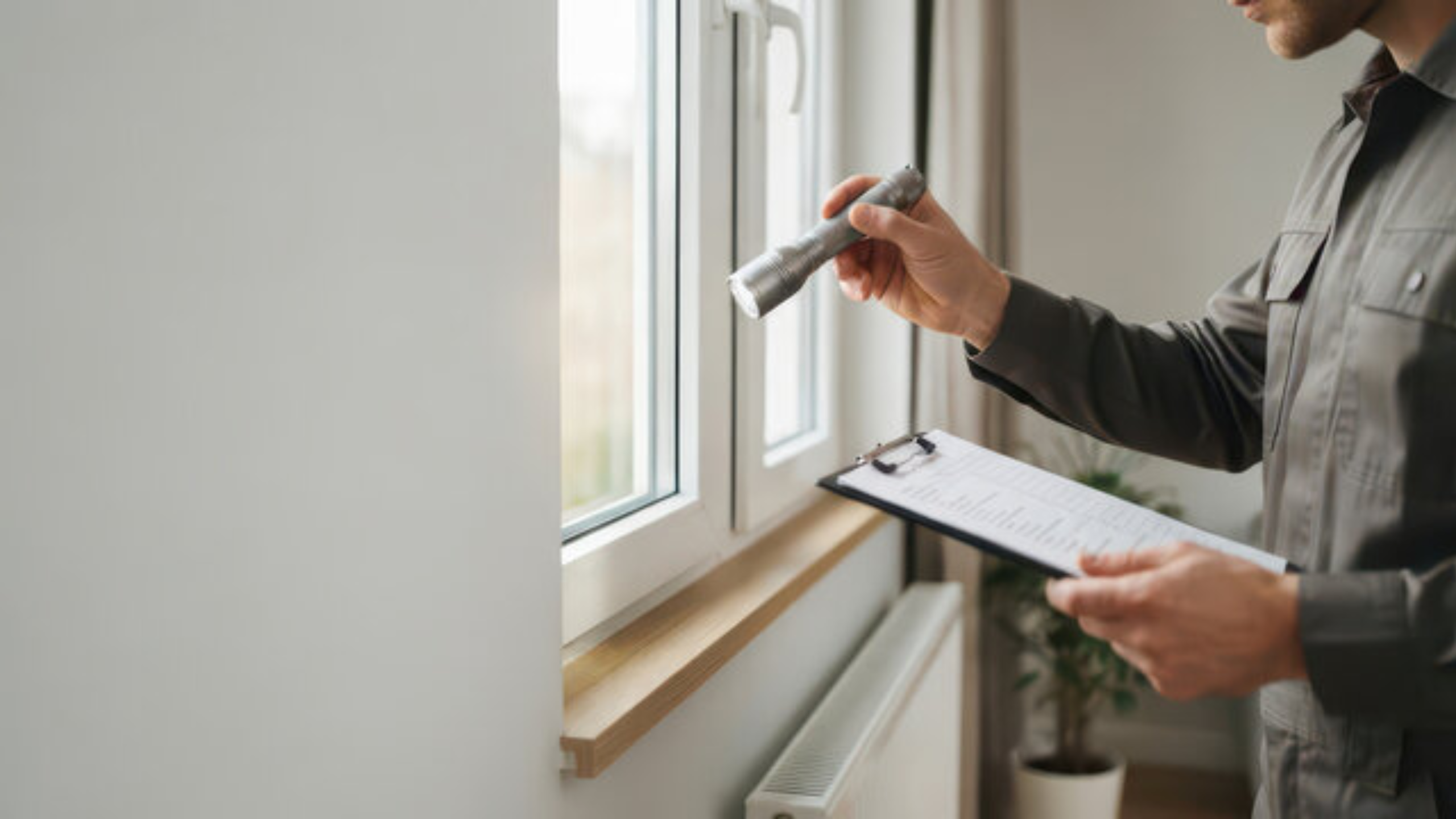
A retaining wall inspection generally focuses on visible and accessible conditions that may indicate movement, drainage concerns, deterioration, or other problems. An inspector may examine the wall’s alignment, visible cracking, signs of displacement, drainage conditions, surrounding grading, and nearby areas for evidence of movement.
The inspection can also consider whether the wall appears to be affecting or being affected by other exterior components. For example, movement may be visible in adjacent walkways, patios, fences, landscaping, or soil surfaces.
A home inspection is generally a visual assessment rather than an engineering analysis. If significant movement or structural concerns are identified, a qualified structural engineer or other appropriate specialist may be recommended for further evaluation.
When Homeowners Should Take Action
Not every retaining wall defect requires immediate reconstruction. However, homeowners should avoid ignoring conditions that are changing or becoming more pronounced.
A professional evaluation becomes especially important when a wall is noticeably leaning, developing new cracks, bulging outward, separating at joints, or showing signs of drainage failure. Rapid changes after heavy rainfall can also deserve attention because saturated soil can place substantial pressure on an exterior wall.
Homeowners should also be cautious about making repairs without understanding the cause. Filling cracks, adding surface materials, or replacing individual blocks may improve appearance without addressing the pressure or drainage problem responsible for the movement.
Correctly identifying the source of movement is an important part of deciding what repair may be appropriate.
Connecting Retaining Wall Problems to the Rest of the Property
Retaining walls are part of the broader exterior environment of a home. Changes in the wall can sometimes occur alongside other signs of drainage or soil movement around the property.
For example, water may be collecting near the foundation, soil may be eroding around downspouts, or hardscape surfaces may be settling. These conditions can provide additional information about how water and soil are behaving on the property.
A broader structural property inspection can help homeowners understand visible structural and exterior conditions throughout the home. structural property inspection Looking at the retaining wall together with surrounding grading, drainage, foundation conditions, and other accessible components can provide a more complete picture of potential exterior movement.
Preventing Retaining Wall Problems
Good drainage is one of the most important ways to reduce pressure behind a retaining wall. Homeowners should keep drainage paths clear and make sure water from gutters, downspouts, irrigation, and surrounding surfaces is not being directed toward the wall.
Regularly observing the wall can also help identify changes early. Look for new cracks, changes in alignment, displaced blocks, erosion, pooling water, or soil movement. Taking periodic photographs can make gradual changes easier to recognize.
Landscape modifications should also be planned carefully. Adding significant amounts of soil, changing grading, installing irrigation, or placing heavy features near the top of a retaining wall can alter the forces acting on the structure.
Conclusion
Retaining walls can fail due to soil pressure, water buildup, poor drainage, and ground movement. Leaning walls, cracks, bulging, and separation are important warning signs homeowners should not ignore.
A professional retaining wall inspection can help identify visible structural movement and drainage concerns before they lead to more extensive problems. Understanding these issues can help homeowners make informed decisions about maintenance and repairs.
If you have concerns about your retaining wall, contact Select Inspection to schedule a professional home inspection.
Frequently Asked Questions
1. What is a retaining wall inspection?
A retaining wall inspection is a visual assessment of accessible portions of a retaining wall and its surrounding area. It can identify visible signs of movement, cracking, drainage concerns, deterioration, and other conditions that may require further evaluation.
2. What causes retaining walls to lean?
Retaining walls can lean because of excessive soil pressure, trapped water, poor drainage, soil movement, settlement, construction deficiencies, or changes to the surrounding landscape. The specific cause depends on the wall and site conditions.
3. Are retaining wall cracks a serious problem?
Some cracks may be minor, but others can indicate structural movement or increasing pressure behind the wall. Cracks that are growing, accompanied by leaning or bulging, or associated with drainage problems should receive professional attention.
4. How does water affect a retaining wall?
Water trapped behind a retaining wall increases pressure against the structure and adds weight to the retained soil. Poor drainage can therefore contribute to leaning, bowing, cracking, and other forms of movement.
5. Can soil expansion damage a retaining wall?
Yes. Soil that expands and contracts as moisture levels change can place repeated pressure on a retaining wall. Poor drainage and significant changes in surrounding soil conditions can increase this risk.