Moisture beneath a home can create problems that are easy to overlook. Crawl spaces are dark, confined areas that homeowners may rarely enter, yet they contain important structural components that support the floors above. When moisture becomes trapped in this space, it can affect floor joists, subflooring, insulation, support structures, and indoor air quality.
Southern homes can be especially vulnerable because warm temperatures and elevated outdoor humidity can introduce significant moisture into crawl spaces. Water can also enter through plumbing leaks, poor drainage, foundation openings, condensation, or exposed soil. Without proper moisture control, these conditions may contribute to mold growth and wood deterioration.
A professional crawl space moisture inspection can help homeowners identify where moisture is coming from and determine whether it has already affected the home’s structure.
Why Crawl Space Moisture Is a Serious Concern
Moisture does not have to appear as a large puddle to create a problem. A crawl space can remain consistently humid without obvious standing water. Over time, repeated exposure to moisture can raise the moisture content of wood framing and create conditions favorable to fungal growth and decay.
According to the U.S. Department of Energy’s Building America guidance, crawl space moisture can come from exposed ground, plumbing leaks, condensation, and humid outdoor air. High humidity can also allow moisture to condense on cooler wood surfaces.
This means a crawl space that looks relatively dry during a brief visit may still have a long-term moisture problem. An inspection can provide a more complete picture by looking at visible conditions, moisture indicators, drainage, ventilation, vapor barriers, and the condition of structural wood.
How Southern Humidity Affects Crawl Spaces
Hot and humid weather can make moisture management particularly important beneath Southern homes. In a vented crawl space, humid outdoor air can enter through foundation vents and other openings. When that warm air encounters cooler surfaces below the home, condensation can occur.
As crawl space humidity remains elevated, wood framing can repeatedly absorb moisture. This creates an environment where mold and fungal decay may develop. The National Association of Home Builders notes that floor assemblies over crawl spaces in hot and humid climates can be susceptible to moisture accumulation, mold, mildew, and decay.
The problem can become more difficult to identify when moisture is hidden beneath insulation or around areas that are difficult to access. What begins as elevated humidity may eventually contribute to visible staining, soft wood, mold growth, or structural deterioration.
Common Sources of Crawl Space Moisture
A crawl space moisture inspection should consider several possible sources rather than assuming that all moisture comes from one cause.
Exposed soil is one common source. Moisture from the ground can evaporate into the crawl space when there is no effective vapor barrier. A damaged or incomplete barrier can allow moisture to continue entering the space.
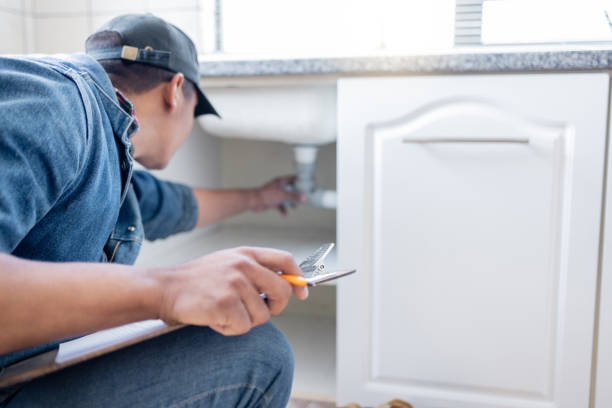
Plumbing leaks are another potential source. Even a slow leak beneath a bathroom, kitchen, or HVAC system can keep portions of the crawl space damp for an extended period.
Exterior drainage can also contribute to moisture intrusion. Poor grading, inadequate drainage, leaking gutters, and downspouts that discharge too close to the foundation can allow water to move toward the crawl space.
Some homes may also experience standing crawlspace water after heavy rainfall or from groundwater movement. Standing water is a more obvious warning sign, but it should not be the only condition homeowners watch for. Persistent humidity can cause significant damage even when there is no visible pooling.
Vapor Barrier Failure Can Increase Moisture Levels
A vapor barrier helps reduce the movement of ground moisture into the crawl space. When it is missing, torn, poorly installed, or incomplete, moisture can continue to enter from exposed soil.
This condition is commonly referred to as vapor barrier failure. A damaged barrier may have tears, gaps, loose seams, or areas where the ground is completely exposed. The barrier can also be displaced by previous maintenance work or other activity beneath the home.
A crawl space inspection should assess the condition and coverage of the vapor barrier instead of simply confirming that plastic sheeting is present. A barrier that is present but damaged may not provide the moisture control the home needs.
Floor Joist Rot Can Weaken the Structure
Floor joists are essential structural members located beneath the floors of many homes. They support the subfloor and transfer loads to beams, walls, or other supporting components.
When wood remains exposed to excessive moisture over time, floor joist rot can develop. Early deterioration may appear as discoloration, fungal growth, soft areas, or changes in the wood’s surface. More advanced deterioration can compromise the strength of the affected member.
Homeowners may notice the problem indirectly. Floors can feel soft, uneven, or bouncy. Some areas may develop sagging or movement. However, these symptoms can have several possible causes, so an inspection is important before assuming that moisture-related deterioration is responsible.
The Building America Solution Center explains that unchecked crawl space moisture can leave floor decks and framing vulnerable to fungal attack, while extensive wood rot may require structural repairs.
Subfloor Mold Can Affect Indoor Air Quality
Moisture beneath a home can also contribute to subfloor mold. The underside of the subfloor may remain damp for long periods, particularly when crawl space humidity is high.
Mold growth beneath the floor is important to investigate because the crawl space is connected to the rest of the home through gaps, penetrations, ductwork, and other pathways. Air movement can allow odors and airborne particles from below to affect the living areas.
A musty smell inside the home can sometimes indicate a moisture problem beneath the floor. However, odor alone cannot identify the source or confirm the presence of a specific type of mold. If visible mold is discovered, homeowners may need additional evaluation from an appropriately qualified mold professional.
The goal of a moisture inspection is to identify the conditions contributing to the problem so that the source can be addressed rather than simply treating the visible symptom.
Signs Your Crawl Space May Have a Moisture Problem
Homeowners do not always need to enter the crawl space to notice warning signs. Changes inside the home can sometimes point to conditions below it.
A persistent musty odor, unusually humid indoor conditions, soft or uneven floors, or visible staining near lower walls may warrant further investigation. Homeowners may also notice condensation, deteriorating insulation, or unexplained moisture beneath the home.
Inside the crawl space itself, warning signs can include water stains, wet soil, damaged vapor barriers, condensation, wood discoloration, fungal growth, deteriorated insulation, and standing water.
None of these signs should automatically be treated as proof of structural failure. Instead, they indicate that the underlying moisture conditions deserve closer evaluation.
What a Crawl Space Moisture Inspection Can Reveal
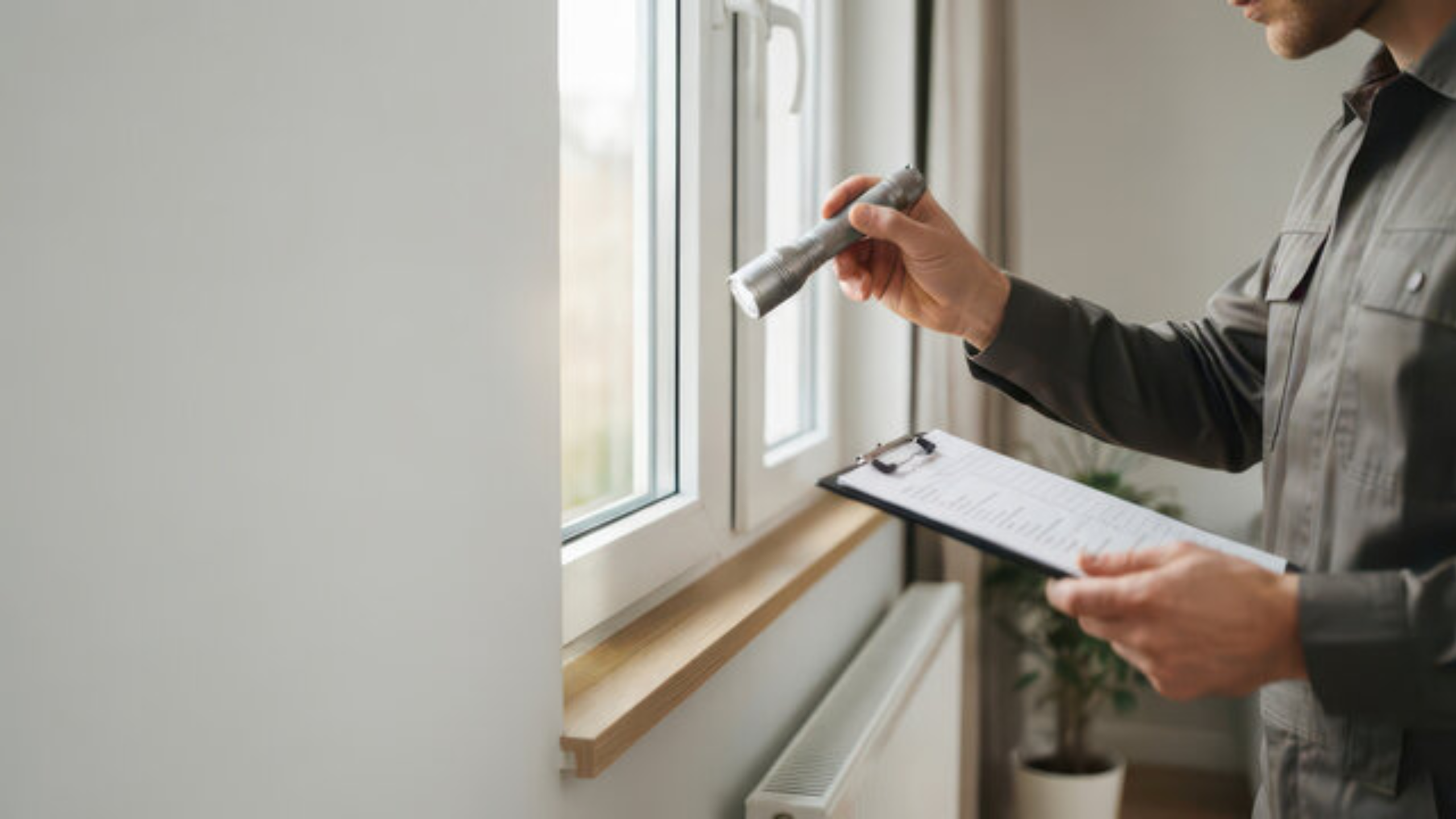
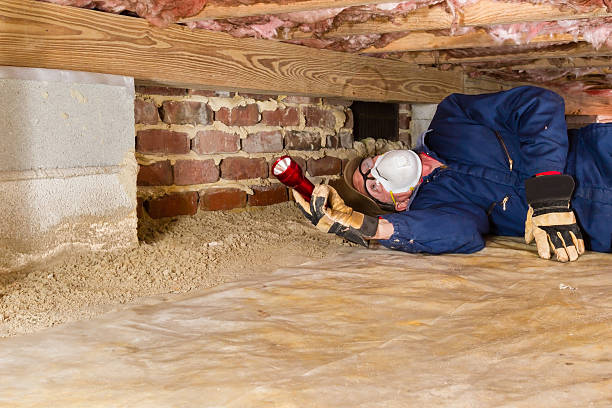
A professional inspection can help determine whether moisture is present and where potential concerns are located. The inspection should consider the condition of the crawl space as a whole rather than focusing on a single symptom.
This includes looking at the floor joists and subfloor for signs of moisture damage, checking accessible areas for standing water, evaluating the vapor barrier, and identifying visible drainage or plumbing concerns.
The inspector may also look for evidence of wood deterioration, staining, mold-like growth, condensation, and other conditions associated with prolonged moisture exposure.
Importantly, an inspection can help distinguish between an active moisture problem and evidence of previous moisture. A stain on wood does not necessarily mean the area is currently wet. Understanding whether moisture is active can help homeowners determine what should be addressed next.
Why Early Detection Matters
Moisture-related damage can become more difficult and expensive to address when it remains hidden for years. A small drainage problem may contribute to repeated moisture exposure. A damaged vapor barrier may allow ground moisture to enter continuously. Persistent humidity may create favorable conditions for mold and wood deterioration.
Early detection gives homeowners an opportunity to investigate the source before damage becomes more extensive.
This is especially important when buying, selling, or maintaining a Southern home. A crawl space inspection can provide information about an area that is otherwise easy to overlook during routine home maintenance.
How Homeowners Can Respond to Crawl Space Moisture
The right solution depends on the source and severity of the moisture problem. Homeowners should first identify where the water or humidity is coming from instead of simply covering damaged materials or attempting cosmetic repairs.
Potential corrective measures may include improving exterior drainage, repairing plumbing leaks, addressing damaged vapor barriers, controlling humidity, correcting water entry points, or repairing deteriorated structural wood.
If mold or significant wood deterioration is present, the appropriate qualified professional should determine the necessary remediation or structural repair. Moisture control should remain part of the solution because repairing damaged materials without addressing the source can allow the problem to return.
Protect Your Home With a Crawl Space Moisture Inspection
The crawl space may be out of sight, but it plays an important role in the condition of your home. Persistent moisture can affect structural framing, contribute to floor joist rot, encourage subfloor mold, and create conditions that may affect indoor air quality.
A crawl space moisture inspection can help homeowners identify moisture intrusion, evaluate the condition of accessible structural components, and understand potential risks before they become larger problems.
For homeowners concerned about moisture beneath their property, Select Inspections can help provide information about the condition of the crawl space and identify areas that may require further attention.
Conclusion
Crawl space moisture can affect much more than the area beneath your home. Persistent humidity, water intrusion, and vapor barrier problems can create conditions that contribute to wood deterioration, floor joist rot, subfloor mold, and potential indoor air quality concerns.
Because crawl spaces are often hidden from everyday view, problems may continue unnoticed until they become more apparent inside the home. A professional crawl space moisture inspection can help identify warning signs and provide homeowners with a clearer understanding of the conditions beneath their property.
For homeowners in Southern climates, paying attention to the crawl space is an important part of protecting both the structure and the living environment of the home.
Concerned about crawl space moisture? Get in touch with Select Inspections for a professional inspection.
Frequently Asked Questions
1. What Is a Crawl Space Moisture Inspection?
A crawl space moisture inspection evaluates accessible areas beneath a home for signs of water intrusion, elevated humidity, damaged vapor barriers, standing water, condensation, mold-like growth, and moisture-related deterioration of structural components.
2. What Causes Moisture in a Crawl Space?
Common sources include exposed soil, damaged vapor barriers, plumbing leaks, poor exterior drainage, groundwater, condensation, and humid outdoor air entering the crawl space.
3. Can Crawl Space Moisture Cause Floor Joist Rot?
Yes. Long-term exposure to excessive moisture can contribute to fungal decay and wood deterioration. Damaged floor joists may eventually affect the stability and performance of the floor system.
4. What Is Vapor Barrier Failure?
Vapor barrier failure occurs when a crawl space vapor barrier is missing, damaged, incomplete, poorly installed, or otherwise unable to effectively limit moisture movement from the ground into the crawl space.
5. Can Crawl Space Moisture Affect Indoor Air Quality?
Yes. Moisture can contribute to mold and fungal growth beneath the home. Air movement between the crawl space and living areas can allow odors and airborne contaminants from below to enter the home.